

Malacostracans (Class Malacostraca)
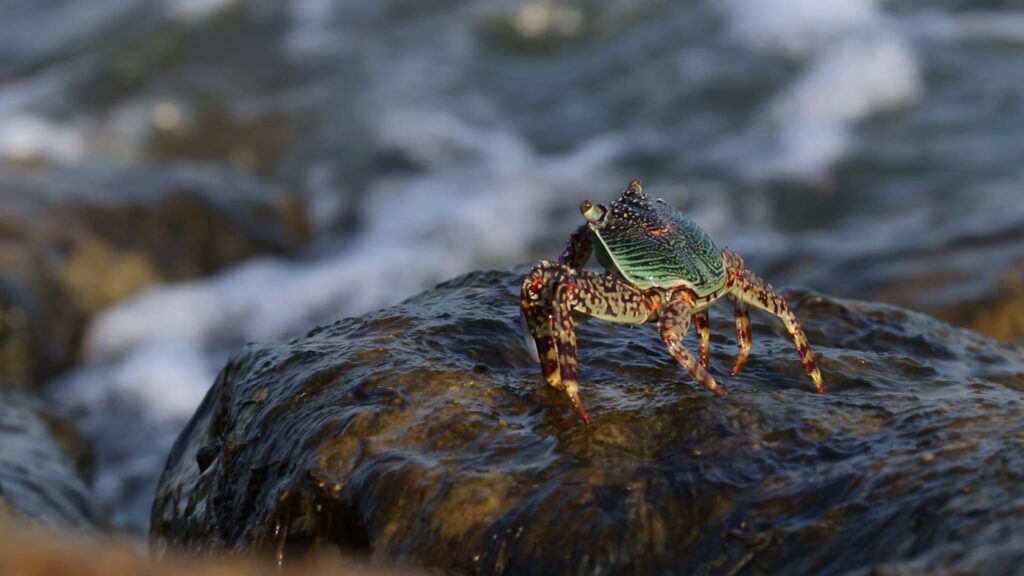
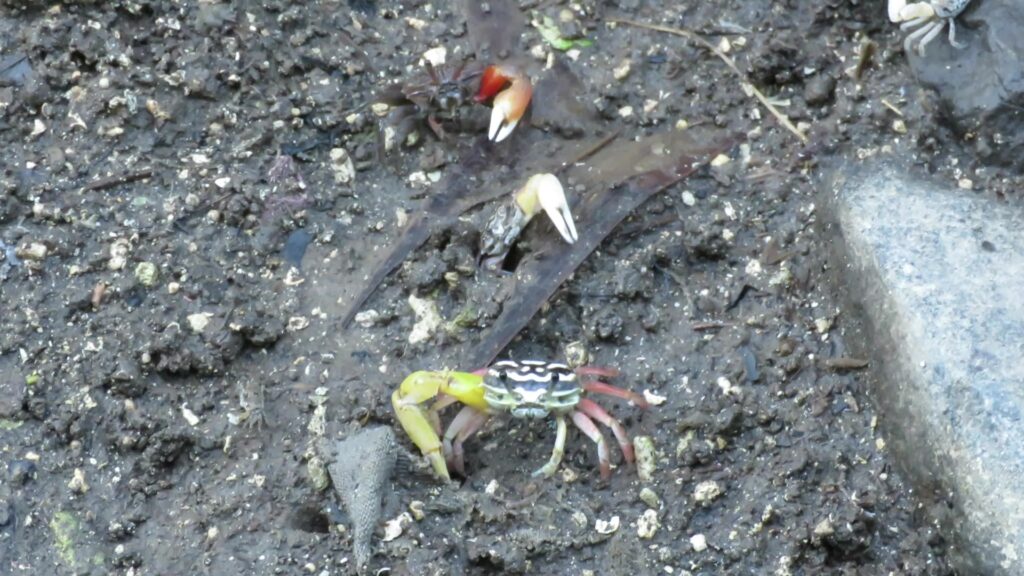
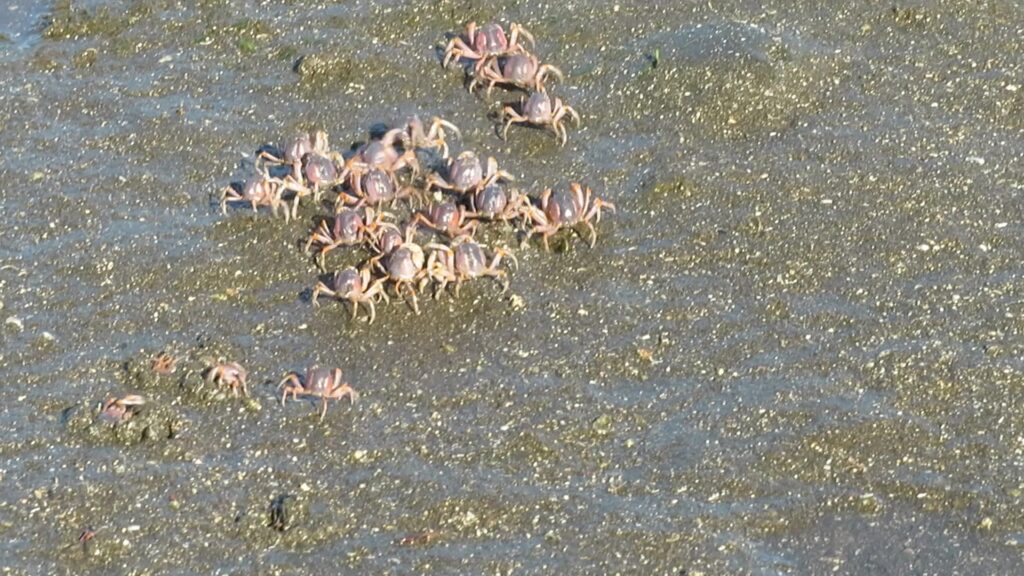
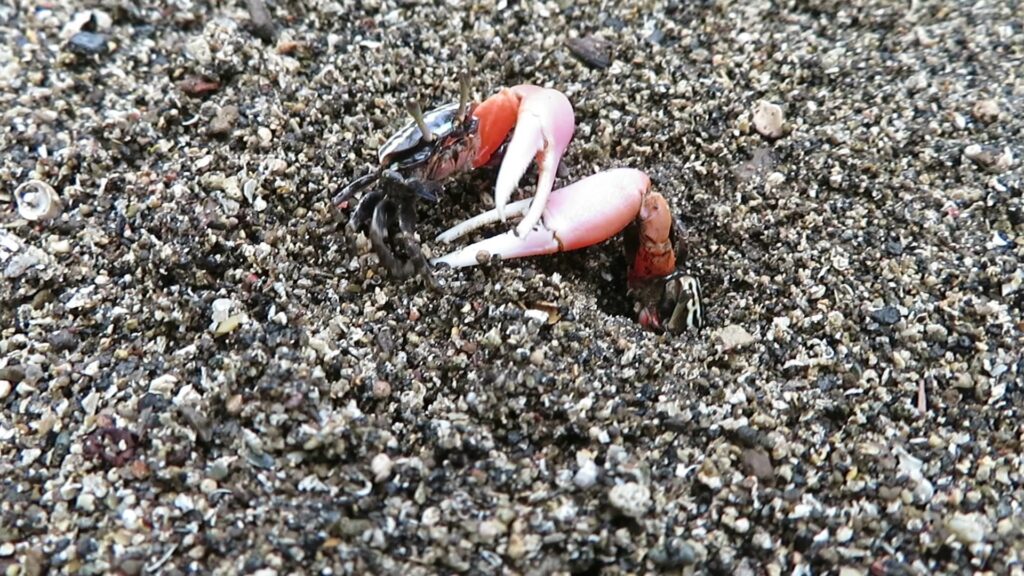
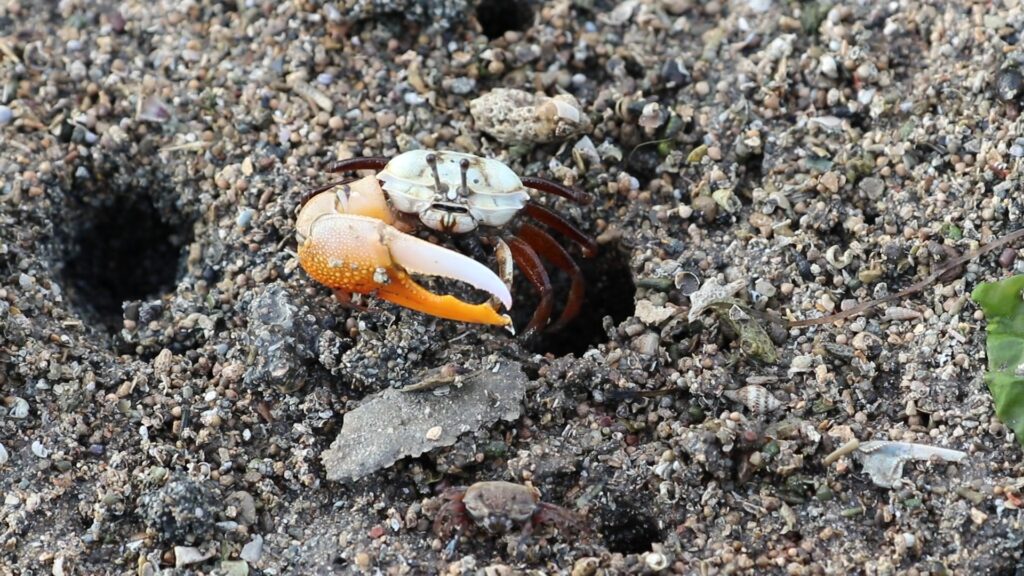
Class Malacostraca is the largest and most diverse class of crustaceans within the subphylum Crustacea. It includes familiar animals such as crabs, lobsters, shrimp, prawns, crayfish, krill, mantis shrimp, hermit crabs, and many amphipods and isopods. Malacostracans occur in marine, freshwater, and terrestrial environments, occupying habitats ranging from coral reefs and ocean trenches to rivers, forests, and underground caves. Their diversity in body form, behavior, and ecological function makes them one of the most significant groups of arthropods in aquatic ecosystems.
Malacostracans typically possess a body organized into three main regions: a head, a thorax, and an abdomen. In many species, the head and thorax are fused into a cephalothorax, which is often covered by a protective carapace. A commonly recognized body plan consists of 19 segments, including five head segments, eight thoracic segments, and six abdominal segments, followed by a terminal telson. Some groups exhibit modifications or reductions in this arrangement. The segmented body and jointed appendages provide flexibility and allow these animals to perform specialized movements and activities.
The exoskeleton of malacostracans is composed mainly of chitin and proteins and is often strengthened with calcium carbonate. It supports the body, protects internal organs, and provides attachment points for muscles. The hardness of the exoskeleton varies among body regions and species. For example, crabs and lobsters often possess a strongly hardened carapace, while some small or soft-bodied malacostracans have thinner coverings. Because the exoskeleton cannot grow continuously, individuals periodically shed it through molting, allowing the body to increase in size.
Malacostracans have two pairs of antennae and a variety of specialized mouthparts used for feeding. Their compound eyes may be sessile or carried on movable stalks, depending on the group. The appendages are particularly diverse and may function in walking, swimming, capturing prey, manipulating food, cleaning the body, or transferring sperm. In decapods, such as crabs and lobsters, the thoracic appendages include walking legs and often claws. In many shrimp and crayfish, abdominal appendages assist with swimming and reproduction, while the tail fan helps produce rapid backward movement.
The class occupies an exceptionally broad range of habitats. Most species are marine, living on the seafloor, among coral reefs, in coastal waters, or in the open ocean. Others inhabit freshwater streams, rivers, lakes, and wetlands. Certain isopods and amphipods have adapted to terrestrial environments, including damp forests and leaf litter. Some species live in caves, deep-sea habitats, or close association with other organisms. These varied environments have encouraged the evolution of numerous adaptations, including specialized respiratory structures, camouflage, burrowing behavior, and tolerance of changing salinity.
Respiration generally occurs through gills in aquatic species, although the structures and their locations differ among groups. Terrestrial isopods, commonly known as woodlice, possess modified respiratory structures that allow them to exchange gases in air, but many remain dependent on moist conditions to avoid dehydration. Circulation is generally open, with a heart pumping hemolymph through body spaces. The nervous system includes a brain and a ventral nerve cord, while sensory systems detect light, chemical signals, touch, and water movement.
Feeding strategies among malacostracans are remarkably varied. Many species are omnivorous, consuming plant material, algae, detritus, small invertebrates, and carrion. Others are specialized predators, filter feeders, parasites, or scavengers. Mantis shrimp actively capture prey using powerful, specialized appendages, while many crabs use their claws to manipulate food. Krill and numerous small shrimp-like species consume plankton and suspended organic particles. By transferring energy between organisms and recycling organic matter, malacostracans contribute substantially to ecosystem productivity and nutrient cycling.
Reproduction is usually sexual, with separate male and female individuals in most species. Courtship and mating behaviors differ widely, ranging from chemical signaling and visual displays to physical competition. In many decapods, females carry fertilized eggs attached to abdominal appendages until they hatch. Development may involve several larval stages, including nauplius, zoea, and megalopa stages in particular lineages, although the precise sequence differs among groups. Other malacostracans hatch as miniature versions of adults or undergo direct development, with young emerging from eggs in a relatively advanced form.
Malacostracans play important ecological roles as predators, prey, scavengers, grazers, and decomposers. They help regulate populations of other invertebrates, process dead organic material, and support food webs that include fish, seabirds, marine mammals, amphibians, and humans. Krill and other small crustaceans are particularly important in marine ecosystems because they provide a major food source for many larger animals. Burrowing species can also influence sediment structure and nutrient exchange between the seabed and the water.
Economically, Malacostraca includes some of the world’s most valuable seafood animals. Crabs, lobsters, shrimp, prawns, and crayfish support commercial fisheries and aquaculture, providing food and income for communities worldwide. However, many species face pressure from overfishing, habitat destruction, pollution, invasive species, and climate-related changes in ocean temperature and chemistry. Sustainable harvesting, habitat protection, and effective fisheries management are essential to preserving malacostracan diversity and maintaining the ecological services they provide.
In summary, Malacostraca is a highly diverse class of crustaceans distinguished by its segmented body plan, specialized jointed appendages, and broad range of ecological adaptations. From plankton-consuming krill to powerful predators and terrestrial woodlice, its members occupy numerous niches and contribute to ecosystem functioning on land and in water. Their biological diversity, evolutionary history, and importance to food webs and human economies make Malacostraca a central group in the study of crustacean biology.