

Crustaceans (Subphylum Crustacea)
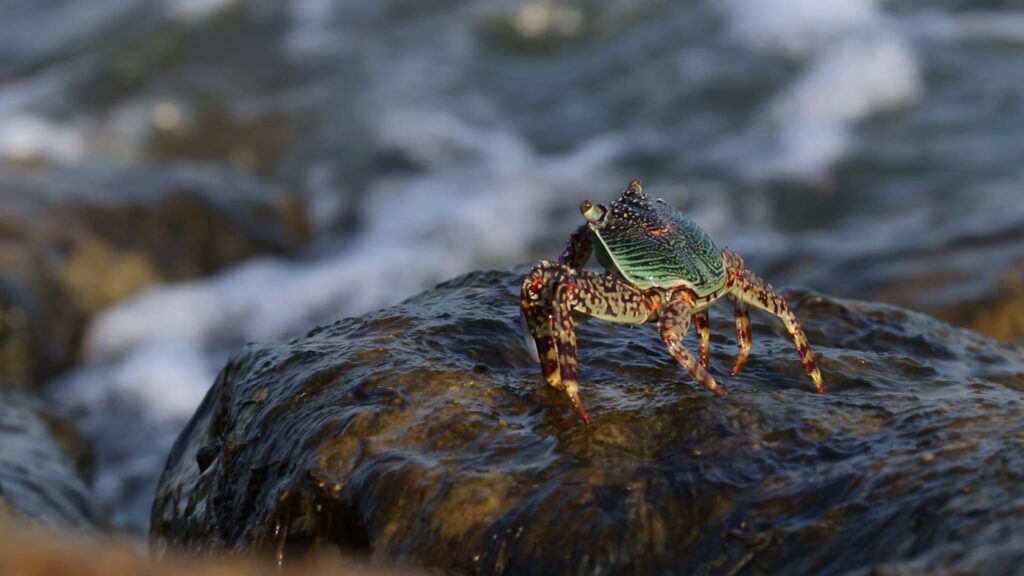
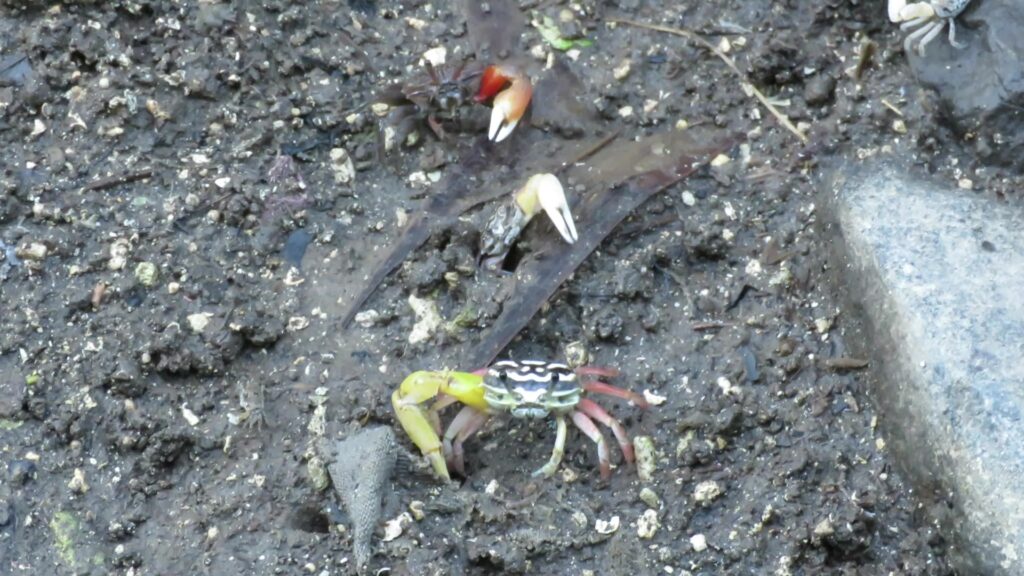
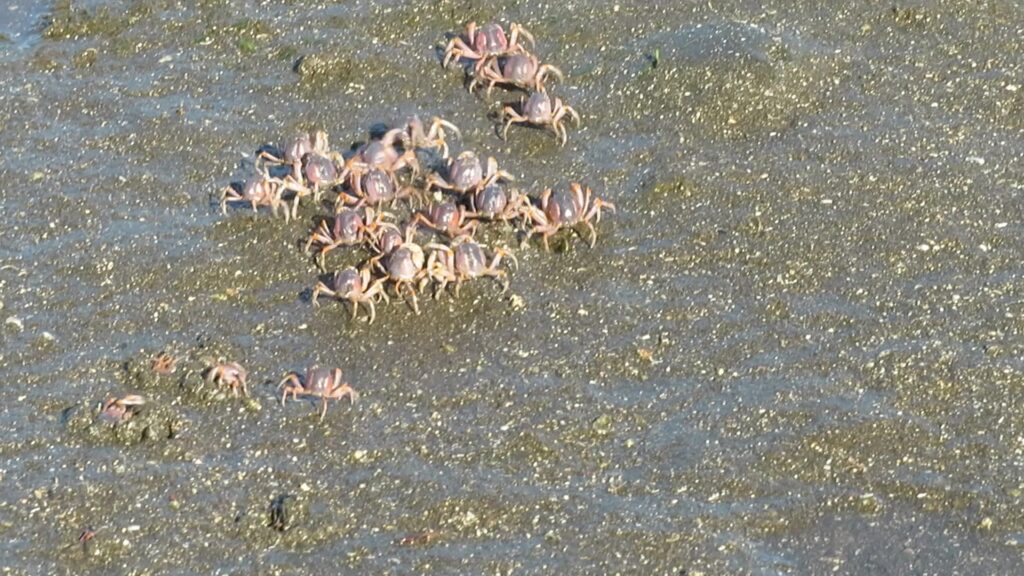
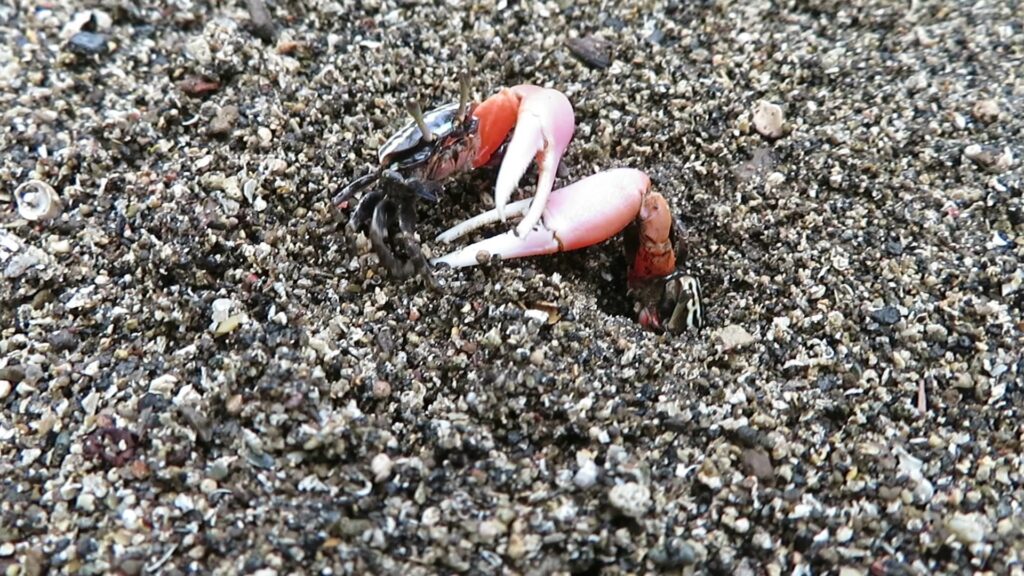
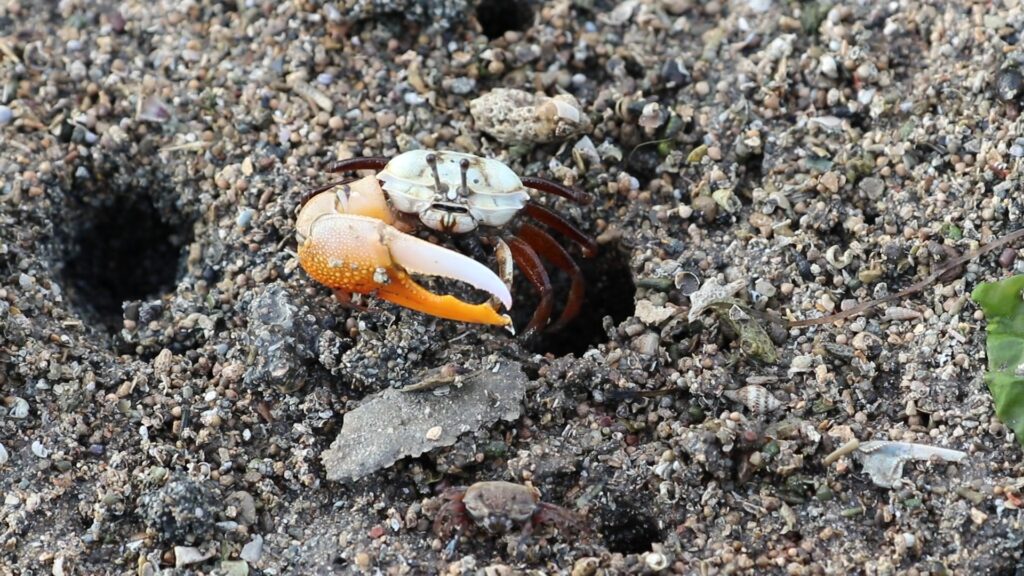
Subphylum Crustacea comprises a diverse group of arthropods that includes crabs, lobsters, shrimp, prawns, crayfish, barnacles, copepods, krill, and woodlice. Most crustaceans are aquatic, inhabiting marine and freshwater environments, although some species have adapted to life on land. Traditionally, Crustacea has been treated as a subphylum within Arthropoda. Modern evolutionary classifications recognize that crustaceans are closely related to insects and other hexapods, with insects arising from within the broader crustacean evolutionary lineage.
Crustaceans exhibit considerable diversity in body size, shape, and structure. Their bodies are generally segmented and commonly divided into a head, thorax, and abdomen, although these regions may be fused into a cephalothorax. The body is protected by a rigid exoskeleton composed primarily of chitin, often strengthened with calcium carbonate. This external skeleton provides support, protects internal organs, and serves as an attachment surface for muscles. Because the exoskeleton cannot expand continuously, crustaceans must periodically shed it through a process called molting to grow.
One of the defining characteristics of crustaceans is their possession of two pairs of antennae, which distinguish them from many other arthropod groups. These sensory appendages help detect chemical signals, vibrations, water movement, and physical contact. Most crustaceans also possess compound eyes, although eye structure and development vary considerably. Some species have stalked eyes that provide a broad field of vision, while others possess reduced eyes or lack functional eyes entirely, particularly in caves or deep-sea habitats.
Crustaceans typically have paired, jointed appendages that perform a wide range of functions, including walking, swimming, feeding, grooming, defense, and reproduction. Their appendages are often specialized for particular tasks. Crabs and lobsters, for example, have walking legs and frequently possess enlarged claws for capturing food or defending themselves. Shrimp and krill use swimming appendages to move through the water, while barnacles have modified appendages that help filter food particles from passing water. This functional diversity has contributed to the group’s success across many aquatic and terrestrial habitats.
The respiratory system of most aquatic crustaceans consists of gills, which extract dissolved oxygen from water. Gills may be located beneath the carapace or associated with specialized appendages. Small species may exchange gases directly across thin body surfaces. Terrestrial crustaceans, such as woodlice, have evolved modified respiratory structures that allow them to obtain oxygen from air while retaining a dependence on moist environments. Their physiological adaptations vary according to habitat, body size, and lifestyle.
Crustaceans occupy nearly every major aquatic environment, from shallow coastal waters and coral reefs to rivers, lakes, underground waters, and the deep ocean. Marine species are especially abundant in plankton communities and on the seafloor. Freshwater species inhabit streams, ponds, wetlands, and lakes, while terrestrial forms occur in forests, gardens, caves, and damp soils. Some crustaceans live as parasites or in close association with other organisms. Their ability to exploit such different ecological niches has made them one of the most diverse and ecologically significant groups of arthropods.
Their feeding habits are equally varied. Many crustaceans are omnivores, consuming algae, plants, detritus, small invertebrates, and carrion. Others are specialized predators, filter feeders, parasites, or plankton consumers. Copepods and krill are particularly important consumers of microscopic algae and other planktonic organisms. Crabs and crayfish often feed on a mixture of plant and animal material, while some shrimp species filter suspended particles or scavenge organic matter. Through these feeding activities, crustaceans contribute to nutrient cycling and transfer energy between different levels of aquatic food webs.
Reproduction in Crustacea is diverse, although most species reproduce sexually. In many groups, males and females are separate individuals, and fertilization may occur internally or externally, depending on the species. Females of numerous decapod crustaceans carry fertilized eggs attached to their abdominal appendages until hatching. Development often involves several larval stages, such as nauplius, zoea, or megalopa, although the sequence differs among groups. Some species produce young that resemble miniature adults, while others undergo extensive transformations before reaching maturity.
Crustaceans play essential ecological roles in both aquatic and terrestrial ecosystems. They serve as prey for fish, seabirds, marine mammals, amphibians, and many other animals. Small planktonic crustaceans are especially important in marine food webs, supporting fish populations and larger predators. Burrowing and scavenging species help process organic material, while grazing species can influence algae and vegetation. Certain crustaceans also act as hosts for parasites or serve as indicators of environmental changes, making them useful in ecological monitoring.
Economically, crustaceans are among the most important groups of aquatic animals. Shrimp, prawns, crabs, lobsters, and crayfish support commercial fisheries and aquaculture industries worldwide. They provide valuable sources of protein and contribute to the livelihoods of fishing communities. However, crustacean populations face pressures from overfishing, habitat destruction, pollution, climate change, ocean acidification, and the spread of invasive species. Conservation and sustainable harvesting practices are important for maintaining healthy populations and the ecosystems that depend on them.
In summary, Crustacea is an exceptionally diverse group of arthropods characterized by segmented bodies, jointed appendages, two pairs of antennae, and a protective exoskeleton. Its members occupy a wide range of habitats and perform crucial functions in food webs, decomposition, nutrient cycling, and human food production. Although crustacean classification continues to develop as evolutionary relationships become better understood, their biological diversity and ecological importance make them a central group in the study of animal life.