Bali Wildlife
Every Spices Matter


Noctuoidea is the largest and one of the most evolutionarily successful superfamilies within the order Lepidoptera, encompassing owlet moths, tiger moths, tussock moths, underwing moths, and numerous related groups. With more than 70,000 described species worldwide, members of this superfamily are found on every continent except Antarctica and occupy virtually every terrestrial habitat, from tropical rainforests and temperate woodlands to deserts, grasslands, agricultural fields, and urban areas.
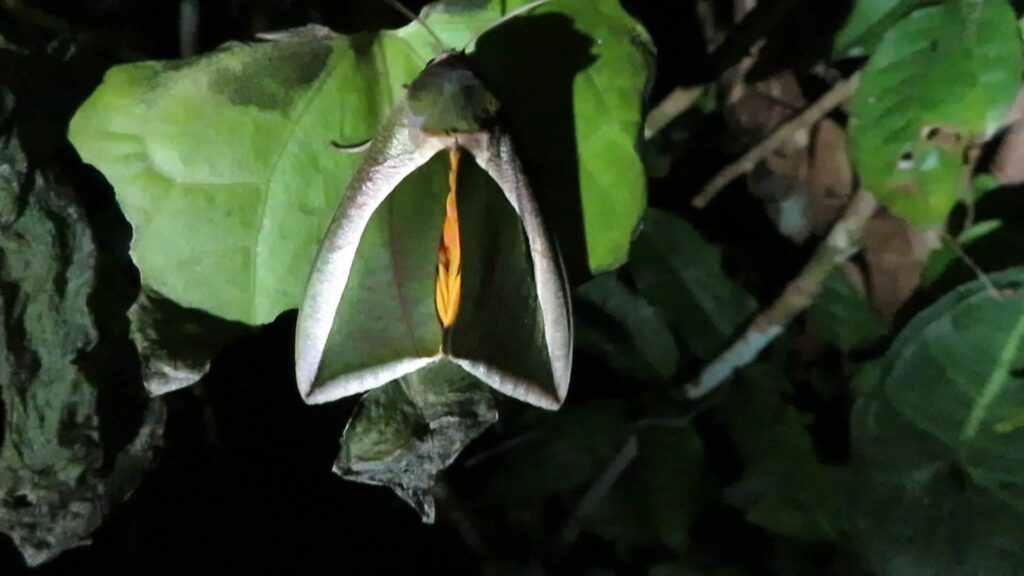
Moths of Noctuoidea are highly diverse in appearance but are typically medium-sized with a robust body and broad wings. Many species possess cryptic coloration in shades of brown, gray, black, or olive, allowing them to blend into bark, leaves, or soil during the day. Others display vivid warning colors, metallic markings, or brightly colored hindwings that are revealed when disturbed.
The head bears large compound eyes and well-developed sensory organs. Most species are nocturnal and rely heavily on chemical and visual cues for locating mates, food sources, and suitable habitats. Antennae are usually simple but may be comb-like or feathered in some lineages.
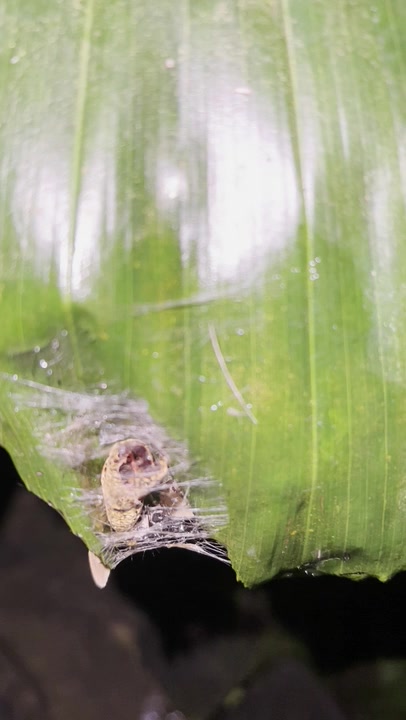
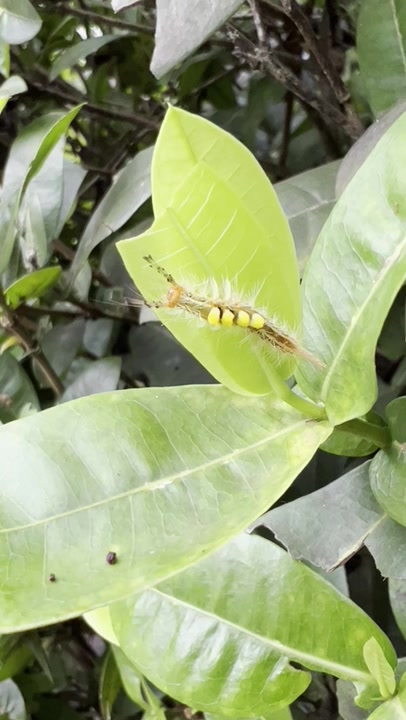
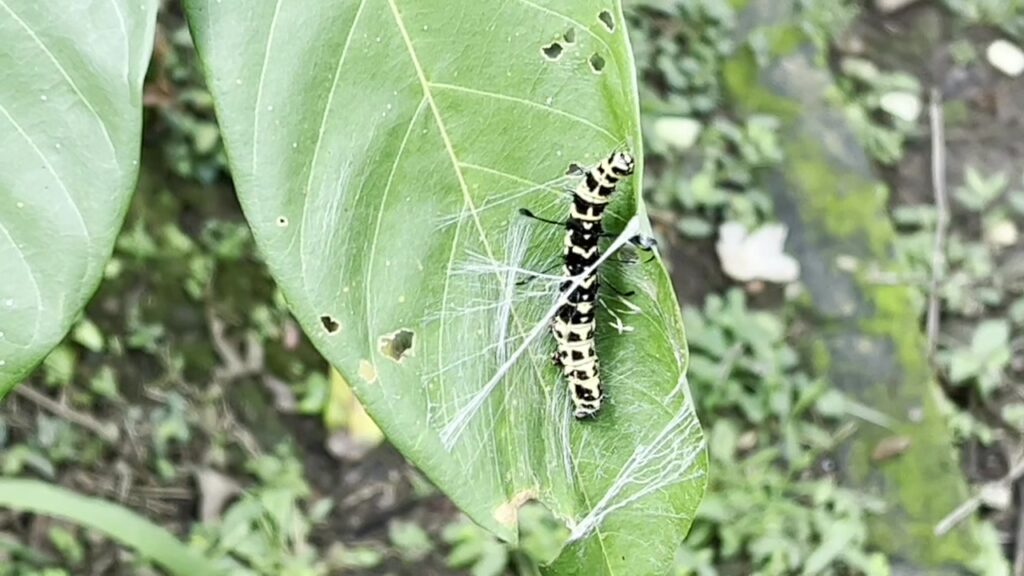
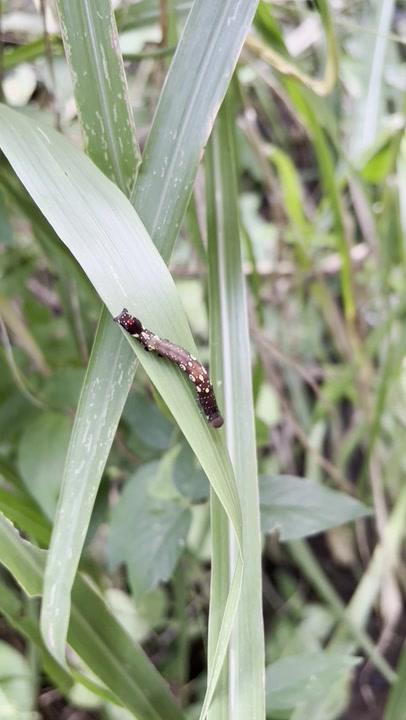
Like all Lepidoptera, noctuoid moths undergo complete metamorphosis with four stages: egg, larva (caterpillar), pupa, and adult. Caterpillars are among the most ecologically important herbivores in terrestrial ecosystems and feed on a vast array of plants. Some species are highly specialized on particular host plants, while others are generalists capable of feeding on numerous plant families.
The superfamily includes several major families, including Noctuidae (owlet moths), Erebidae (tiger moths, lichen moths, tussock moths, and allies), Nolidae, and Euteliidae. Together, these families represent an extraordinary diversity of life histories, ecological roles, and morphological adaptations.
Adult feeding behavior varies widely. Many species visit flowers and feed on nectar, contributing to nocturnal pollination. Others feed on tree sap, rotting fruit, honeydew, or mineral-rich fluids, while some species have reduced mouthparts and do not feed as adults.
Ecologically, Noctuoidea is of immense importance. Caterpillars are key herbivores and a major food source for birds, bats, reptiles, amphibians, spiders, and predatory insects. Adults serve as pollinators and prey within nocturnal food webs. While some species are significant agricultural pests, many contribute positively to ecosystem functioning, making Noctuoidea one of the most influential groups in global biodiversity.