Bali Wildlife
Every Spices Matter


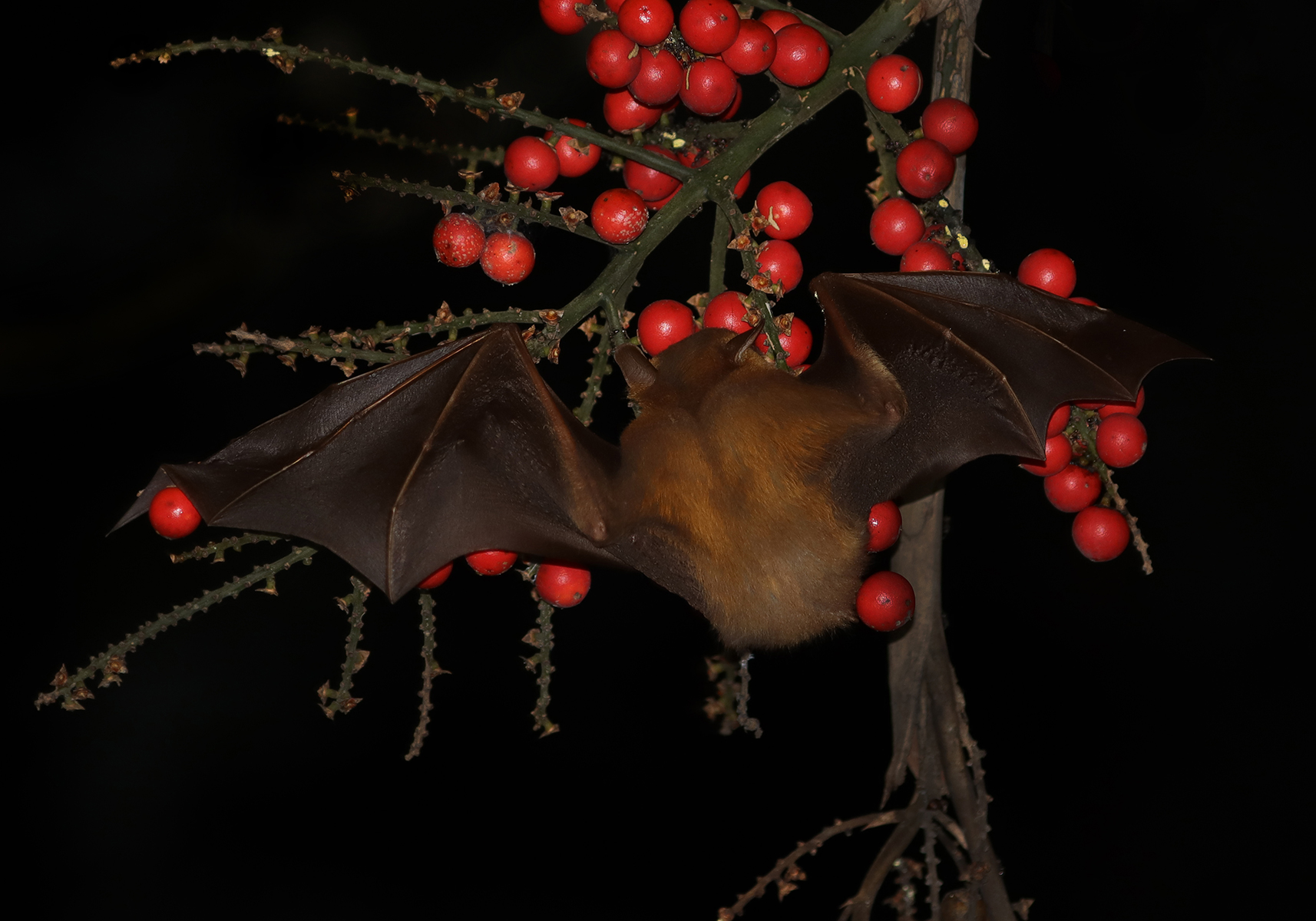
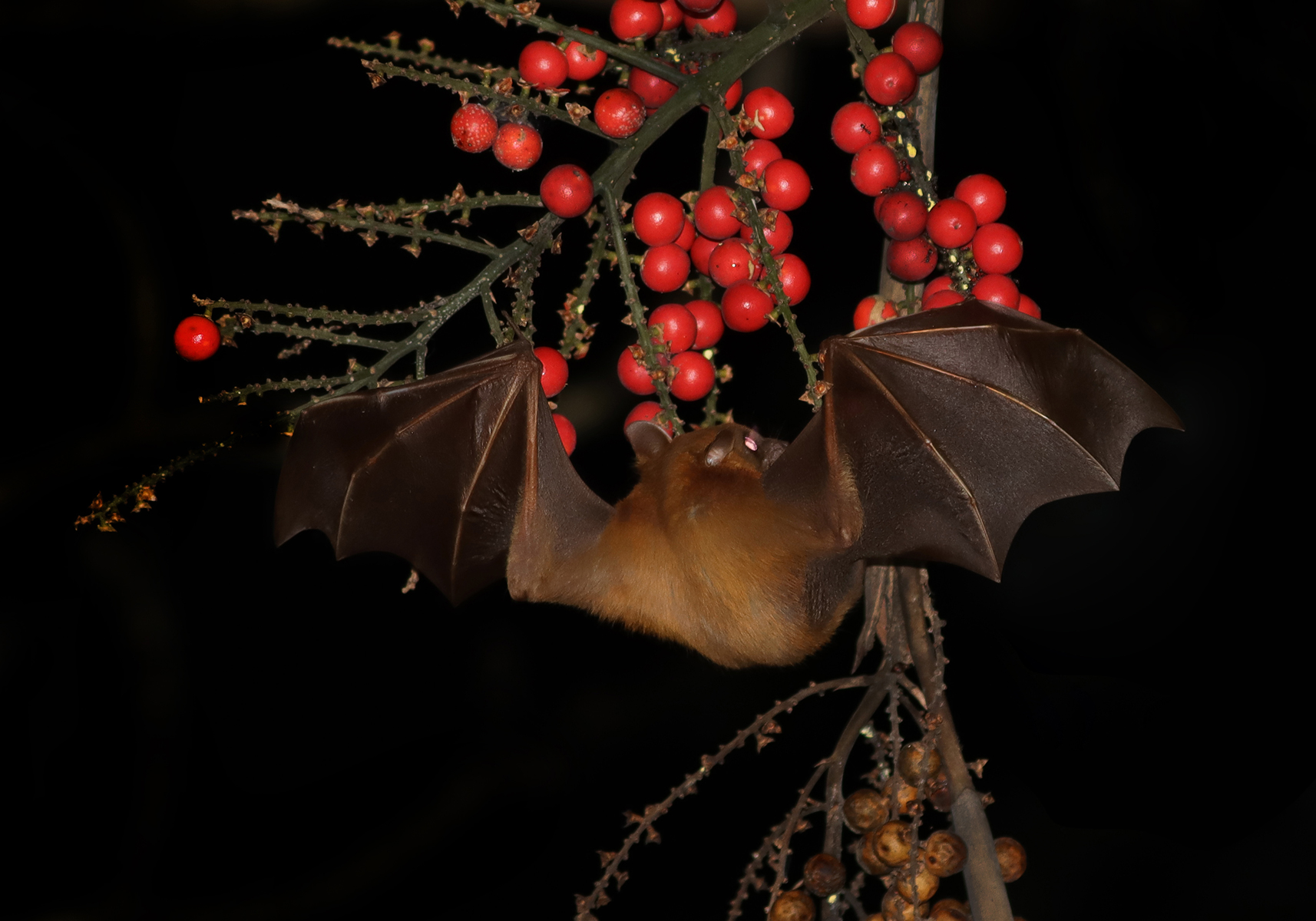
Yinpterochiroptera is one of the two major suborders within the order Chiroptera (bats), representing a diverse lineage that includes fruit bats (flying foxes) and several groups of echolocating bats. Members of this suborder are distributed widely across Africa, Asia, Australia, and parts of Europe, and occupy a broad range of habitats from tropical forests to caves and urban environments.
Bats in Yinpterochiroptera vary greatly in size and appearance. The group includes some of the largest bats, such as flying foxes (family Pteropodidae), as well as smaller insectivorous species. Like all bats, they possess wings formed from elongated fingers supporting a membranous patagium. Many species have large eyes and well-developed vision, particularly fruit bats, while others have specialized structures such as nose leaves that assist in echolocation.
Unlike the traditional division of bats into “megabats” and “microbats,” Yinpterochiroptera combines fruit bats with certain echolocating families, reflecting modern genetic understanding. While many members of this suborder rely heavily on vision and smell, especially fruit bats, others use sophisticated echolocation systems to navigate and locate prey in darkness.
Feeding habits within Yinpterochiroptera are diverse. Fruit bats are primarily frugivorous or nectarivorous, feeding on fruits, nectar, and pollen, while other members are insectivorous or feed on small animals. This diversity of diets contributes to their ecological versatility.
The life cycle follows typical mammalian reproduction, with females giving birth to one or occasionally more offspring. Young are dependent on maternal care and are often carried or left in roosts until they can fly.
Ecologically, Yinpterochiroptera plays crucial roles in ecosystems. Fruit- and nectar-feeding species are key pollinators and seed dispersers, especially in tropical forests, while insectivorous species help regulate insect populations. Their activities support plant reproduction, forest regeneration, and agricultural balance, making them essential components of biodiversity and ecosystem functioning.