Bali Wildlife
Every Spices Matter


Yangochiroptera is one of the two major suborders within the order Chiroptera (bats), comprising the majority of echolocating bat species. This group is widely distributed across the world and occurs in nearly all terrestrial habitats, including forests, caves, deserts, wetlands, and urban environments.
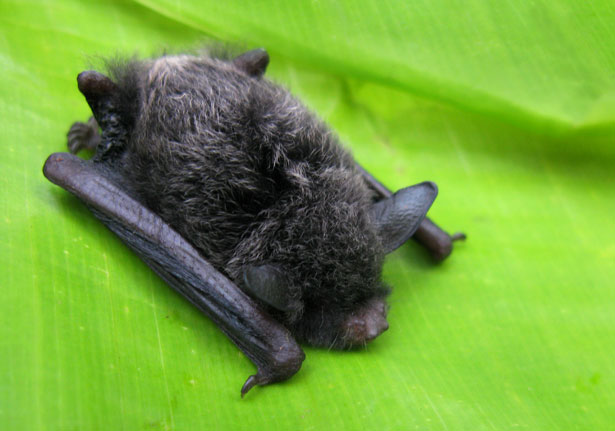
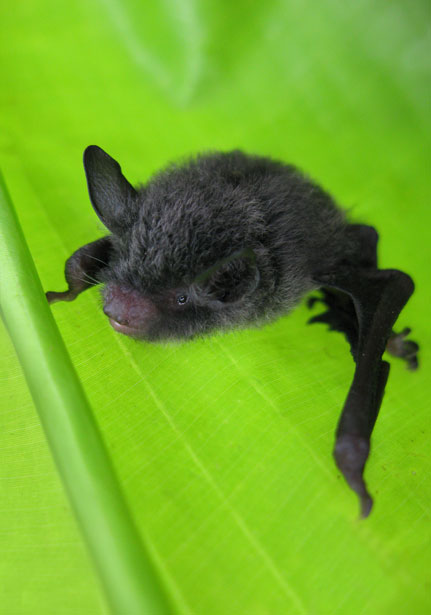
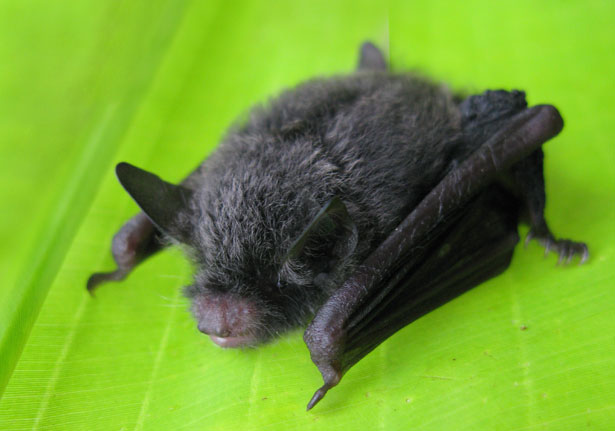
Bats of the suborder Yangochiroptera are generally small to medium-sized and are often referred to as “microbats,” although this term is less used in modern classification. They typically have relatively small eyes and well-developed ears, often large and specialized for detecting sound. Many species possess complex ear structures or nose leaves that aid in echolocation.
A defining feature of Yangochiroptera is the use of echolocation. These bats emit high-frequency sounds and interpret the returning echoes to navigate and locate prey in complete darkness. This adaptation allows them to hunt efficiently at night.
Feeding habits within this suborder are diverse, though most species are insectivorous, feeding on flying insects such as moths, beetles, and mosquitoes. Other species may feed on fish, small vertebrates, nectar, fruit, or even blood in specialized cases.
The life cycle follows typical mammalian reproduction, with females usually giving birth to one or a few offspring. Young bats are dependent on maternal care and remain in roosts until they are capable of flight.
Yangochiroptera includes a wide range of families, such as Vespertilionidae (evening bats), Molossidae (free-tailed bats), Phyllostomidae (New World leaf-nosed bats), and others, reflecting significant ecological and morphological diversity.
Ecologically, Yangochiroptera plays a crucial role in controlling insect populations, making them highly beneficial for agriculture and human health by reducing pest species. Some members also contribute to pollination and seed dispersal. Their ecological importance, combined with their diversity and specialized adaptations, makes them a key component of global biodiversity and ecosystem function.