Bali Wildlife
Every Spices Matter


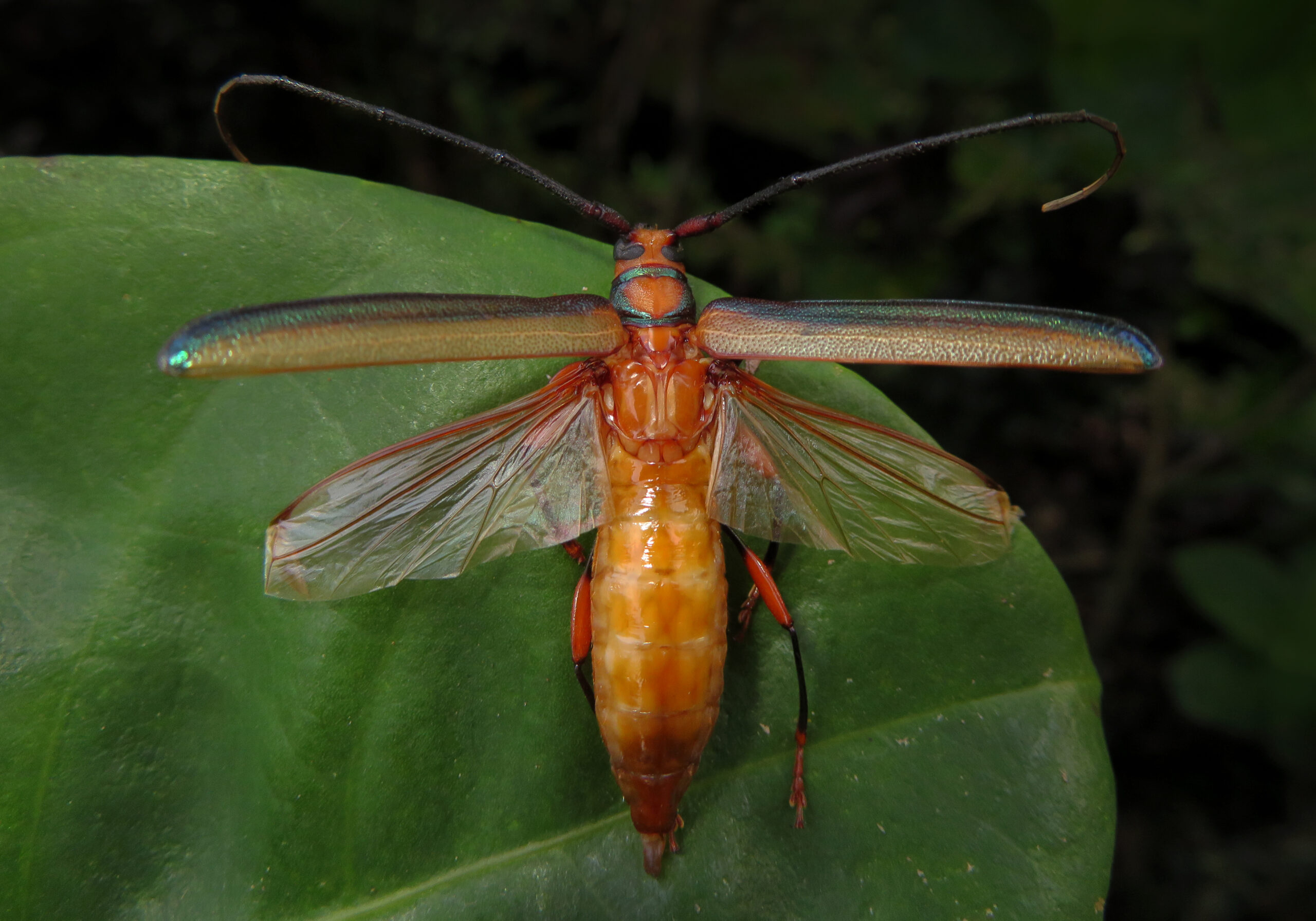
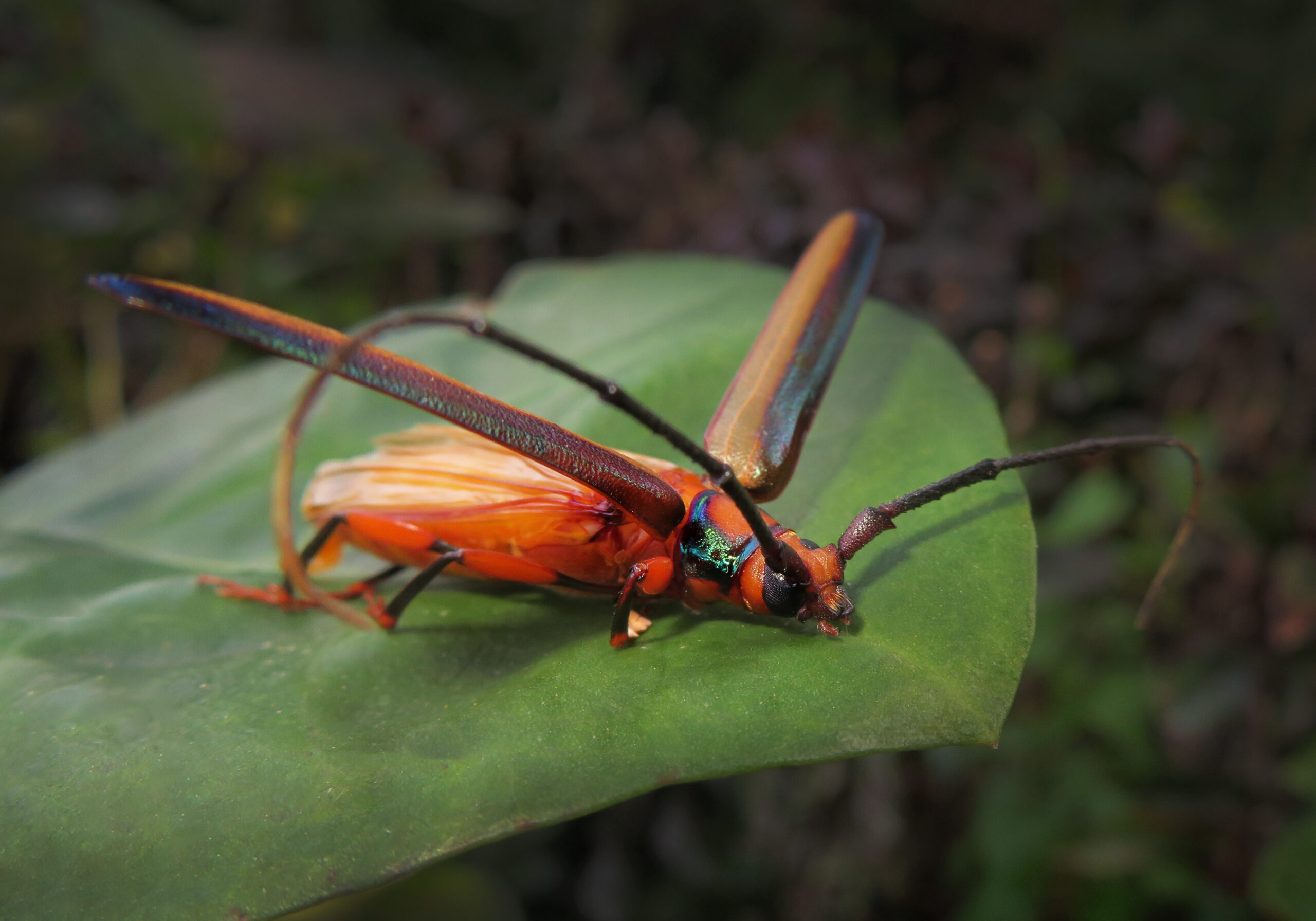
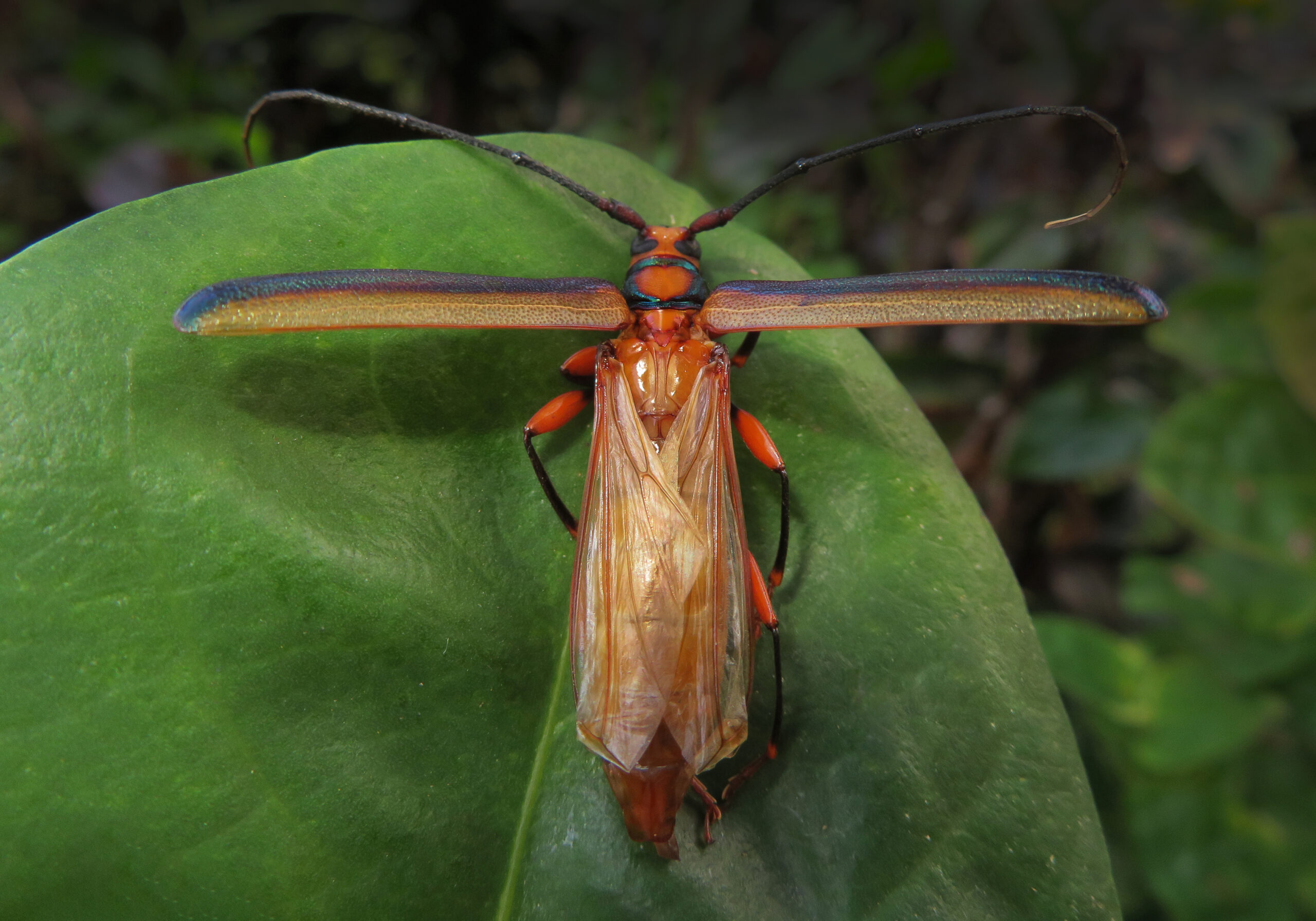
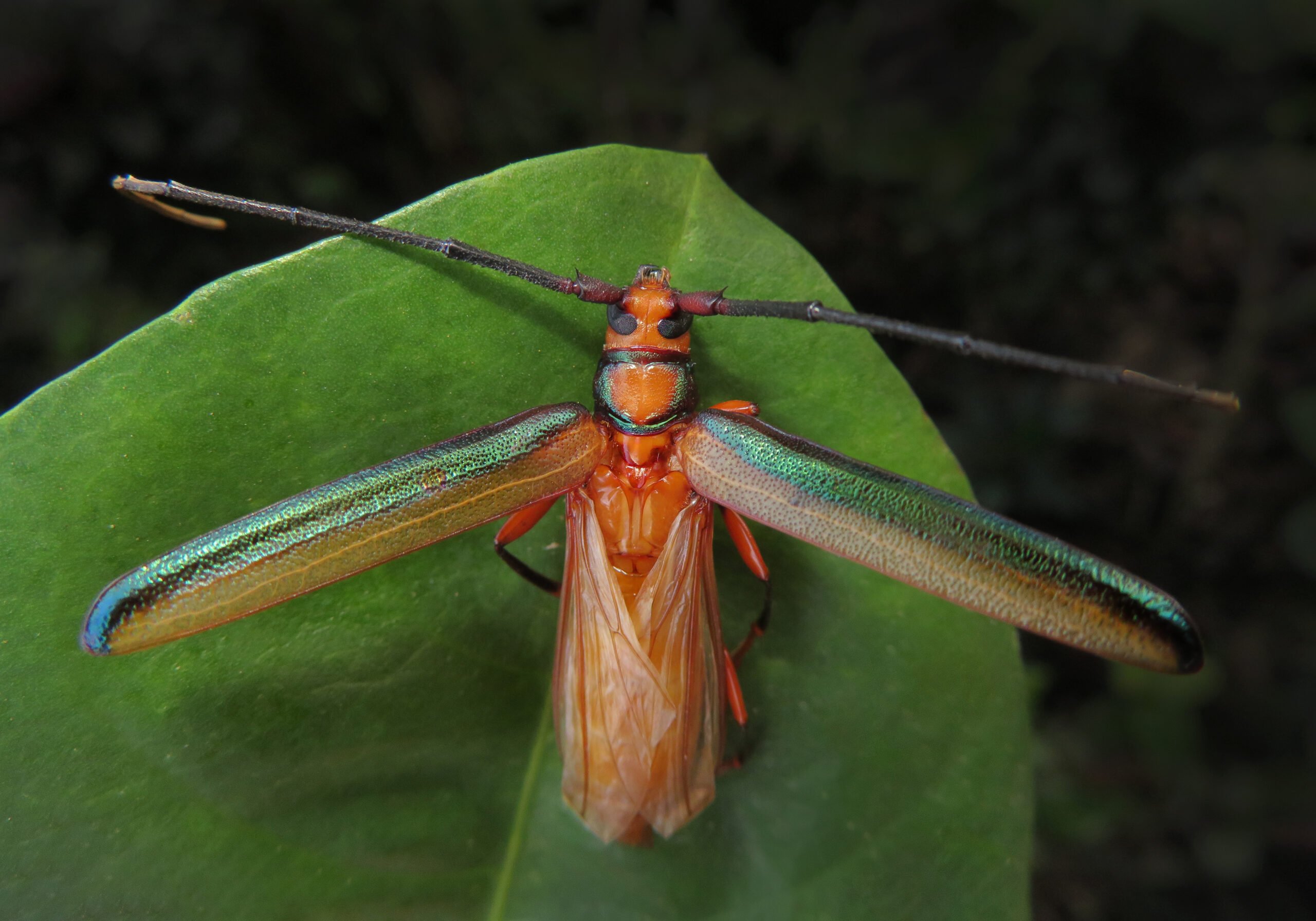
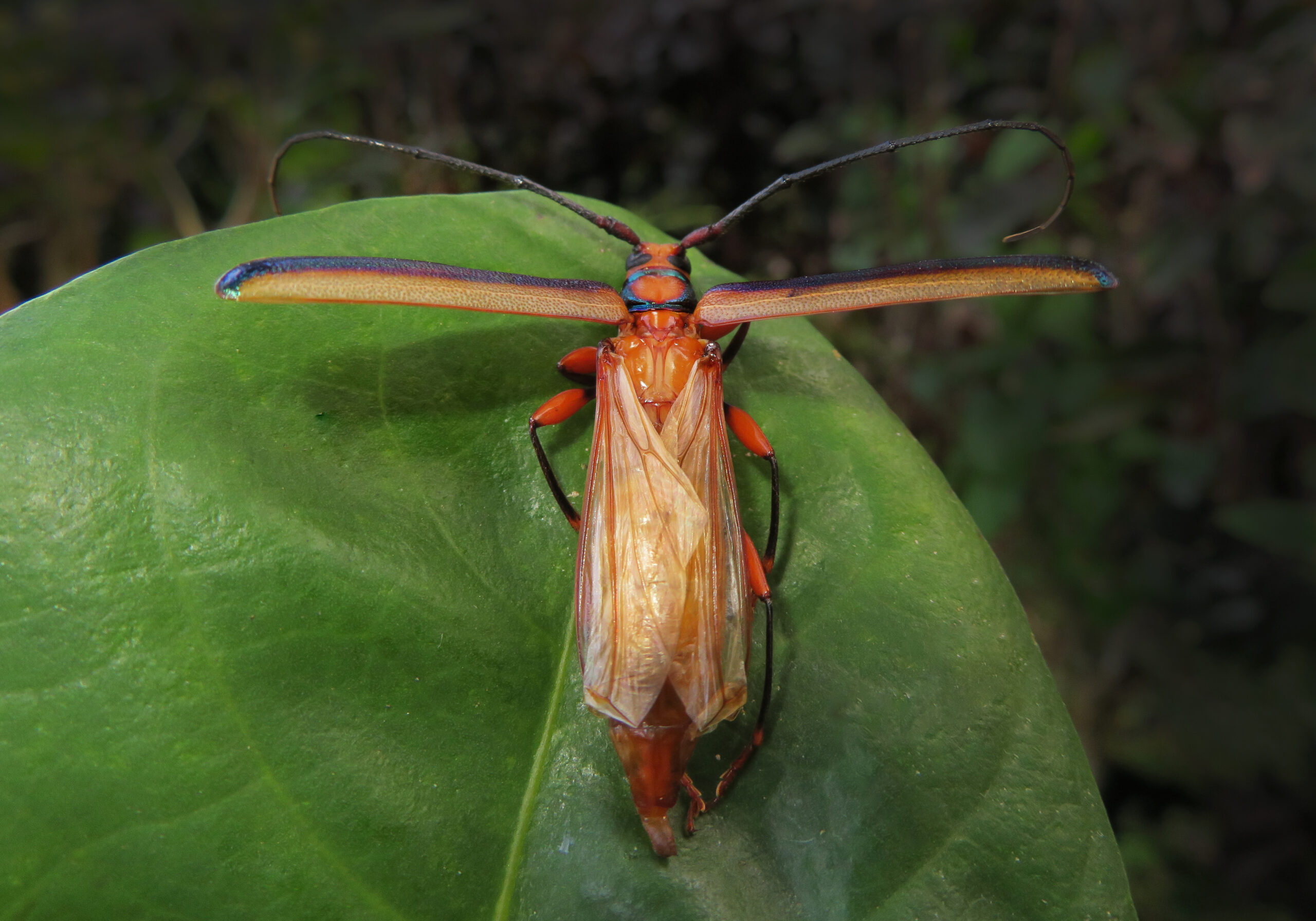
Xystrocerini is a tribe of longhorn beetles within the subfamily Cerambycinae (Family Cerambycidae, Order Coleoptera). Members of this tribe are distributed primarily throughout tropical and subtropical regions of Africa, Asia, and Oceania, where they inhabit rainforests, deciduous forests, woodlands, plantations, orchards, and other habitats containing abundant woody vegetation.
Beetles of the tribe Xystrocerini are generally medium to large in size and possess the characteristic elongated body and long, segmented antennae typical of longhorn beetles. In many species, the antennae are as long as or longer than the body, particularly in males. Body coloration is usually brown, reddish-brown, gray, or black, often with mottled patterns, pale bands, or patches that provide effective camouflage on tree bark and woody substrates.
Adults are commonly found on tree trunks, branches, fallen logs, or flowering plants. Many species are active during the day, although some are crepuscular or nocturnal. Adult feeding habits vary and may include tree sap, nectar, pollen, bark, or little feeding at all during the relatively short adult lifespan.
The life cycle involves complete metamorphosis, consisting of egg, larva, pupa, and adult stages. Females deposit eggs in cracks or beneath the bark of host trees. The larvae are legless, creamy-white wood borers that tunnel through dead, dying, or occasionally living wood, feeding on woody tissues. Larval development may require several months to several years depending on the species, host plant, and environmental conditions. Pupation occurs within the wood before the adult emerges through a circular exit hole.
The tribe includes genera such as Xystrocera, Ceresium, Xoanodera, and related taxa, several of which contain species of economic importance because they attack timber trees, shade trees, fruit trees, or plantation crops. However, many species are associated primarily with dead or decaying wood and contribute positively to forest nutrient cycling.
Ecologically, Xystrocerini beetles play an important role in forest ecosystems by accelerating the decomposition of woody material and promoting nutrient recycling. Their larval tunnels also create microhabitats for fungi and other invertebrates. Adults serve as prey for birds, reptiles, mammals, spiders, and predatory insects, while some species contribute to pollination through flower visitation. Their close association with woody vegetation makes them important components of forest biodiversity and useful indicators of habitat quality.