

Subtribe Xylotrupina
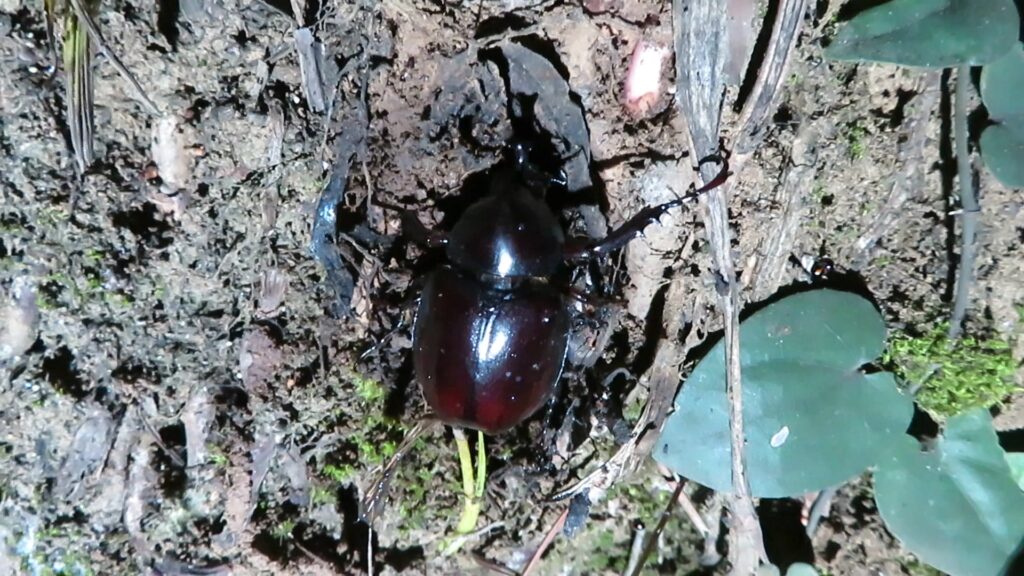
Xylotrupina is a subtribal group of rhinoceros beetles within the tribe Dynastini, subfamily Dynastinae, and family Scarabaeidae. These beetles belong to the order Coleoptera and are recognized for their robust bodies, strong legs, and prominent horns, particularly in males. The group is associated with the remarkable diversity of rhinoceros beetles found across tropical and subtropical regions, especially in the Indo-Australian region.
Members of Xylotrupina generally have compact, heavily built bodies covered by a hard exoskeleton. Their coloration is commonly glossy black, dark brown, or reddish brown, providing a distinctive appearance among forest-dwelling scarab beetles. Males often possess a prominent horn on the head and another projection on the thorax, which may be used during contests with rival males. Females typically have smaller horns or lack the elaborate structures found in males, resulting in noticeable sexual dimorphism.
One of the best-known genera associated with this group is Xylotrupes, commonly known as the rhinoceros beetles of the Indo-Australian region. Species within this genus vary in body size, horn shape, and surface sculpture. Their horns may be relatively long and curved or shorter and more robust, depending on the species and the size of the individual. These differences are important for identification and reflect adaptations associated with competition among males.
Xylotrupina beetles are primarily associated with tropical and subtropical habitats, including forests, woodland edges, plantations, and areas where decomposing plant material is available. Members of Xylotrupes occur across parts of South Asia, Southeast Asia, New Guinea, and Australia, with individual species occupying different geographic ranges. Some species can also be found in gardens, agricultural areas, and other environments modified by human activity.
The life cycle follows the typical pattern of beetles, consisting of egg, larva, pupa, and adult stages. Females deposit eggs in suitable substrates, such as rotting wood, compost, decaying vegetation, or organic-rich soil. The larvae, commonly called white grubs, have pale, curved bodies and strong mouthparts adapted for feeding on decomposing organic material. They may spend several months or longer developing before pupating and emerging as adults. Developmental duration depends on species, temperature, humidity, and food availability.
Adult beetles may feed on tree sap, fermenting fruit, and other plant-derived resources, while the larvae primarily consume decomposing organic matter. By breaking down dead plant material, the larvae contribute to nutrient cycling and the maintenance of soil fertility. Adult beetles and larvae also serve as food for birds, mammals, reptiles, and other predators, making them part of the food webs of tropical ecosystems.
Male rhinoceros beetles are notable for their strength and competitive behavior. During encounters, they may use their horns to push, lift, or dislodge rivals from feeding sites or branches. Horn size and shape can vary with body size and developmental conditions, and males often engage in contests related to mating opportunities. These behaviors make rhinoceros beetles valuable subjects for research on sexual selection, body-size variation, and the evolution of exaggerated structures.
Although many members of this group can survive in disturbed environments, their populations may be affected by deforestation, habitat degradation, pesticide use, and the removal of decaying wood and other breeding substrates. Collection for insect displays and the pet trade may also affect certain species. Maintaining suitable forest habitats and retaining natural sources of decomposing organic matter can help support their populations.
Overall, Xylotrupina represents a group of rhinoceros beetles distinguished by robust bodies, conspicuous male horns, and adaptations to tropical environments. Its members contribute to the decomposition of organic material and serve as important components of terrestrial food webs. Further taxonomic and ecological research can improve understanding of the group’s classification, species diversity, geographic distribution, and conservation needs.