

Genus Xylotrupes
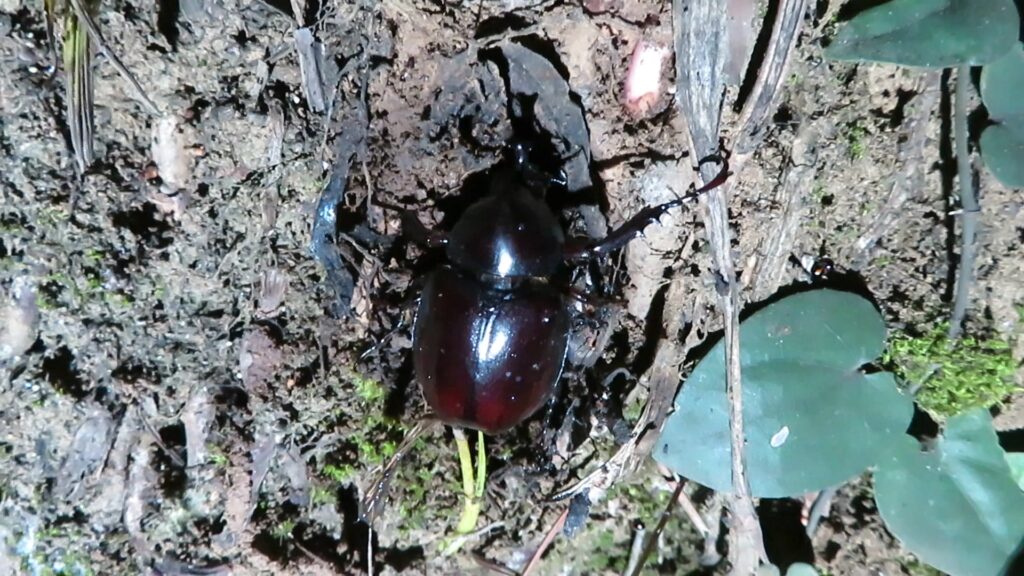
Xylotrupes is a genus of rhinoceros beetles belonging to the family Scarabaeidae, subfamily Dynastinae, and tribe Dynastini. These beetles are members of the order Coleoptera and are particularly notable for their robust bodies, glossy exoskeletons, and prominent horns in males. Commonly known as fighting rhinoceros beetles, species of Xylotrupes are distributed mainly across South Asia, Southeast Asia, New Guinea, and parts of the Australian region, where they inhabit tropical and subtropical environments.
Members of Xylotrupes generally have stout, oval-shaped bodies with a hard, shiny exoskeleton. Their coloration is usually dark brown, reddish brown, or glossy black, although subtle variations occur among species. The head and thorax are heavily built, while the legs are strong and equipped with claws that help the beetles grip bark, branches, and other surfaces. Their overall body structure is well suited to life in forests and other habitats where they encounter trees, decaying vegetation, and organic-rich substrates.
One of the most distinctive characteristics of Xylotrupes is the presence of horns in males. Adult males typically possess a prominent horn on the head and a second projection on the thorax, although their shape and size vary among species and individuals. These horns are used during contests with rival males, particularly when competing for access to females or suitable feeding sites. During such encounters, males may push, lift, or dislodge opponents using their horns and powerful legs. Females generally have smaller horns or lack the elaborate projections seen in males, resulting in pronounced sexual dimorphism.
Species of Xylotrupes occupy a range of habitats, including tropical forests, secondary woodland, forest edges, plantations, gardens, and agricultural landscapes. They are often associated with areas where decaying plant matter and suitable breeding substrates are available. Some species can persist in human-modified environments, particularly where trees, compost, rotting logs, or other sources of organic material remain accessible. Their distribution and habitat preferences vary according to species and local environmental conditions.
The life cycle of Xylotrupes follows the typical pattern of beetles, consisting of egg, larva, pupa, and adult stages. Females lay eggs in suitable organic substrates, such as decaying wood, compost, rotting vegetation, or nutrient-rich soil. The larvae, commonly called white grubs, have pale, curved bodies, brown head capsules, and strong mouthparts adapted for feeding on decomposing plant material. They develop through several larval stages before forming a pupal chamber, where metamorphosis takes place. The duration of development depends on temperature, humidity, food availability, and the species involved.
Adult Xylotrupes beetles may feed on tree sap, fermenting fruit, and other plant-derived resources. Their larvae primarily consume decomposing organic matter, helping break down dead vegetation and recycle nutrients into the soil. Through this activity, they contribute to decomposition processes and support the functioning of tropical ecosystems. The beetles and their immature stages also provide food for birds, reptiles, mammals, and other predators.
Several species are recognized within the genus, including Xylotrupes gideon, one of the best-known rhinoceros beetles in Southeast Asia and the surrounding region. This species displays the characteristic robust body and prominent horns of male Xylotrupes. Other members of the genus differ in body proportions, horn shape, surface sculpture, and geographic distribution. Accurate identification often requires examination of these anatomical features because closely related species can appear very similar.
The genus is of interest to entomologists because of its horn development, sexual dimorphism, and male combat behavior. Differences in horn size and shape can be associated with body size and competitive ability, making these beetles useful for studies of sexual selection and the evolution of exaggerated structures. Their relatively conspicuous appearance has also made some species popular among insect enthusiasts and collectors.
Although many Xylotrupes species occur in a variety of habitats, deforestation, habitat degradation, pesticide use, and the removal of decaying wood can reduce suitable breeding sites. Collection for the insect trade may also affect some local populations. Maintaining natural vegetation and retaining appropriate sources of decomposing organic matter can help preserve the habitats required for their development.
Overall, Xylotrupes is a distinctive genus of rhinoceros beetles characterized by its strong body, glossy coloration, prominent male horns, and competitive behavior. Its members are important components of tropical ecosystems, particularly through the role of their larvae in decomposing organic matter and recycling nutrients. Their striking morphology and fascinating behavior make them notable representatives of the diverse subfamily Dynastinae.