Bali Wildlife
Every Spices Matter


Viciriini is a tribe of jumping spiders within the family Salticidae and subfamily Salticinae. The tribe is primarily distributed in the Old World tropics, with species occurring across South and Southeast Asia, East Asia, Africa, and Australia. Members of Viciriini are most commonly found on vegetation, tree trunks, and shrubs in forested and semi-open habitats, but some species also occur in gardens and other human-modified environments.
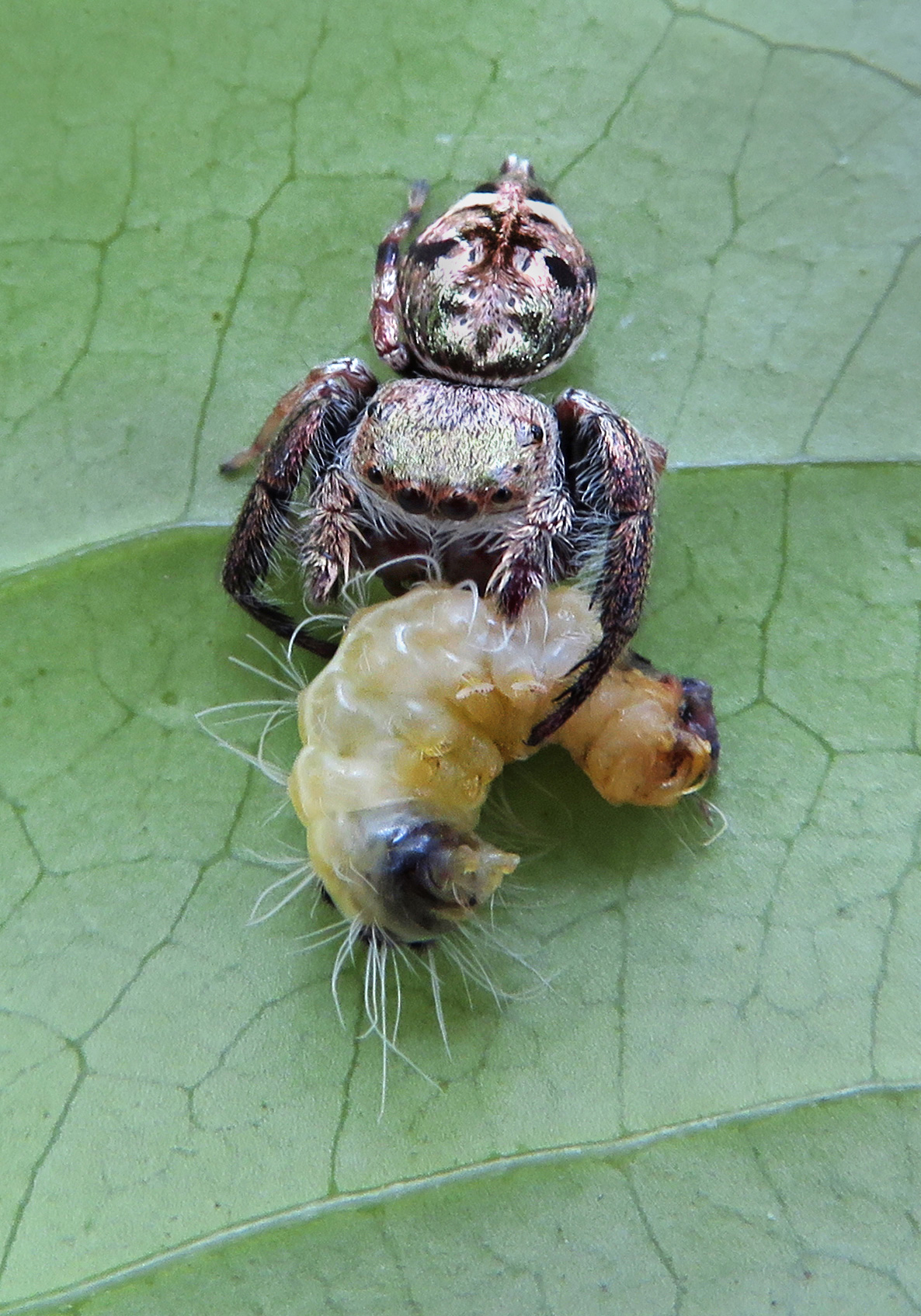
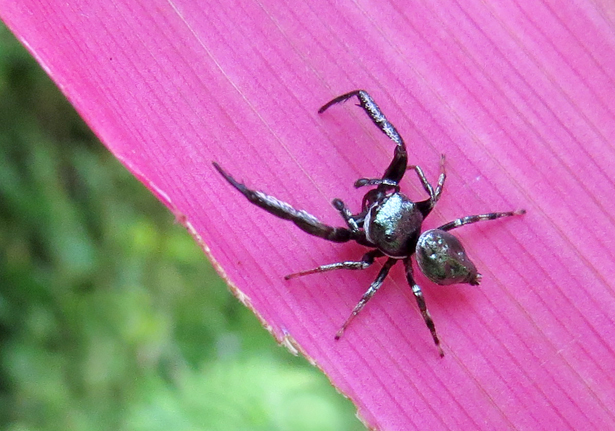
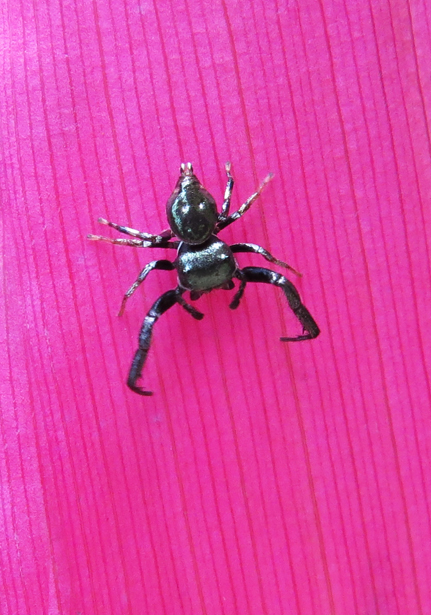
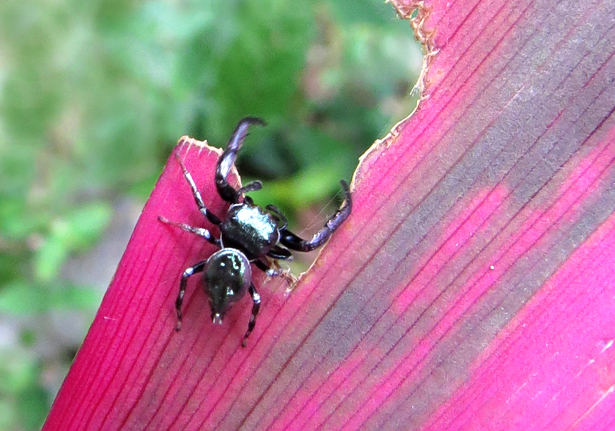
Spiders of the tribe Viciriini are generally small to medium-sized and exhibit a wide range of body forms, from compact to moderately elongated. Coloration varies among genera and species and may include earthy browns and grays for camouflage, as well as brighter or patterned forms with contrasting markings. The cephalothorax is typically moderately high, and the abdomen may be oval or elongate, often bearing species-specific patterns.
Morphologically, Viciriini are defined by distinctive features of the male palpal organs and the female epigyne, which are critical for identifying genera and species within the tribe. These structures show considerable diversity, reflecting the evolutionary radiation of the group. Legs are usually well developed for jumping and maneuvering on plant surfaces, with the first pair sometimes used in courtship displays.
Behaviorally, Viciriini are active, diurnal visual predators. Like other jumping spiders, they do not spin capture webs but hunt by stalking prey and capturing it with a rapid leap. Courtship behavior typically involves visual signals such as leg movements, body postures, and short display sequences that facilitate mate recognition.
Ecologically, species of Viciriini play an important role as predators of small insects and other arthropods in terrestrial ecosystems. The tribe includes several genera of regional significance, such as Viciria and related forms, and represents a diverse component of the jumping spider fauna in tropical and subtropical regions.