Bali Wildlife
Every Spices Matter


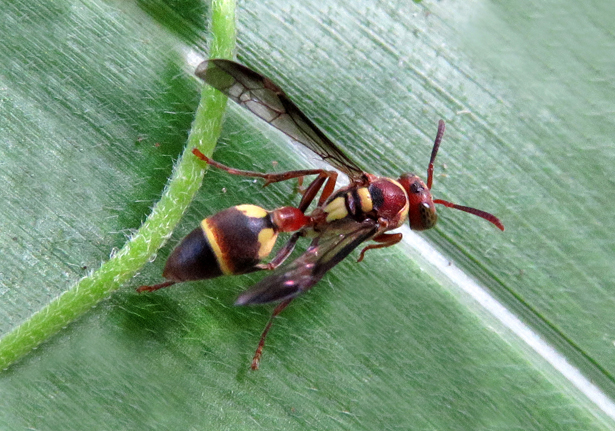
Vespoidea is a major superfamily within the order Hymenoptera, comprising a diverse group of wasps and their relatives, including social wasps, solitary wasps, and some ant-like lineages. Members of Vespoidea are distributed worldwide and occupy a wide range of habitats, from forests and grasslands to deserts and urban environments.
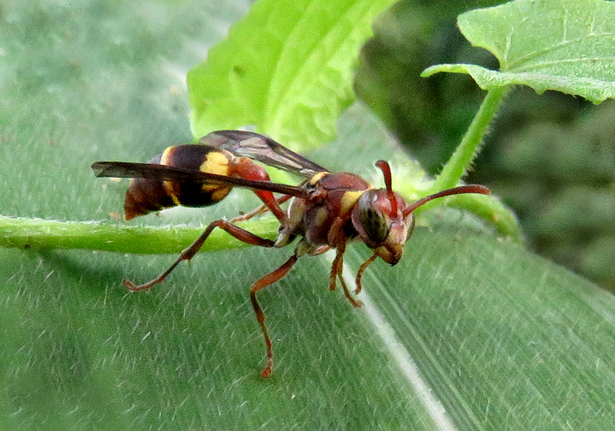
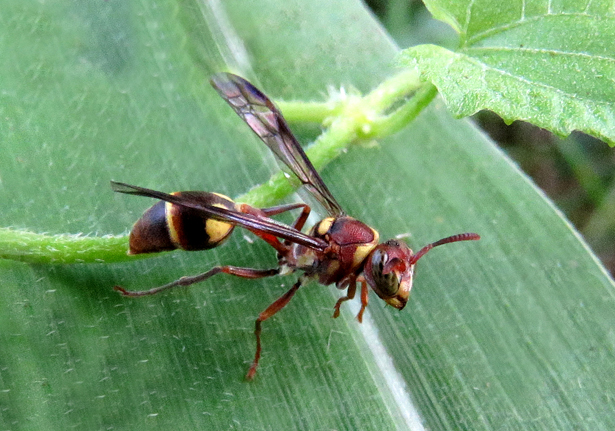
Vespoid wasps are generally characterized by a well-defined body divided into head, thorax, and abdomen, with a narrow constriction (petiole) between the thorax and abdomen. They possess two pairs of membranous wings, strong mandibles, and antennae that are often relatively long and segmented. Many species have a functional stinger derived from the ovipositor, used for defense or subduing prey.
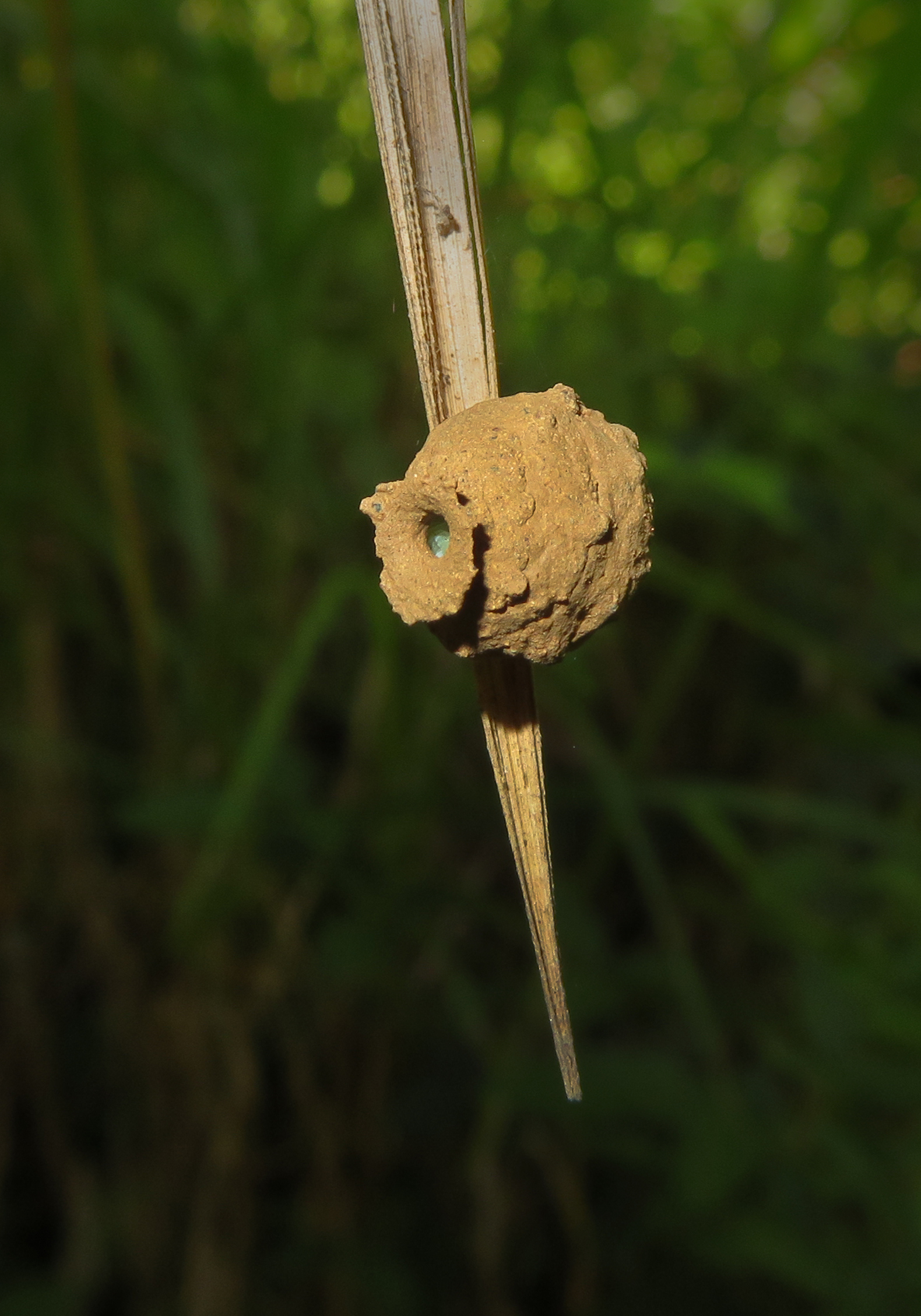
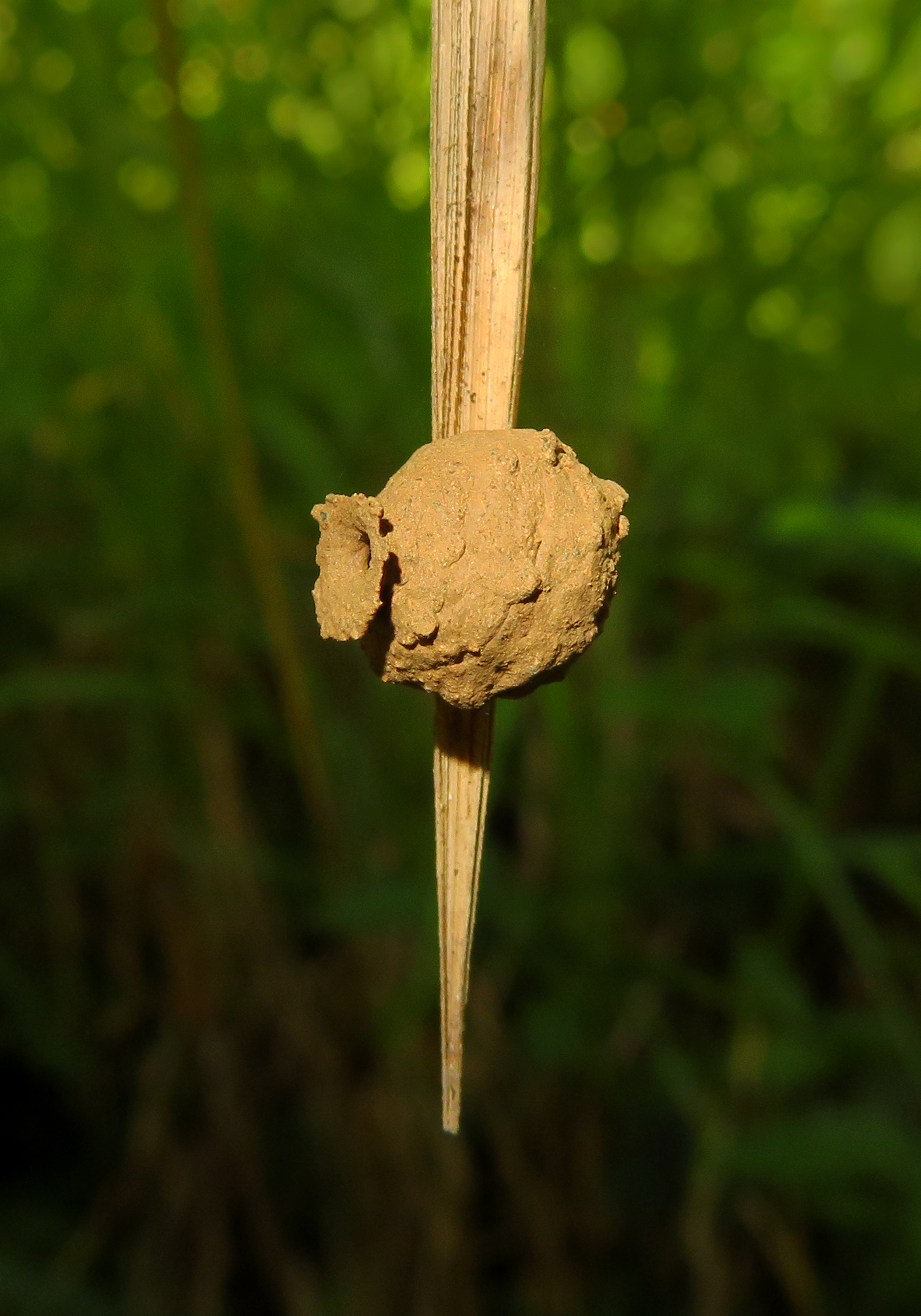
The superfamily includes a wide range of lifestyles and behaviors. Some groups, such as the family Vespidae (paper wasps, hornets, and yellowjackets), exhibit advanced social behavior, forming colonies with division of labor among queens, workers, and males. Other groups, such as Eumeninae (potter wasps), are solitary and construct individual nests, often using mud or plant material.
Feeding habits vary widely. Many vespoid wasps are predators, capturing insects or spiders to provision their larvae. Adults may also feed on nectar, fruit, or other sugary substances. Some groups are parasitoids, developing within or on other insects.
The life cycle involves complete metamorphosis, with egg, larval, pupal, and adult stages. Nesting behavior ranges from complex paper nests in social species to simple burrows or constructed cells in solitary forms.
Vespoidea includes several families, such as Vespidae (social and solitary wasps), Mutillidae (velvet ants), Pompilidae (spider wasps), and others, each exhibiting unique adaptations and ecological roles.
Ecologically, Vespoidea plays an important role in regulating insect populations through predation and parasitism. Many species also contribute to pollination by visiting flowers. While some species can be defensive or sting when disturbed, they are essential components of ecosystems, contributing to biodiversity, pest control, and ecological balance.