Bali Wildlife
Every Spices Matter


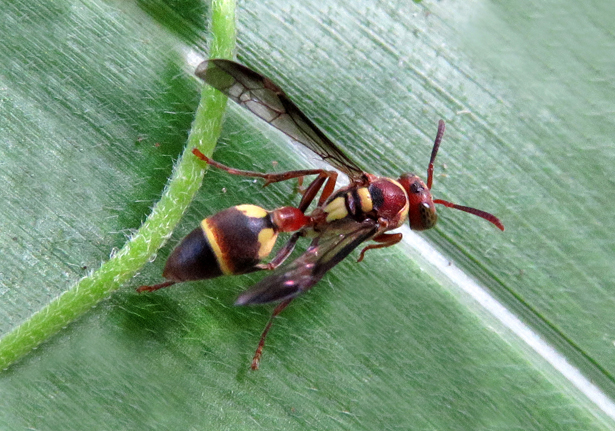
Vespidae is a diverse and widespread family within the superfamily Vespoidea (Order Hymenoptera), comprising social and solitary wasps such as paper wasps, hornets, yellowjackets, and potter wasps. Members of this family are distributed worldwide and inhabit a wide range of environments, from forests and grasslands to urban and agricultural areas.
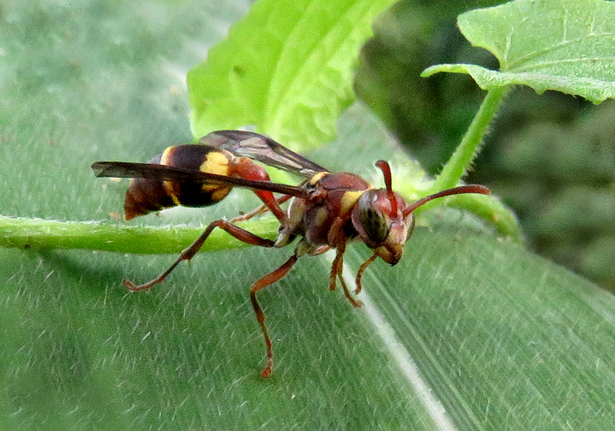
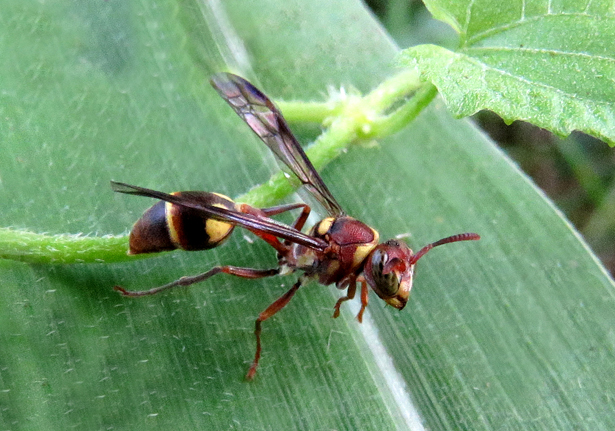
Vespid wasps are generally medium to large insects characterized by a well-defined body with a narrow waist (petiole) connecting the thorax and abdomen. They have two pairs of membranous wings, strong mandibles, and relatively long, segmented antennae. Many species exhibit bold coloration, often with black and yellow patterns that serve as warning signals to predators.
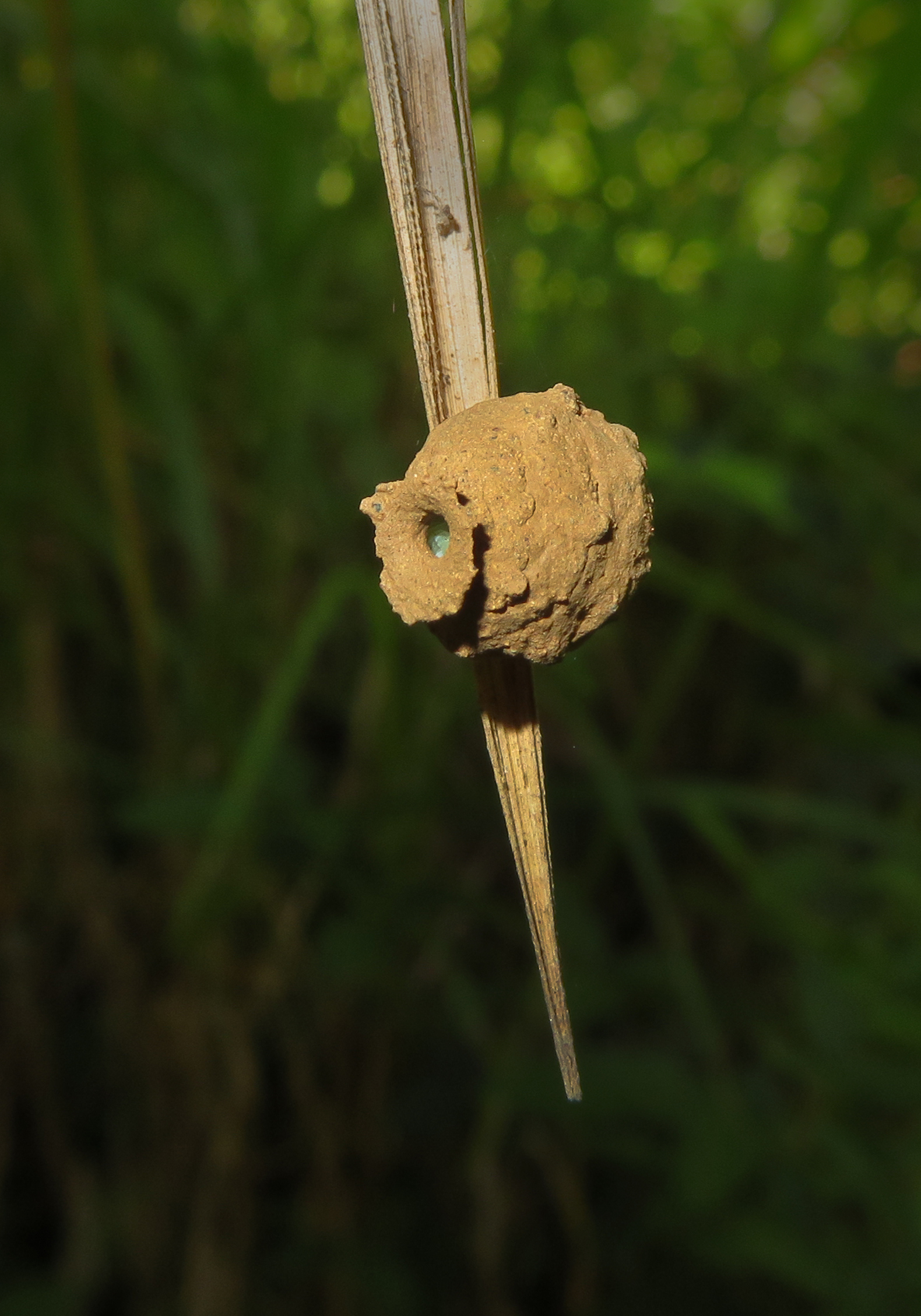
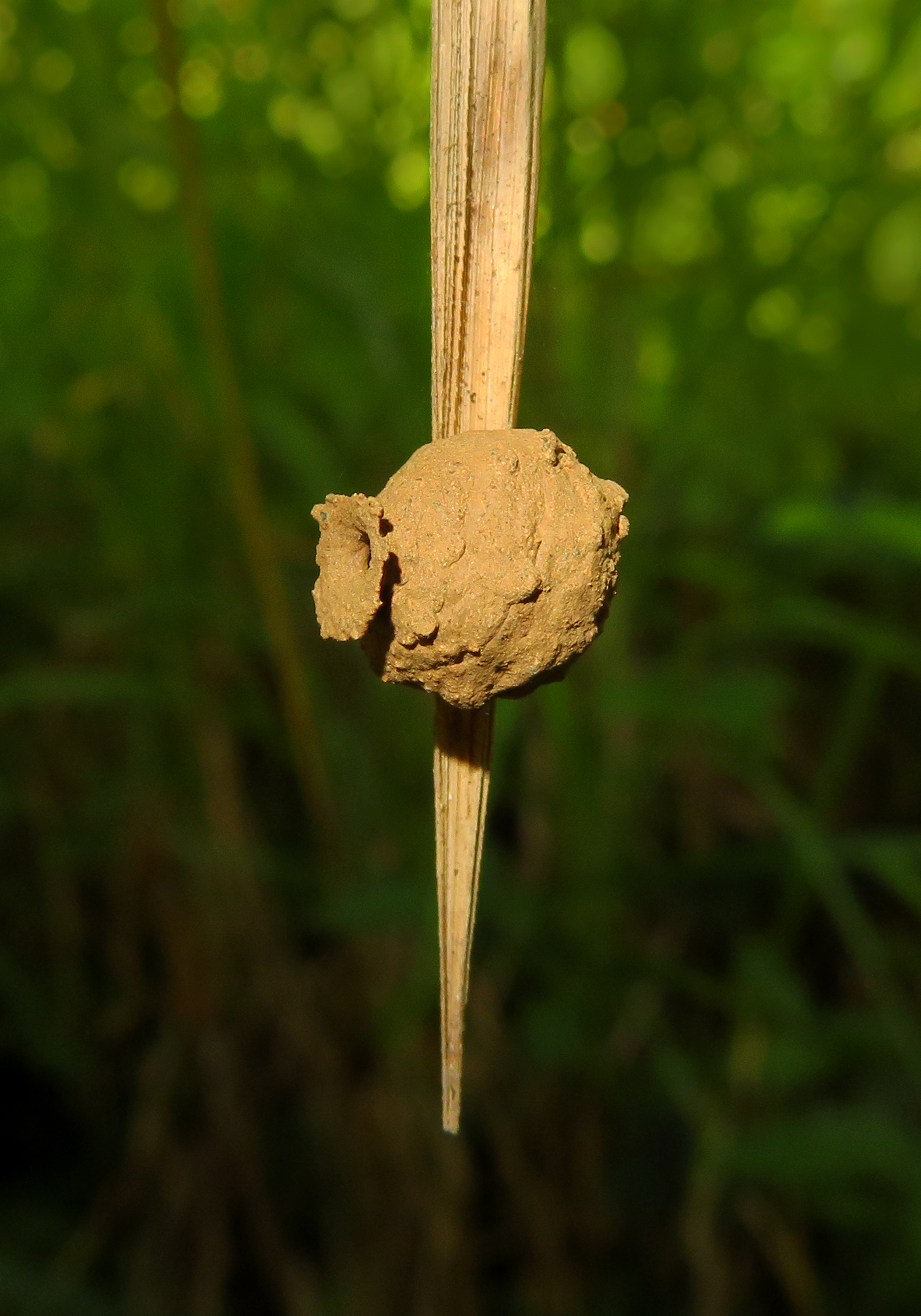
The family Vespidae includes both highly social and solitary species. Social wasps, such as those in the genera Vespula, Vespa, and Polistes, form colonies with a division of labor among queens, workers, and males. These colonies construct nests made from paper-like material produced by chewing plant fibers mixed with saliva. Solitary wasps, such as potter wasps (subfamily Eumeninae), build individual nests, often using mud or plant material.
The life cycle involves complete metamorphosis. Females lay eggs in nest cells, and larvae are provisioned with food by adults. In social species, workers care for the developing brood, while in solitary species, the female provisions each cell before sealing it.
Feeding habits vary between life stages. Larvae are typically fed protein-rich prey such as insects or spiders, while adults often consume nectar, fruit, or other sugary substances. This dual diet allows vespids to function both as predators and occasional pollinators.
Ecologically, Vespidae play a significant role in controlling insect populations through predation, helping to regulate pests in natural and agricultural systems. They also contribute to pollination when visiting flowers. Although some species can be aggressive and capable of stinging in defense, they are important components of ecosystems and biodiversity.