Bali Wildlife
Every Spices Matter


Vespertilionoidea is a major superfamily within the suborder Yangochiroptera (Order Chiroptera), comprising a diverse group of echolocating bats often referred to as vesper bats and their close relatives. Members of this superfamily are widely distributed across the world and occur in a wide range of habitats, including forests, grasslands, wetlands, caves, and urban environments.
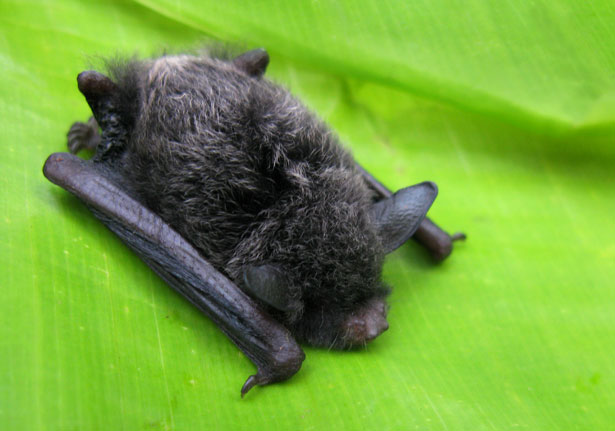
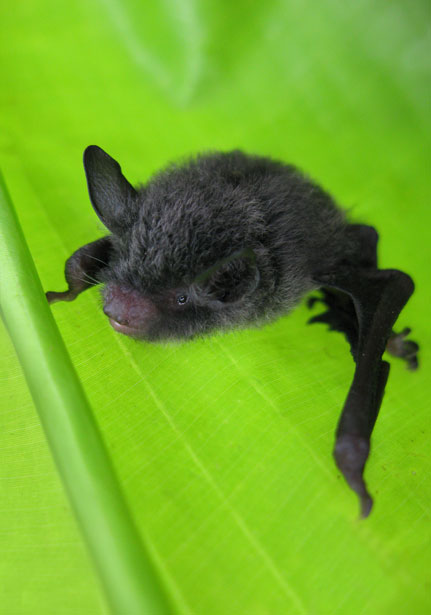
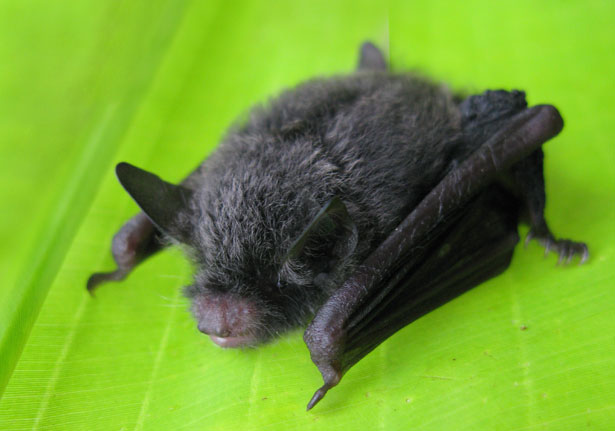
Bats of Vespertilionoidea are generally small to medium-sized and are characterized by a relatively simple facial structure compared to some other bat groups, lacking elaborate nose leaves. They typically have well-developed ears, often large relative to body size, which play an important role in echolocation. The eyes are usually small, reflecting their reliance on sound rather than vision.
Echolocation is a defining feature of this group. These bats emit ultrasonic calls and interpret the returning echoes to navigate and locate prey, allowing them to hunt efficiently in darkness.
Feeding habits are primarily insectivorous. Most species feed on flying insects such as moths, beetles, flies, and mosquitoes. They often forage in open air, along forest edges, or near water, where insect activity is high.
The life cycle follows typical mammalian reproduction. Females usually give birth to one or two offspring, and young bats are cared for in roosts such as caves, tree hollows, buildings, or other sheltered locations. Many species form colonies, especially during breeding or hibernation periods.
The superfamily includes several families, with Vespertilionidae (evening bats) being the most prominent and species-rich. Other related families may vary depending on classification systems.
Ecologically, Vespertilionoidea plays a vital role in controlling insect populations, making them highly beneficial in both natural ecosystems and agriculture. By consuming large numbers of insects, they help reduce pest populations and contribute to ecological balance. Their adaptability and widespread distribution make them one of the most important groups of bats worldwide.