Bali Wildlife
Every Spices Matter


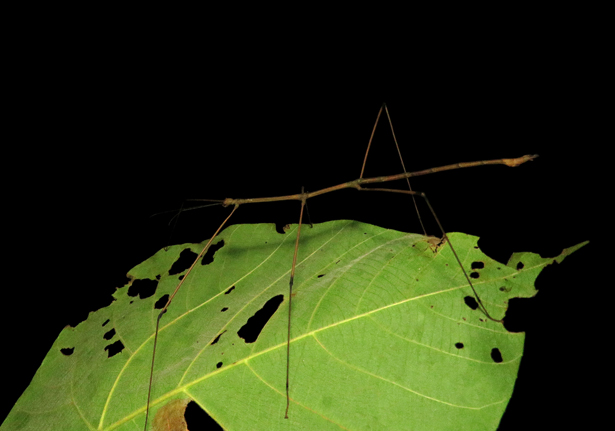
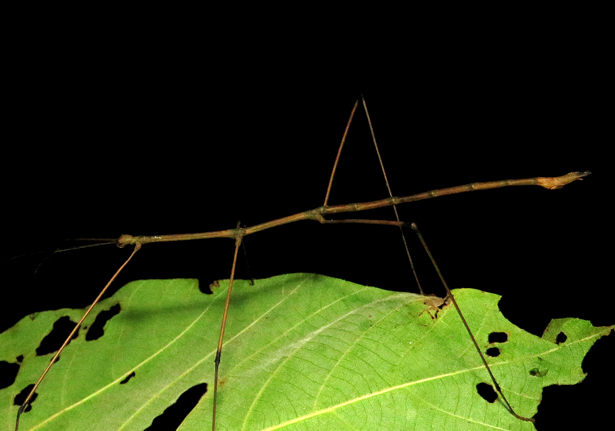
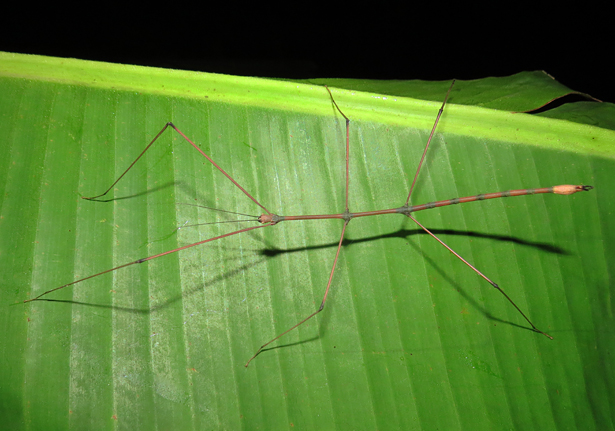
Verophasmatodea is the principal and more derived suborder of the order Phasmida, encompassing the vast majority of extant stick insects and leaf insects. Members of this suborder are distributed worldwide, with highest diversity in tropical and subtropical regions, especially in forested habitats rich in woody and leafy vegetation.
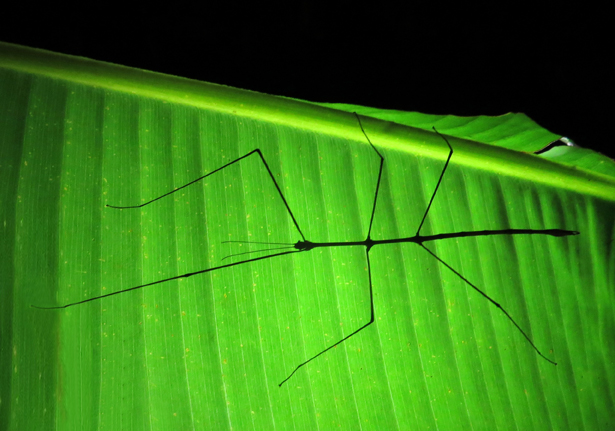
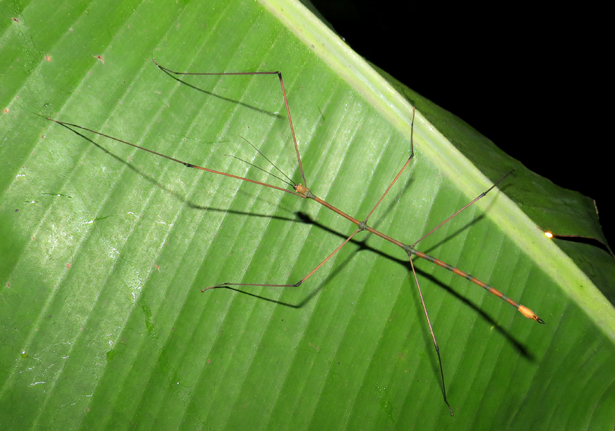
Insects of Verophasmatodea exhibit the classic phasmid body forms, including extremely elongated, stick-like shapes and broad, leaf-like morphologies. Body size ranges from small, slender species to very large and heavy-bodied forms. Coloration is typically cryptic, dominated by greens, browns, and grays, often enhanced by surface textures that resemble bark, twigs, or leaf venation. Sexual dimorphism is common, with females usually larger and more robust than males.
Wings in Verophasmatodea are highly variable. Some species are fully winged, with well-developed tegmina and hind wings, while others are partially winged or completely wingless. When present, wings may be used for limited flight, gliding, or sudden defensive displays. Many species possess additional defensive adaptations such as spines, strong legs, chemical spray glands, and the ability to autotomize limbs.
Verophasmatodea undergo hemimetabolous development. Eggs are often distinctive and species-specific in shape, surface sculpture, and operculum structure, frequently resembling seeds. Females typically deposit eggs by dropping them to the forest floor, although some species glue or insert eggs into soil, bark, or plant tissue.
Ecologically, Verophasmatodea are strictly phytophagous, feeding mainly on leaves of trees and shrubs. They play an important role as herbivores in forest ecosystems and serve as prey for birds, reptiles, and other predators. The suborder includes most modern families of Phasmida, such as Phasmatidae, Diapheromeridae, and Phylliidae, reflecting the great diversity and evolutionary success of this lineage.