Bali Wildlife
Every Spices Matter


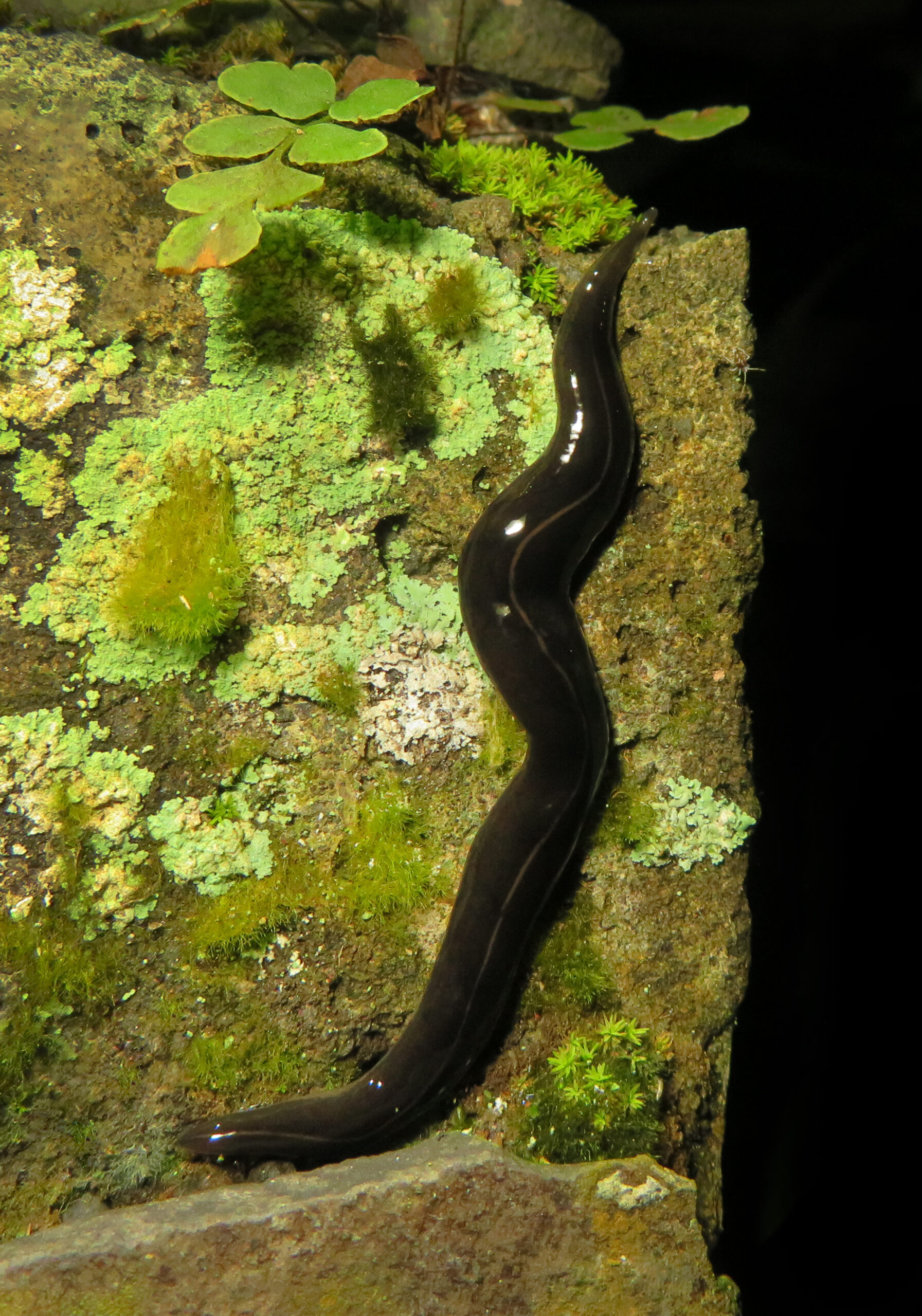
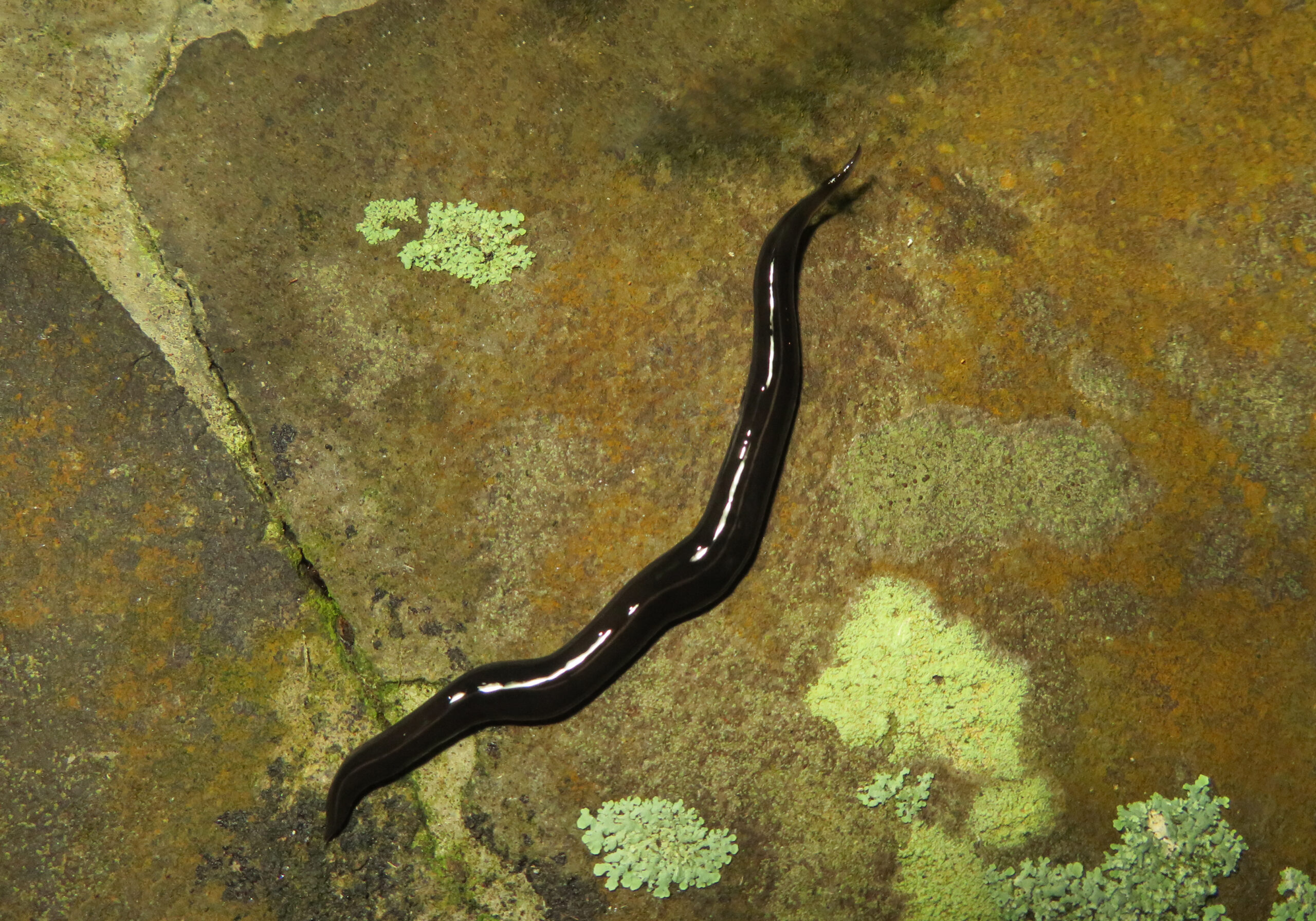
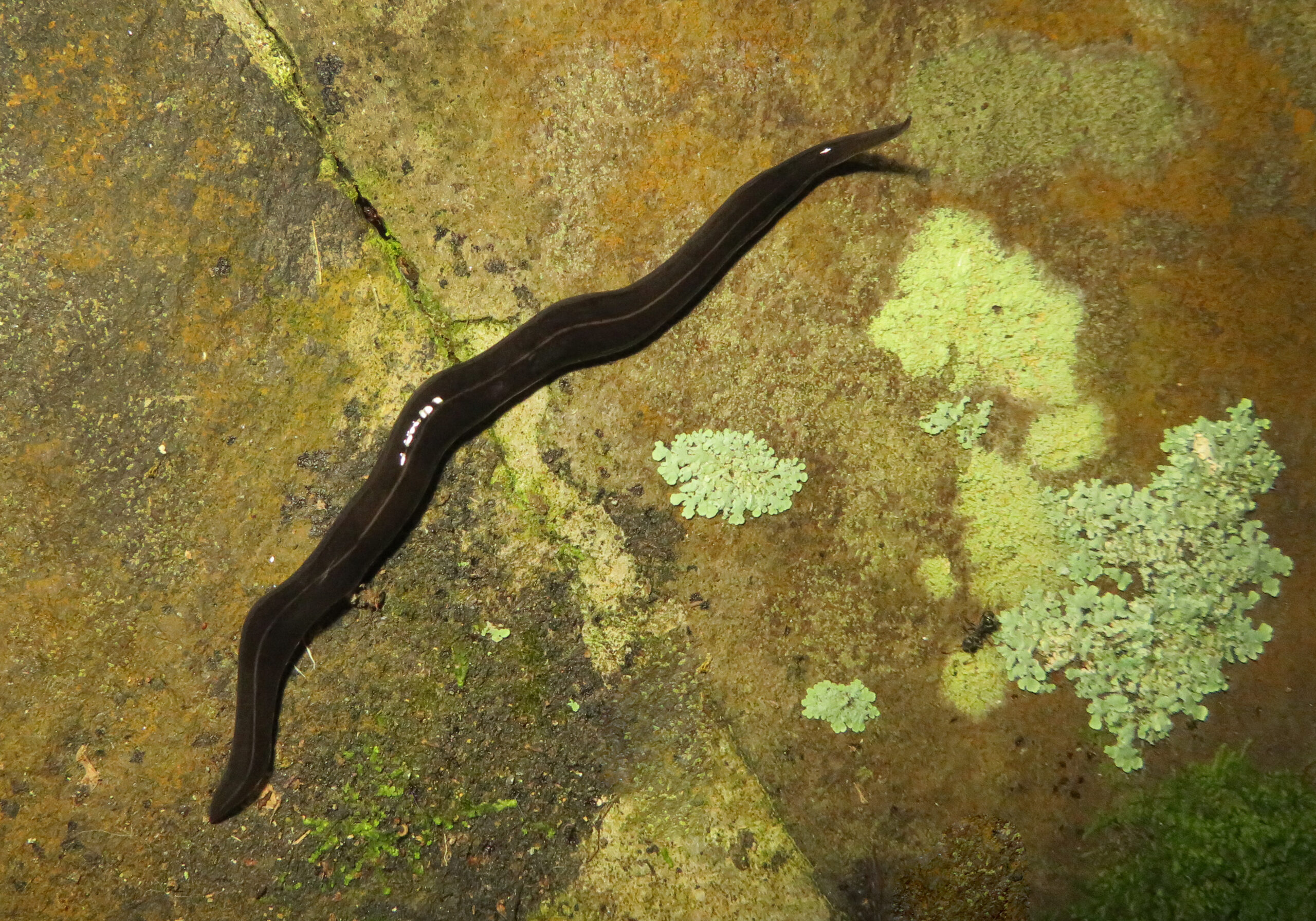
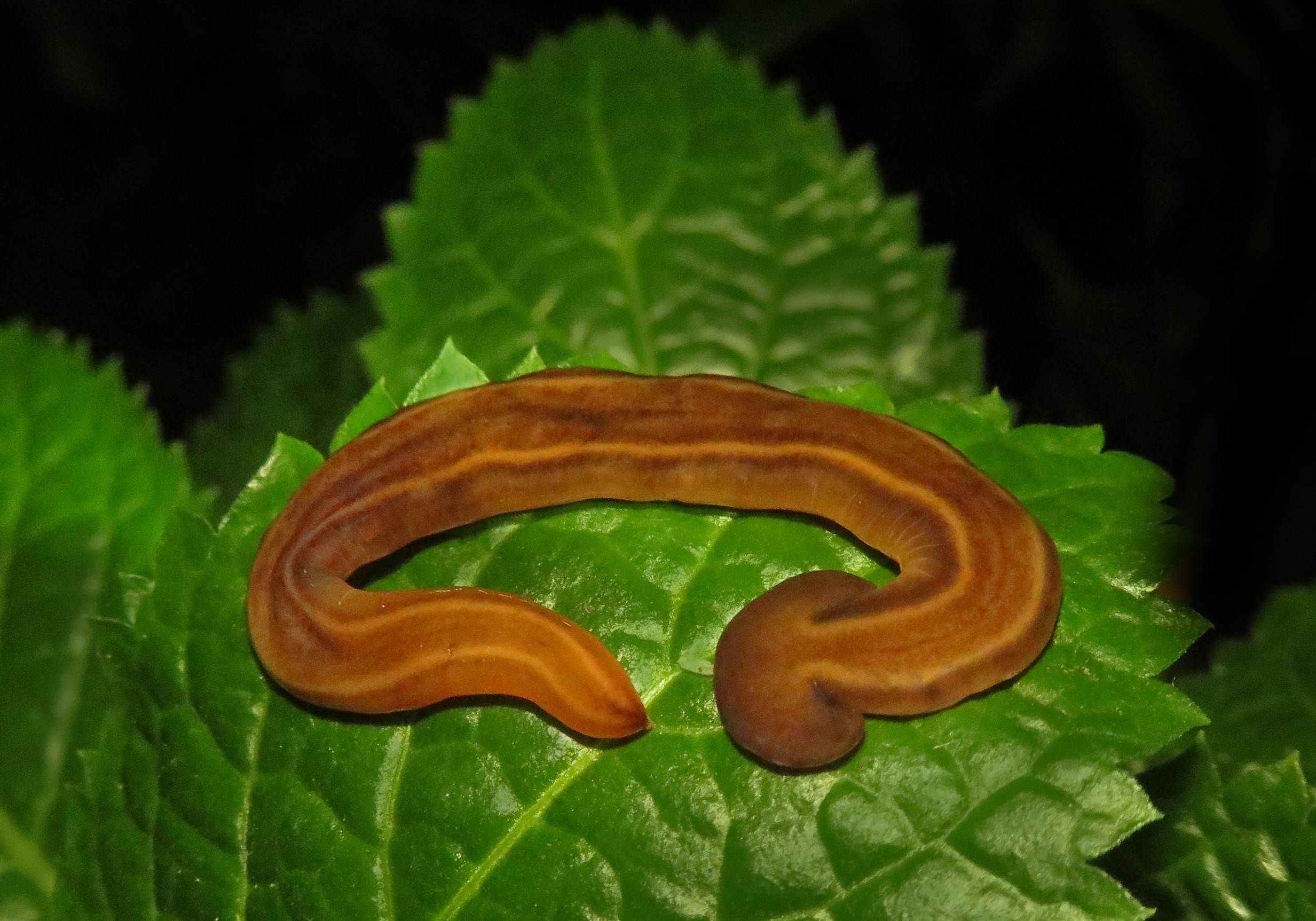
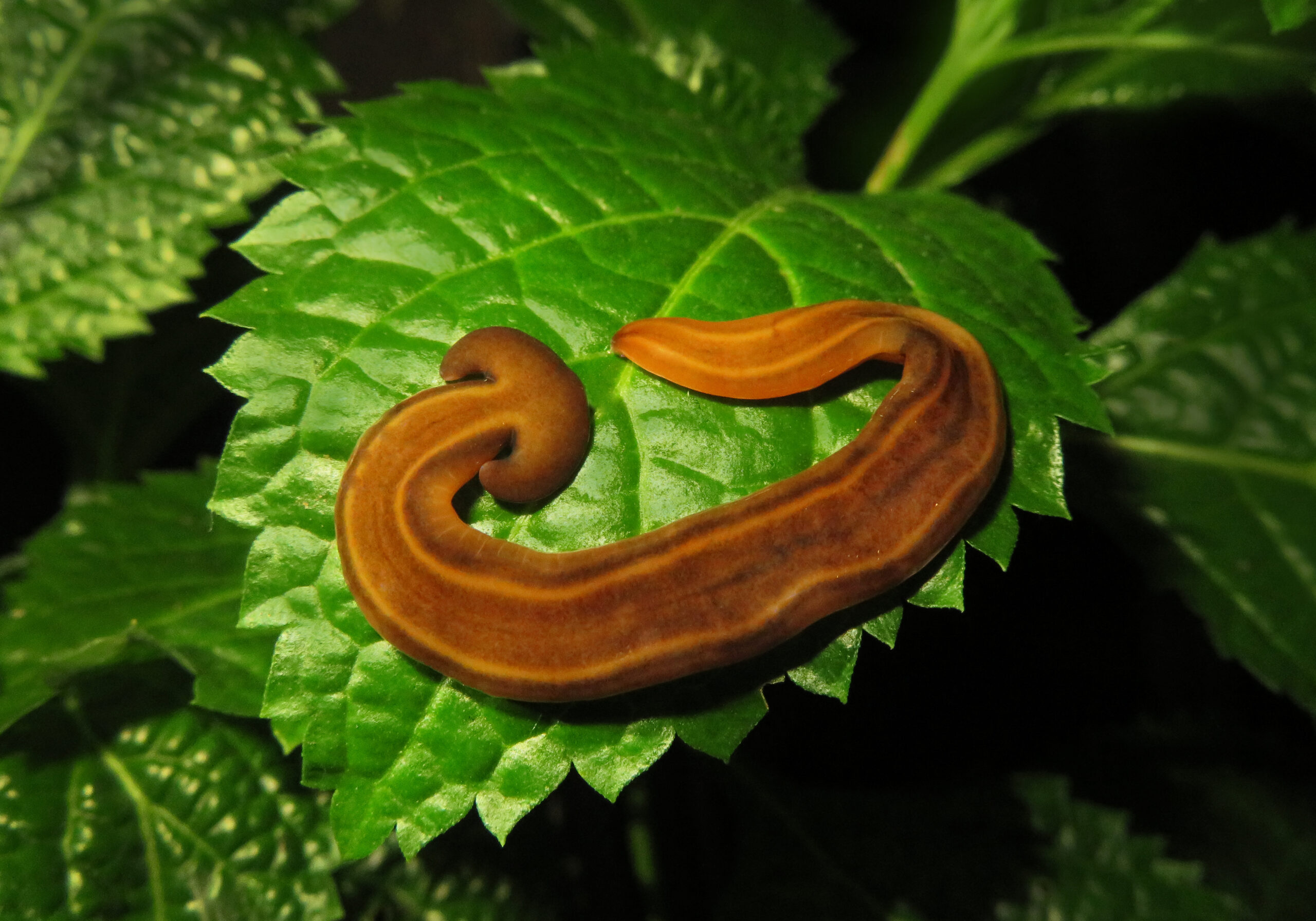
Tricladida is an order of free-living flatworms within the subphylum Rhabditophora, phylum Platyhelminthes. Members of this order are commonly known as planarians and are especially well known for their remarkable regenerative abilities.
The name Tricladida refers to the characteristic three-branched (triclad) intestine found in these worms. The digestive cavity typically consists of one anterior and two posterior branches, which distribute nutrients throughout the body due to the absence of a circulatory system.
Triclads are dorsoventrally flattened, bilaterally symmetrical, and usually small to medium in size, though some tropical species can grow much larger. Most species possess a distinct head region with paired eyespots and lateral sensory lobes called auricles. Locomotion occurs by ciliary gliding over a layer of mucus secreted by the epidermis.
This order includes species inhabiting freshwater, marine, and terrestrial environments. Freshwater planarians are among the most studied due to their extraordinary capacity for regeneration, being able to reconstruct entire bodies from small fragments.
Reproduction in Tricladida can be sexual, with most species being hermaphroditic, or asexual through transverse fission followed by regeneration. Ecologically, they function primarily as predators of small invertebrates and as scavengers in aquatic and moist terrestrial ecosystems.