Bali Wildlife
Every Spices Matter


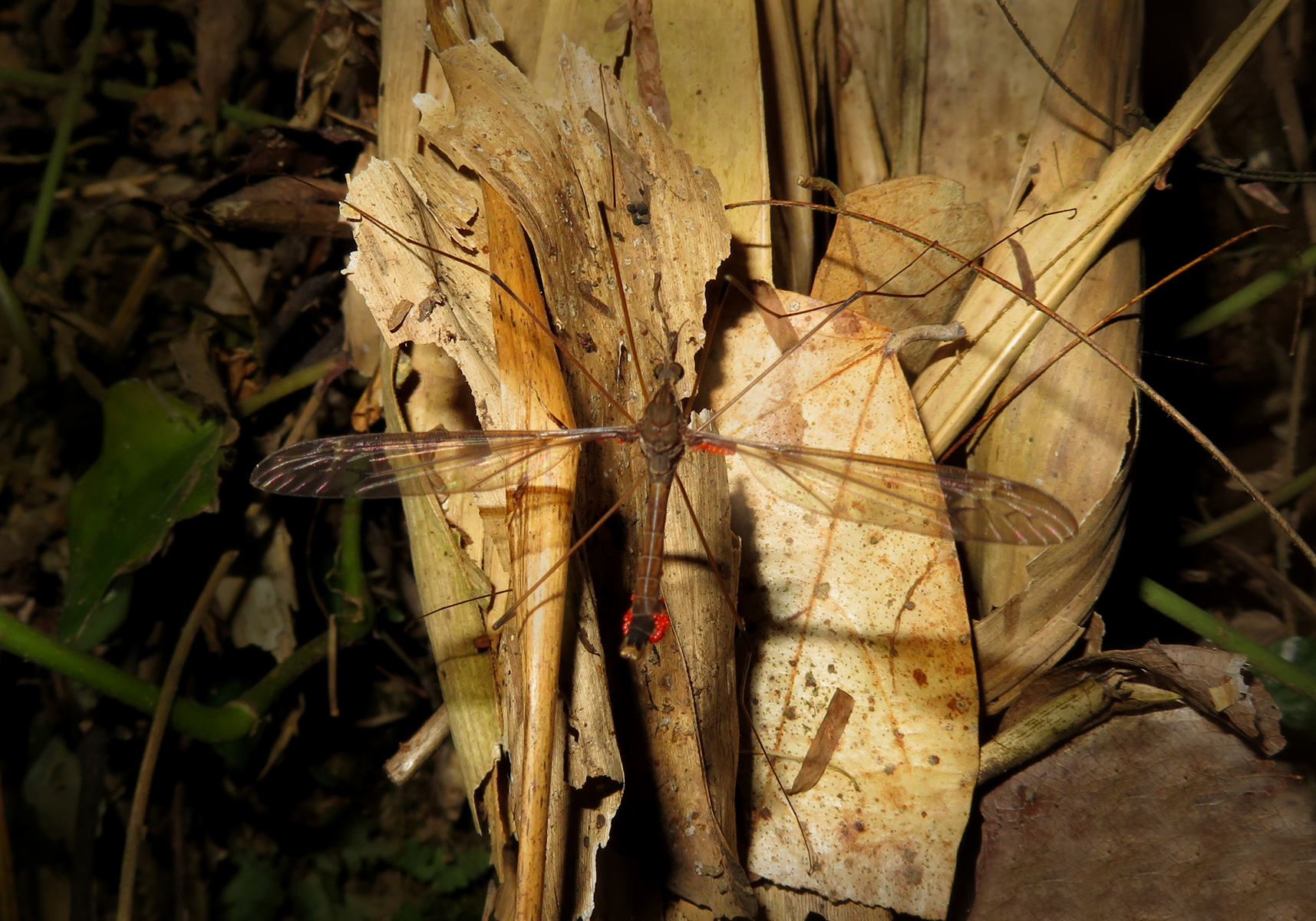
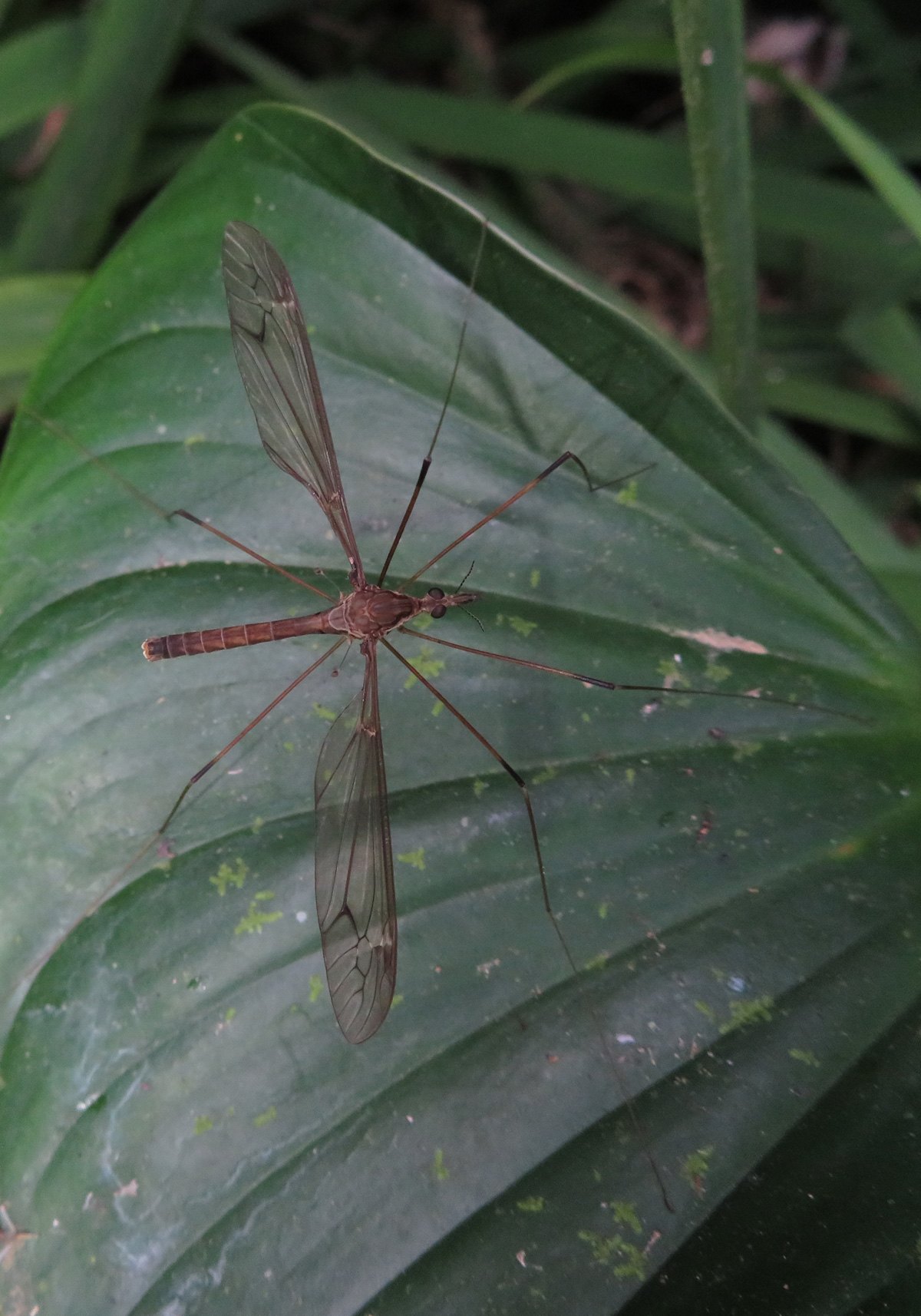
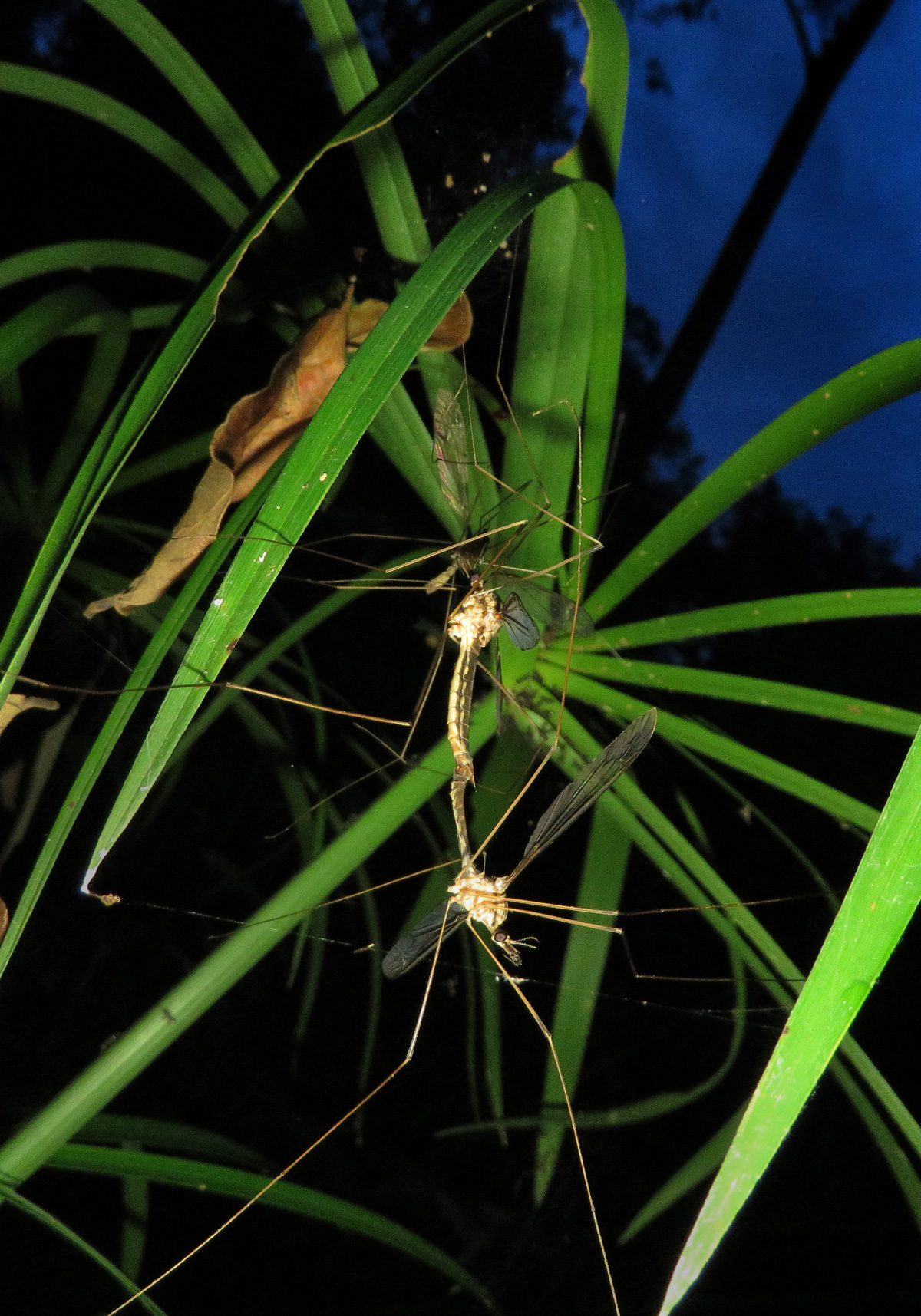
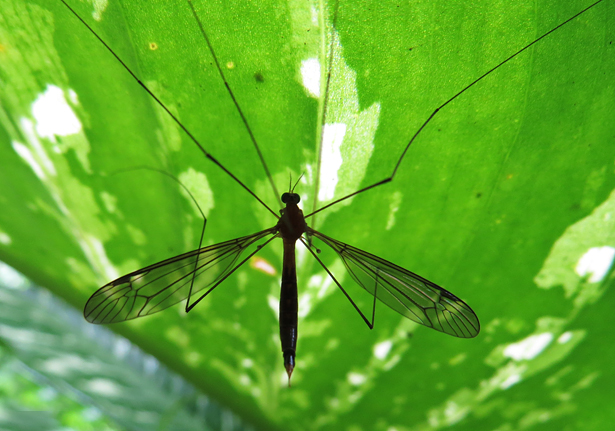
Tipuloidea is a major superfamily within the infraorder Tipulomorpha (Suborder Nematocera, Order Diptera), comprising the true crane flies and their closest relatives. Members of this superfamily are widely distributed across the world and are especially abundant in moist environments such as wetlands, forests, grasslands, and areas near freshwater.
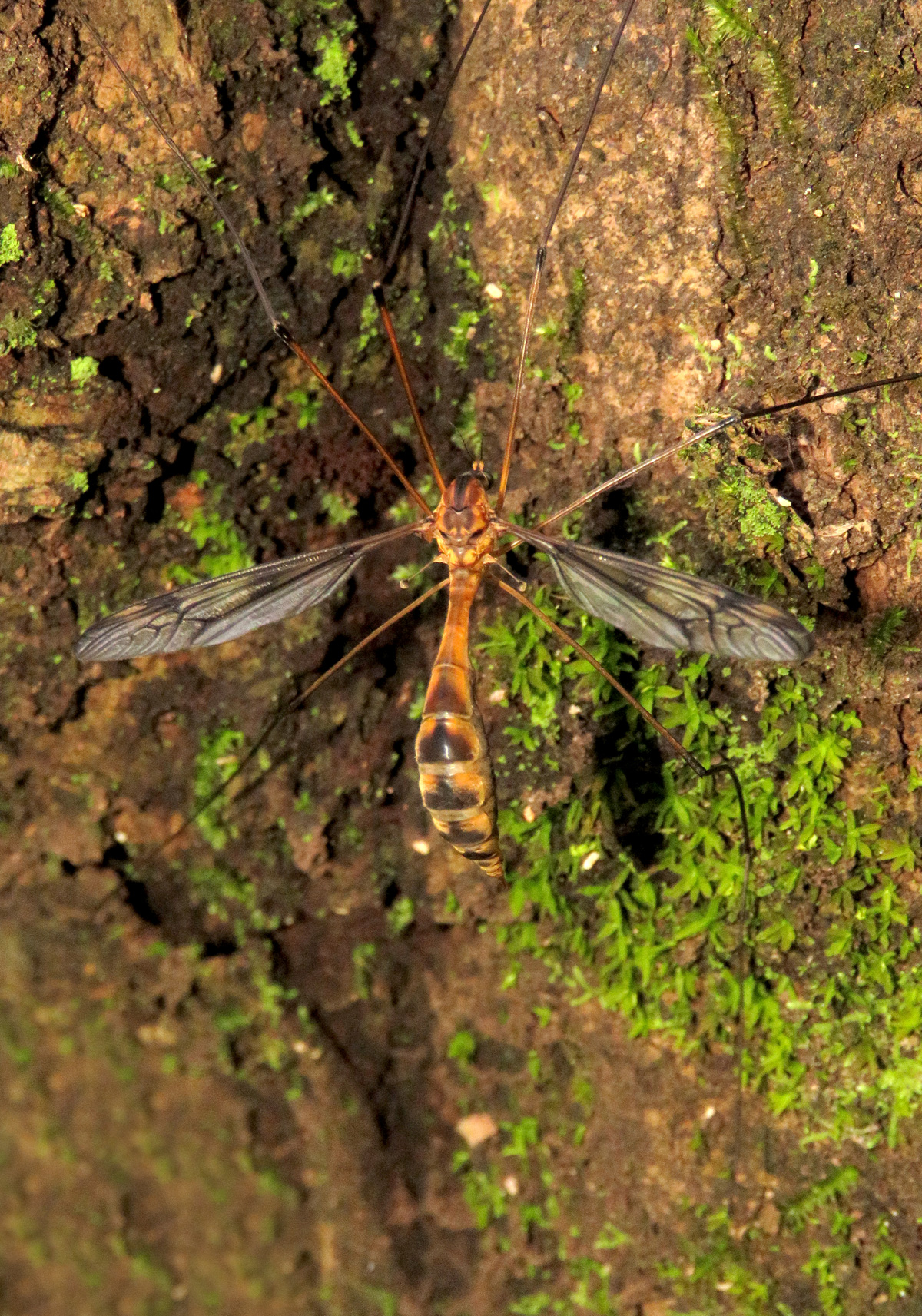
Flies of the superfamily Tipuloidea are typically characterized by their long, slender bodies and extremely long, delicate legs. They often resemble oversized mosquitoes but lack the piercing mouthparts used for blood-feeding. The head is relatively small, with long, multi-segmented antennae, and the wings are elongated with characteristic venation patterns used in classification.
Adults are usually weak fliers and are often found resting on vegetation, near water, or on walls and structures. Many species have reduced or non-functional mouthparts and may not feed as adults, relying on energy reserves accumulated during the larval stage.
The life cycle involves complete metamorphosis. Larvae, commonly known as “leatherjackets,” are typically found in moist soil, leaf litter, aquatic habitats, or decaying organic material. They are mainly detritivorous, feeding on decomposing plant matter, algae, and microorganisms. Some species feed on living plant roots and can become agricultural pests.
Tipuloidea includes several families, such as Tipulidae (true crane flies), Limoniidae, Cylindrotomidae, and Pediciidae. These families differ in size, habitat preference, and ecological specialization but share similar general morphology and life history traits.
Ecologically, Tipuloidea plays an important role in nutrient cycling and soil health, particularly through the activity of their larvae. They contribute to the breakdown of organic matter and serve as a food source for many animals, including birds, fish, amphibians, and other invertebrates. Although most species are harmless, some may impact crops or turf by feeding on roots.