Bali Wildlife
Every Spices Matter


Thomisus is a genus of crab spiders within the tribe Thomisini (Subfamily Thomisinae, Family Thomisidae, Order Araneae). The genus is widely distributed across the Old World, particularly in Africa, Asia, Australia, and parts of Europe, and is especially diverse in tropical and subtropical regions. Species of Thomisus are commonly found in vegetation-rich habitats such as meadows, grasslands, gardens, forest edges, and agricultural fields.
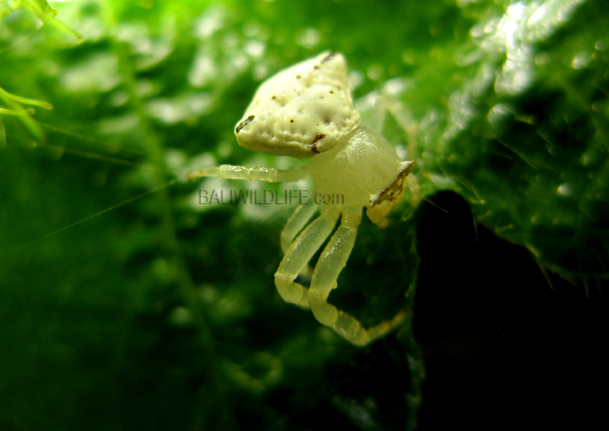
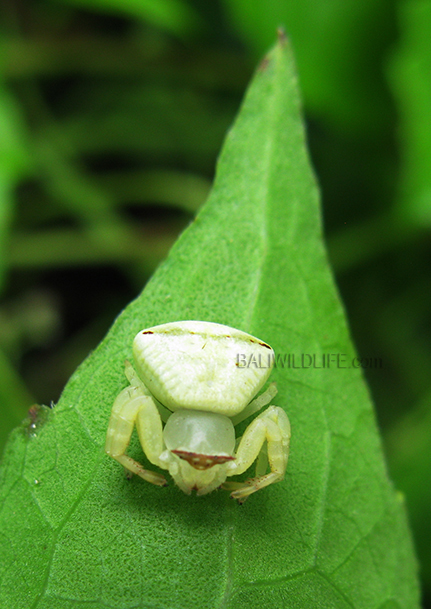
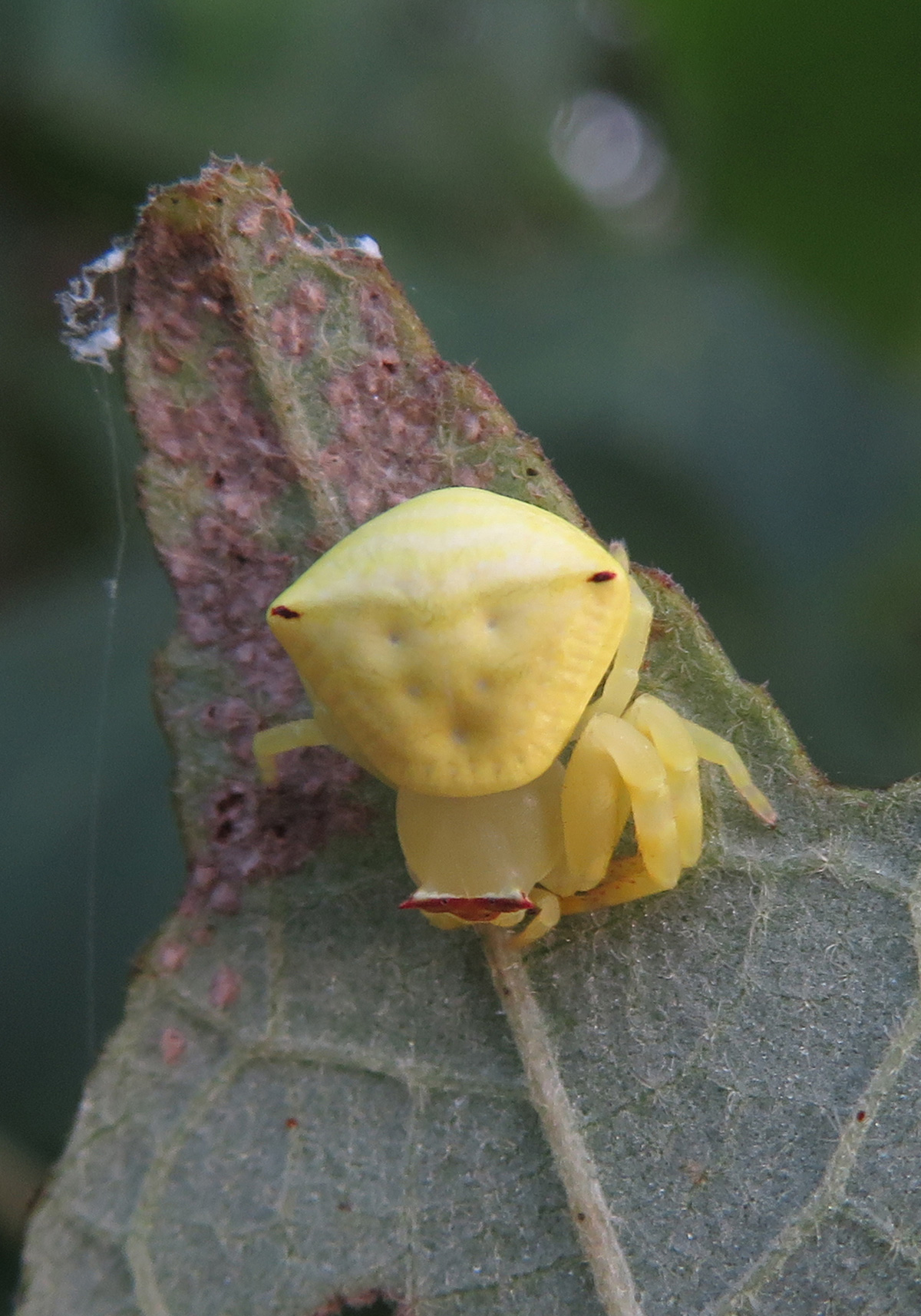
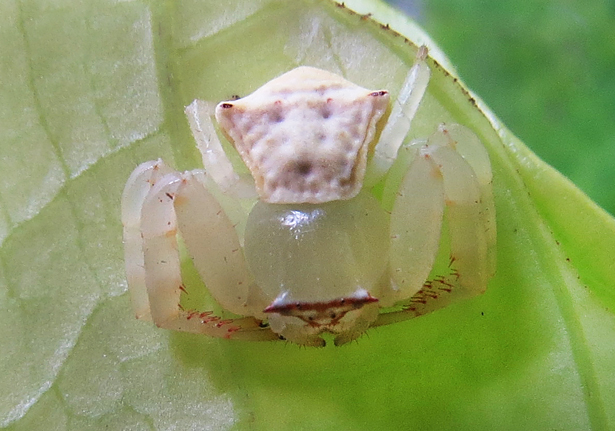
Members of the genus Thomisus exhibit the classic crab spider morphology. The body is broad and flattened, and the first two pairs of legs are markedly enlarged, laterigrade, and used to grasp prey. Females are typically much larger and more robust than males, while males are smaller, more slender, and often more mobile. Coloration is highly variable and often matches the surrounding vegetation, with common colors including white, yellow, green, pink, or brown.
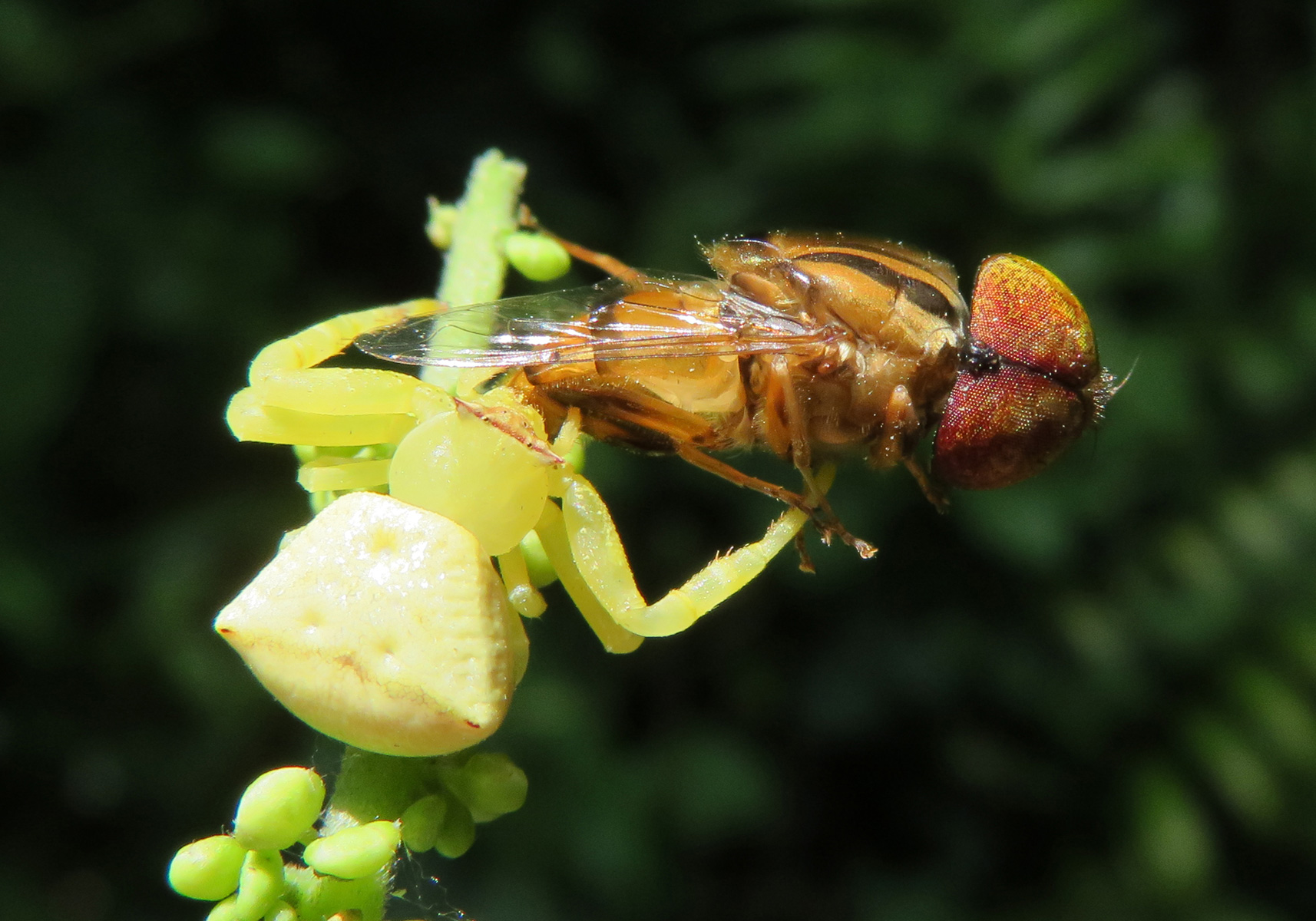
Thomisus species are ambush predators and do not build prey-capture webs. Many species are associated with flowers, where they sit motionless and capture visiting insects. Some species are capable of gradual color change over several days, allowing them to blend into different floral substrates. This camouflage enhances their effectiveness in capturing prey and avoiding predators.
Prey consists mainly of insects and other small arthropods, including flies, bees, butterflies, and other pollinators. Using their strong front legs and venom, Thomisus spiders can subdue prey that may be similar to or even larger than themselves. Silk is primarily used for draglines, egg sacs, and temporary retreats.
Reproduction follows the entelegyne pattern typical of advanced araneomorph spiders. Females produce egg sacs that are often attached to leaves or flowers and may guard them until hatching. Spiderlings emerge as miniature adults and develop through successive molts.
Ecologically, the genus Thomisus plays an important role as a predator in terrestrial ecosystems, particularly in flowering plant communities. By preying on a wide range of insects, including pollinators and herbivores, Thomisus species influence insect population dynamics and contribute to ecological balance.