Bali Wildlife
Every Spices Matter


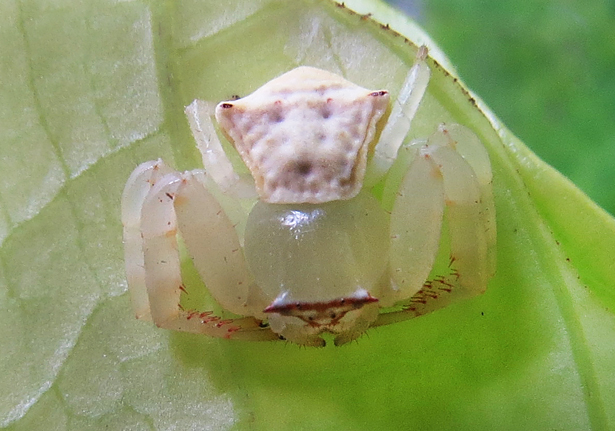
Thomisinae is the largest and most well-known subfamily within the family Thomisidae (Order Araneae), comprising the typical crab spiders. The subfamily has a worldwide distribution and is particularly diverse in tropical and subtropical regions, though many species are also common in temperate ecosystems.
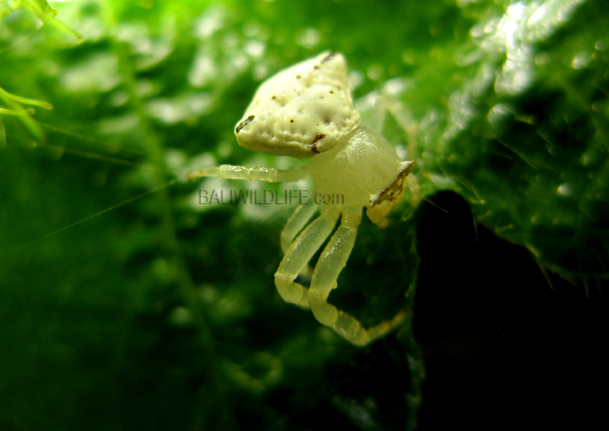
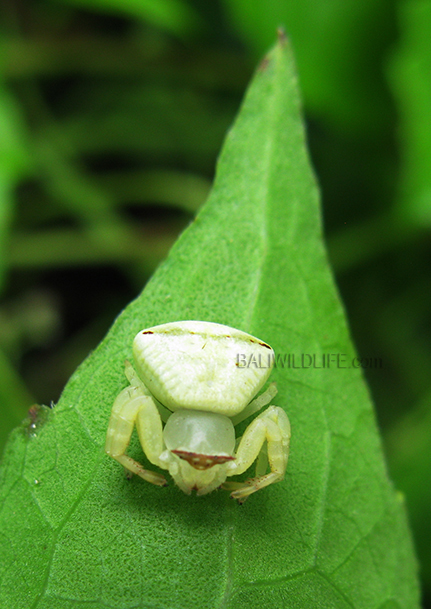
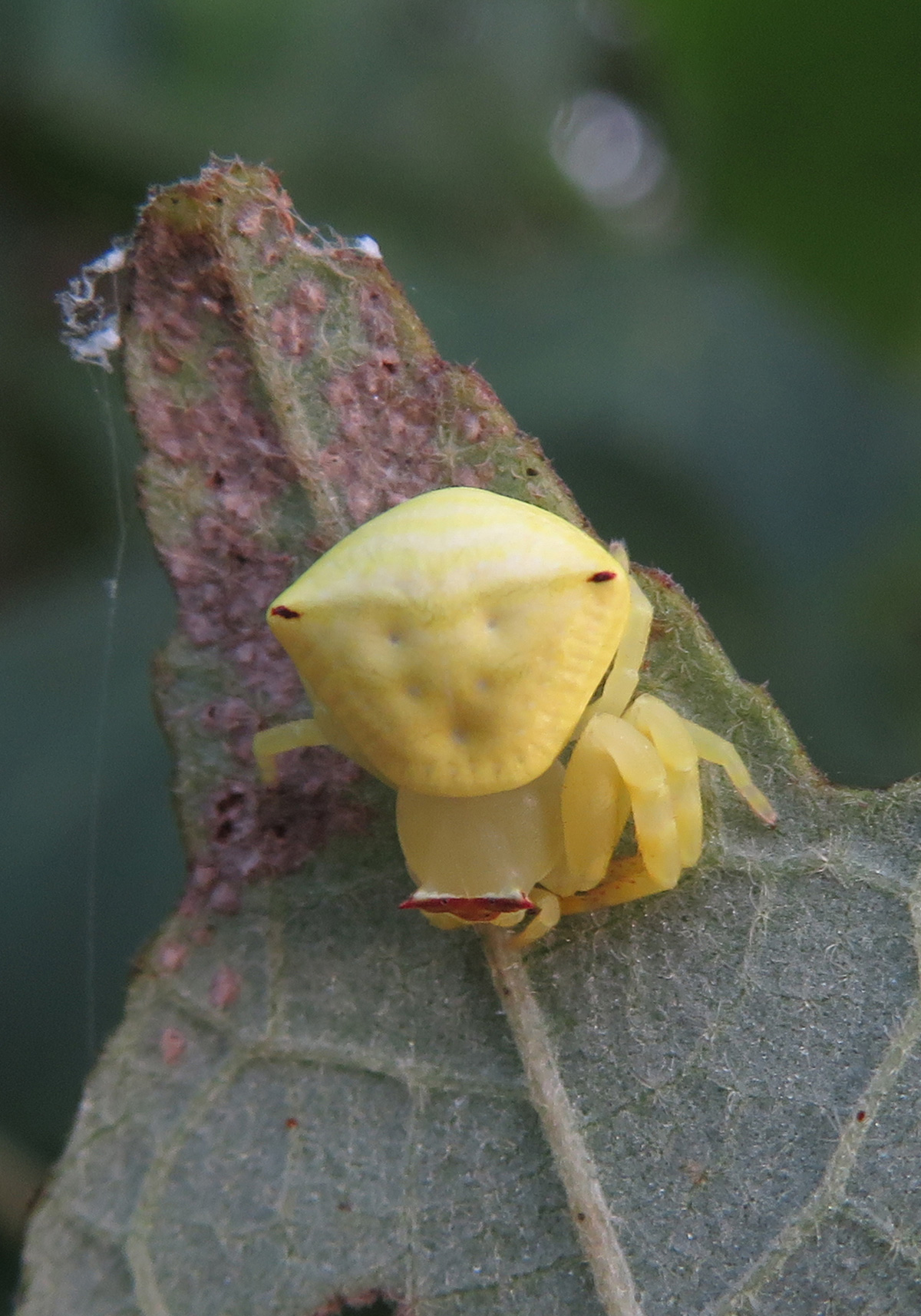
Members of Thomisinae are characterized by a strongly crab-like body form. The prosoma is often broad and flattened, and the first two pairs of legs are greatly enlarged, robust, and laterigrade (oriented sideways), providing a powerful grasping mechanism for capturing prey. The posterior legs are usually shorter and less robust. Sexual dimorphism is pronounced, with females often considerably larger and heavier-bodied than males.
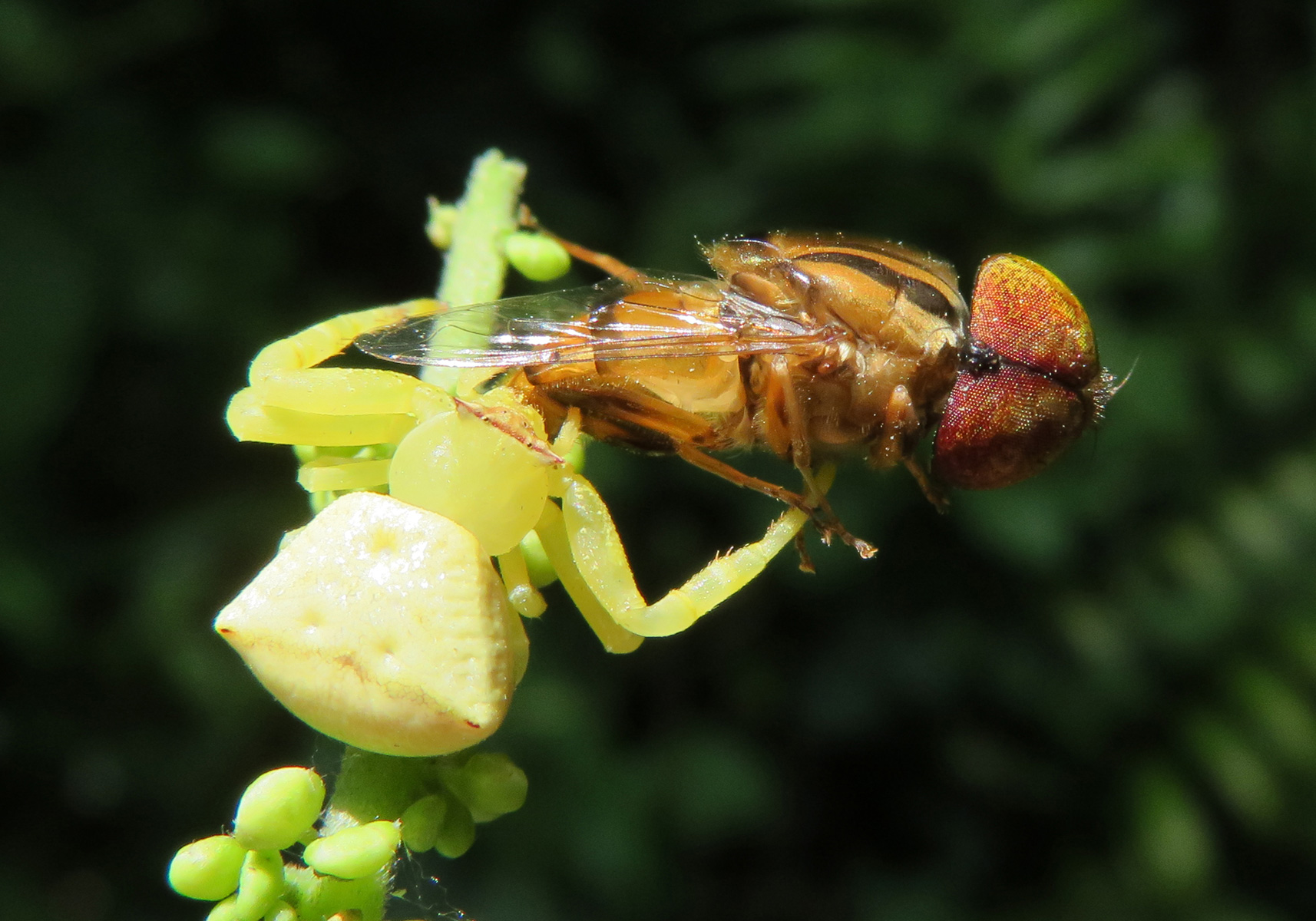
Thomisinae spiders are primarily ambush predators and do not build prey-capture webs. Instead, they rely on camouflage, stillness, and sudden attacks to seize prey. Many species inhabit flowers, leaves, or bark, where their coloration allows them to blend seamlessly into their surroundings. Some species can slowly change color over time to match the substrate, especially those living on flowers.
Prey consists mainly of insects and other small arthropods, including pollinators such as bees, flies, and butterflies. Despite lacking webs, Thomisinae are efficient predators and can overpower prey larger than themselves using their strong front legs and venom. Silk is mainly used for draglines, egg sacs, and shelters rather than for capturing prey.
Reproduction follows the entelegyne pattern typical of advanced araneomorph spiders, with complex genital structures in both sexes. Development is direct, with spiderlings emerging as miniature adults and growing through successive molts.
Ecologically, Thomisinae play an important role in terrestrial ecosystems, particularly in vegetation-rich habitats such as meadows, gardens, forests, and agricultural areas. As effective ambush predators, they help regulate insect populations and influence interactions between plants and insects, including pollinators.