Bali Wildlife
Every Spices Matter


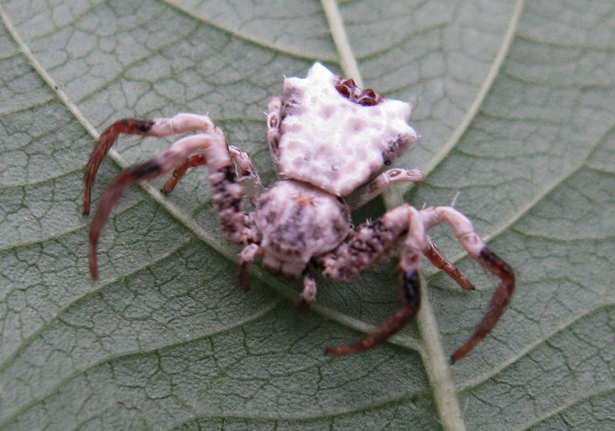
Thomisidae, commonly known as crab spiders, is a family within the superfamily Thomisoidea (Infraorder Entelegynae, Order Araneae). The family is widely distributed across the world and is especially diverse in tropical and subtropical regions, though many species are common in temperate habitats as well.
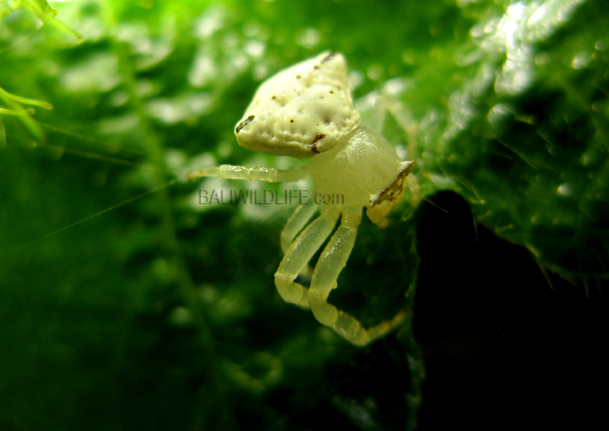
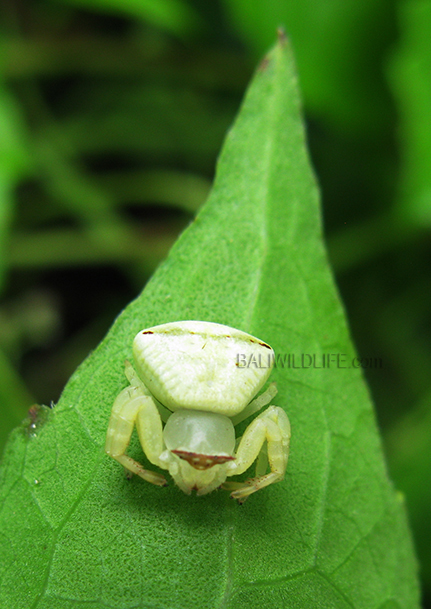
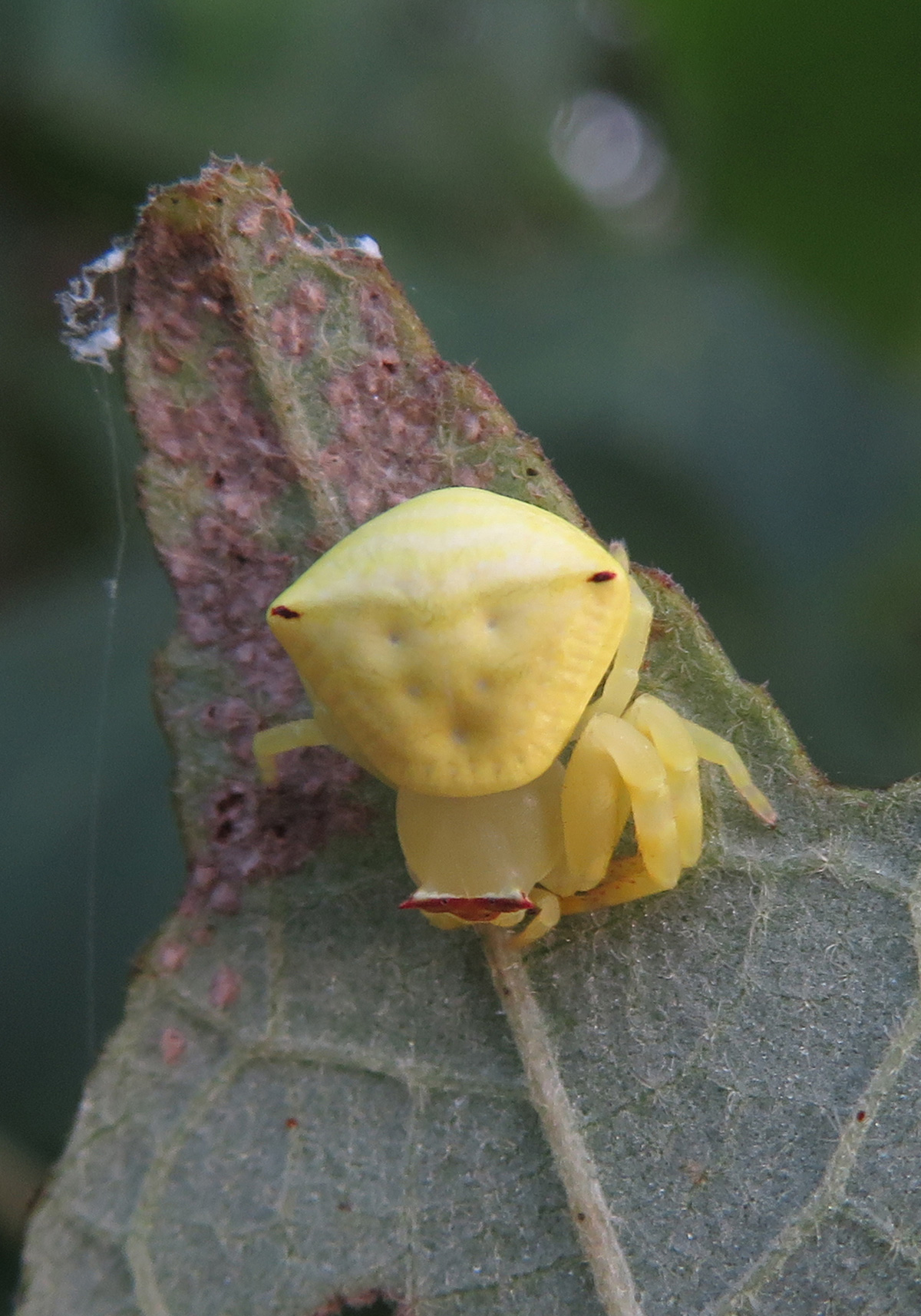
Members of Thomisidae are characterized by their distinctive crab-like appearance. The body is often flattened, and the first two pairs of legs are enlarged, robust, and held laterally, allowing sideways movement similar to that of crabs. This leg arrangement enables strong grasping of prey. Body size ranges from very small to moderately large, and sexual dimorphism is common, with females often significantly larger than males.
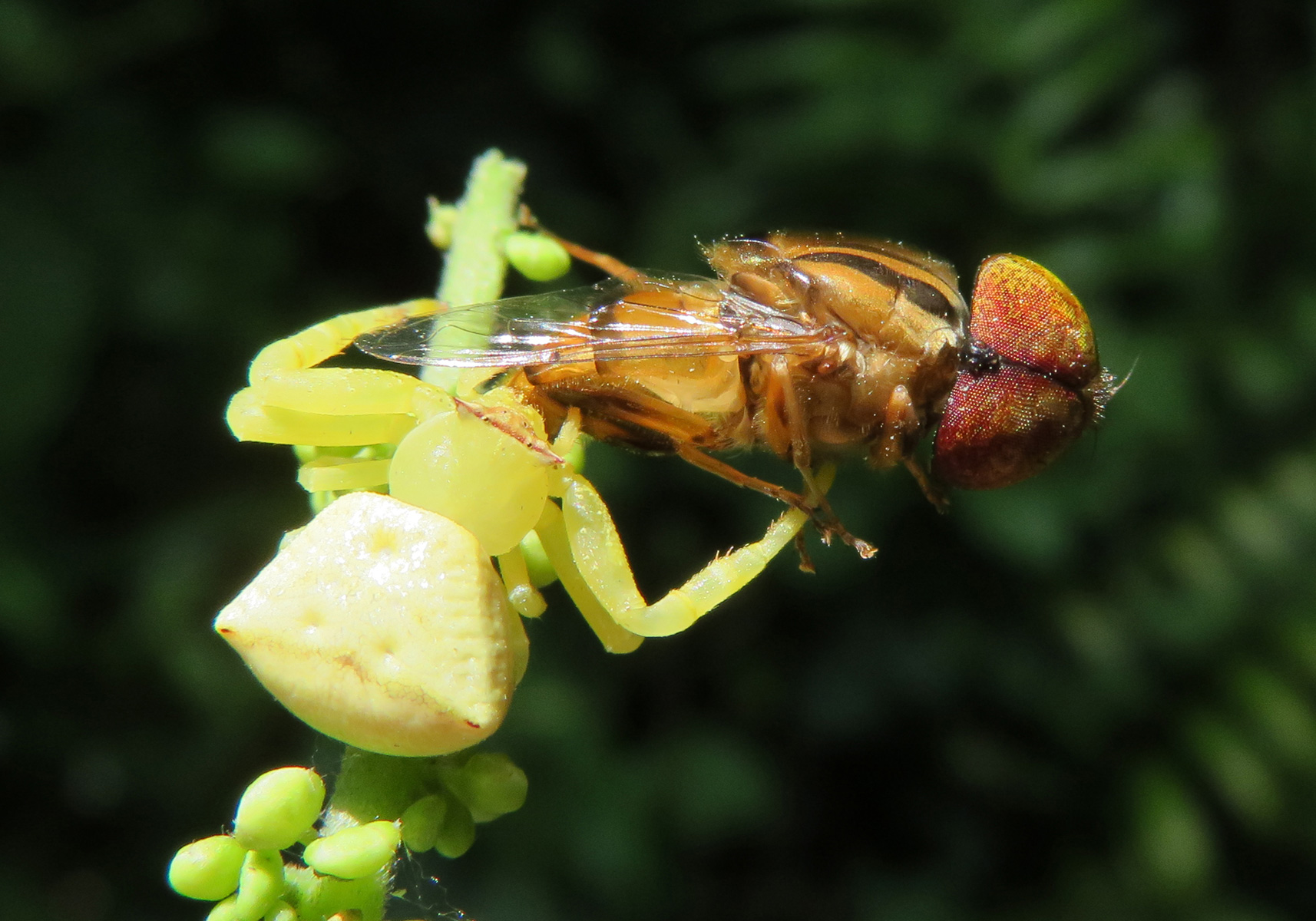
Crab spiders are typically ambush predators rather than web builders. They do not construct prey-capture webs but instead rely on camouflage and stillness to capture unsuspecting prey. Many species sit on flowers, leaves, or bark, where they blend in with their surroundings. Some Thomisidae are capable of changing color over time to better match the substrate, particularly flower-dwelling species.
Prey consists mainly of insects and other small arthropods, including flies, butterflies, bees, and other pollinators. Despite their often small size, crab spiders can subdue prey larger than themselves using strong legs and venom. Silk is used mainly for draglines, egg sacs, and temporary retreats rather than for hunting.
Reproduction in Thomisidae follows the typical entelegyne spider pattern, with complex genital structures used in mating. Development is direct, with spiderlings hatching as miniature versions of adults and gradually maturing through successive molts.
Ecologically, Thomisidae are important predators in vegetation-rich habitats such as meadows, gardens, forests, and agricultural fields. By regulating populations of insects, they play a significant role in maintaining ecological balance and contribute to the diversity and stability of terrestrial ecosystems.