Bali Wildlife
Every Spices Matter


Theria is a subclass within the class Mammalia that includes all live-bearing mammals, comprising marsupials and placental mammals. Unlike monotremes (egg-laying mammals), therians give birth to live young rather than laying eggs.
Therians are characterized by several anatomical and reproductive features. They possess a more advanced reproductive system compared to monotremes, including internal gestation and the absence of a cloaca (having separate openings for reproductive, urinary, and digestive tracts). In females, the reproductive tract is specialized for supporting embryonic development inside the body.
Subclass Theria is divided into two major infraclasses:
Therians also exhibit skeletal differences from monotremes, including modifications of the pelvic girdle and ankle bones, and the absence of epipubic bones in placental mammals. Their dentition is typically more specialized, reflecting diverse feeding strategies.
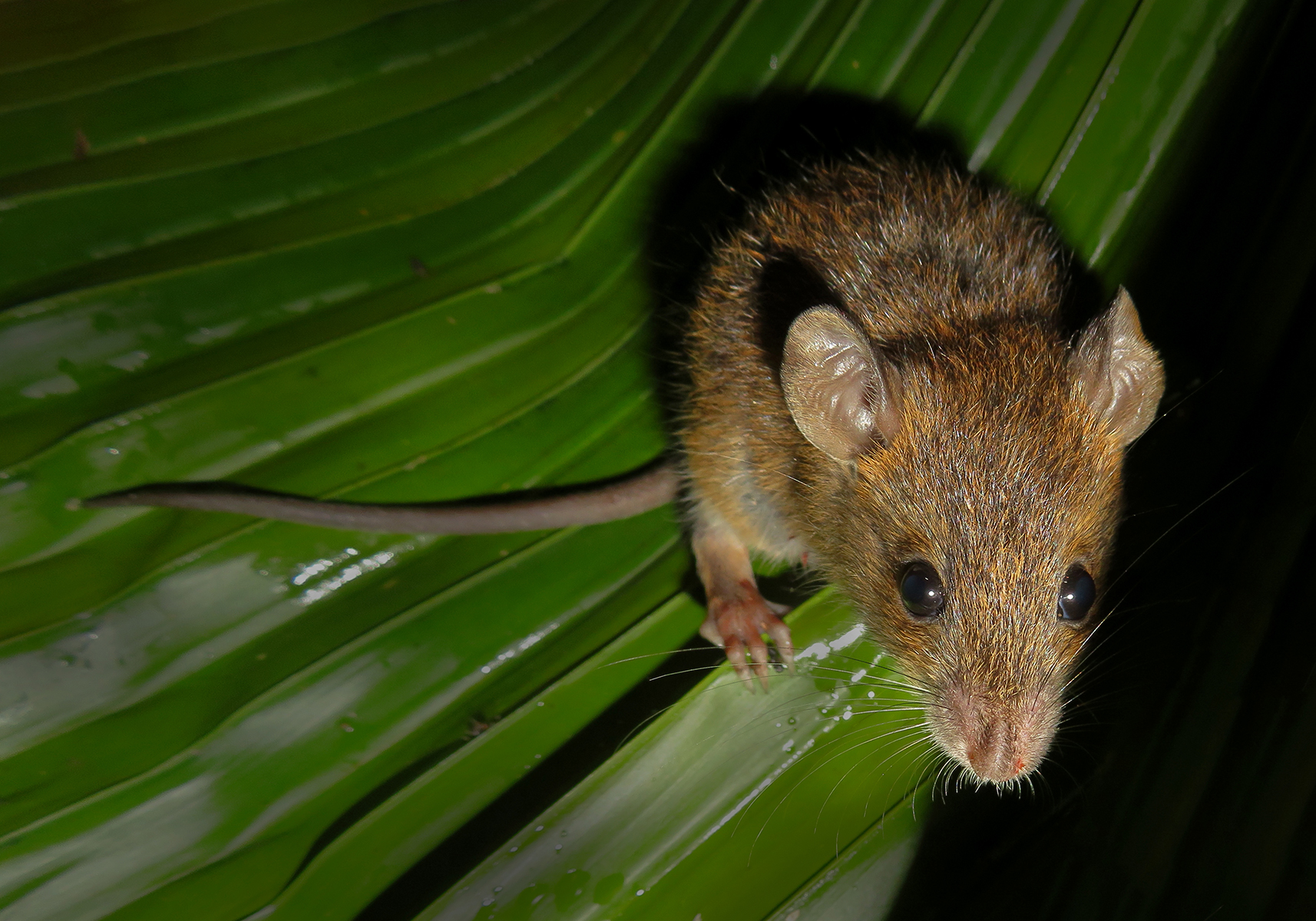
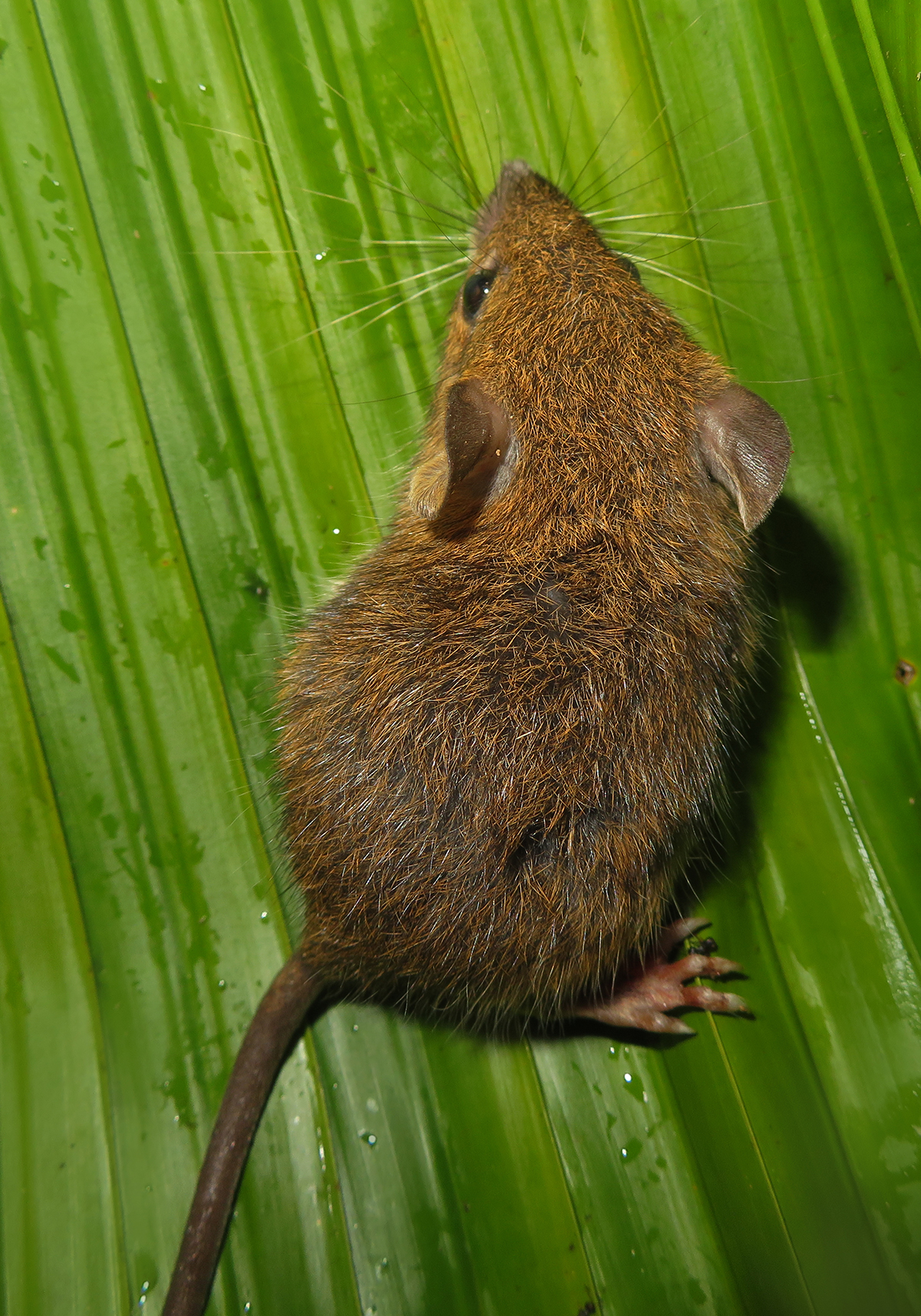
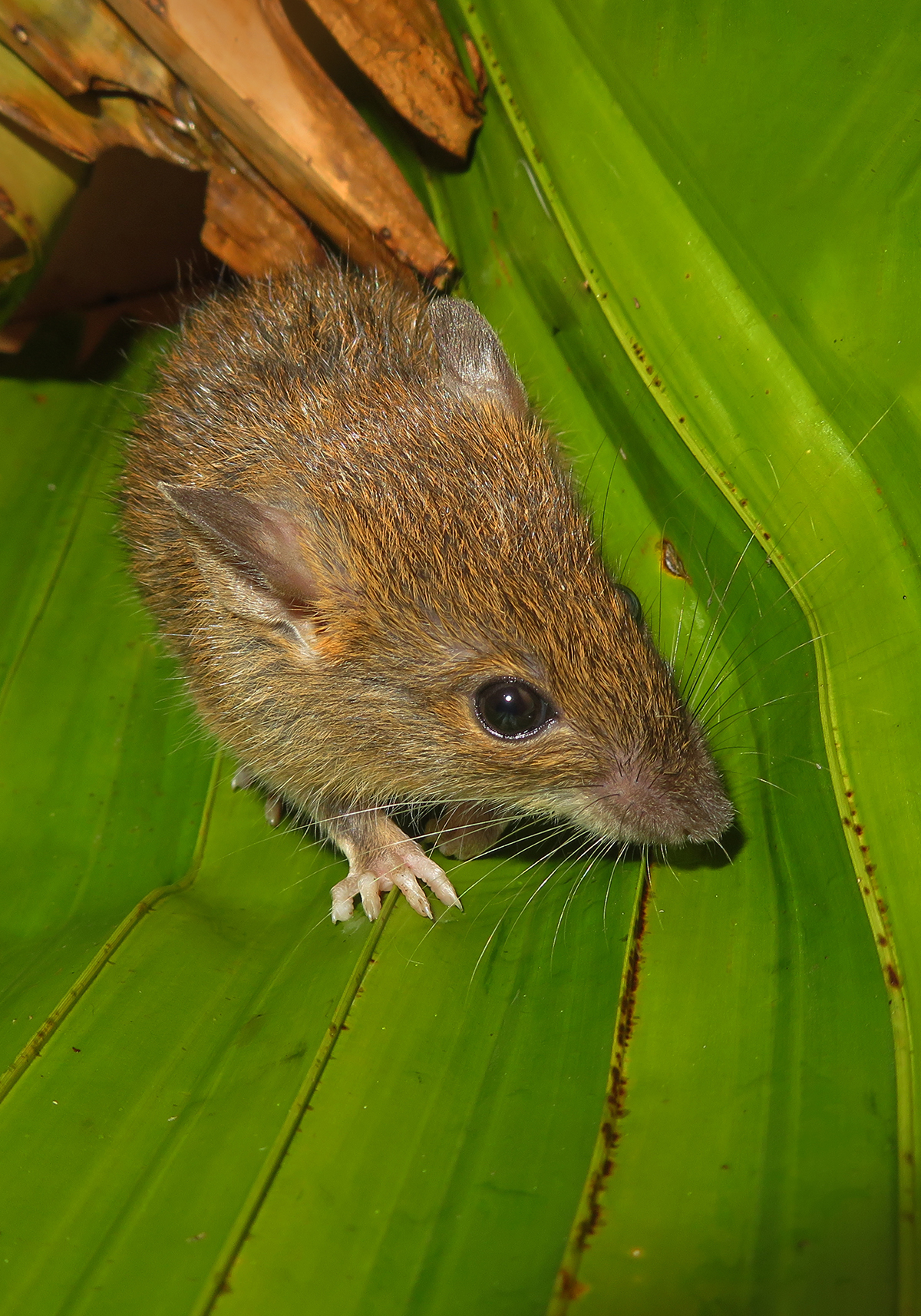
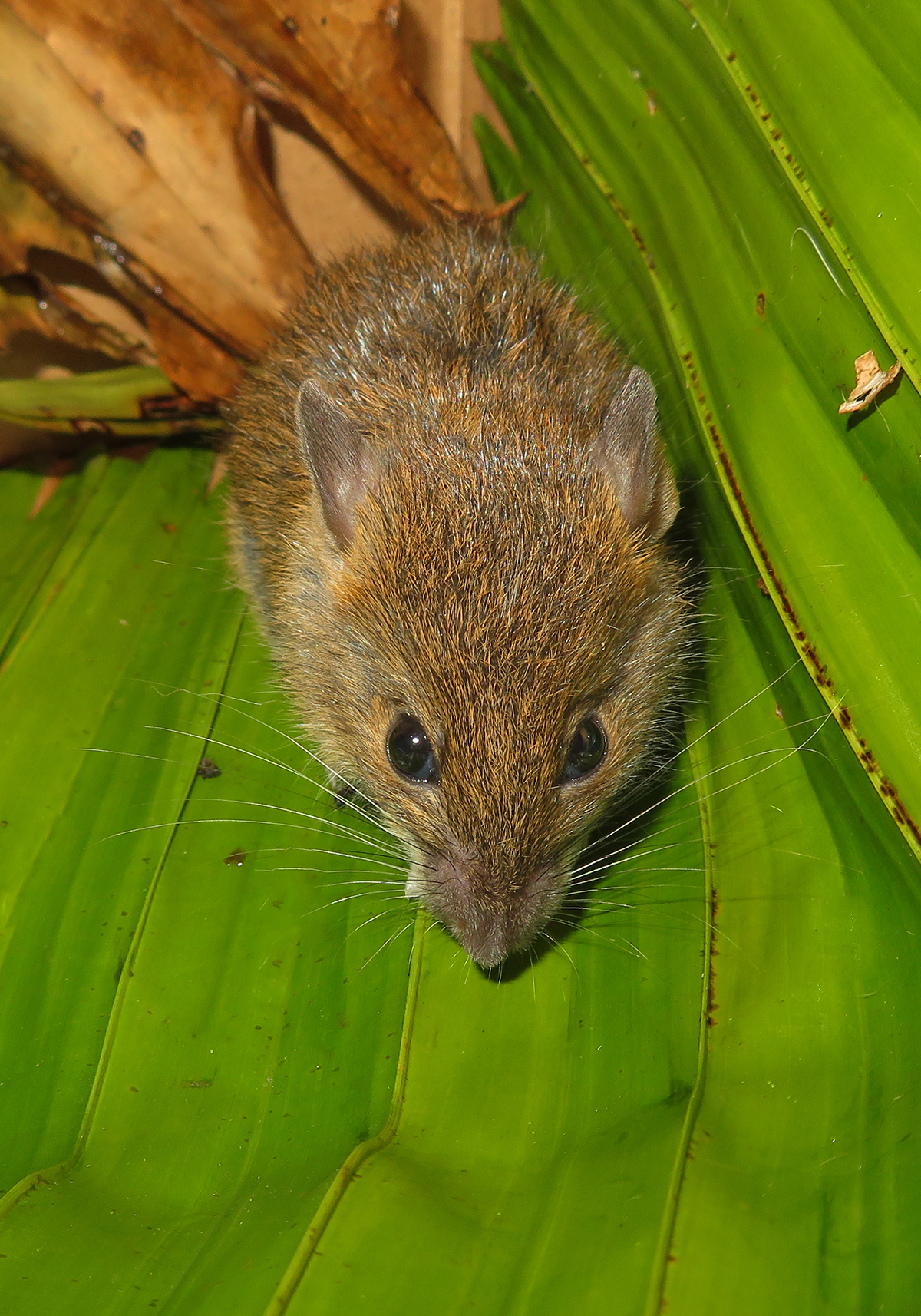
Members of Theria occupy nearly every terrestrial and many aquatic habitats worldwide. They range from small rodents and bats to large carnivores, primates, and whales. Reproductive strategies and levels of parental care vary, but extended maternal investment is common.
Subclass Theria represents the vast majority of living mammals and is defined by live birth, internal gestation, and advanced reproductive adaptations that have contributed to their global ecological success.