Bali Wildlife
Every Spices Matter


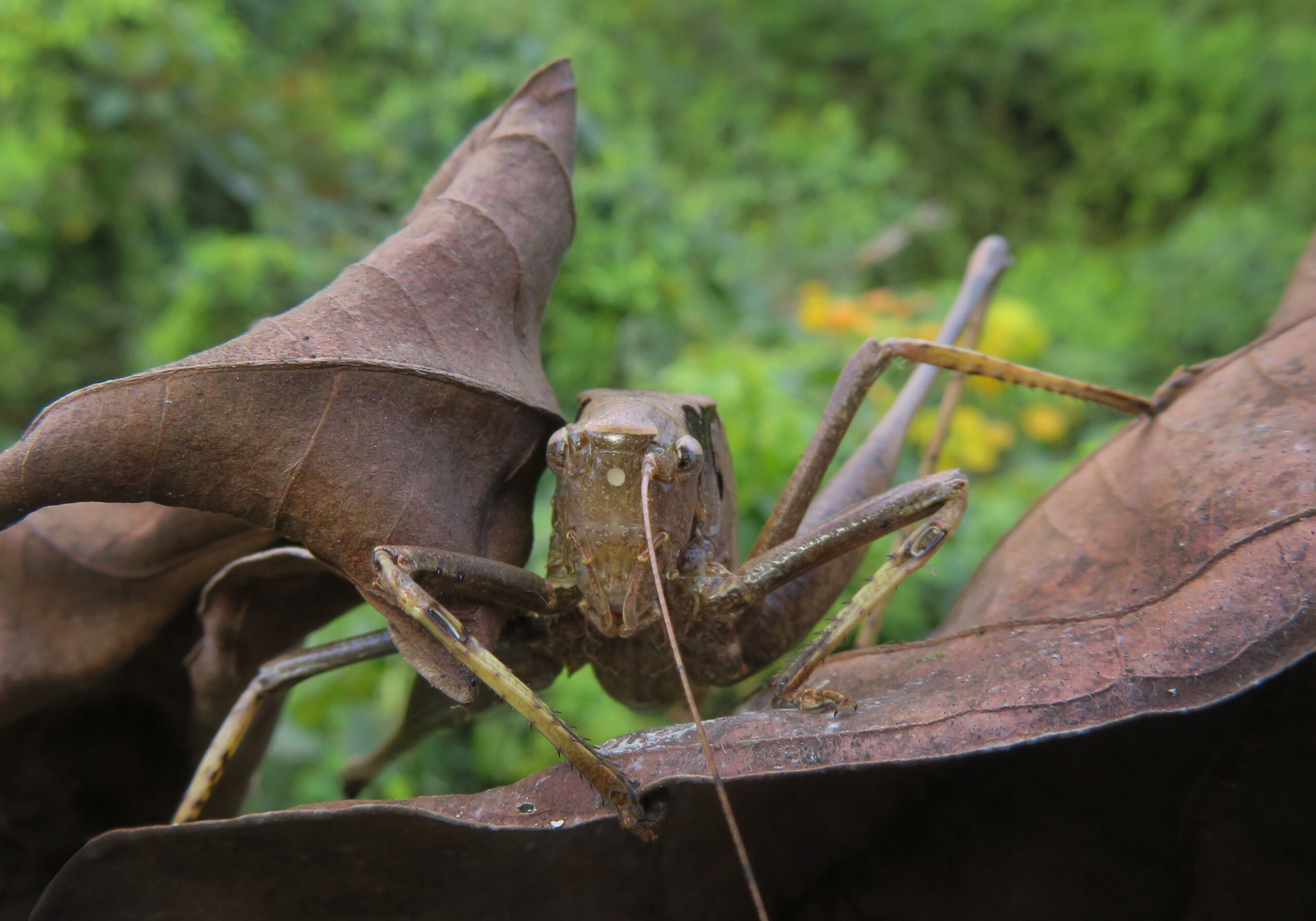
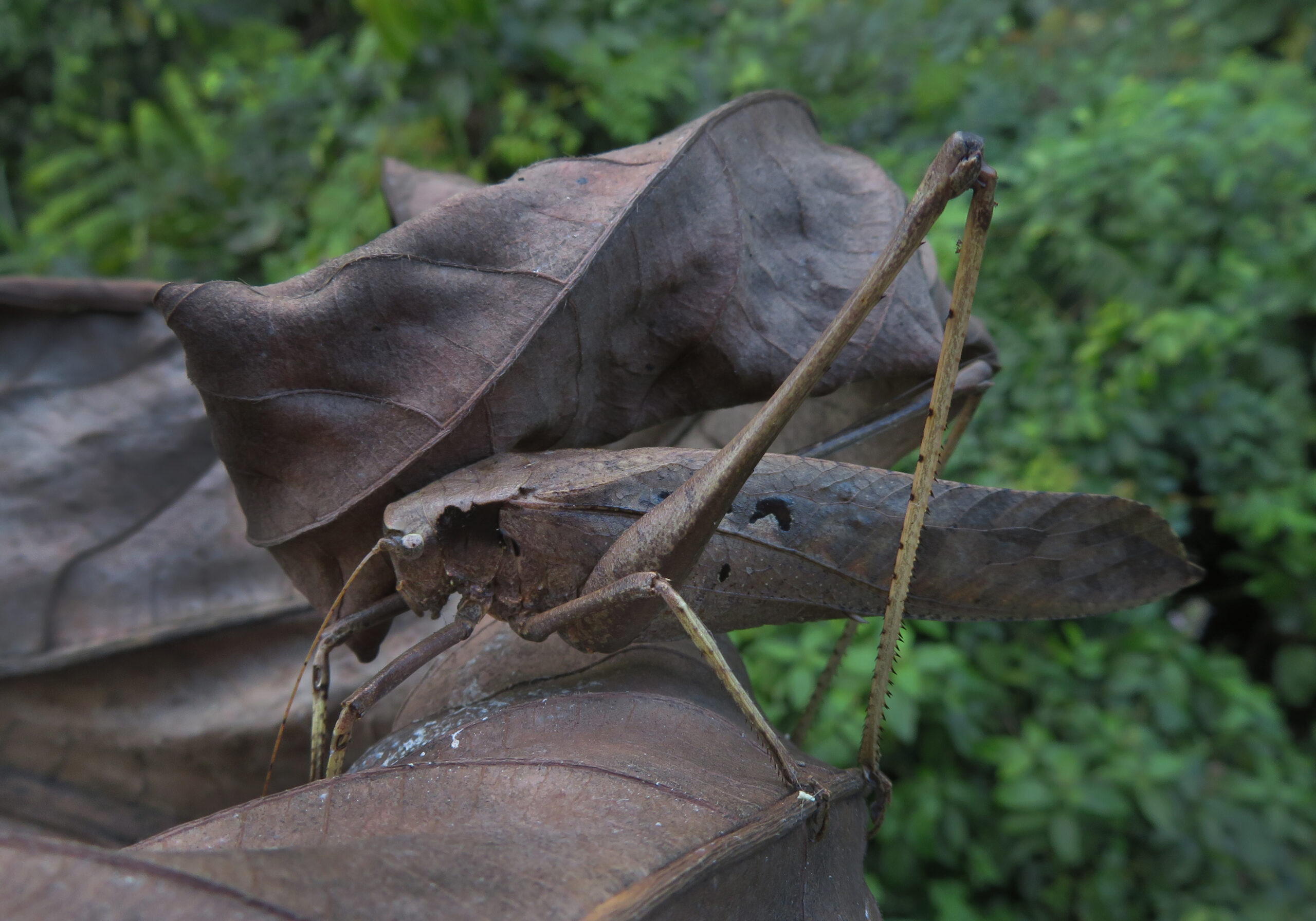
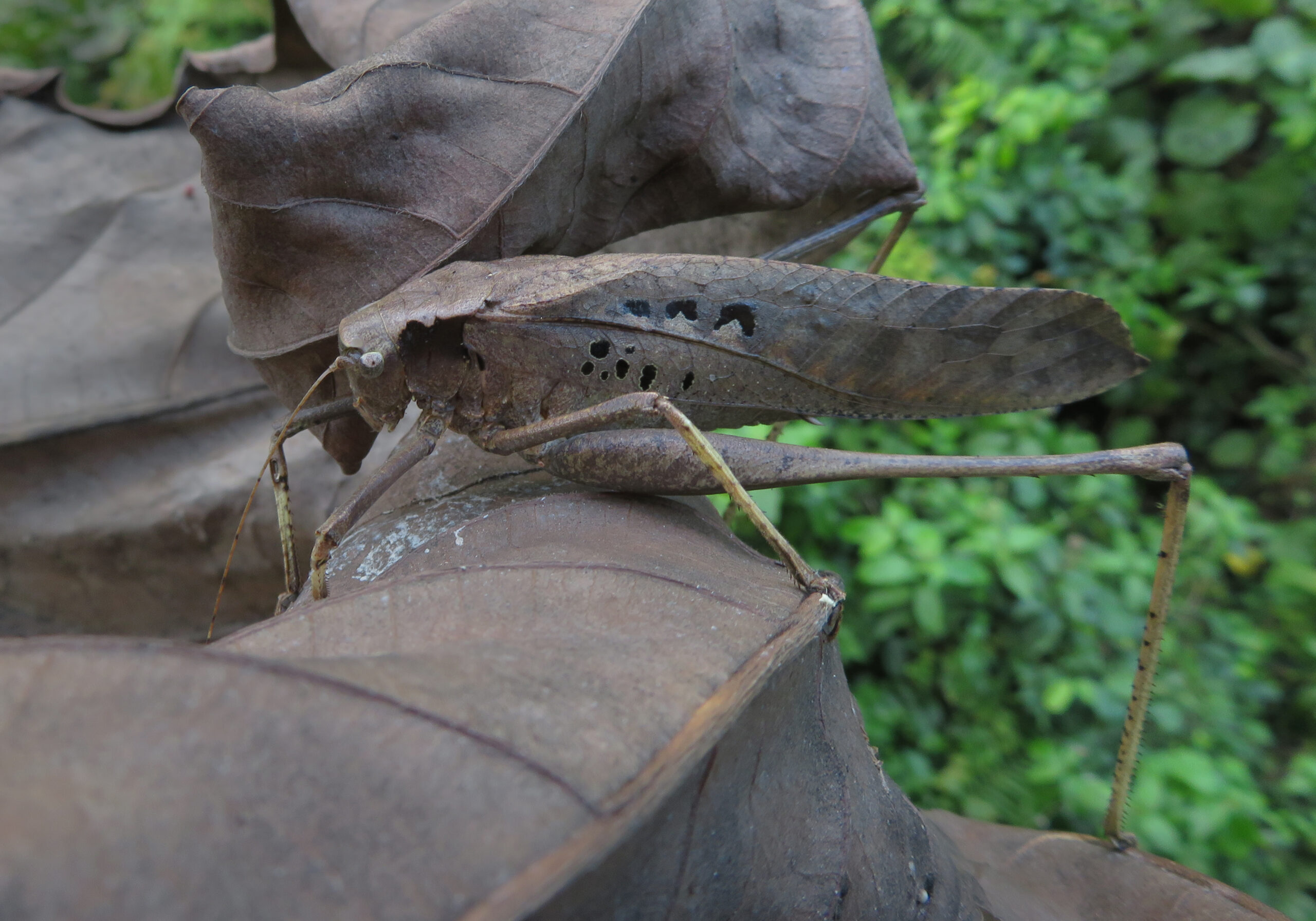
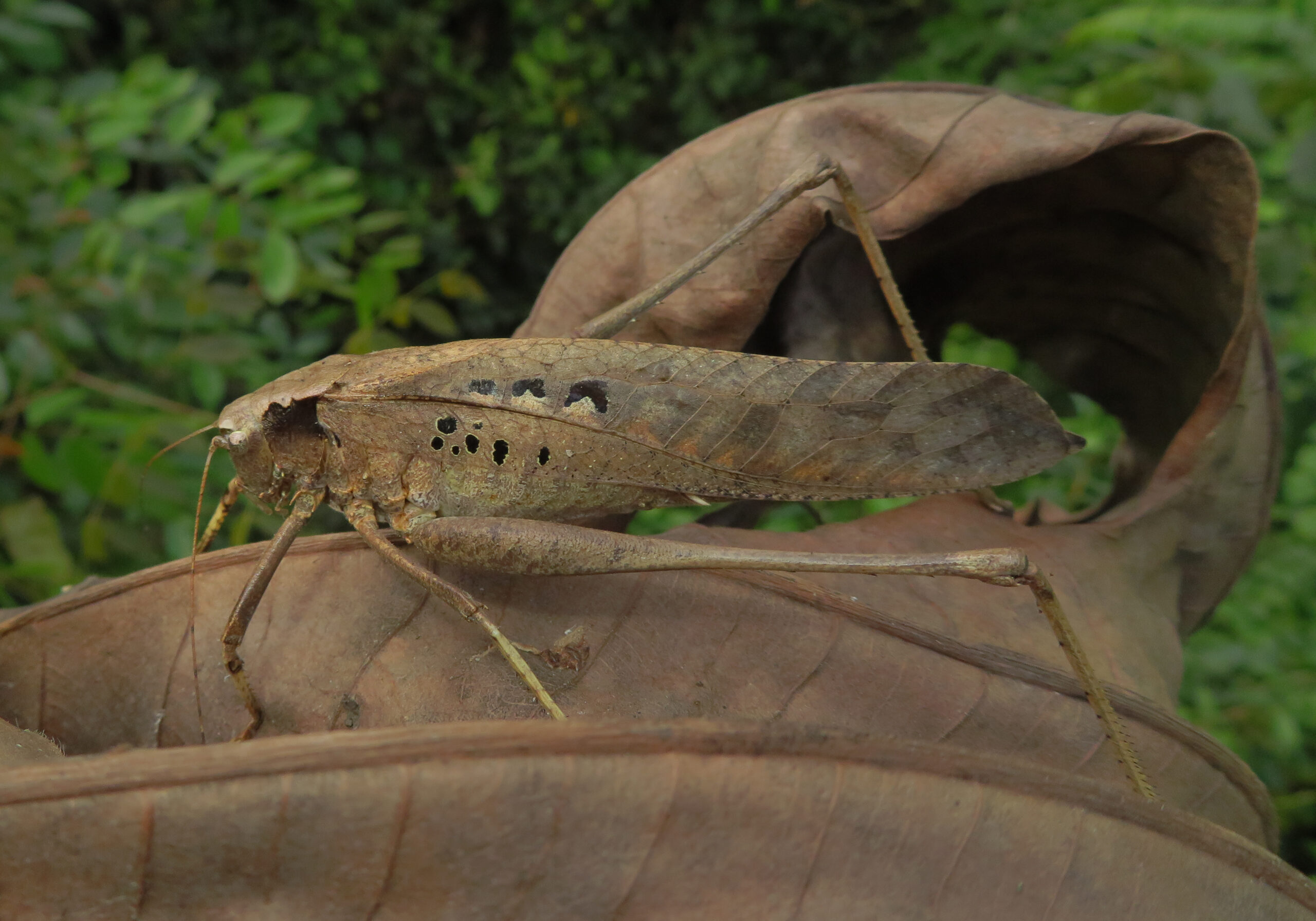
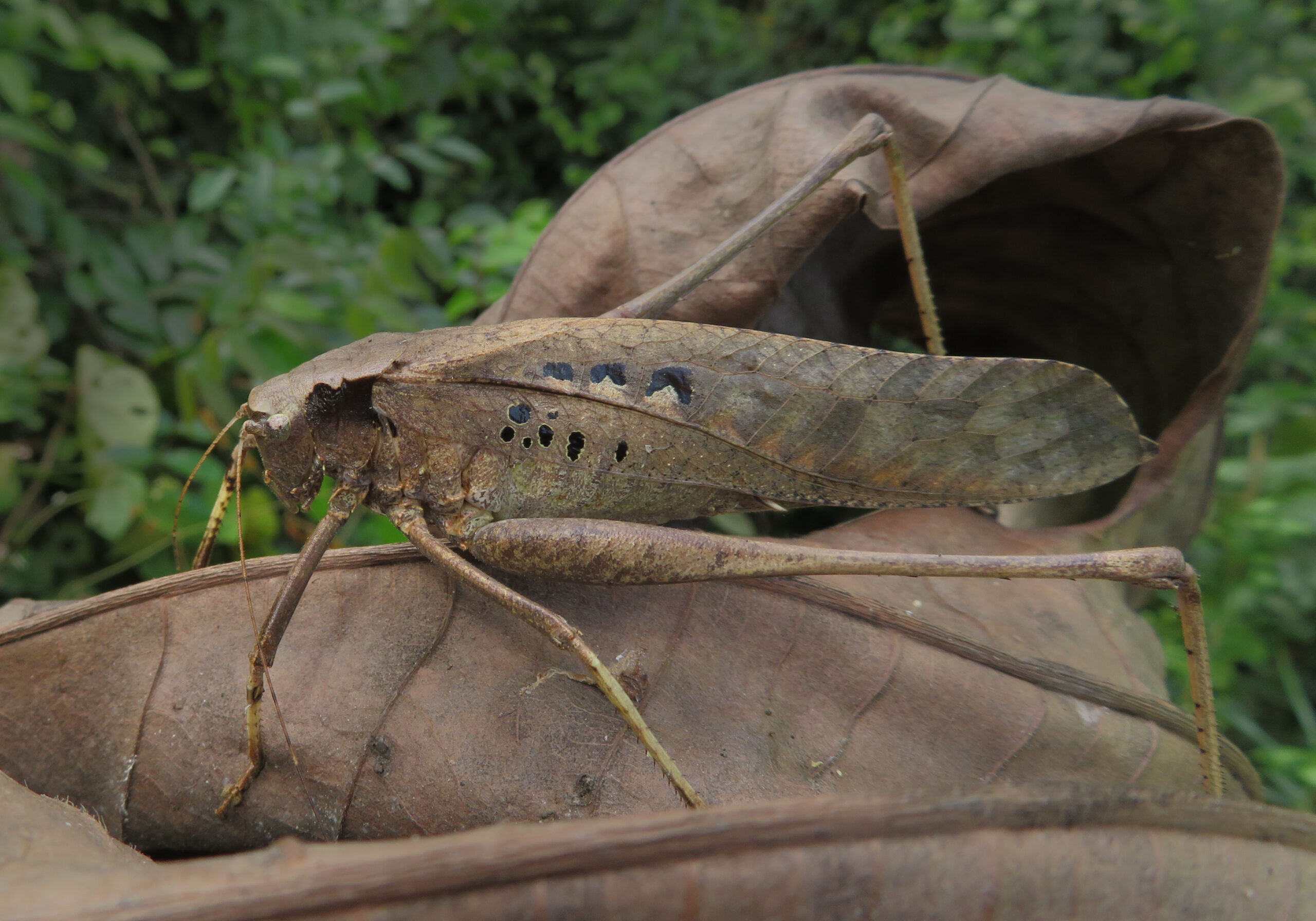
Tettigoniidae, commonly known as katydids or bush-crickets, is a large and diverse family within the superfamily Tettigonioidea. Members of this family are predominantly nocturnal insects and are especially diverse in tropical and subtropical regions, though many species also occur in temperate habitats. They are typically associated with vegetation in forests, grasslands, shrubs, and agricultural landscapes.
Tettigoniids are characterized by their long, slender, filamentous antennae, which usually exceed the body length, and by their laterally compressed or leaf-like body forms that provide effective camouflage among foliage. Females possess a well-developed ovipositor that is often blade-, sword-, or sickle-shaped, adapted for depositing eggs into plant tissue, soil, or decaying wood. The hind legs are elongated and muscular, enabling powerful jumps.
Most species have two pairs of wings. The forewings form leathery tegmina that bear specialized structures for stridulation, allowing males to produce species-specific calling songs. The hindwings are membranous and folded beneath the forewings when at rest. Sound is received through tympanal organs located on the fore tibiae, facilitating complex acoustic communication for mate attraction and species recognition.
Development in Tettigoniidae is hemimetabolous, with egg, nymph, and adult stages. Nymphs resemble adults in general appearance but lack fully developed wings and reproductive structures. Feeding habits are diverse and include herbivory, omnivory, and predation, with many species consuming leaves, flowers, seeds, or other insects.
Ecologically, Tettigoniidae play important roles as herbivores and predators and serve as prey for birds, reptiles, mammals, and other arthropods. Their sensitivity to habitat structure and environmental change makes many katydids useful indicators of ecosystem health, particularly in forested and semi-natural environments.