Bali Wildlife
Every Spices Matter


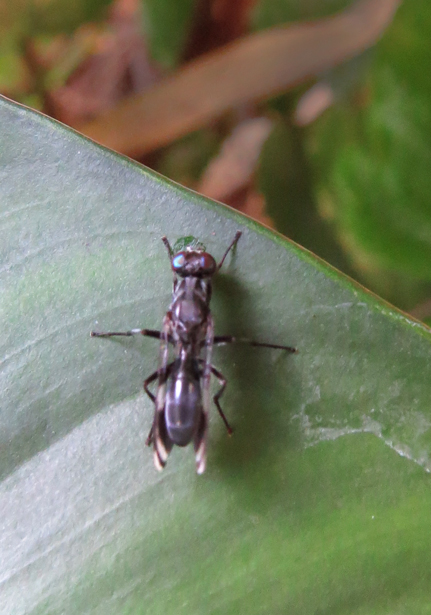
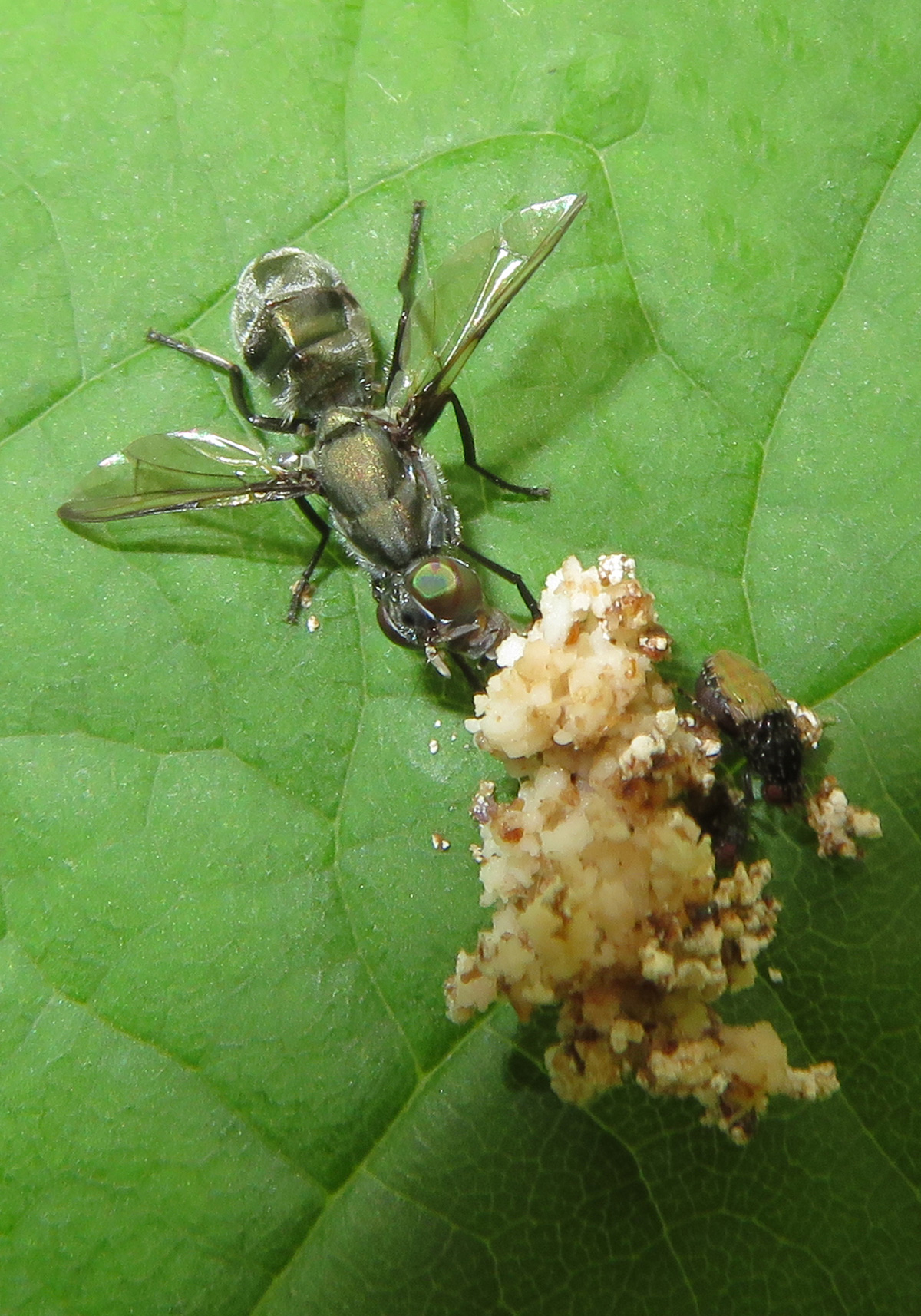
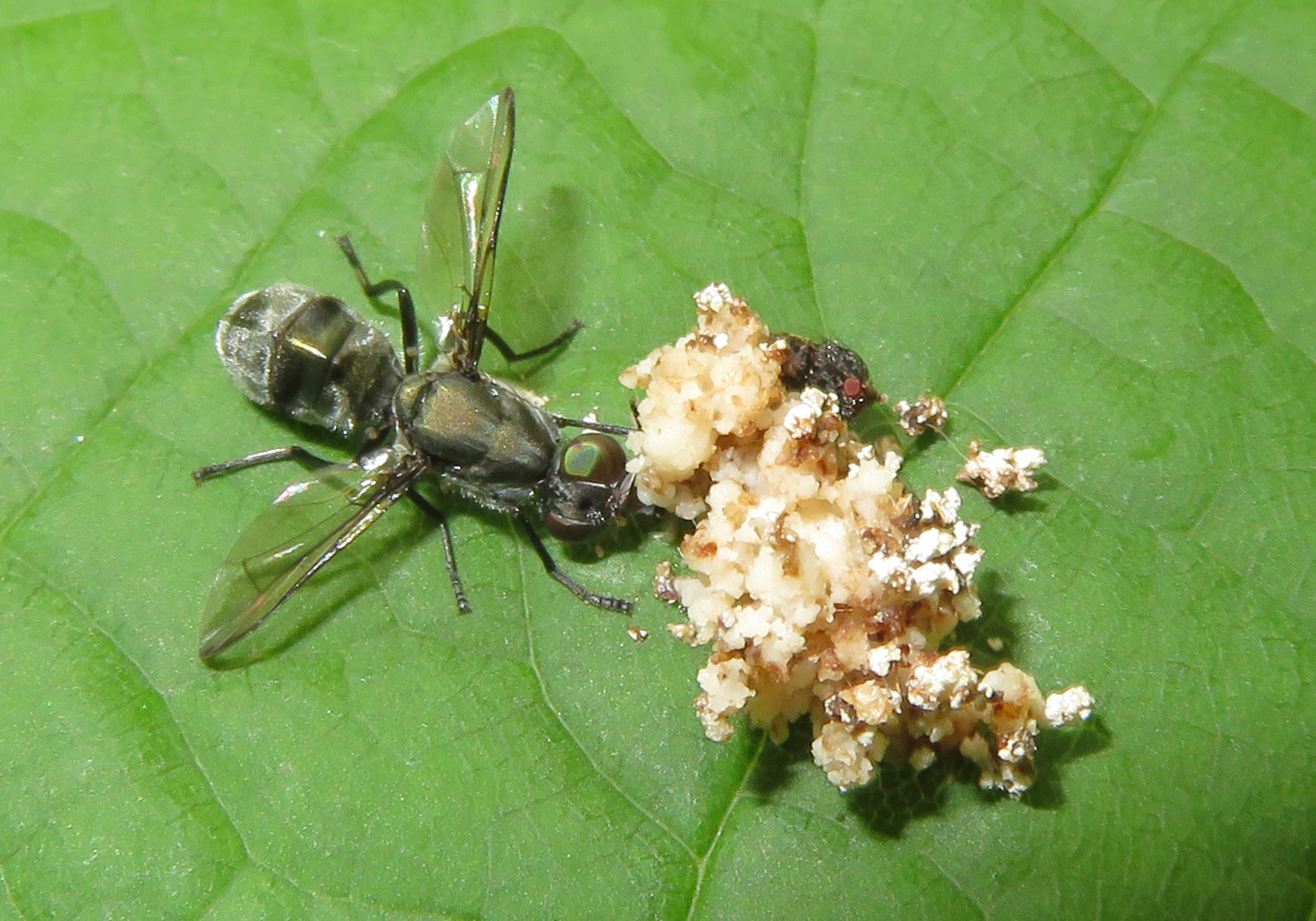
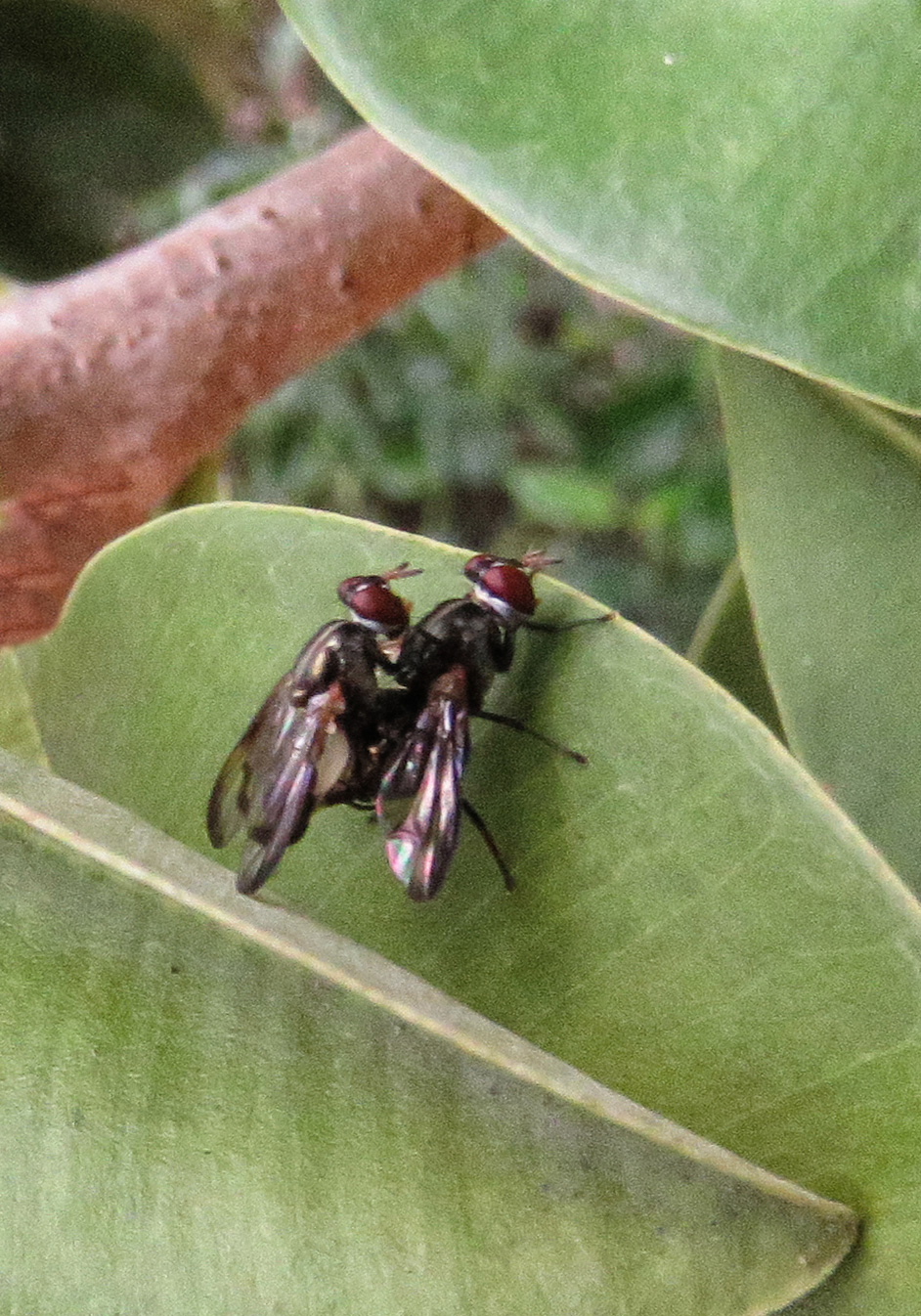
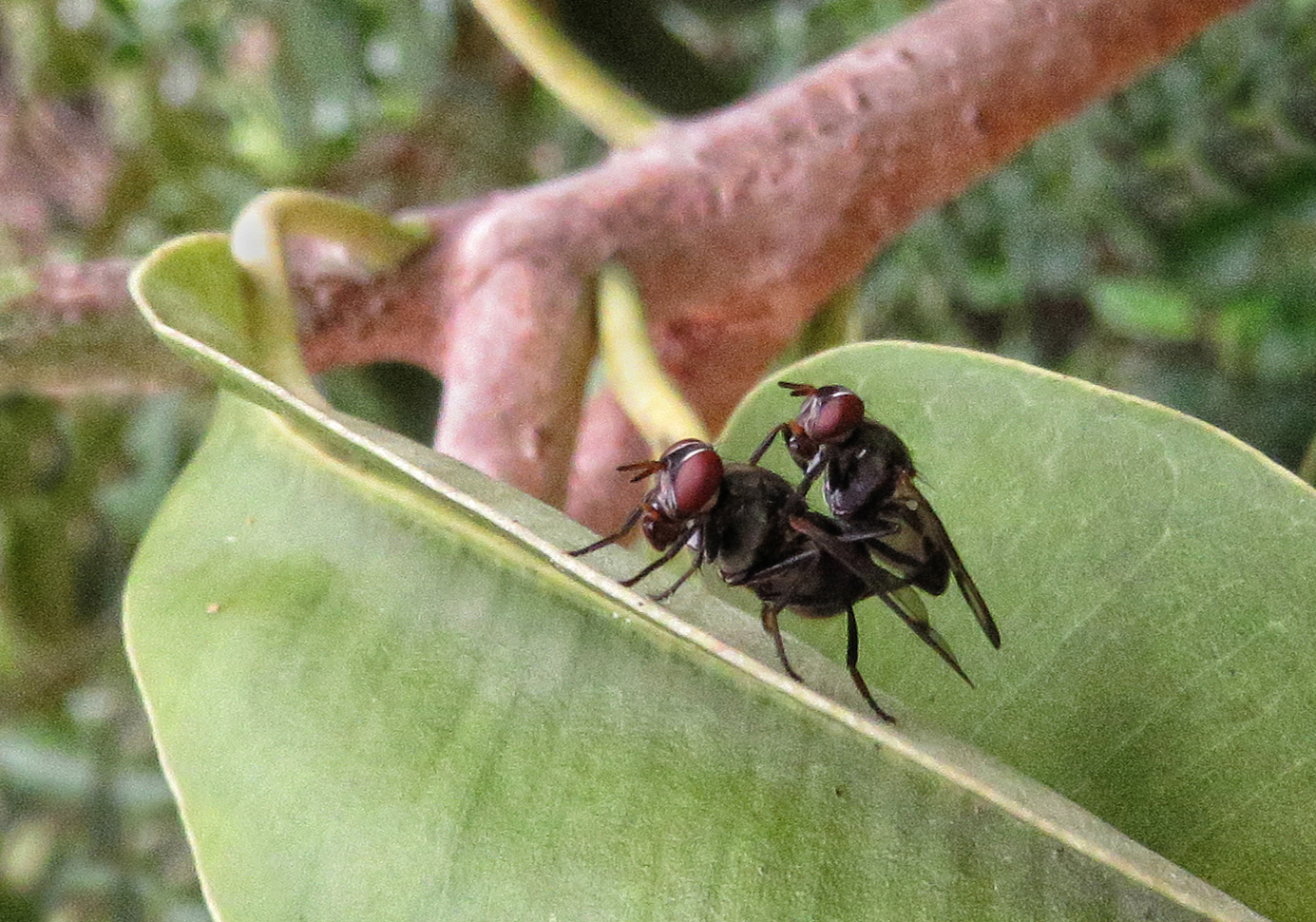
Tephritoidea is a large and diverse superfamily within the zoosubsection Acalyptratae (Zoosection Schizophora, Infraorder Cyclorrhapha, Order Diptera). It comprises a wide range of flies commonly referred to as fruit flies and their relatives. Members of this superfamily are distributed worldwide and are especially abundant in tropical and subtropical regions, though many species also occur in temperate zones.
Flies of Tephritoidea are generally small to medium-sized and are often recognized by their patterned wings, which may display bands, spots, or intricate markings. These patterns are frequently used in visual communication, including courtship displays and territorial behavior. The body is typically compact, with short antennae bearing an arista, and large compound eyes.
As members of Acalyptratae, they lack well-developed calypters at the base of the wings. Many species exhibit distinctive behaviors such as wing waving, flicking, or rhythmic movements that enhance their visual signals.
The life cycle involves complete metamorphosis. Larvae are usually phytophagous (plant-feeding) and often develop within plant tissues, including fruits, seeds, stems, or leaves. Some species form galls, while others feed internally within fruits, making them important agricultural pests. Pupation typically occurs in the soil or within the host plant.
Tephritoidea includes several important families, such as Tephritidae (true fruit flies), Ulidiidae (picture-winged flies), Platystomatidae, and others. Among these, Tephritidae is particularly well known for containing many economically significant pest species that affect fruit and vegetable crops.
Ecologically, Tephritoidea plays diverse roles. Many species are herbivores that influence plant population dynamics, while others contribute to decomposition or serve as prey for predators and parasitoids. Economically, some species are highly significant as agricultural pests, causing damage to crops, while others are studied for their complex behaviors and ecological interactions.