Bali Wildlife
Every Spices Matter


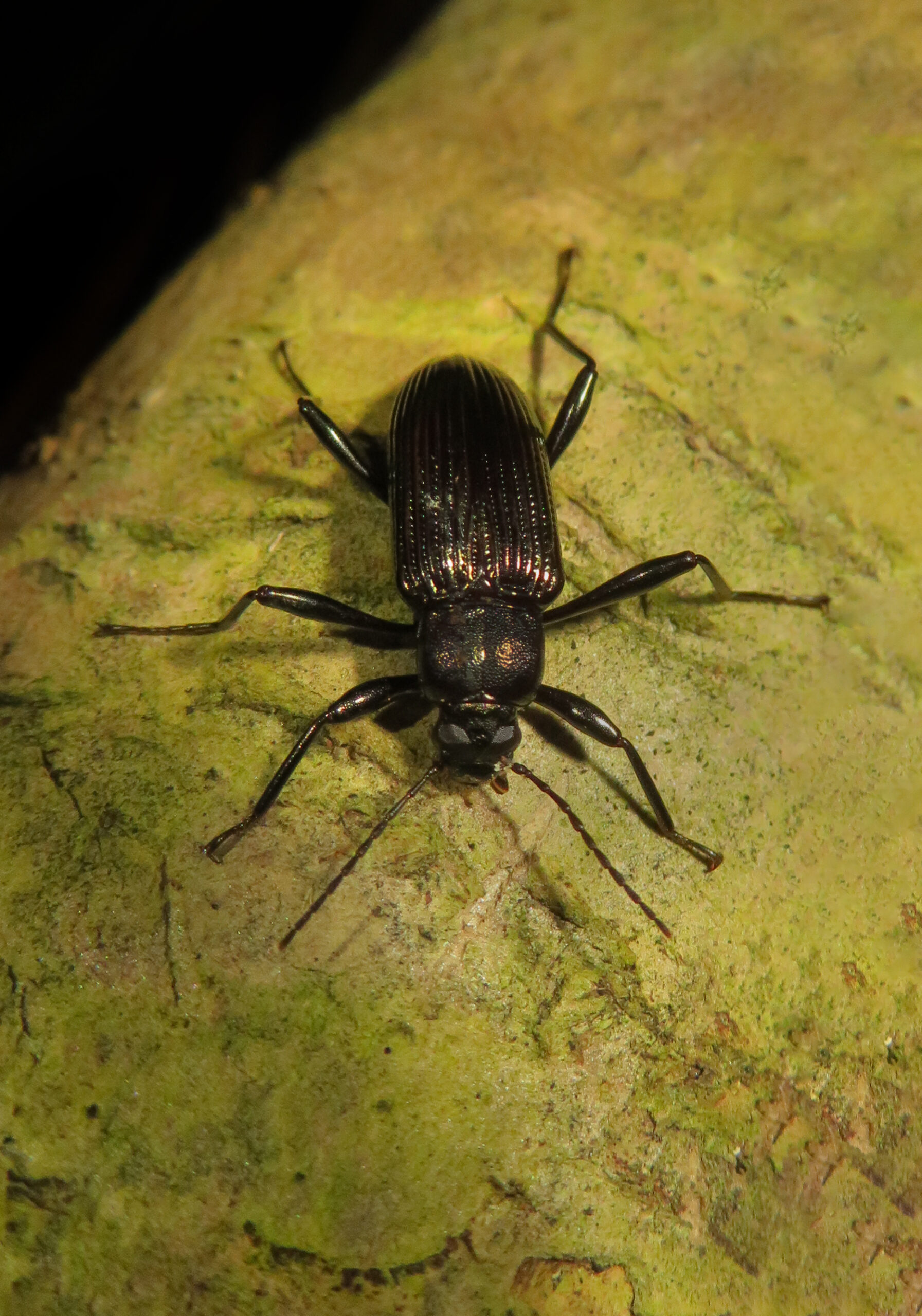
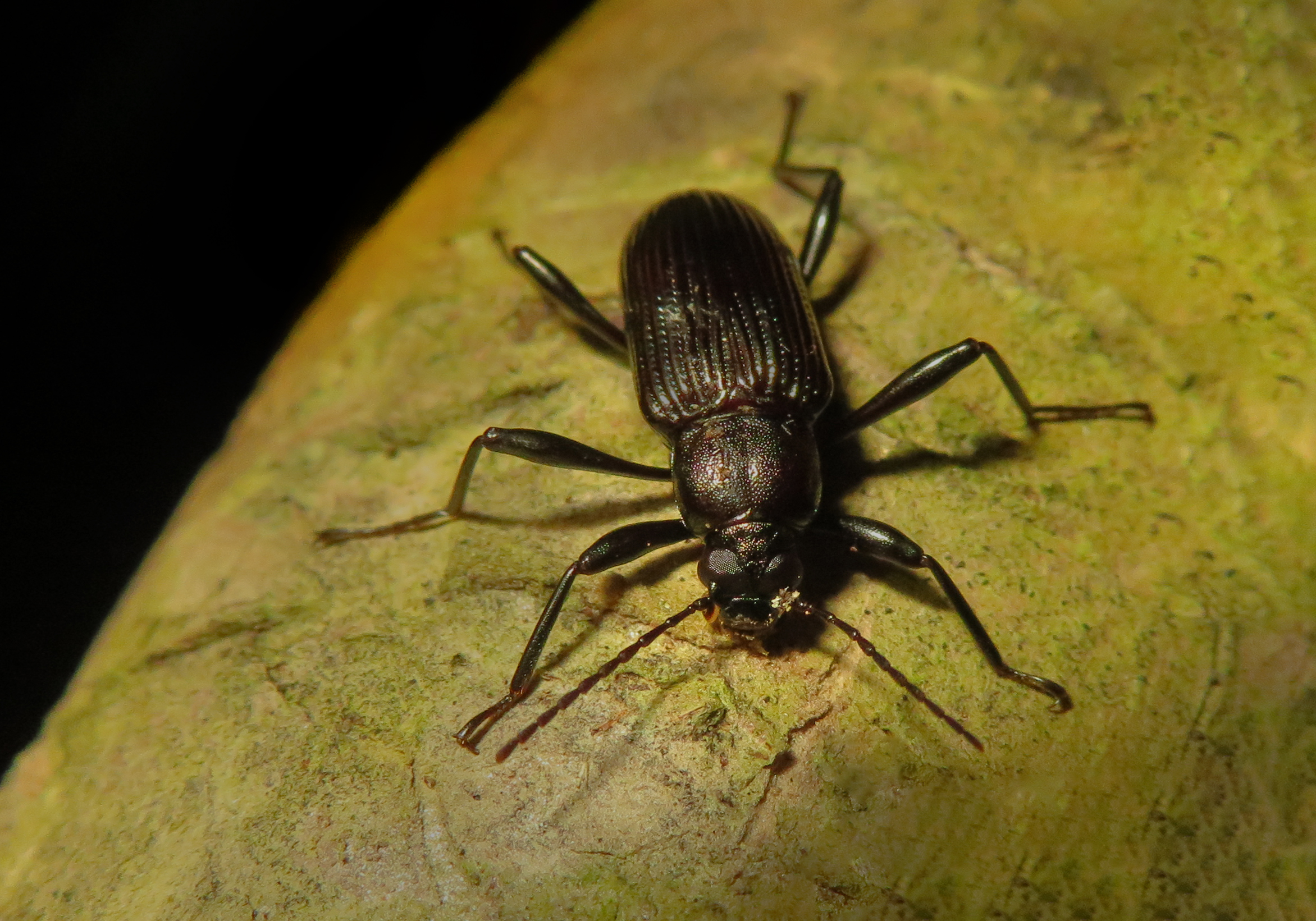
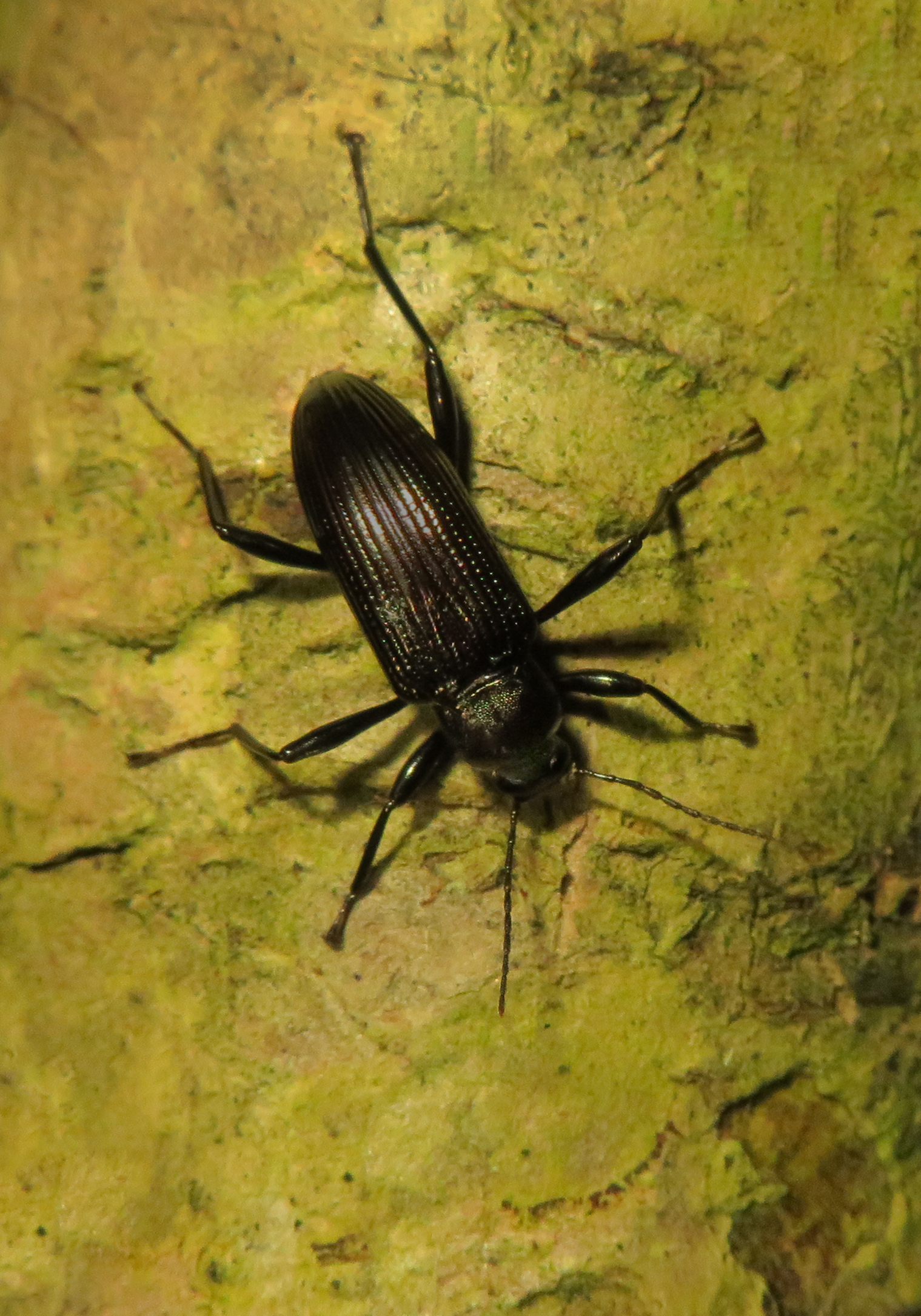
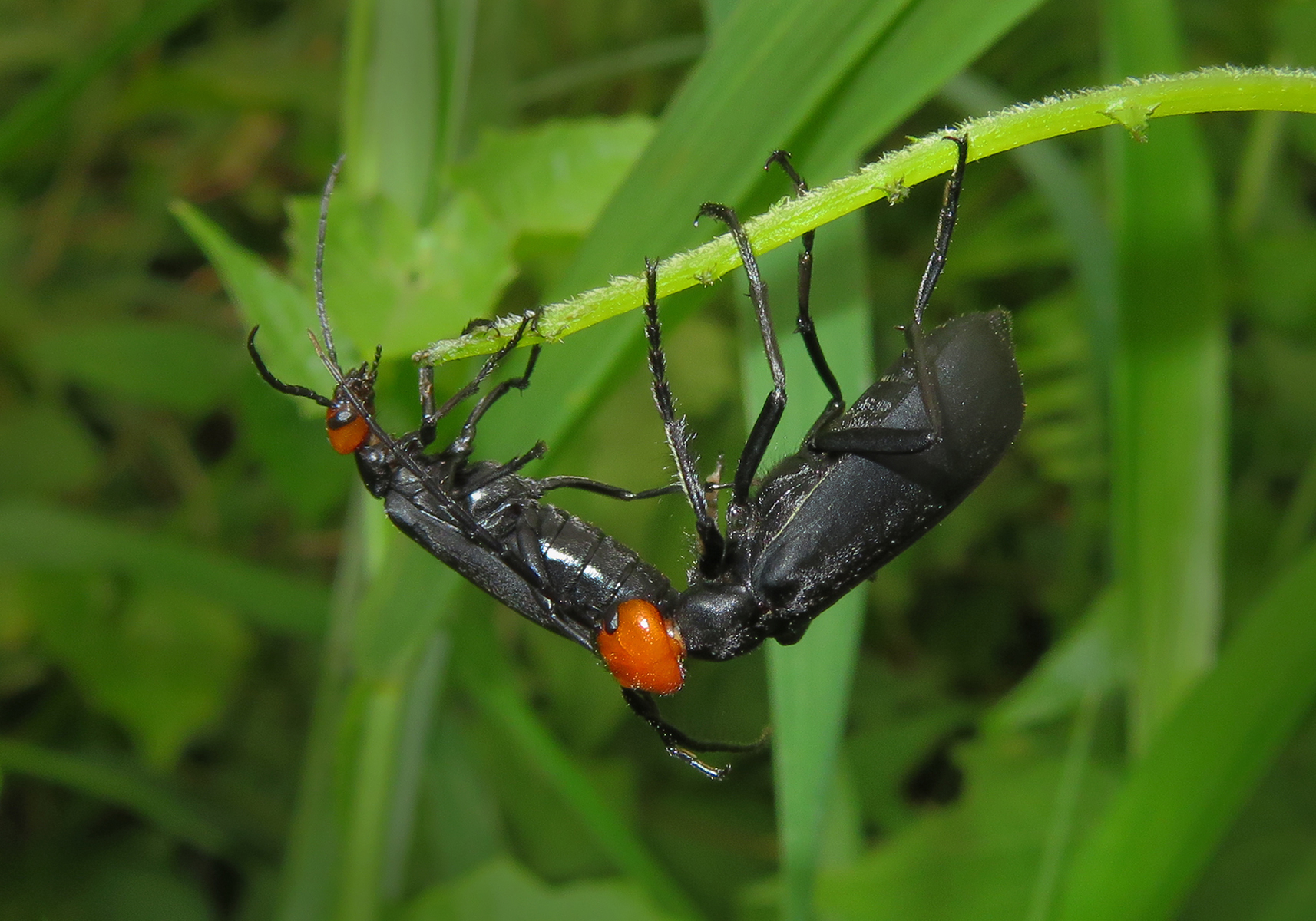
Tenebrionoidea is a large and diverse superfamily of beetles within the infraorder Cucujiformia (Order Coleoptera). It comprises a wide array of families with varied morphologies, life histories, and ecological roles, and is distributed worldwide across nearly all terrestrial habitats. Members of Tenebrionoidea are especially diverse in arid, semi-arid, and forested environments.
Beetles of Tenebrionoidea are generally characterized by soft to moderately sclerotized bodies, often elongate or oval in shape, with well-developed chewing mouthparts. Antennae vary widely in form, ranging from filiform to clavate or serrate. The tarsal formula is typically 5-5-4, although considerable variation exists among families. Many species have fused elytra and reduced hind wings, particularly those adapted to dry or desert habitats.
Feeding habits within Tenebrionoidea are highly diverse. Larvae and adults may be detritivorous, saprophagous, fungivorous, xylophagous, or phytophagous, and some groups are predatory. Larvae are often elongate and cylindrical, adapted for life in soil, leaf litter, decaying wood, or stored products. Many species play an important role in the decomposition of organic matter.
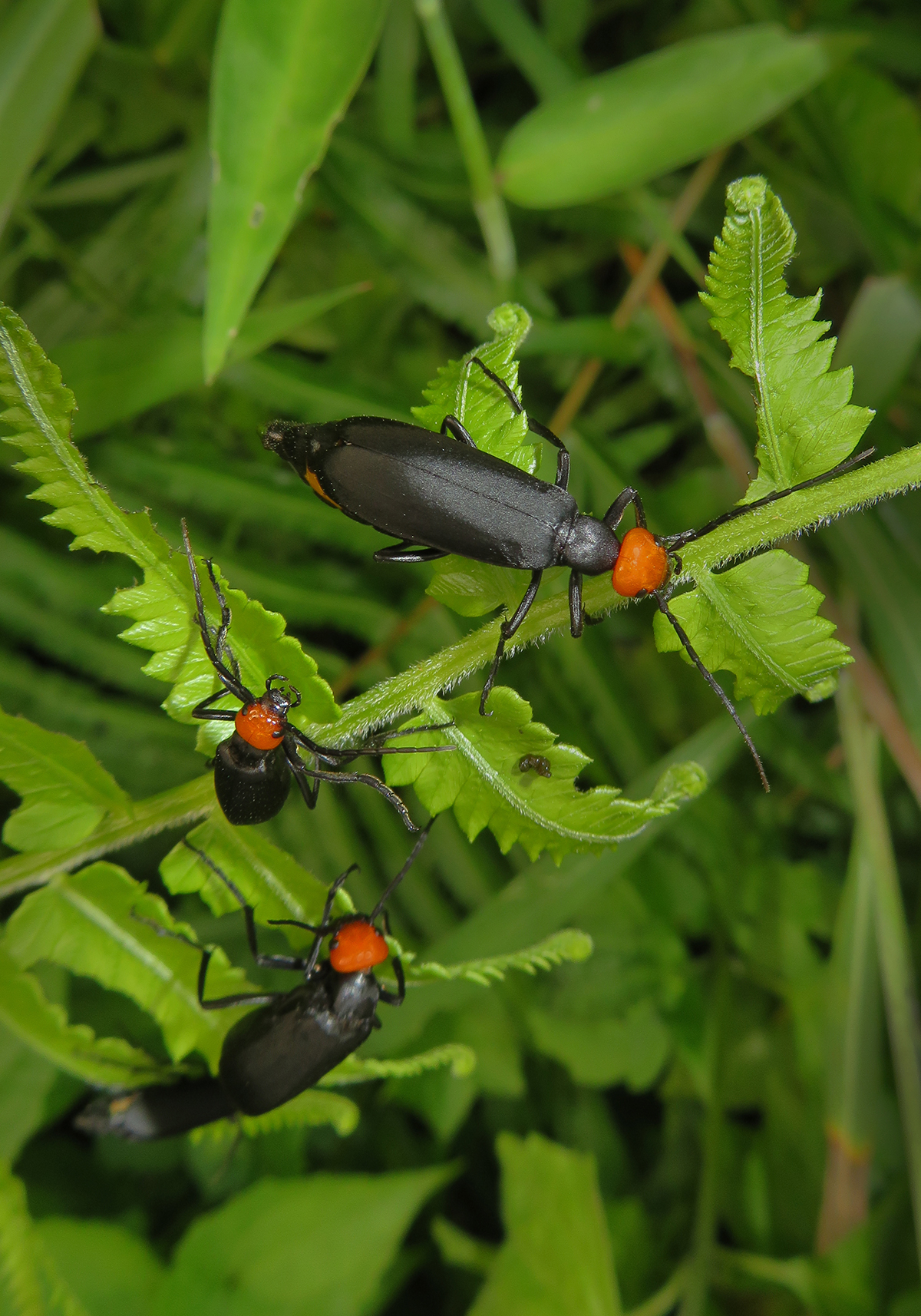
The superfamily includes several important families, most notably Tenebrionidae (darkling beetles), Meloidae (blister beetles), Mordellidae (tumbling flower beetles), Anthicidae (ant-like flower beetles), and Pyrochroidae. These families exhibit a wide range of behaviors, including chemical defense, hypermetamorphosis, and specialized plant or host associations.
Ecologically, Tenebrionoidea contributes significantly to nutrient cycling, soil health, and ecosystem stability. Some species are beneficial as decomposers or pollinators, while others are economically important as agricultural pests or pests of stored products. The morphological and ecological diversity of Tenebrionoidea reflects a long evolutionary history and makes it one of the most complex and adaptive superfamilies within the beetles.