Bali Wildlife
Every Spices Matter


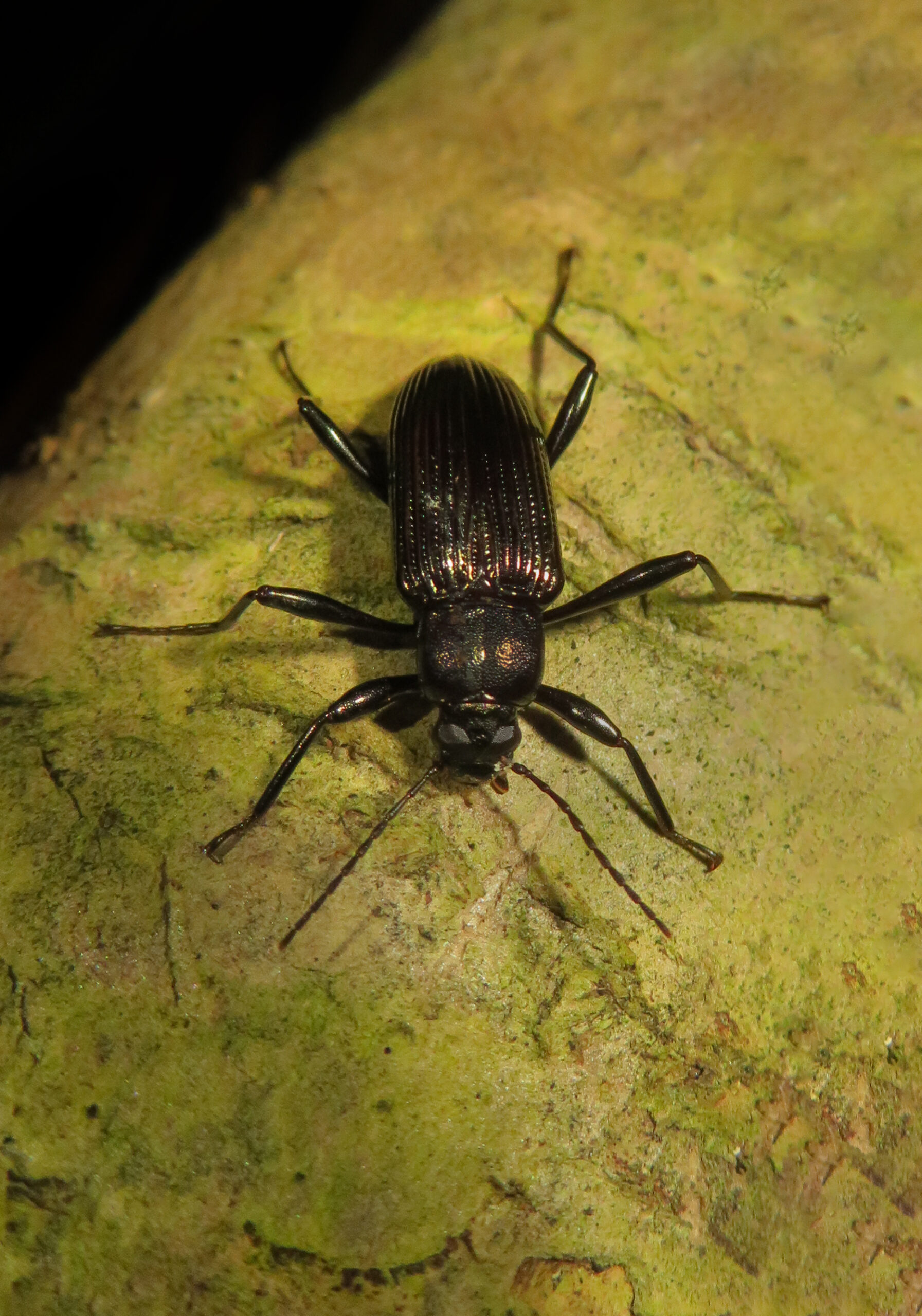
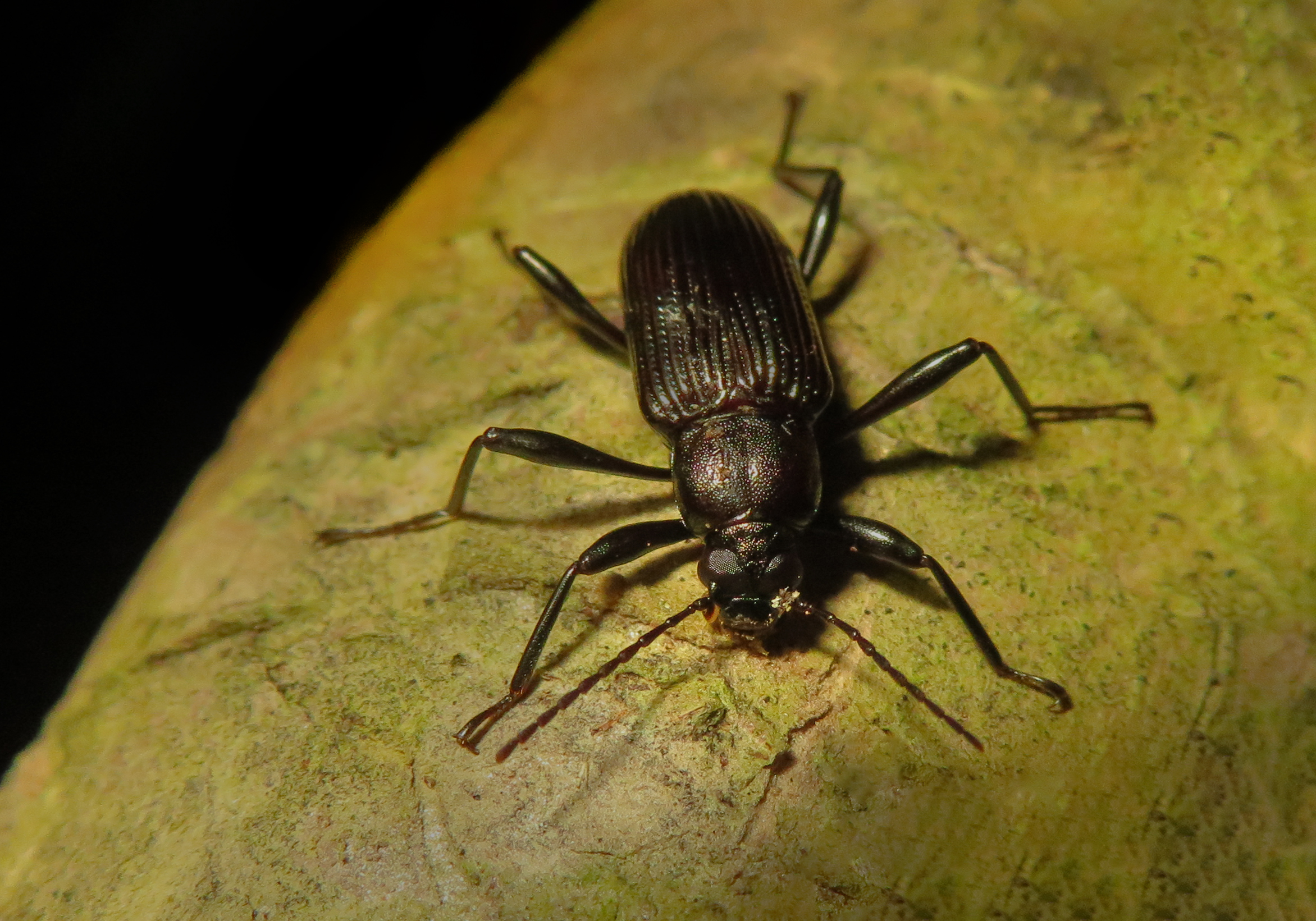
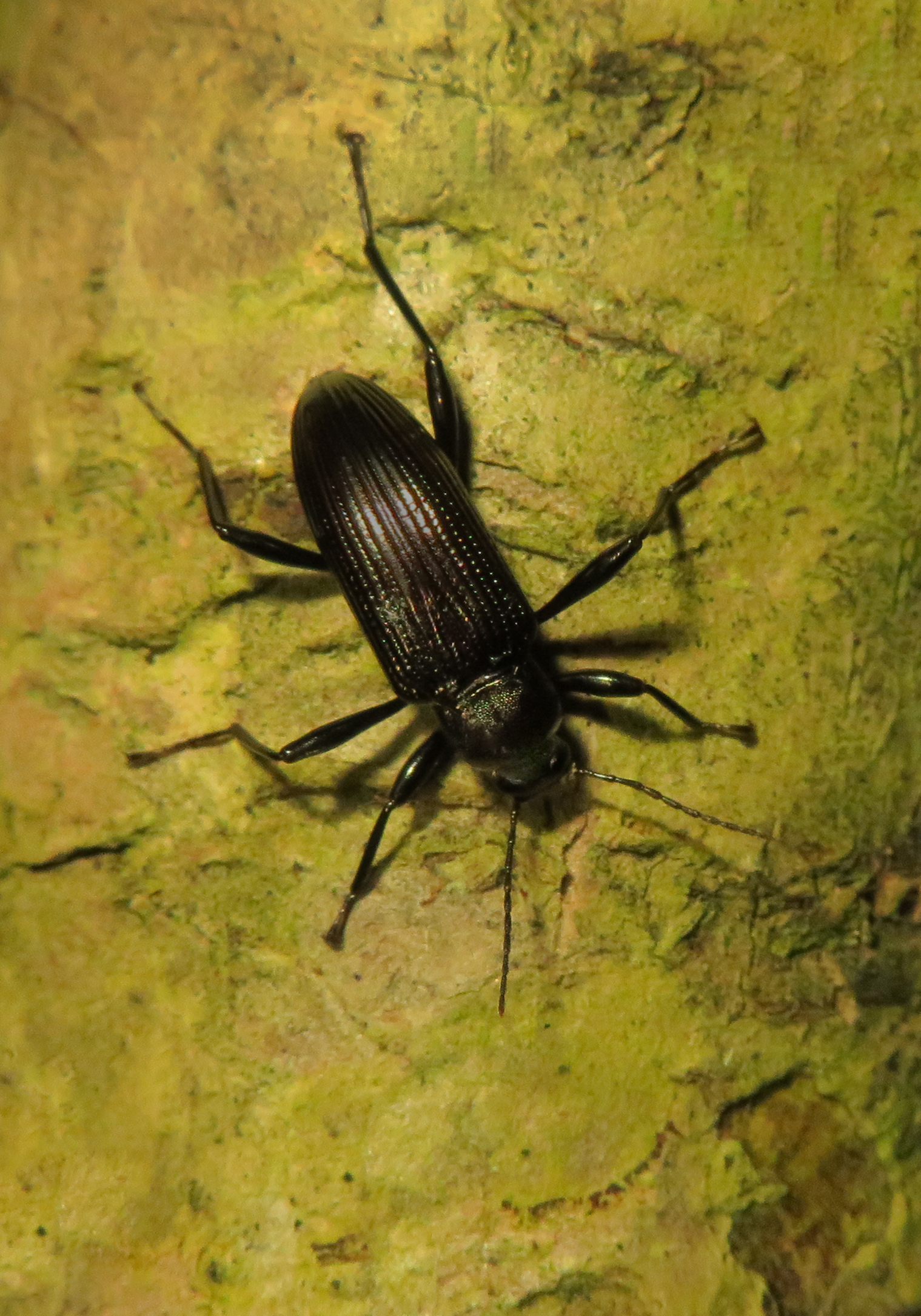
Tenebrionidae is a large and diverse family of beetles commonly known as darkling beetles, within the superfamily Tenebrionoidea (Order Coleoptera). The family contains thousands of species distributed worldwide, with particularly high diversity in arid and semi-arid regions.
Members of Tenebrionidae vary greatly in size and form, but most are medium-sized, robust beetles with an oval to elongate body. The coloration is typically dark brown to black, often matte, though some species may display metallic or patterned surfaces. The elytra are usually well developed and may be smooth, ridged, or sculptured. In desert-adapted species, the elytra are sometimes fused, reducing water loss and preventing flight.
Darkling beetles are especially known for their adaptations to dry environments. Many desert species have thickened cuticles to minimize water loss and may exhibit behaviors such as elevating the abdomen to collect moisture from fog.
Larvae, commonly called mealworms in some genera (e.g., Tenebrio), are elongate, cylindrical, and well sclerotized. They typically live in soil, leaf litter, decaying wood, or stored products. Most larvae and adults are saprophagous, feeding on decaying plant material, fungi, seeds, or organic debris, although some species are omnivorous.
Adults are generally nocturnal and hide under stones, bark, logs, or in soil during the day. Some species are important decomposers in natural ecosystems, while others may become pests of stored grains and agricultural products.
The life cycle follows complete metamorphosis: egg, larva, pupa, and adult. Development time varies widely depending on species and environmental conditions.
Family Tenebrionidae represents a major beetle lineage characterized by ecological versatility, especially strong adaptation to arid habitats, and an important role in decomposition and nutrient cycling.