Bali Wildlife
Every Spices Matter


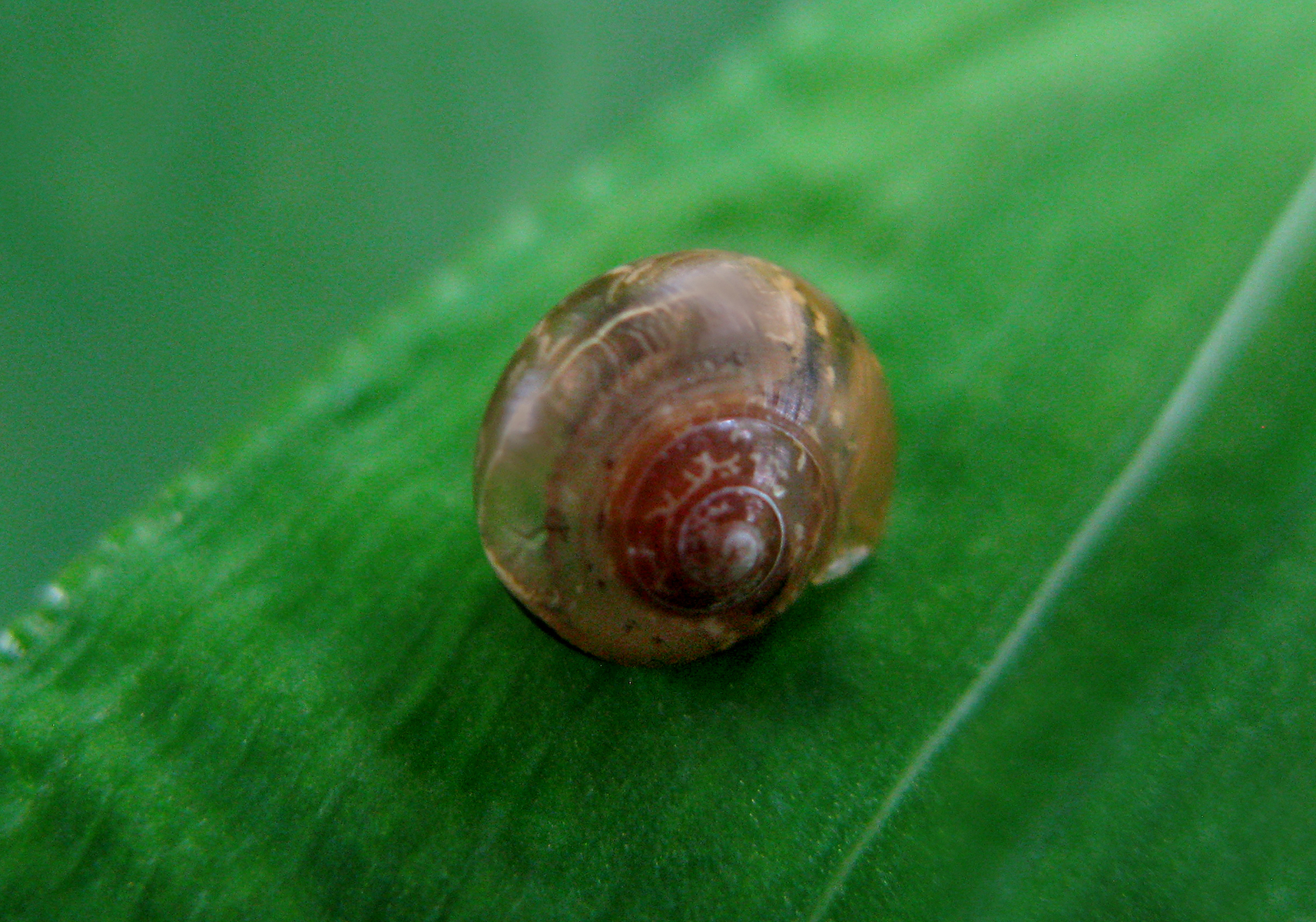
Tectipleura is a major subterclass within the infraclass Euthyneura (Subclass Heterobranchia, Class Gastropoda, Phylum Mollusca). It represents one of the most evolutionarily derived and diverse lineages of gastropods, including many marine sea slugs as well as most terrestrial and freshwater snails and slugs.
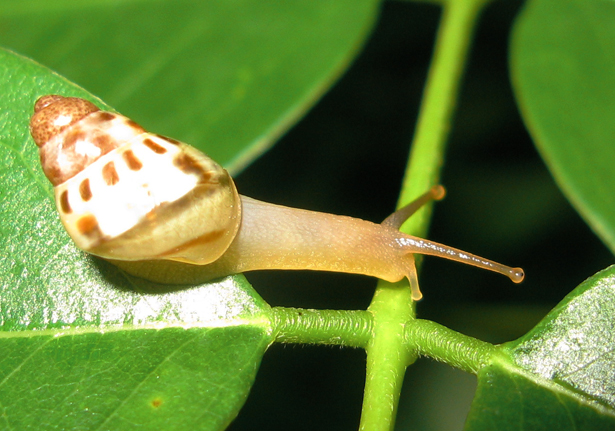
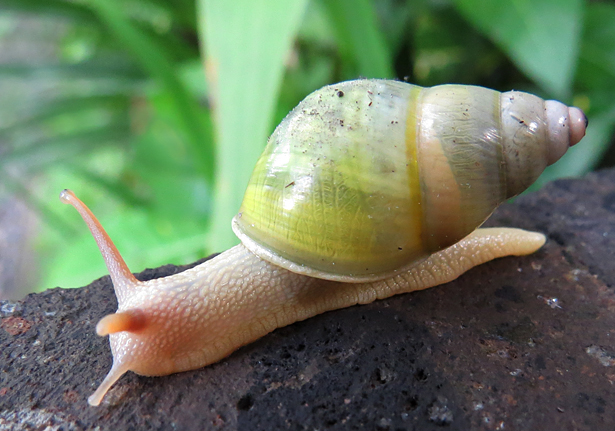
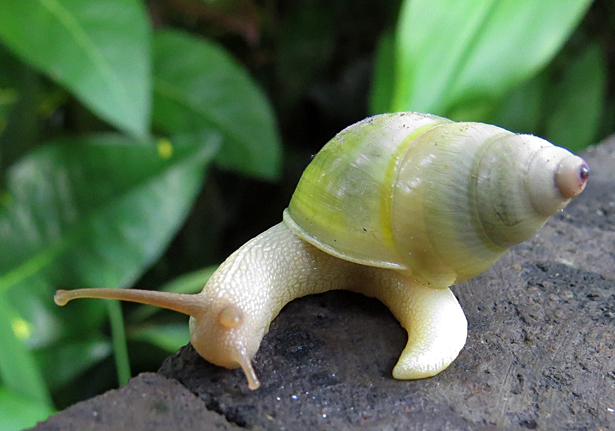
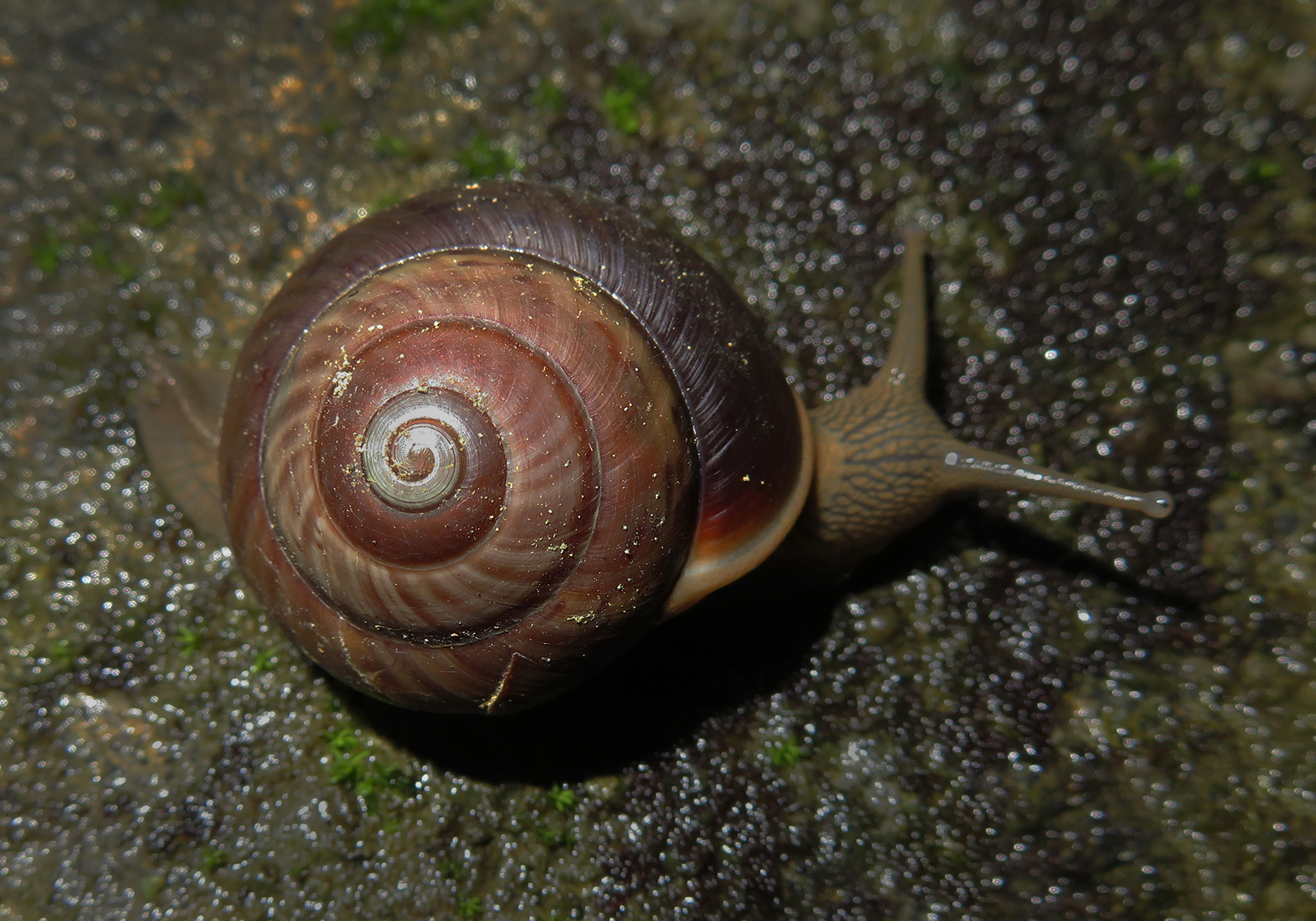
Members of Tectipleura are characterized by advanced anatomical modifications associated with the euthyneuran condition, including centralization of the nervous system and varying degrees of detorsion. A common trend within the group is shell reduction or complete loss, especially among marine lineages such as sea slugs, although many terrestrial forms retain a well-developed external shell.
The mantle cavity in tectipleurans shows significant modification. In terrestrial representatives, it forms a pulmonate lung adapted for air breathing, while marine species may possess secondary gills or rely on body surface respiration. Sensory structures are generally well developed, supporting complex behaviors and environmental interactions.
Feeding strategies are highly diverse and include herbivory, detritivory, predation, parasitism, and specialized dietary adaptations. Some marine tectipleurans are known for their ability to sequester defensive chemicals from prey or produce their own toxins.
Reproduction in Tectipleura is predominantly hermaphroditic, often with intricate reproductive anatomy and mating behaviors. Development varies from planktonic larval stages in many marine species to direct development in numerous terrestrial and freshwater taxa.
Ecologically, Tectipleura occupies an extraordinary range of habitats—from coral reefs and coastal environments to forests, grasslands, wetlands, and freshwater systems. The group plays important roles in nutrient cycling, plant and algae regulation, and food webs, and includes species of ecological and economic significance.
Subterclass Tectipleura represents a highly successful and adaptable radiation within Euthyneura, distinguished by anatomical innovation, respiratory diversification, and broad ecological distribution.