

Tribe Taphronotini
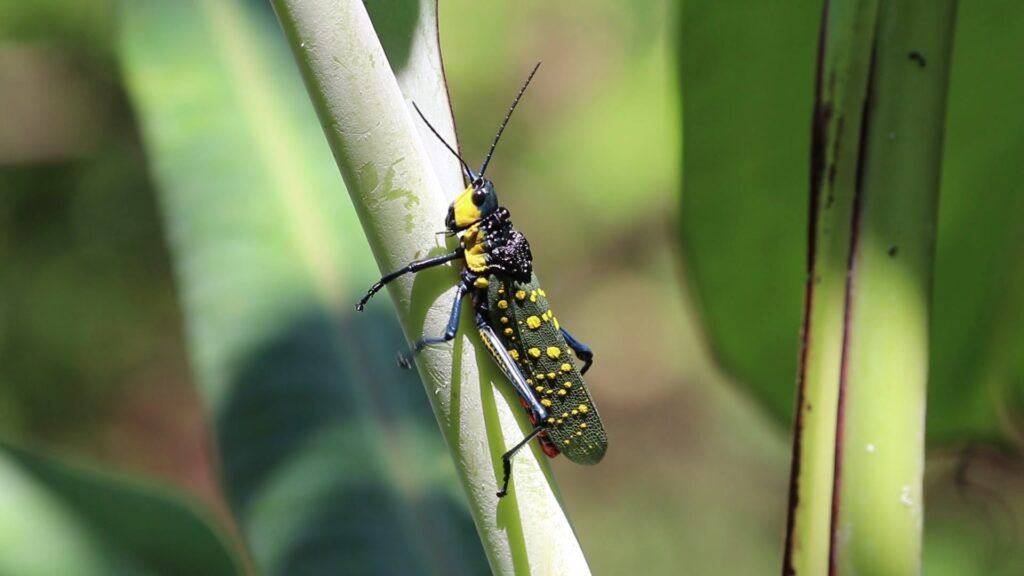
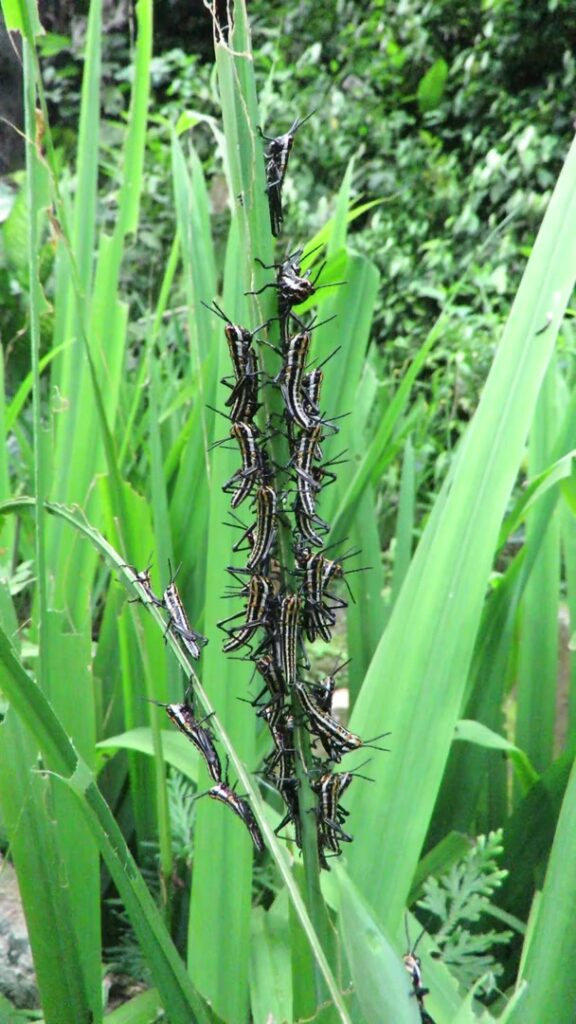
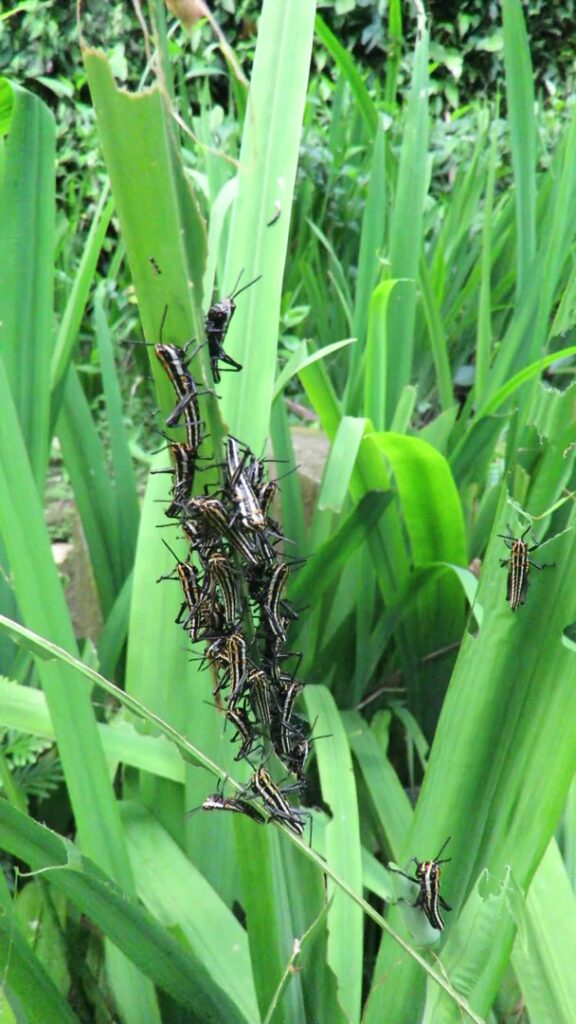
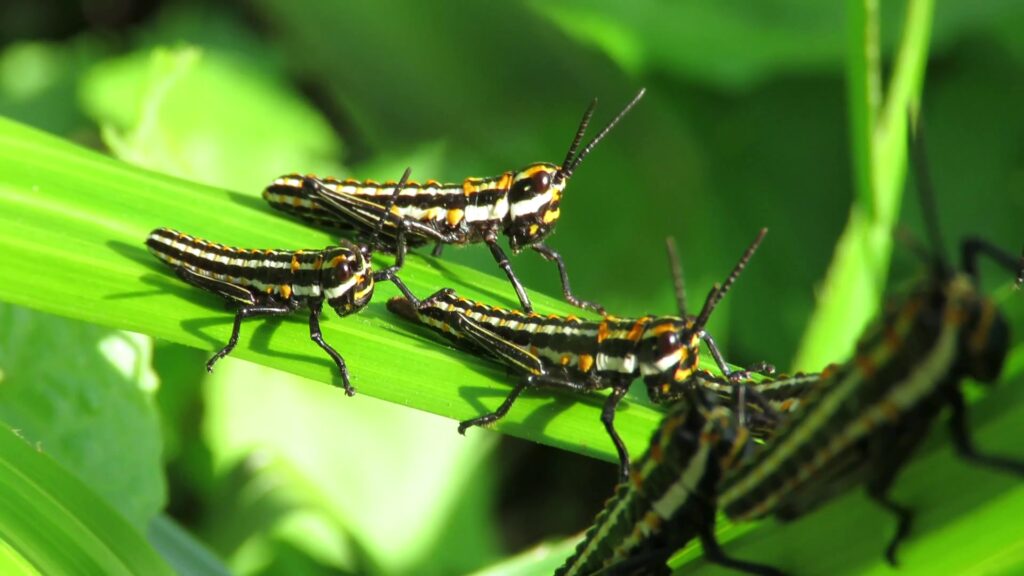
Taphronotini is a tribe of grasshoppers belonging to the family Pyrgomorphidae within the order Orthoptera. The tribe forms part of the diverse group of short-horned grasshoppers known for their varied body shapes, strong hind legs, and adaptations to different terrestrial habitats. Like other pyrgomorphid grasshoppers, members of Taphronotini are herbivorous insects that depend on vegetation for food and shelter. Their classification and relationships are based primarily on morphological characteristics used to distinguish them from other groups within Pyrgomorphidae.
Members of Taphronotini share the general body structure typical of short-horned grasshoppers, including a relatively compact body, short antennae, and enlarged hind legs adapted for jumping. Their exoskeleton provides protection, while the shape of the head, pronotum, and wings offers important characteristics for taxonomic identification. Coloration may vary among species, ranging from green and brown to darker shades that help them blend into grasses, leaves, and other vegetation.
The pronotum, which covers the upper surface of the thorax, is an important anatomical feature in grasshopper classification. Its shape, surface texture, and lateral margins can help distinguish related taxa. Other useful characteristics include the structure of the head, the arrangement of body markings, the length and development of the wings, and the proportions of the hind legs. Detailed examination of these features is often necessary to identify members of Taphronotini accurately.
As members of Pyrgomorphidae, Taphronotini grasshoppers are associated with terrestrial habitats containing suitable plant resources. Depending on the species, related pyrgomorphid grasshoppers may occur in grasslands, open woodland, scrub, forest margins, and agricultural landscapes. Vegetation provides food, shelter, and sites for reproduction. However, the exact geographic distribution and habitat preferences of Taphronotini should be established from verified records of its constituent genera and species.
Grasshoppers in this broader family are primarily herbivorous, feeding on leaves, shoots, flowers, and other plant tissues. Their feeding preferences vary according to species, with some consuming a wide range of plants and others showing stronger associations with particular host plants. Through their feeding activity, they influence vegetation and transfer energy from plants to predators and other organisms. Their specific dietary habits should not be assumed to be identical across all members of the tribe.
The life cycle of Taphronotini is expected to follow the typical pattern of grasshoppers, with egg, nymph, and adult stages. Females generally lay eggs in soil or other suitable substrates. The young hatch as nymphs that resemble smaller versions of adults and develop through successive molts before reaching maturity. Temperature, rainfall, humidity, and food availability influence development and reproductive activity in grasshoppers.
As part of terrestrial food webs, pyrgomorphid grasshoppers can serve as prey for birds, reptiles, amphibians, spiders, and predatory insects. Some members of Pyrgomorphidae possess chemical defenses or warning coloration, although these features must be confirmed for particular species rather than assumed for the entire tribe. Their ecological importance lies in their interactions with vegetation and the animals that feed upon them.
The taxonomy of Taphronotini requires reference to specialist classifications because the relationships and limits of tribes within Pyrgomorphidae may differ among taxonomic treatments. Reliable information about its recognized genera, species, distribution, and distinguishing anatomical features is essential for a precise account of the group.
Overall, Taphronotini represents a taxonomic group within the diversity of pyrgomorphid grasshoppers. Its members share the general adaptations of short-horned grasshoppers, including powerful jumping legs, plant-based diets, and development through incomplete metamorphosis. Further taxonomic and ecological study is needed to document the tribe’s diversity and clarify its place within the evolutionary history of Pyrgomorphidae.