Bali Wildlife
Every Spices Matter


Tachinidae is a large and diverse family of flies within the superfamily Oestroidea (Order Diptera), commonly known as tachinid flies. The family is distributed worldwide and is especially abundant in tropical and temperate regions. Tachinids are found in a wide variety of habitats, including forests, grasslands, agricultural fields, and gardens.
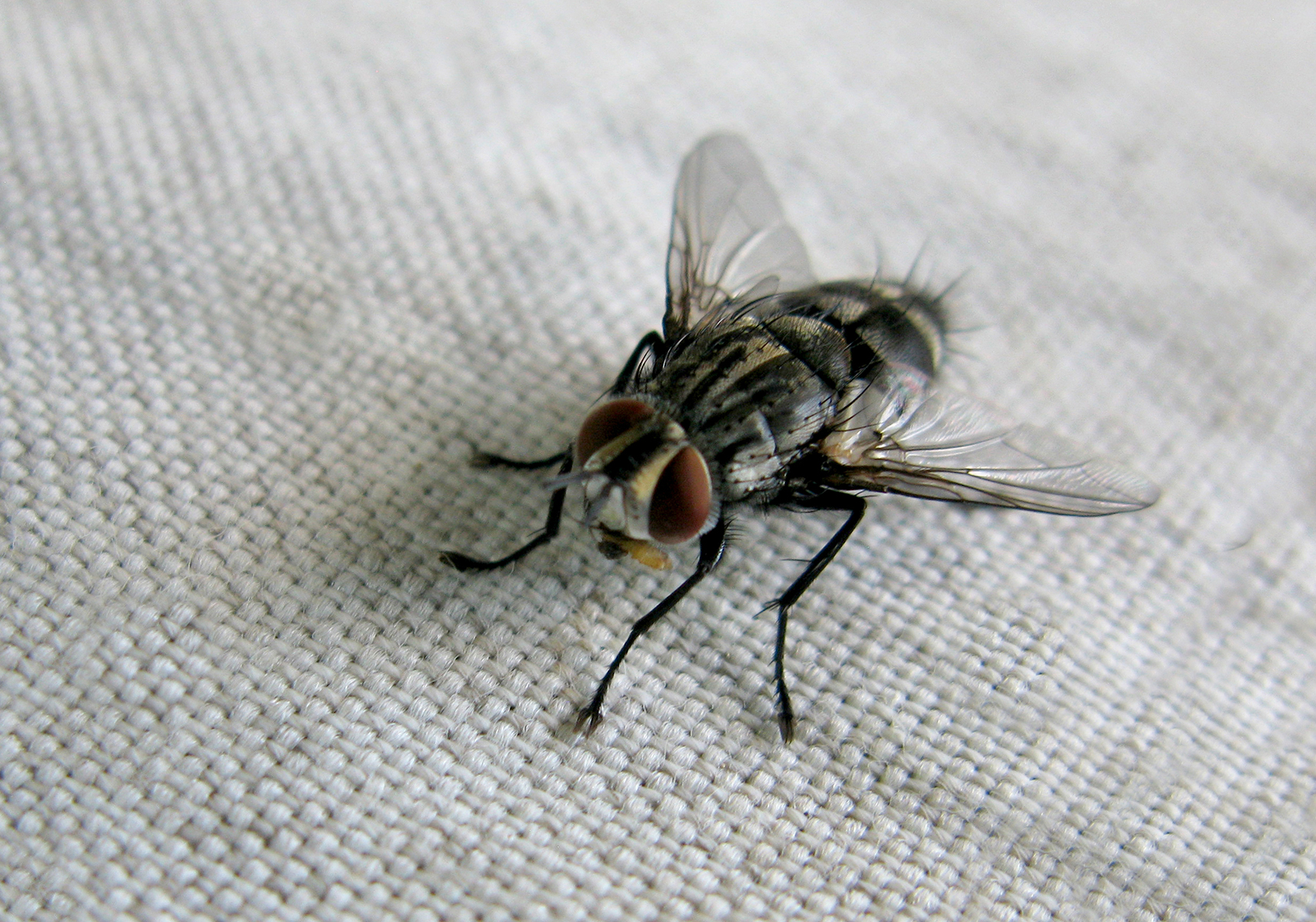
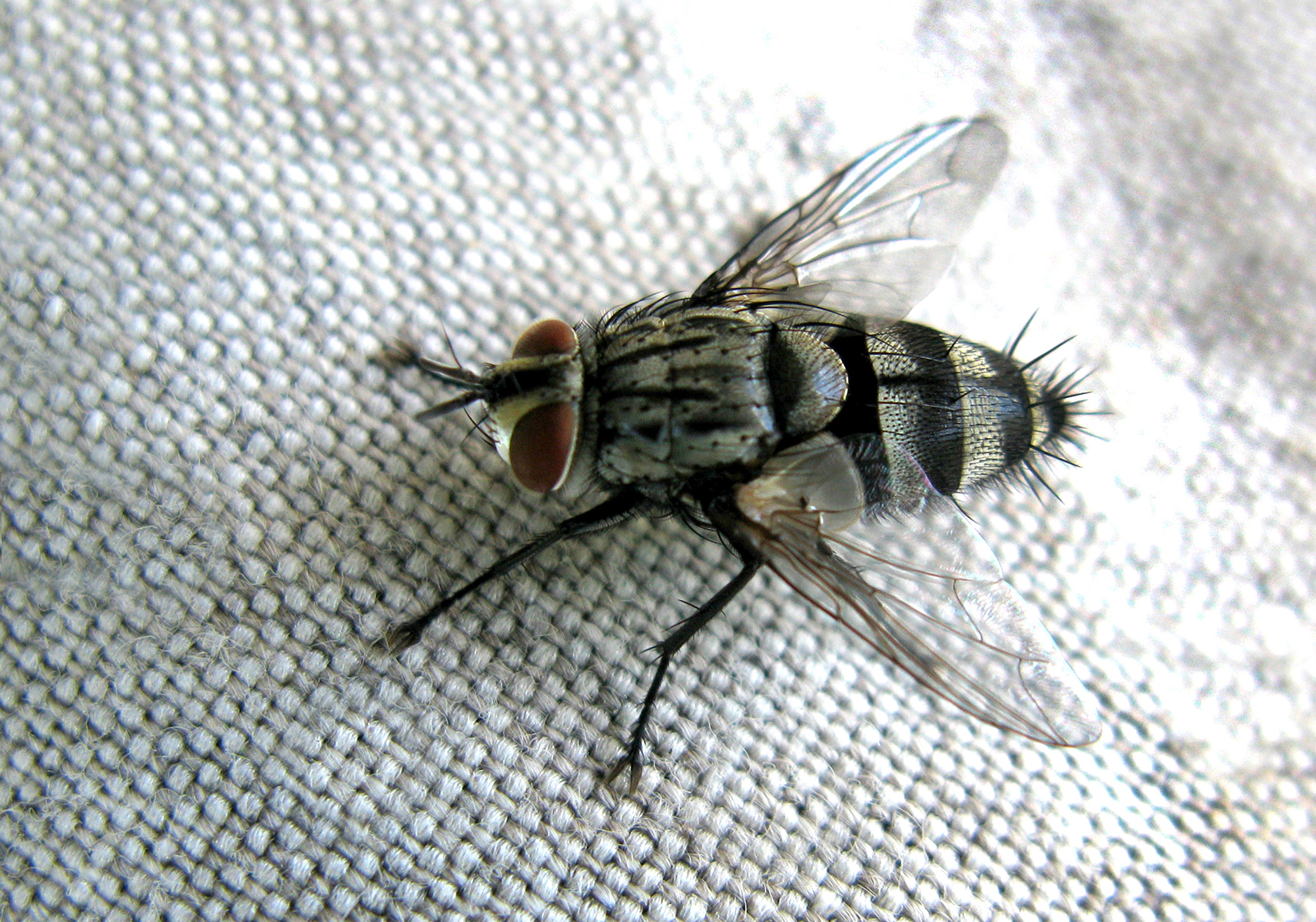
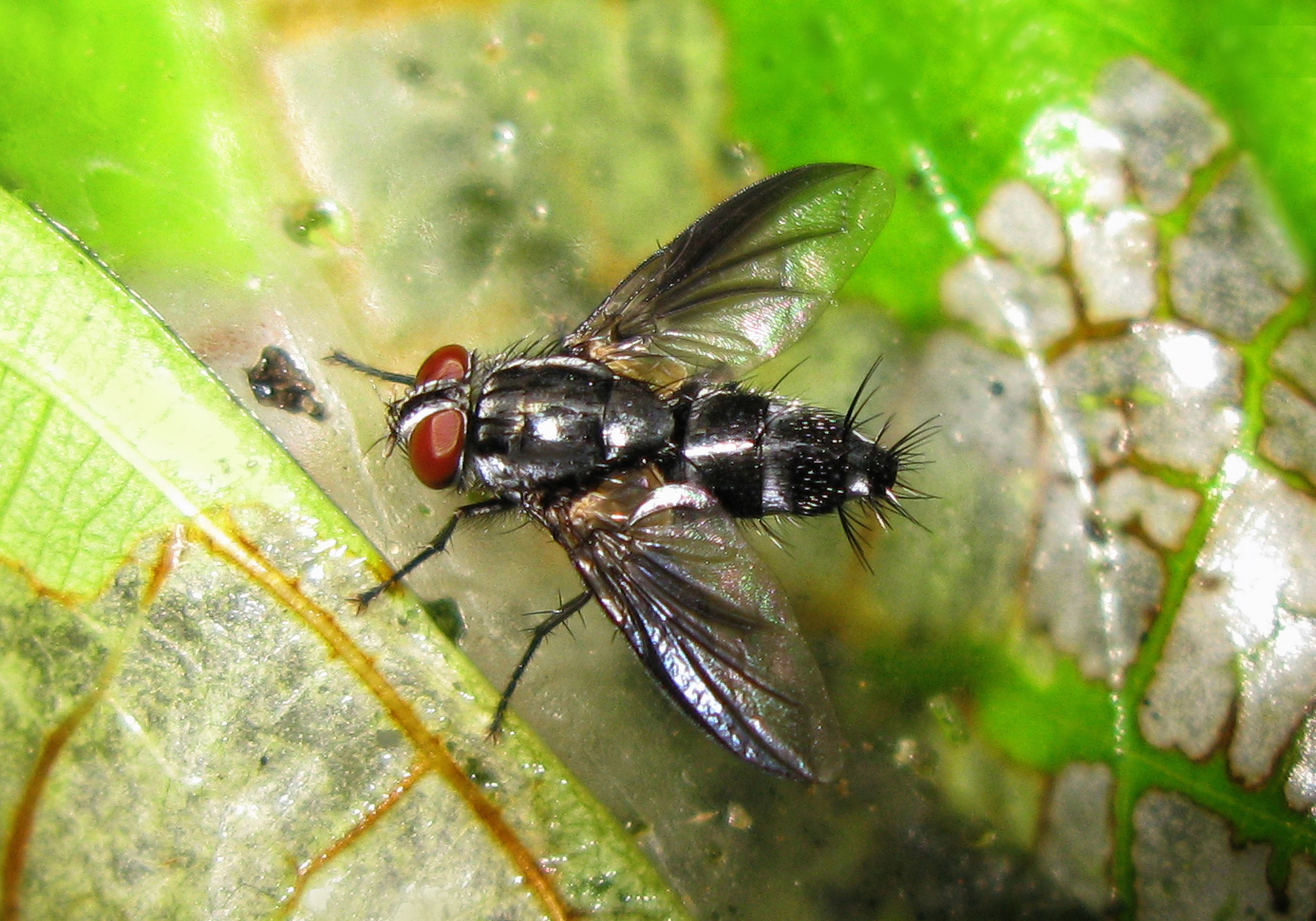
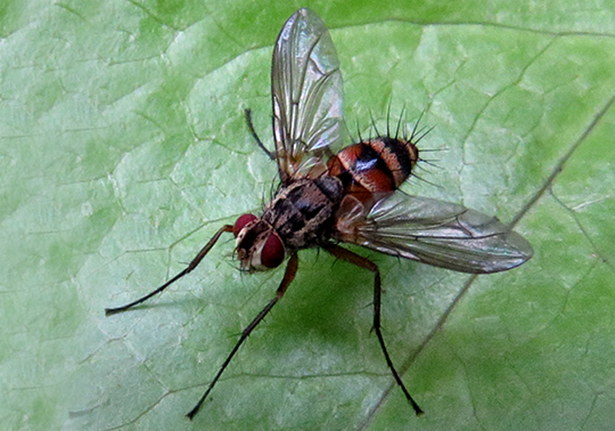
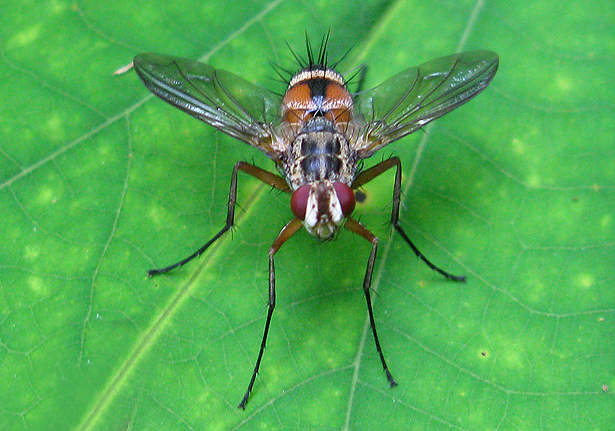
Tachinid flies are typically small to large and often have a robust, bristly body. Many species resemble house flies, blowflies, or bees, but can be distinguished by their strong bristles (setae) and diverse body forms. Coloration varies widely, ranging from dull gray or black to metallic or brightly patterned species. The head is usually large with well-developed compound eyes and short antennae bearing an arista.
Like other calyptrate flies, Tachinidae possess well-developed calypters at the base of the wings and a ptilinal suture on the head. Adults are generally strong fliers and are commonly observed visiting flowers.
The life cycle involves complete metamorphosis. A defining feature of Tachinidae is their parasitoid lifestyle. Females lay eggs on or near host insects, or in some cases directly inside the host. The larvae develop within or on the host, eventually killing it. Hosts are typically other insects, especially caterpillars, beetles, true bugs, and other arthropods.
Adults feed primarily on nectar, pollen, or honeydew, making them occasional pollinators. Their need for floral resources often brings them into close association with flowering plants.
The family Tachinidae includes numerous genera and species, representing one of the largest families of Diptera. Their diversity reflects a wide range of host relationships and ecological strategies.
Ecologically, Tachinidae plays a crucial role in regulating populations of other insects through parasitism. Many species are beneficial in agriculture as natural enemies of pest insects and are used in biological control programs. Their dual role as parasitoids and occasional pollinators makes them an important component of terrestrial ecosystems.