Bali Wildlife
Every Spices Matter


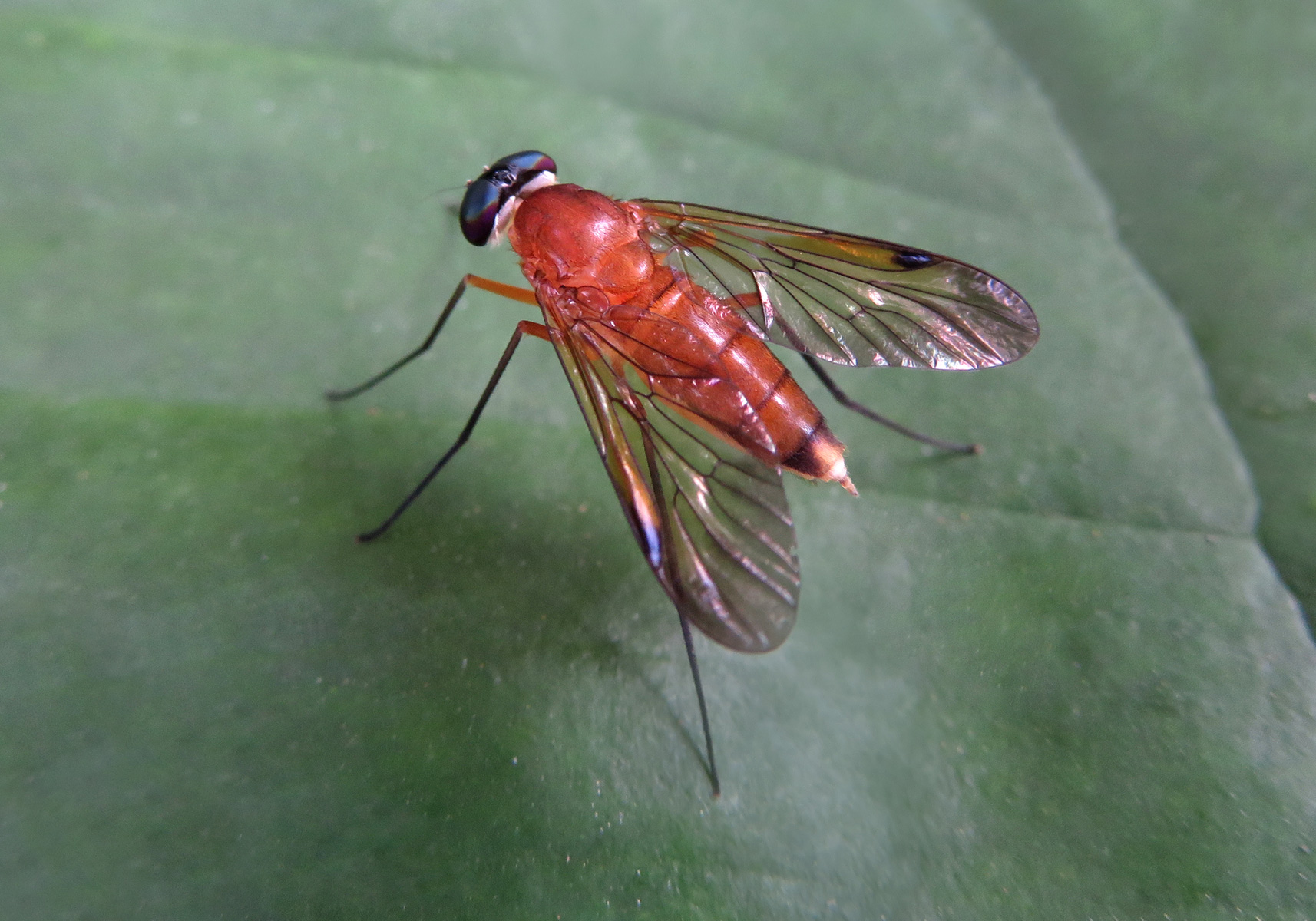
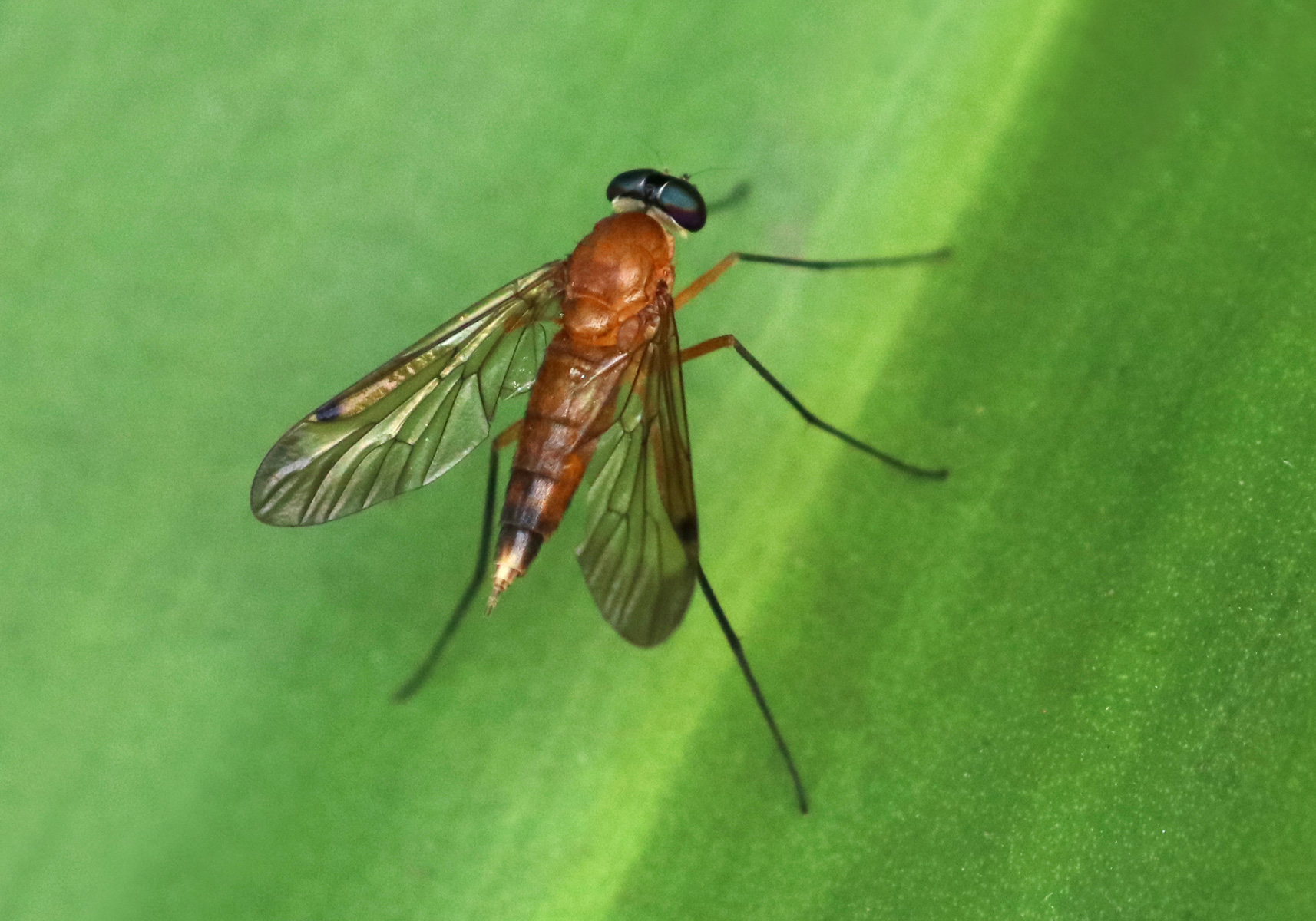
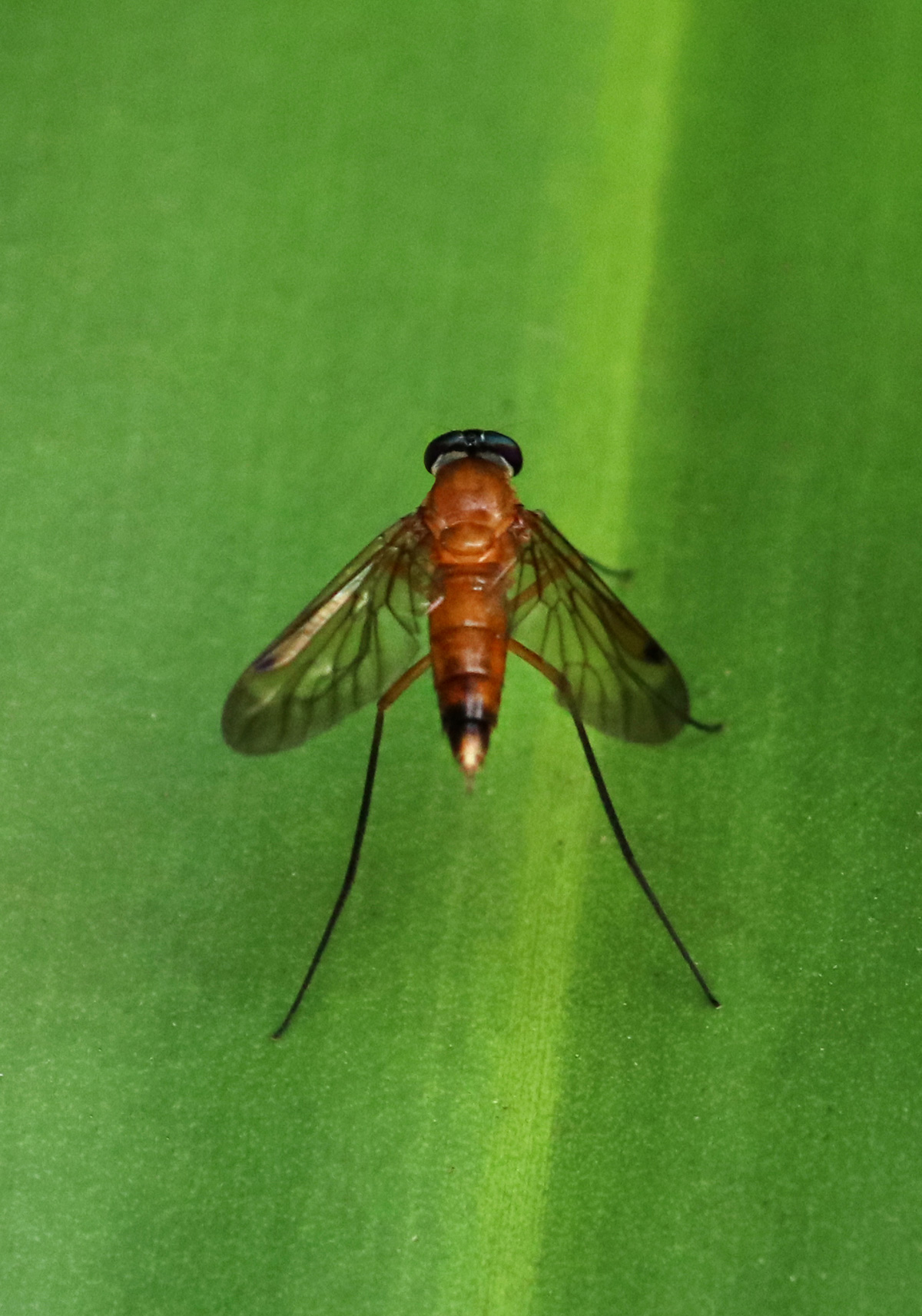
Tabanomorpha is a parvorder within the infraorder Orthorrhapha (Suborder Brachycera, Order Diptera), comprising a group of primitive higher flies that includes horse flies, snipe flies, and their relatives. Members of this parvorder are widely distributed across the world and are commonly found in a variety of habitats, particularly in moist environments such as wetlands, forests, and near freshwater.
Flies of Tabanomorpha are generally medium to large in size and often have a robust or elongated body. The head is typically large, with well-developed compound eyes that may be brightly colored or patterned, especially in horse flies. Antennae are relatively short but often have distinctive shapes, such as annulated or segmented structures.
Like other brachyceran flies, they possess a single pair of functional wings, with hind wings reduced to halteres. The wings are usually clear or lightly tinted and are held flat or slightly angled when at rest.
The life cycle involves complete metamorphosis. Larvae are typically found in moist soil, aquatic habitats, or decaying organic material. They are often predatory, feeding on other invertebrates, or may be detritivorous depending on the species. Pupation usually occurs in soil or near the larval habitat.
Feeding habits vary among adults. In many species, males feed on nectar and plant juices, while females of certain groups, particularly in the family Tabanidae (horse flies), are blood feeders and require a blood meal for egg development. Other families may have adults that are primarily predatory or nectar-feeding.
The parvorder includes families such as Tabanidae (horse flies), Rhagionidae (snipe flies), Athericidae (water snipe flies), and others. These families exhibit a range of ecological roles and adaptations.
Ecologically, Tabanomorpha plays multiple roles in ecosystems. Larvae contribute to predation and nutrient cycling in soil and aquatic habitats, while adults may act as pollinators or predators. However, some members, particularly blood-feeding horse flies, are of medical and economic importance due to their impact on livestock and their potential to transmit diseases.