Bali Wildlife
Every Spices Matter


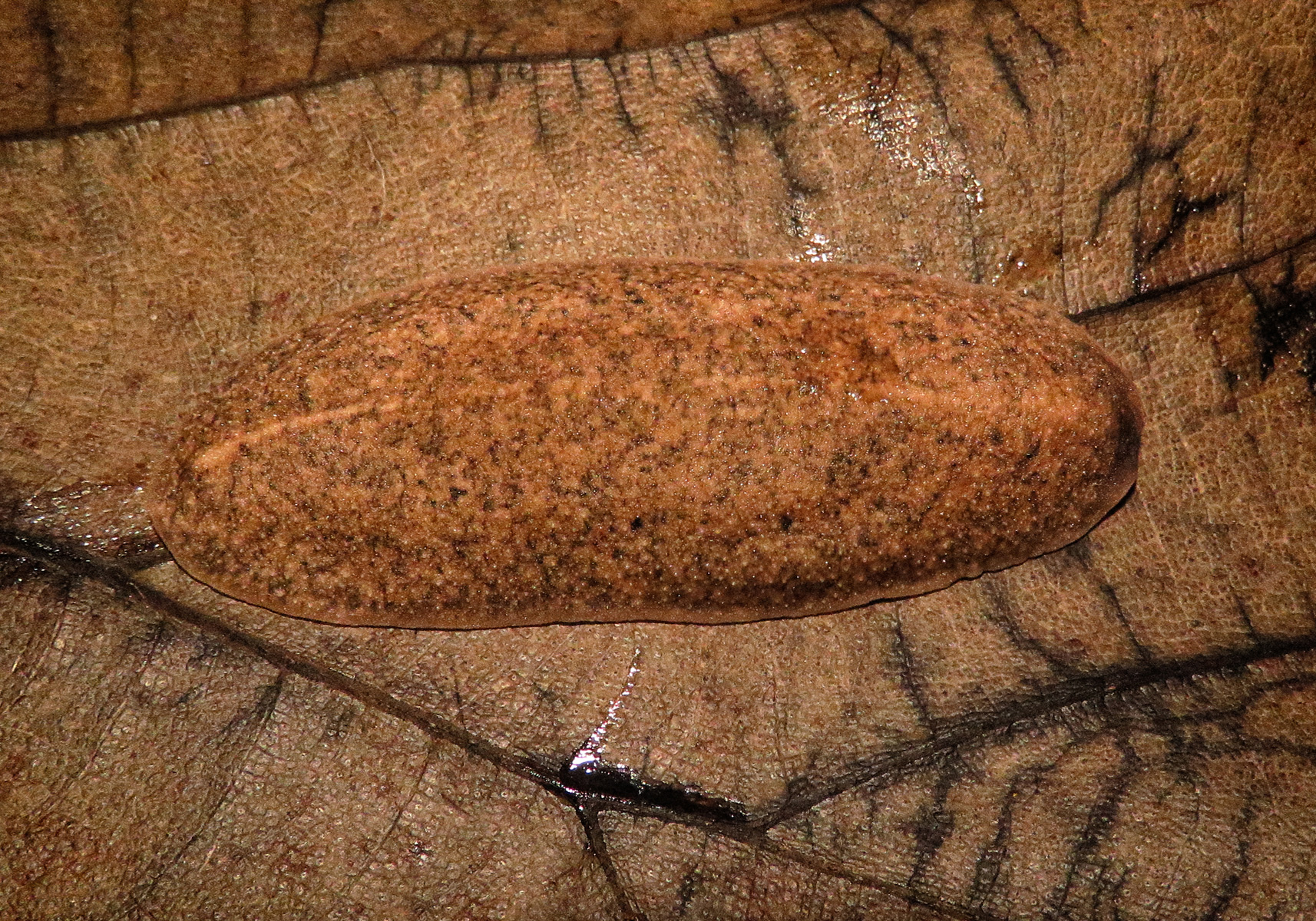
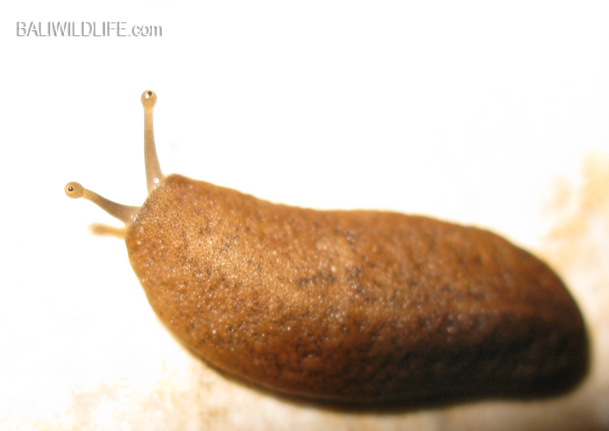
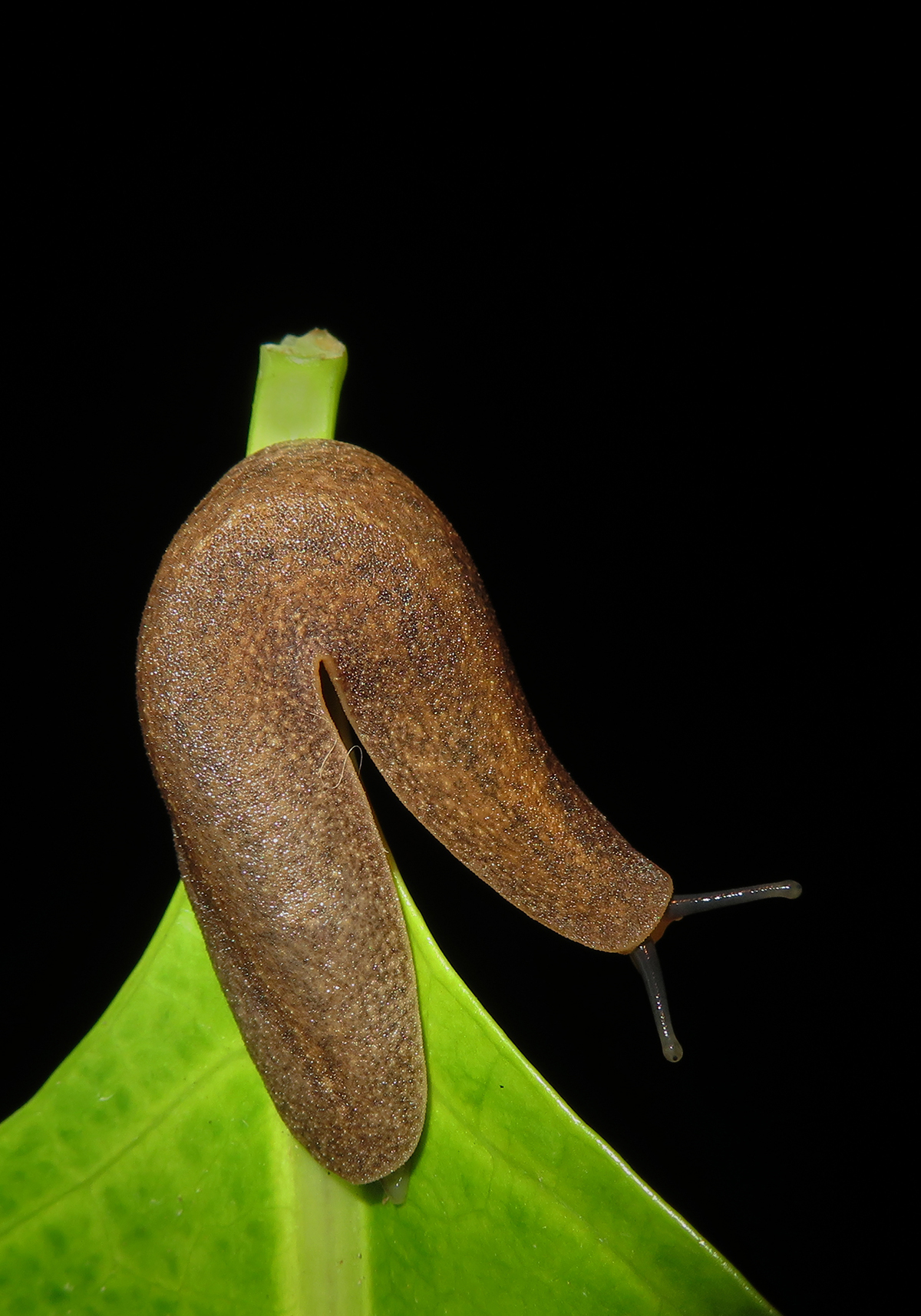
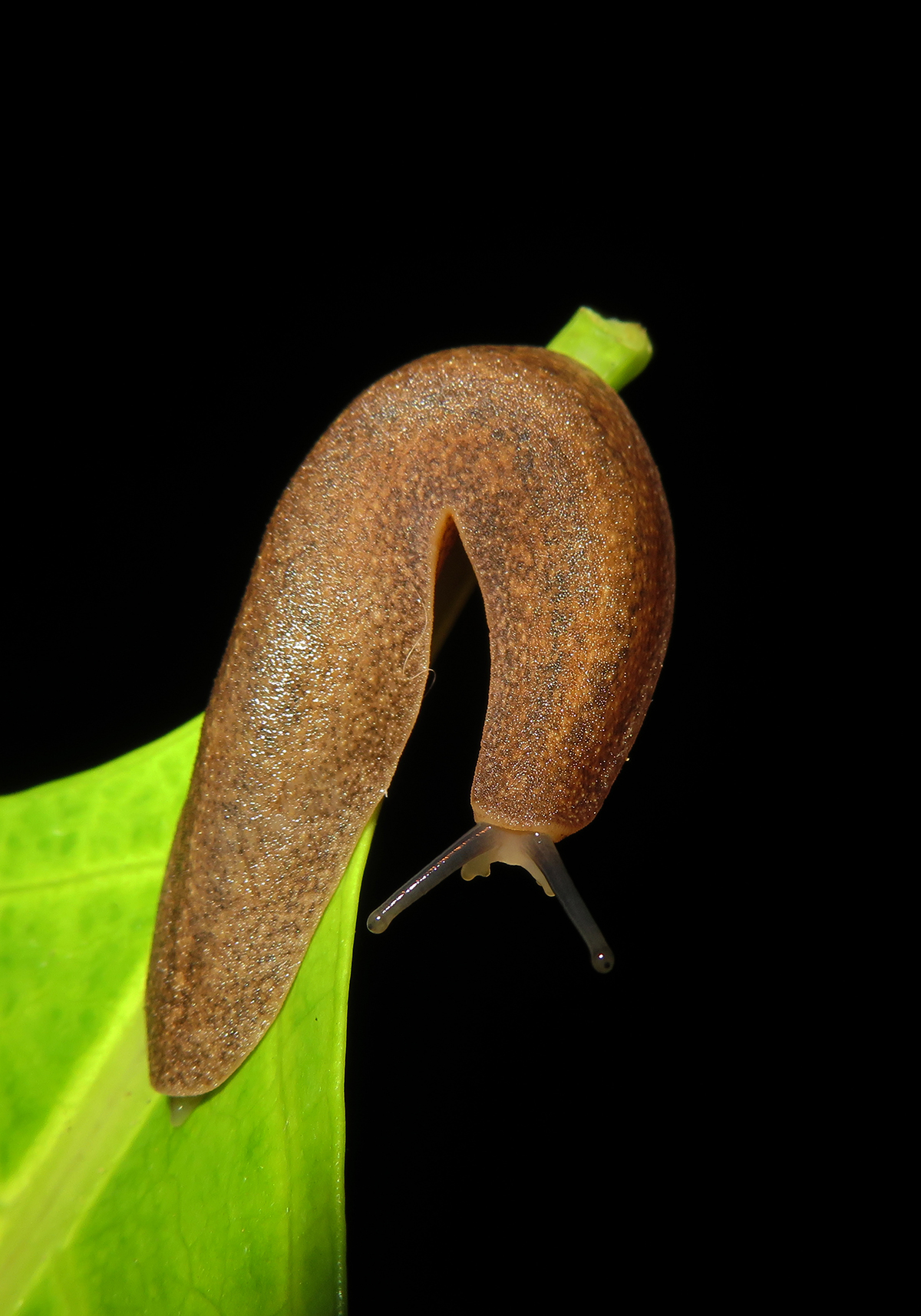
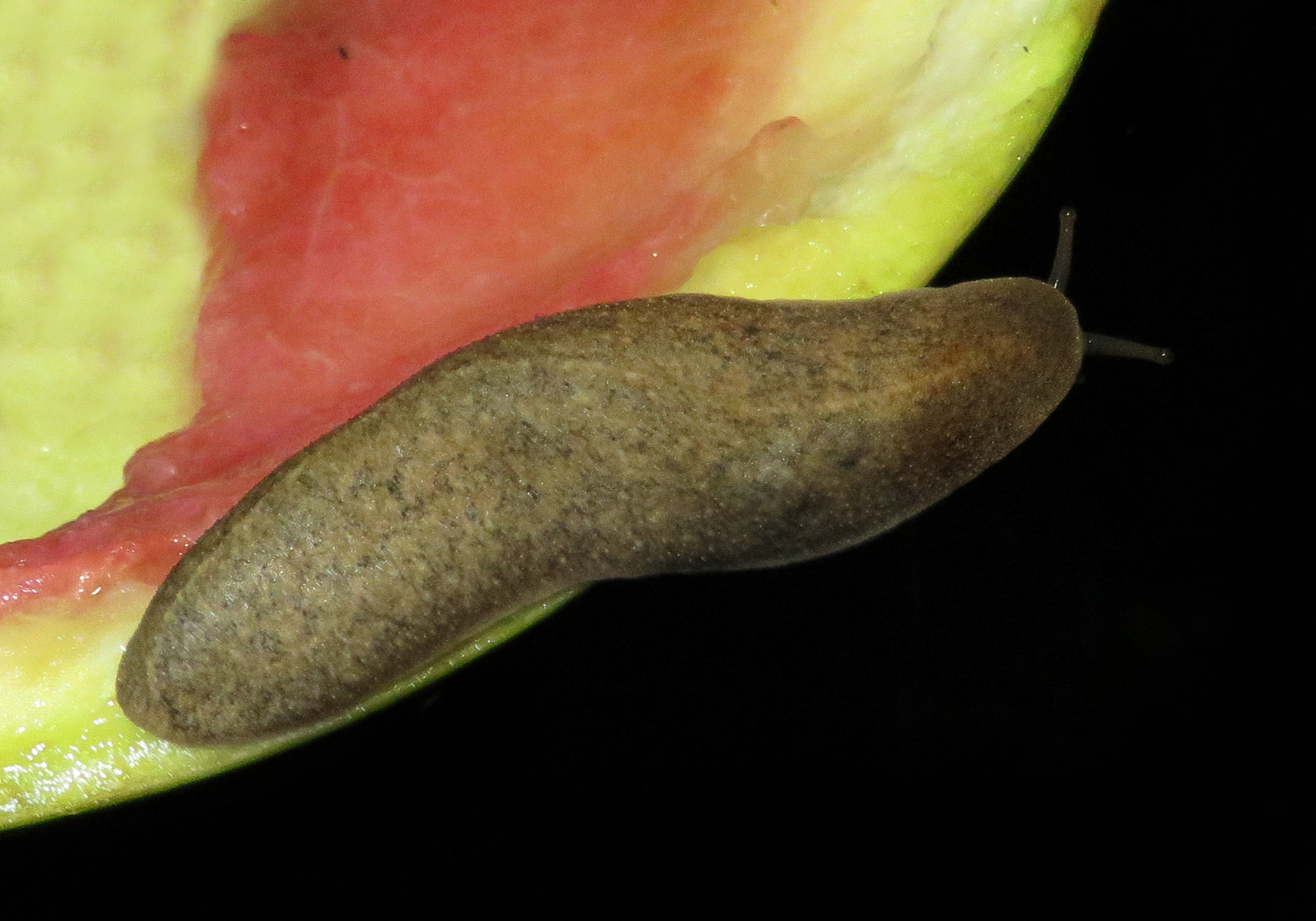
Systellommatophora is an order of air-breathing gastropods within the subclass Heterobranchia (Class Gastropoda, Phylum Mollusca). This group comprises a distinctive lineage of shell-less or nearly shell-less slugs, many of which are adapted to terrestrial or semi-terrestrial environments, while some inhabit marine coastal zones.
Members of Systellommatophora are characterized by the complete absence of an external shell in adult stages, with only internal vestiges present in some species. The body is typically elongated and flattened, with a well-developed muscular foot used for crawling. Unlike stylommatophoran land snails, they lack retractile eye-bearing tentacles; instead, their sensory organs are generally reduced or modified.
Respiration occurs through a vascularized dorsal body surface or a modified mantle cavity, rather than a distinct pneumostome typical of many land snails. In marine representatives, respiration may occur directly across the body surface in moist intertidal habitats.
Most systellommatophorans are hermaphroditic, with internal fertilization and direct development. Eggs are laid in moist environments to prevent desiccation, reflecting their reliance on humid or coastal conditions.
Ecologically, terrestrial members are often found in tropical and subtropical forests, under leaf litter, logs, or stones, where humidity remains high. Marine representatives typically inhabit intertidal zones, living on rocky shores and feeding on algae or biofilms. Feeding habits across the order are generally herbivorous or detritivorous.
Order Systellommatophora represents a specialized radiation of shell-less pulmonate gastropods, distinguished by shell loss, body surface respiration, and adaptation to humid terrestrial and coastal environments.