Bali Wildlife
Every Spices Matter


Stylommatophora is a major order within the superorder Eupulmonata (Subterclass Tectipleura, Infraclass Euthyneura, Subclass Heterobranchia, Class Gastropoda, Phylum Mollusca). It includes the vast majority of terrestrial snails and slugs, making it the most diverse and widely distributed group of land gastropods.
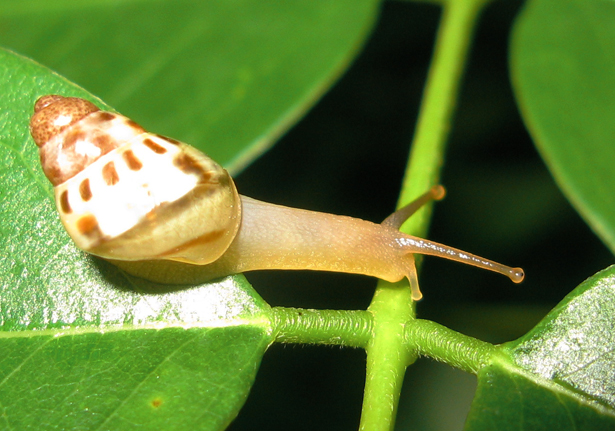
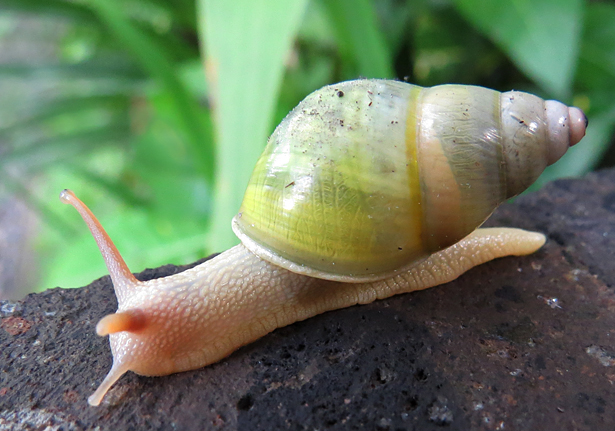
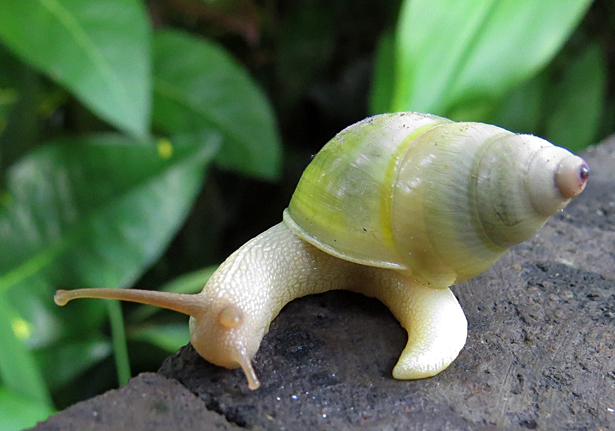
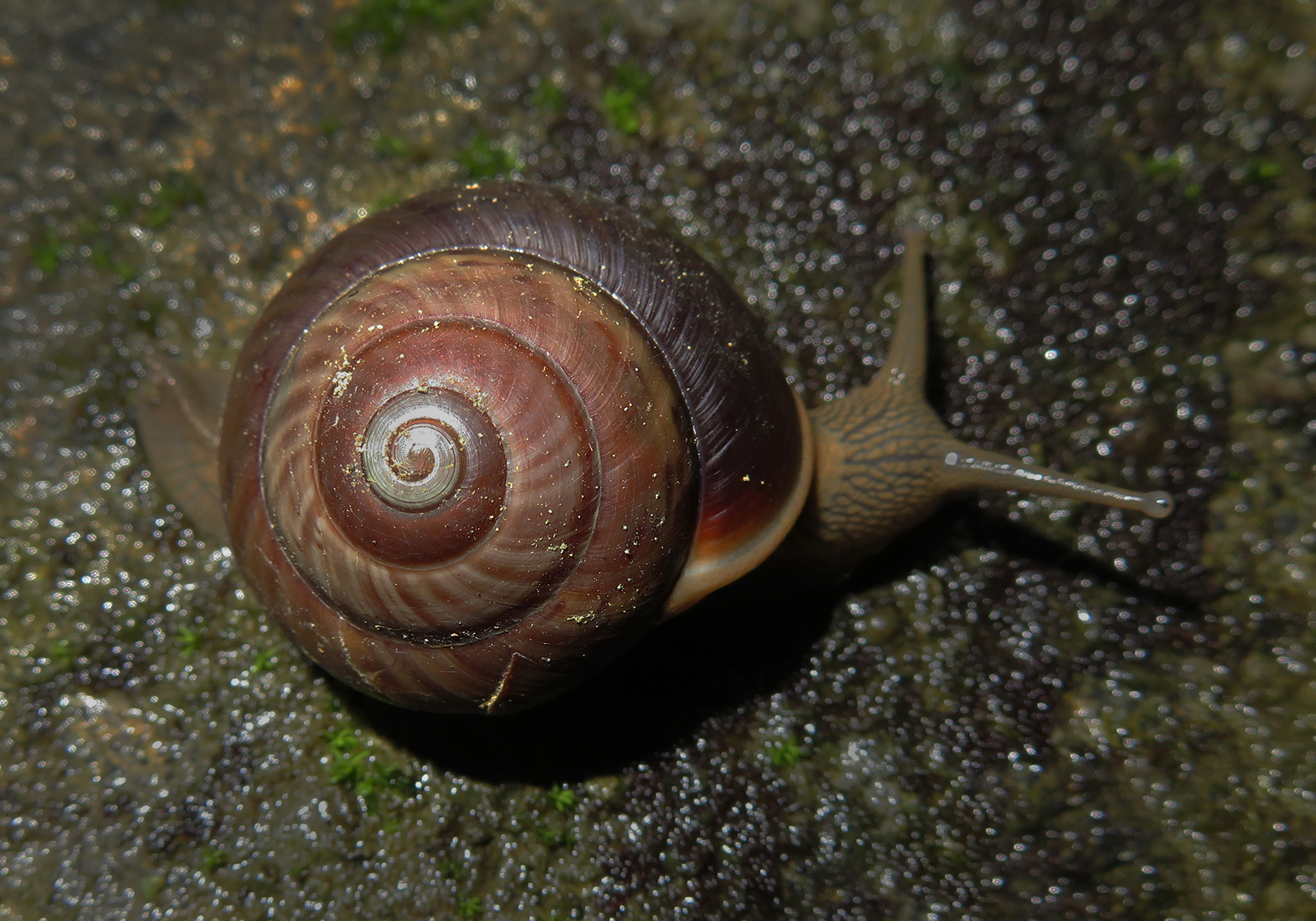
A defining characteristic of Stylommatophora is the presence of two pairs of retractile tentacles, with the eyes located at the tips of the upper (posterior) pair. This feature distinguishes them from other pulmonate gastropods. The mantle cavity functions as a lung, opening to the exterior through a pneumostome, enabling efficient air breathing in terrestrial environments.
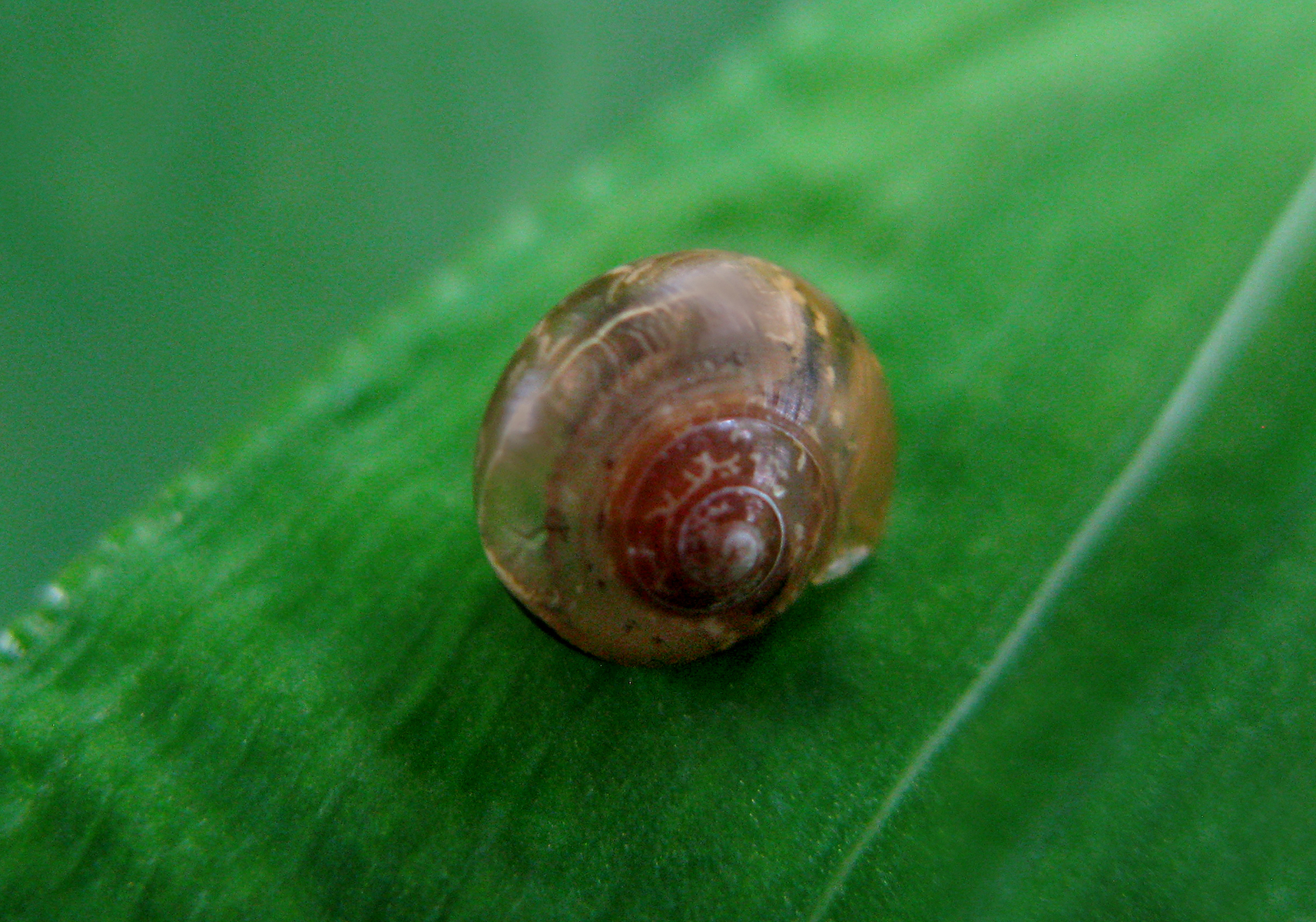
Shell morphology varies greatly within the order. Many species possess a well-developed, often spirally coiled shell, while others—particularly slugs—show partial reduction or complete loss of the shell. The body is elongated with a muscular foot adapted for crawling across soil, vegetation, and other substrates.
Most stylommatophorans are simultaneous hermaphrodites, possessing complex reproductive systems and often elaborate courtship behaviors. Internal fertilization is typical, and development is usually direct, without aquatic larval stages. Some species are known for specialized reproductive adaptations, including the use of calcareous “love darts” during mating.
Ecologically, Stylommatophora occupies a wide range of terrestrial habitats, including forests, grasslands, deserts, agricultural lands, and urban areas. They function primarily as herbivores, detritivores, and decomposers, playing important roles in nutrient cycling and soil ecology. Some species are significant agricultural pests, while others serve as indicators of environmental conditions.
Order Stylommatophora represents the most successful terrestrial radiation of gastropods, distinguished by eye-bearing tentacles, pulmonary respiration, reproductive specialization, and extensive adaptation to life on land.