

Genus Strigoptera
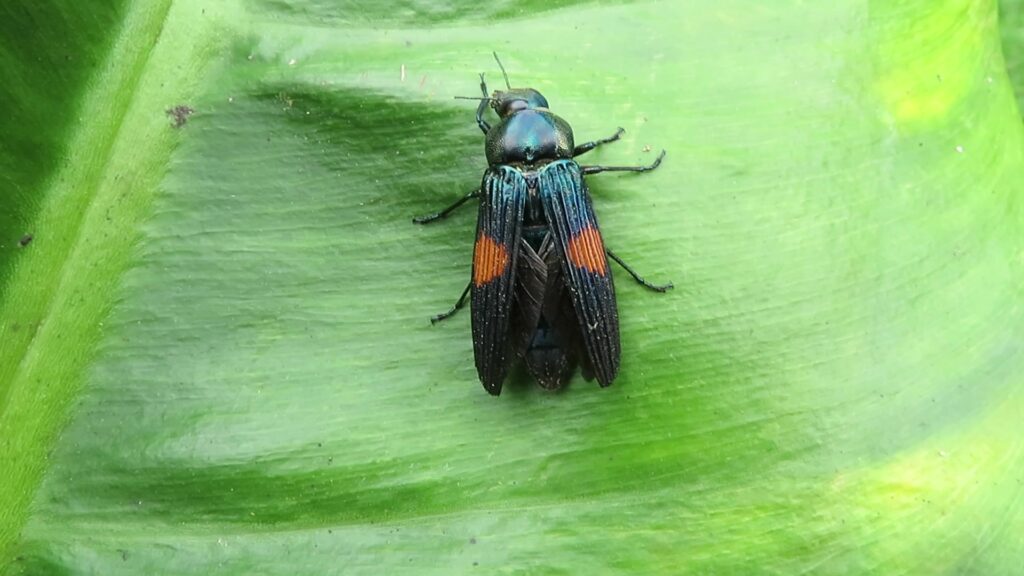
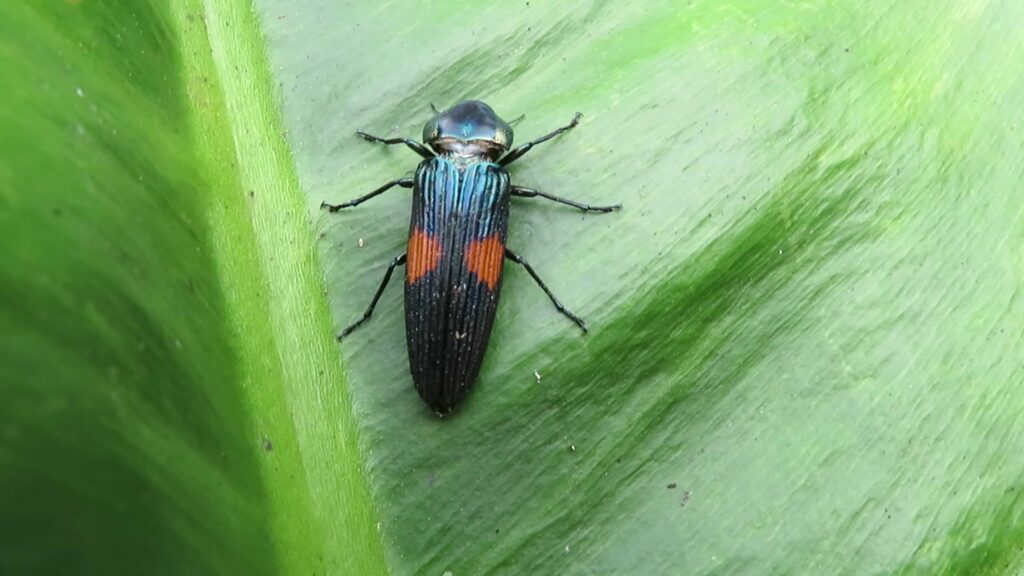
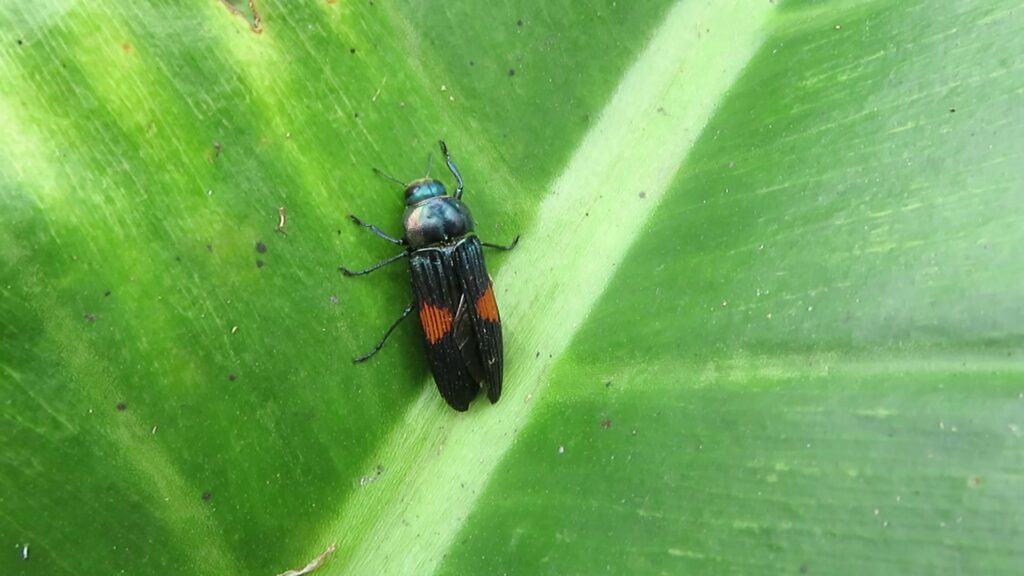
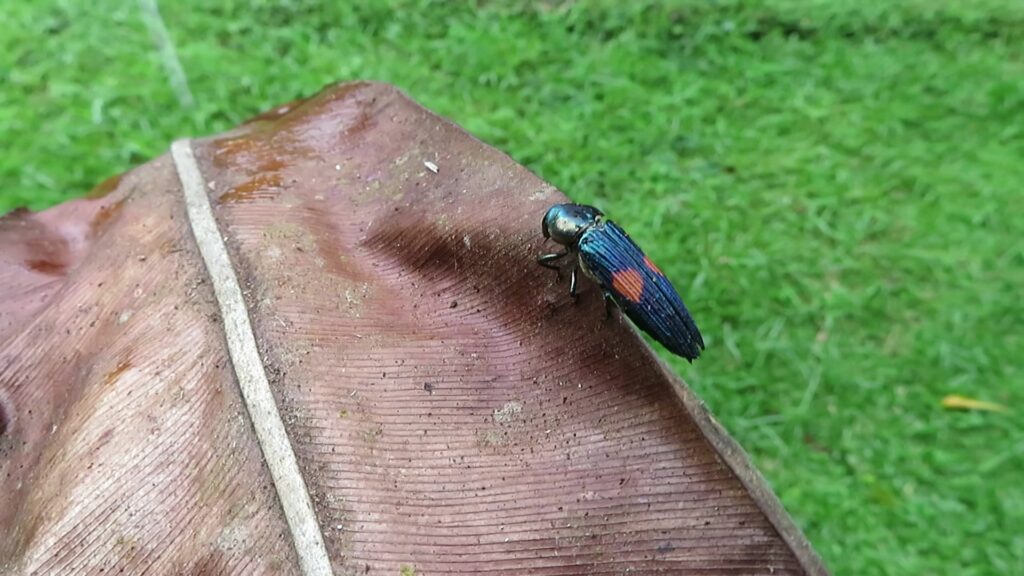
The genus Strigoptera is a group of beetles belonging to the family Buprestidae, commonly known as jewel beetles or metallic wood-boring beetles. It is associated with the subfamily Polycestinae and, in classifications that recognize it, the tribe Polycestini. Like other buprestid beetles, members of this genus are characterized by hardened bodies, distinctive external sculpturing, and a life cycle closely connected to plants. Although jewel beetles are famous for their brilliant metallic colors, species within this broader group can also have relatively subdued coloration and rely on body shape and surface texture for identification.
Beetles of Strigoptera possess a heavily sclerotized exoskeleton that protects the body and supports their activity on vegetation. Their forewings, known as elytra, form a rigid covering over the abdomen and folded hindwings. As with many polycestine jewel beetles, the body is generally compact and robust, although proportions and surface features differ among species. The head is partly concealed beneath the pronotum, and the short antennae are used to detect chemical and environmental cues. Detailed characteristics of the pronotum, elytra, legs, and underside are often more useful for identifying species than coloration alone.
The genus belongs to a lineage of beetles whose members exhibit considerable morphological diversity. In jewel beetles, the external surface may bear punctures, grooves, ridges, or other sculptural patterns that help distinguish closely related taxa. Coloration can vary from dark brown and black to bronzy or metallic shades, depending on the species. These external features may also provide camouflage against bark, stems, or dry plant material. However, the precise appearance of Strigoptera should be assessed at the species level, because general characteristics of Buprestidae cannot automatically be applied to every member of the genus.
The geographical range and habitat preferences of Strigoptera are best understood through the distribution of its described species and verified collection records. Members of Polycestinae occur in several regions, particularly in warm environments, but the range of an individual genus may be much more restricted than that of the subfamily as a whole. Suitable habitats for plant-associated jewel beetles can include woodland, scrub, open forest, and other environments where appropriate host plants grow. Reliable information about the exact range of Strigoptera requires genus-specific taxonomic records rather than assumptions based on the distribution of related beetles.
Like other members of Buprestidae, Strigoptera is expected to have a life cycle involving eggs, larvae, pupae, and adults. In jewel beetles, females generally deposit eggs on or near suitable host plants, after which the larvae feed on plant tissues. Depending on the species, buprestid larvae may develop in woody stems, branches, roots, or other plant structures. Their elongated bodies and enlarged, flattened region behind the head are characteristic of many wood-boring buprestid larvae. However, the specific larval habitat and host plants of Strigoptera should not be assumed without direct biological records for the genus.
Adult feeding behavior is also likely to vary according to species and host-plant association. Across Buprestidae, adults may consume leaves, shoots, flowers, or other plant tissues, while some species feed only occasionally. Adults often spend time on vegetation, where they may feed, mate, and locate suitable sites for egg deposition. Their hardened bodies provide physical protection, while their ability to remain still against plant surfaces can make them difficult to detect. Species-specific observations are needed to establish whether Strigoptera adults prefer particular plant parts or exhibit distinctive seasonal activity.
The genus occupies a potential place within plant-based food webs, as do other jewel beetles. Adults may be eaten by birds, reptiles, spiders, and predatory insects, while larvae developing inside plant tissues can be vulnerable to parasitoid wasps and other natural enemies. If its larvae feed within woody or damaged plant material, the genus may contribute to processes associated with plant tissue breakdown. Nevertheless, its precise ecological role depends on its host plants, feeding habits, and abundance, and should not be inferred solely from the general biology of the family.
The conservation status of Strigoptera cannot be determined reliably without examining species-level assessments and distribution data. As with other plant-associated beetles, potential pressures may include habitat loss, the removal of host plants, pesticide exposure, and changes in land management. Species with narrow ranges or specialized host requirements may be particularly vulnerable to environmental change. Conversely, a genus may include species that remain relatively widespread or occur in disturbed habitats. Accurate taxonomic identification and further field studies are important for determining whether particular members require conservation attention.
Overall, Strigoptera represents a specialized genus within the diversity of jewel beetles. Its classification links it to a group of beetles characterized by hardened exoskeletons and close associations with plants during larval development. Although the broader biology of Buprestidae provides a useful framework for understanding the genus, details of its distribution, host plants, reproductive behavior, and ecological significance require genus- or species-specific evidence. Further taxonomic and natural-history research would help clarify these characteristics and establish a more complete picture of Strigoptera within the wider diversity of Buprestidae.