

Strigoptera bimaculata
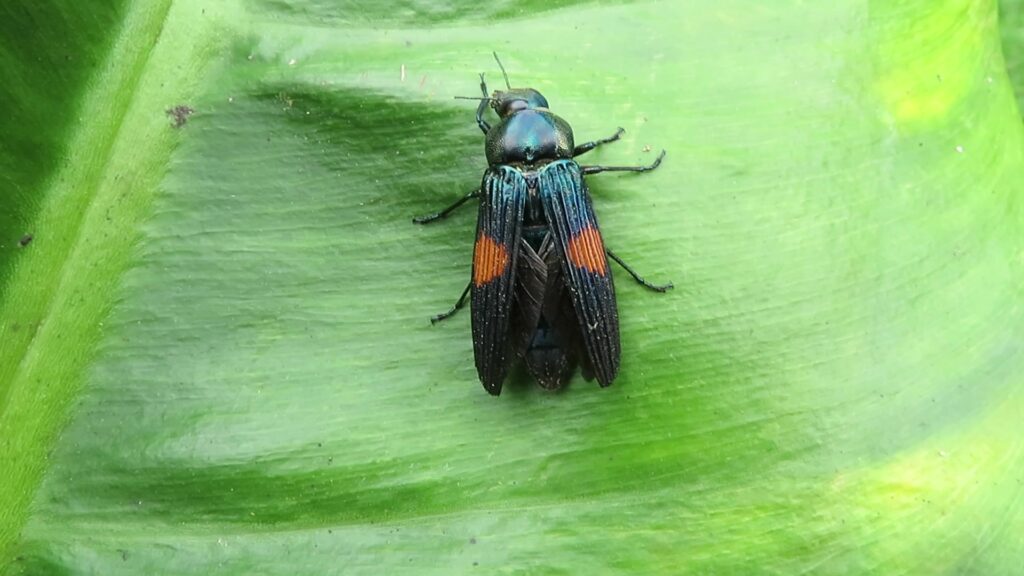
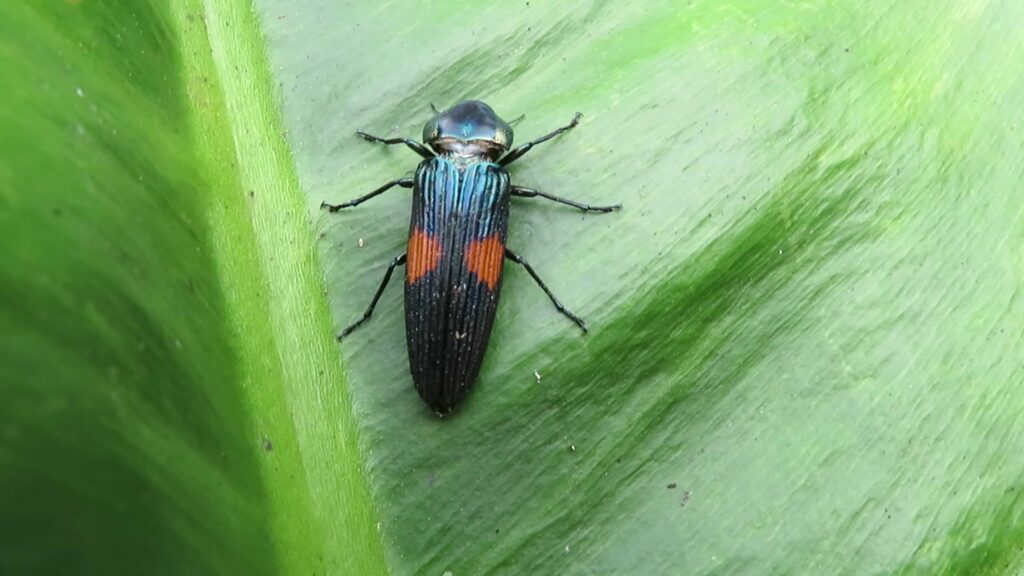
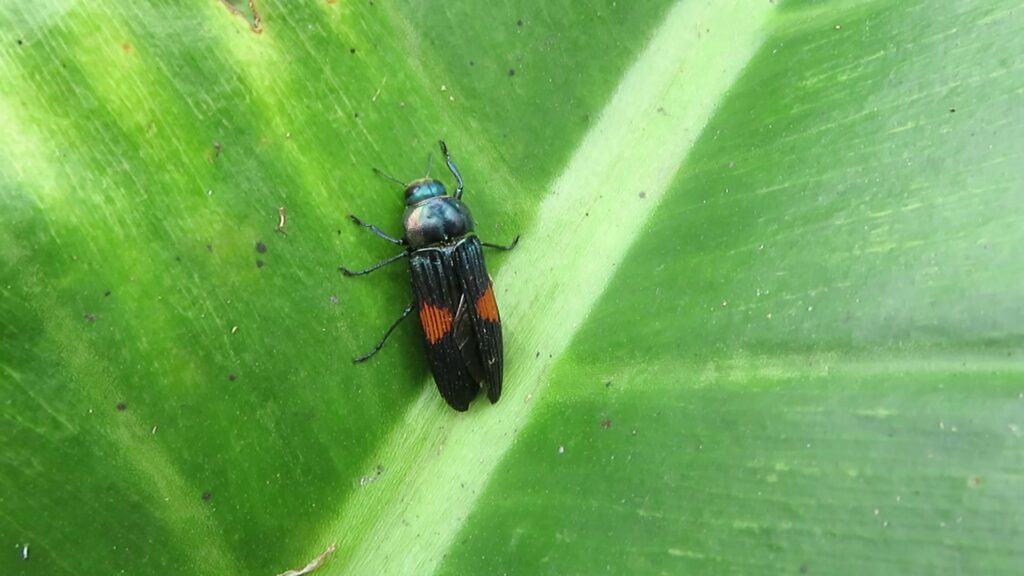
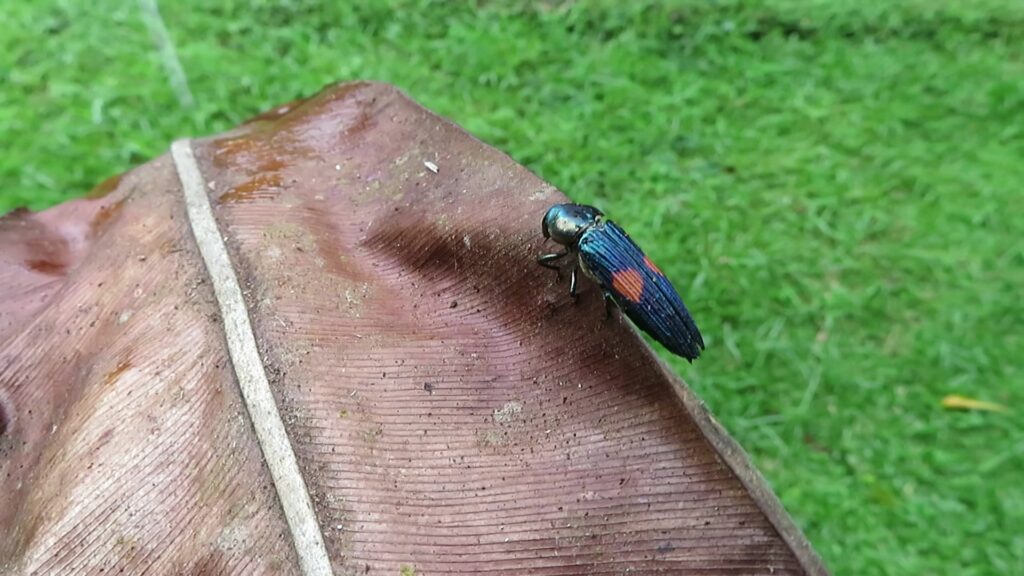
Strigoptera bimaculata is a species of beetle associated with the jewel beetle family Buprestidae, a group renowned for its hardened exoskeletons and close ecological relationships with plants. Its scientific name places it within the genus Strigoptera, which has been classified among the polycestine jewel beetles in some taxonomic arrangements. Species-level information about its distribution, host plants, and life history is less readily established than for well-studied buprestids, so those details should be treated cautiously rather than inferred directly from better-known relatives.
Like other jewel beetles, S. bimaculata is characterized taxonomically by features of its external anatomy, including the shape of the body, the pronotum behind the head, and the hardened forewings known as elytra. The species epithet bimaculata is Latin in origin and means “two-spotted,” but the name alone is not sufficient to confirm the exact appearance, position, or color of any spots. Reliable identification depends on the diagnostic description of the species and comparison with closely related beetles.
The species has been recorded across parts of Southeast Asia and the wider Indo-Australian region, including Indonesia, northern Australia, and Thailand. A published record from Madurai, India, extended its documented range farther west, while a study reported its occurrence in Ubon Ratchathani Province, Thailand. These records illustrate that its distribution may be broader than older observations suggested.
One notable ecological association involves mangrove vegetation. Published host-plant records list adult S. bimaculata on Ceriops tagal, a mangrove tree in the family Rhizophoraceae, and larvae associated with Camptostemon schultzii, a mangrove tree historically placed in Bombacaceae and now generally included in Malvaceae. These records suggest that the species has important connections with coastal woody plants, although they do not establish that it depends exclusively on mangroves.
Like other jewel beetles, S. bimaculata undergoes complete metamorphosis, passing through egg, larval, pupal, and adult stages. The larval stage is particularly important because buprestid larvae typically develop concealed within plant tissues. For this species, the recorded association with a mangrove host provides evidence about its larval ecology, but detailed information on development time, larval behavior, and the number of generations per year remains limited in readily available species accounts.
Adult feeding is associated with plant material, and observations have linked the species with mangrove foliage and branches. Its elongated body and hardened elytra are typical of buprestid beetles adapted to life on vegetation. Adults may be encountered on host plants, where feeding and mating can occur. However, the species’ complete diet, daily activity patterns, and seasonal behavior have not been documented sufficiently to describe them with confidence across its entire range.
The ecological role of S. bimaculata is connected to its interactions with host plants and its position in the wider food web. Its larvae develop in plant tissues, while adults are associated with vegetation. Like other beetles, it may be preyed upon by birds, reptiles, spiders, and predatory insects, although species-specific predator records are limited. Its presence in mangrove habitats makes it relevant to the study of insect diversity in coastal forests, ecosystems that provide important services such as shoreline stabilization, carbon storage, and nursery habitat for aquatic animals.
The species’ conservation status and population trends are not clearly established in the available sources. This should not be interpreted as evidence that it is either threatened or abundant everywhere. Potential pressures include the removal of mangrove forests, coastal development, and changes in land management that affect host plants. More field surveys, verified specimen records, and studies of its life cycle would help clarify its distribution, habitat requirements, and conservation needs.
Overall, Strigoptera bimaculata is a distinctive tropical jewel beetle within the family Buprestidae and subfamily Polycestinae. Its metallic appearance, documented occurrence across parts of the Indo-Australian region, and association with mangrove plants make it an interesting species for research on beetle diversity and plant-insect relationships. Although important aspects of its biology remain poorly known, existing records provide a useful foundation for further study of its natural history and ecological role.