Bali Wildlife
Every Spices Matter


Stomoxys is a genus of biting flies within the tribe Stomoxyini (Subfamily Muscinae, Family Muscidae, Order Diptera). The genus is distributed worldwide and is closely associated with livestock, farms, and environments rich in decaying organic matter. Species of Stomoxys are commonly found in agricultural settings, rural areas, and sometimes near human habitation.
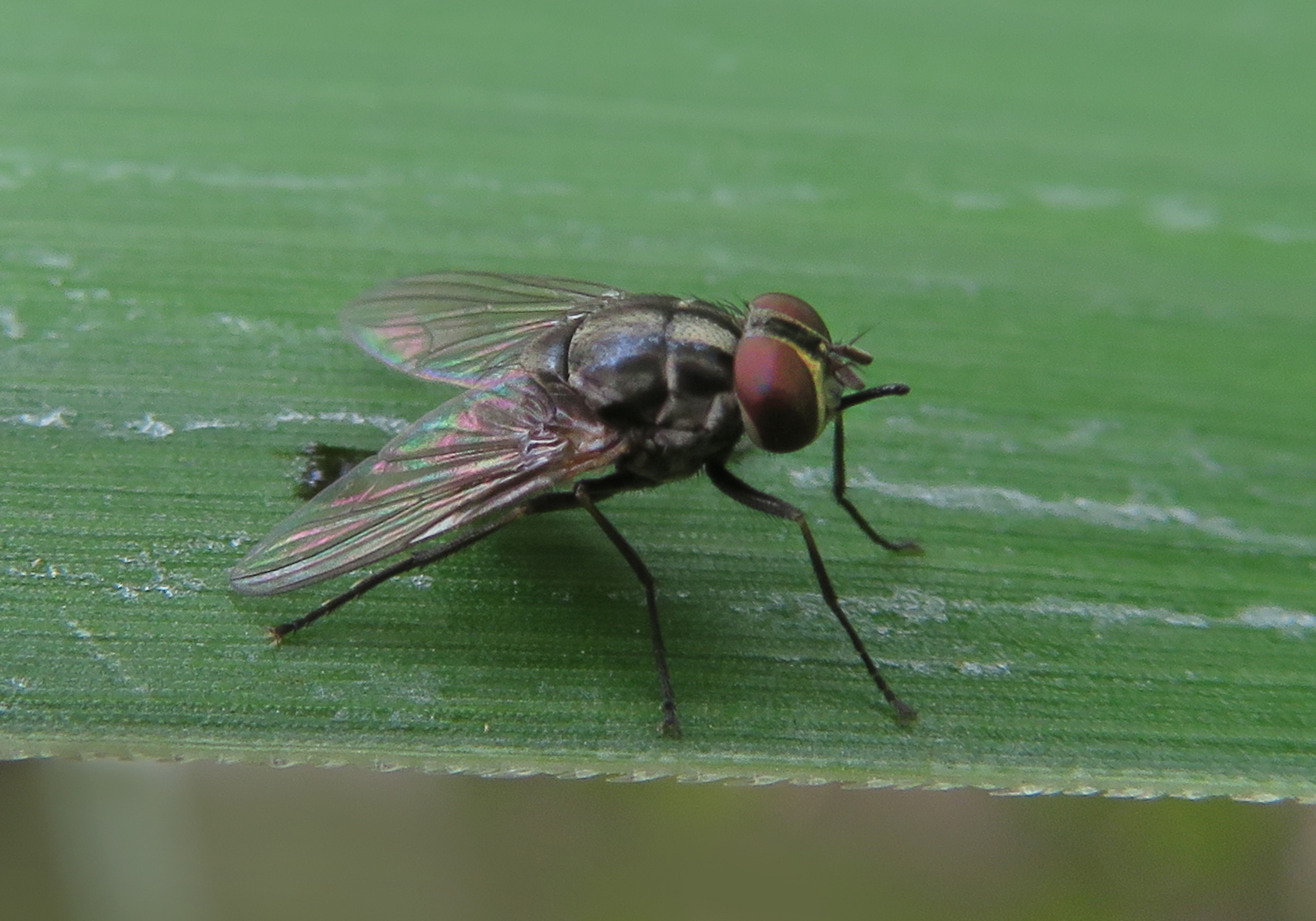
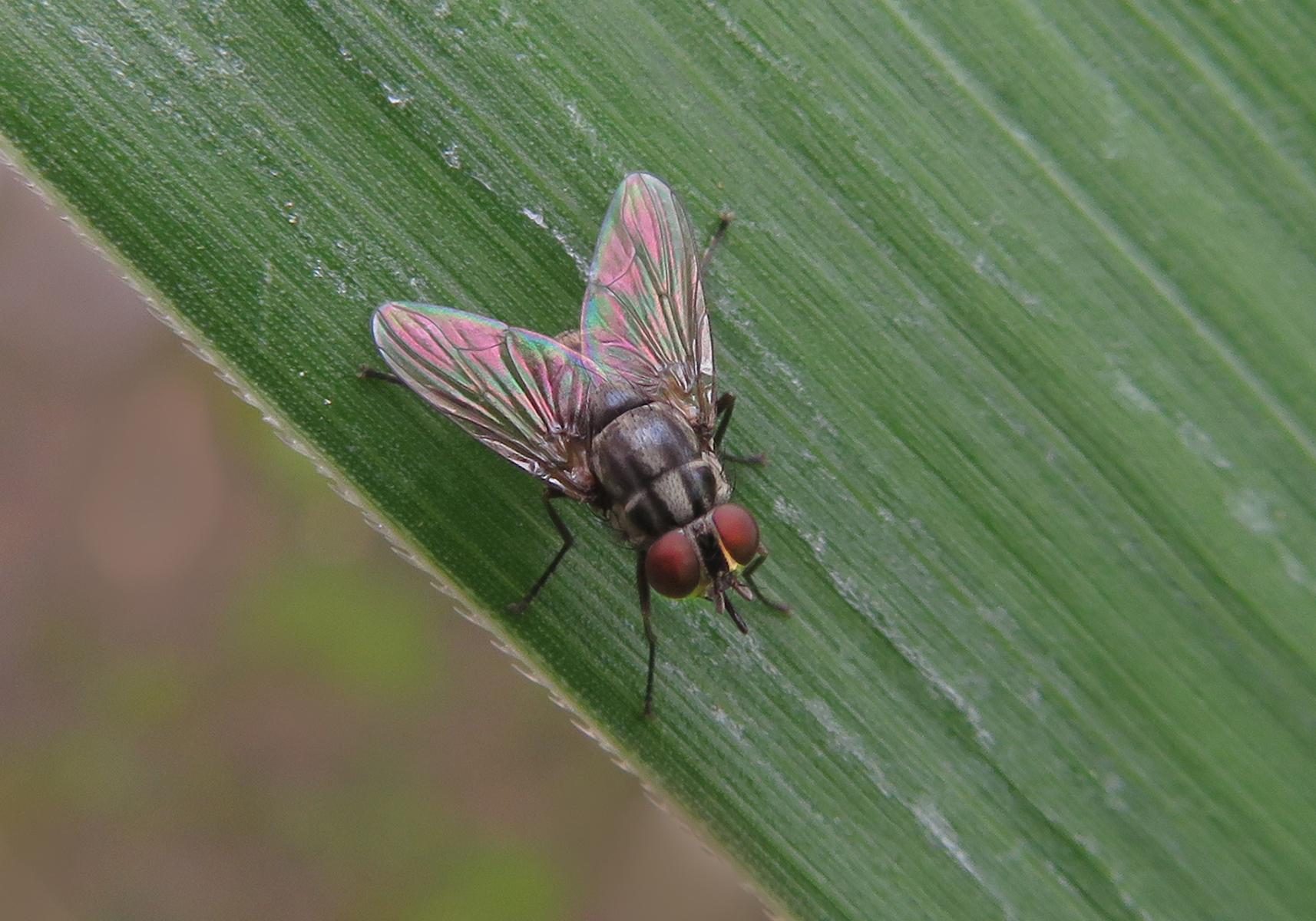
Members of the genus Stomoxys are medium-sized flies with a robust body resembling that of the common house fly. They are typically gray or brown with longitudinal stripes on the thorax. The head is large with prominent compound eyes and short antennae bearing an arista. A key distinguishing feature is the elongated, forward-projecting proboscis, which is adapted for piercing skin and sucking blood.
Unlike non-biting muscid flies, both male and female Stomoxys species are obligate blood feeders. They feed on a variety of hosts, including cattle, horses, and other mammals, and occasionally humans. Their bites are painful and can cause irritation, stress, and reduced productivity in livestock.
The life cycle involves complete metamorphosis. Females lay eggs in moist, decaying organic matter such as manure mixed with plant material, rotting vegetation, or bedding waste. Larvae (maggots) develop in these substrates, feeding on decomposing material before pupating in a puparium. Development can be rapid under favorable conditions.
The most well-known species is Stomoxys calcitrans, the stable fly, which is a major pest of livestock worldwide.
Ecologically, Stomoxys species contribute to decomposition through their larval stages. However, they are of significant veterinary and economic importance due to their blood-feeding behavior. They can reduce livestock productivity and may act as mechanical vectors of pathogens. As a result, they are a major concern in animal husbandry and pest management.