Bali Wildlife
Every Spices Matter


Stomoxyini is a tribe within the subfamily Muscinae (Family Muscidae, Order Diptera), comprising a group of flies that includes the well-known stable flies and their relatives. Members of this tribe are widely distributed across the world and are commonly associated with livestock, farms, and environments rich in organic waste.
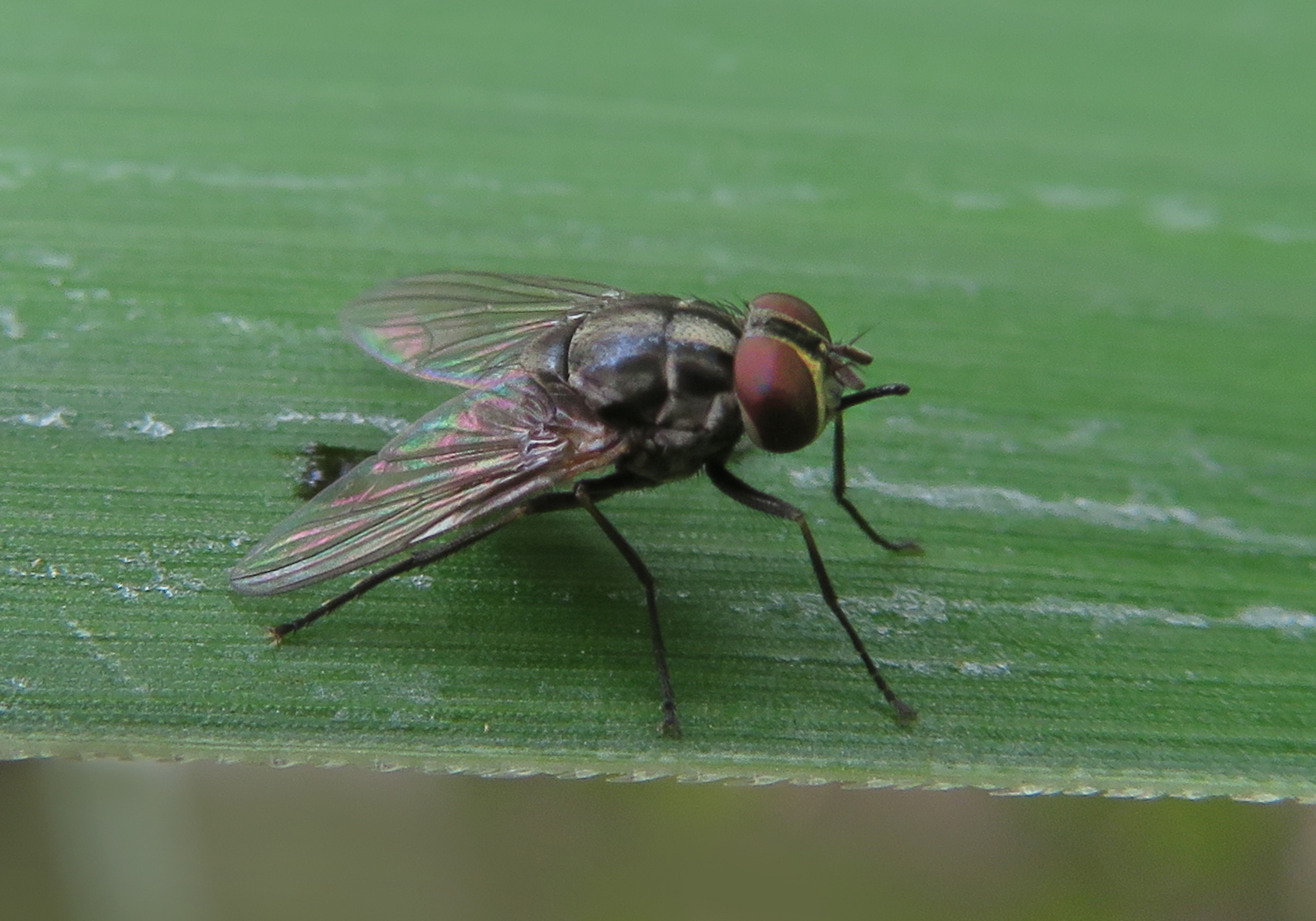
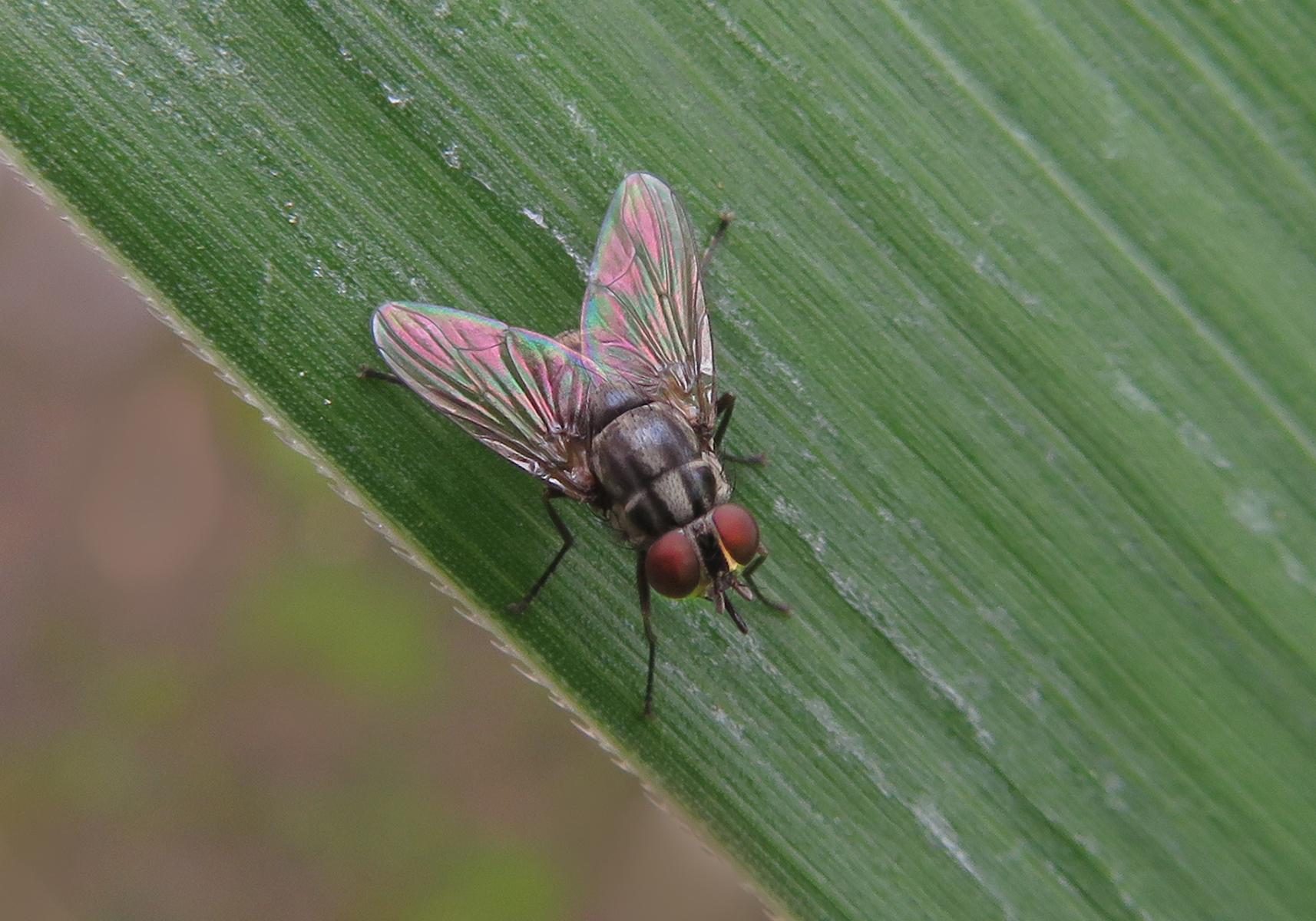
Flies of the tribe Stomoxyini are typically medium-sized and have a robust body similar to other muscid flies. They are usually gray or brown with subtle striping on the thorax. The head is large with prominent compound eyes and short antennae bearing an arista. A key distinguishing feature of this group is their piercing-sucking mouthparts, which are adapted for blood-feeding.
Unlike many other muscids that feed on liquids, adult Stomoxyini are obligate blood feeders. Both males and females feed on the blood of mammals, including livestock and sometimes humans. Their bites can be painful and may cause irritation, stress, and reduced productivity in animals.
The life cycle involves complete metamorphosis. Females lay eggs in decaying organic matter such as manure, rotting vegetation, or bedding material mixed with waste. Larvae (maggots) develop in these nutrient-rich substrates, feeding on decomposing material before pupating in a puparium.
The tribe includes genera such as Stomoxys, with Stomoxys calcitrans (the stable fly) being the most well-known species. These flies are of significant veterinary and economic importance.
Ecologically, Stomoxyini plays a role in decomposition through their larval stages, contributing to nutrient recycling. However, they are also major pests in agricultural settings. Their blood-feeding behavior can impact animal health and productivity, and they may act as mechanical vectors of pathogens. As a result, they are an important focus in livestock management and pest control efforts.