Bali Wildlife
Every Spices Matter


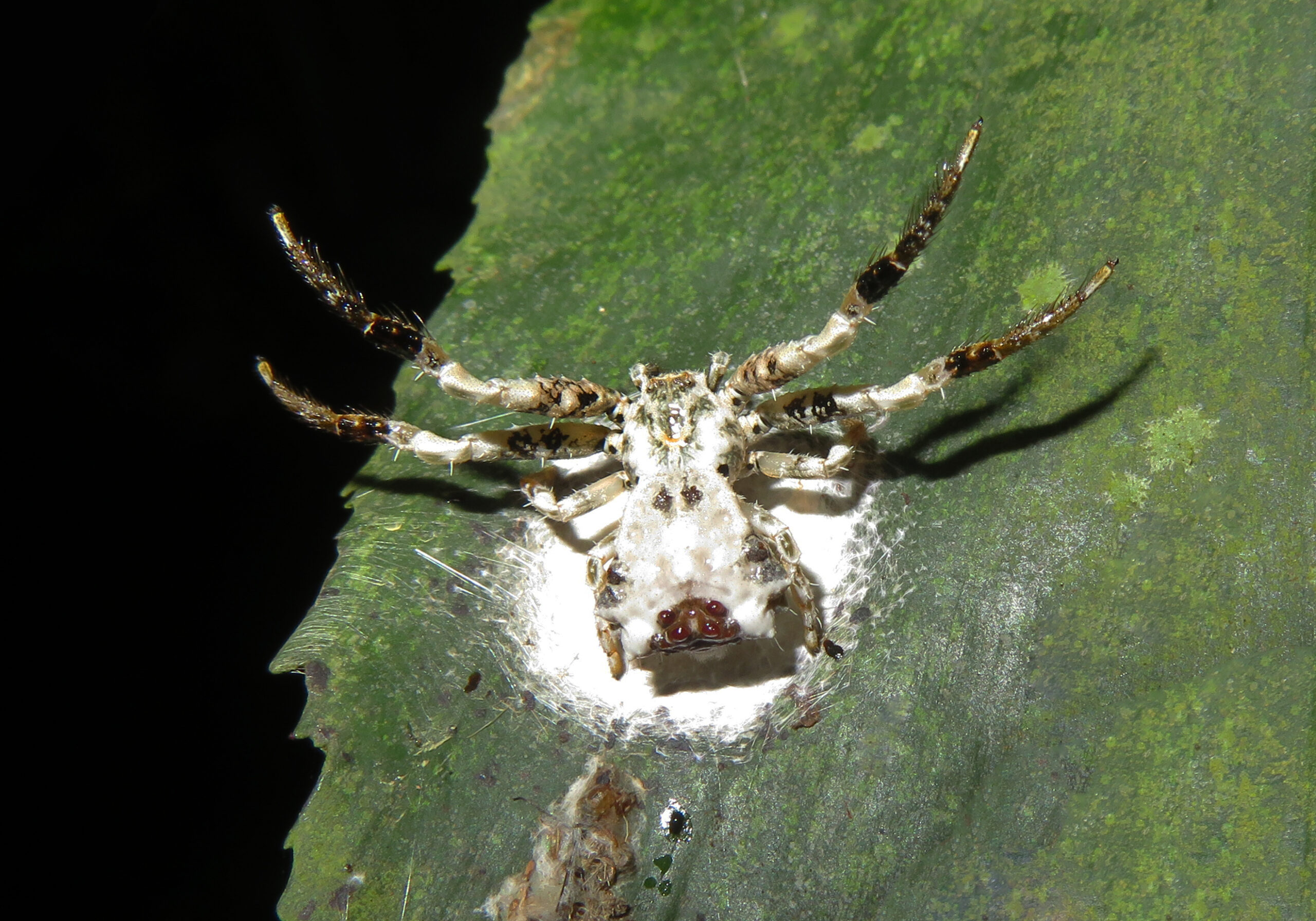
Stephanopinae is a subfamily within the family Thomisidae (Order Araneae), comprising a distinctive group of crab spiders primarily adapted to life on tree bark, rock surfaces, and leaf litter. The subfamily is distributed worldwide but is especially diverse in tropical and subtropical regions, with notable representation in Africa, Asia, Australia, and the Americas.
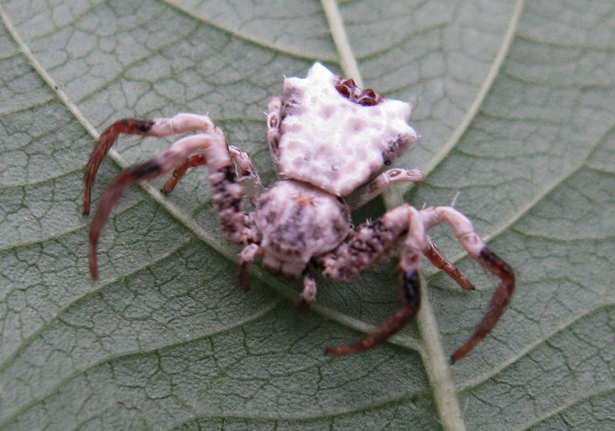
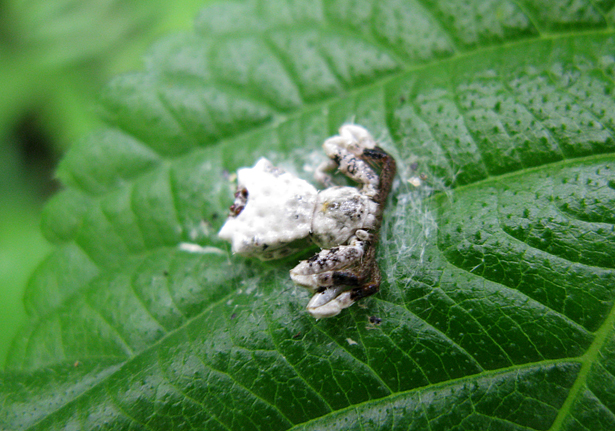
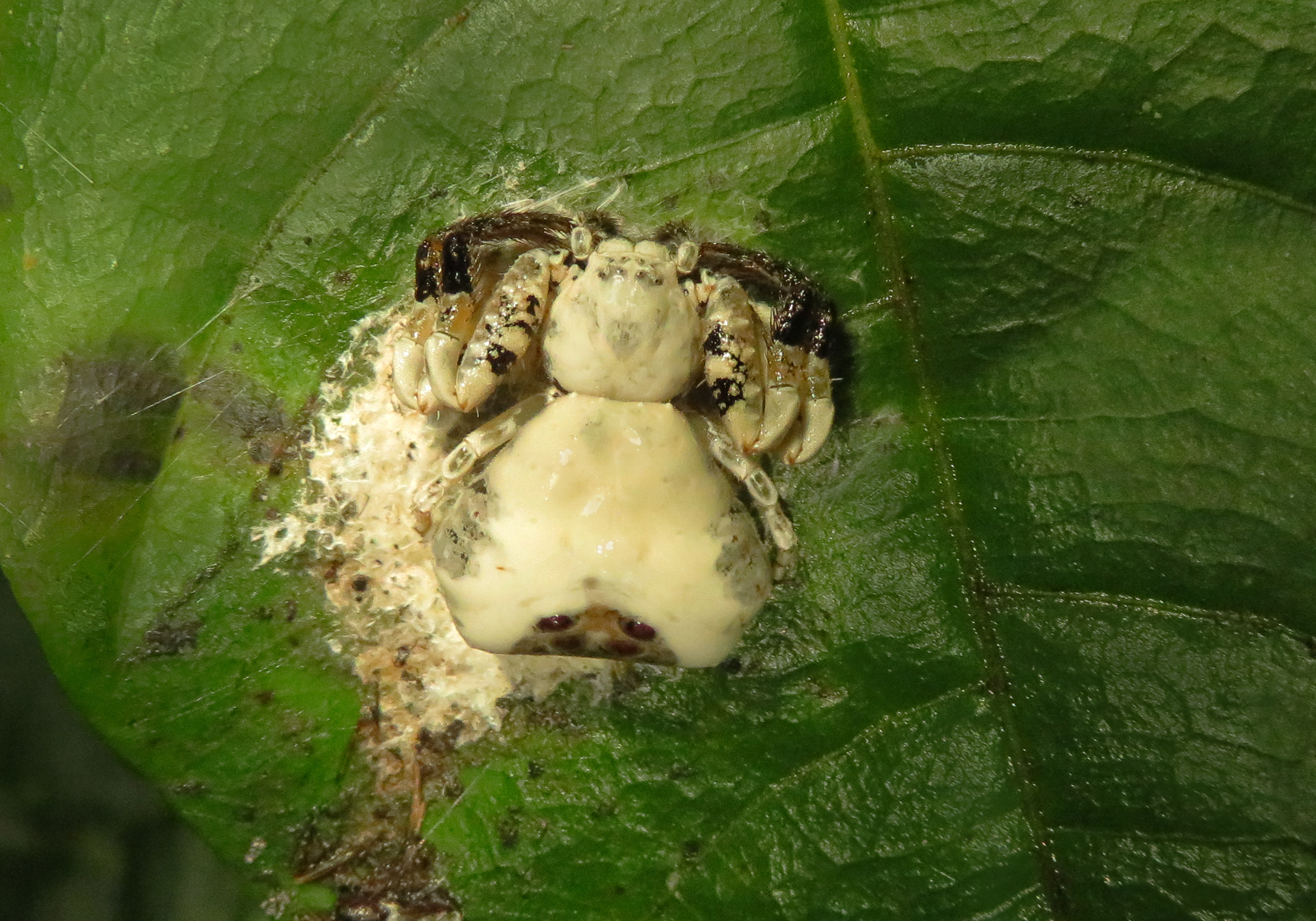
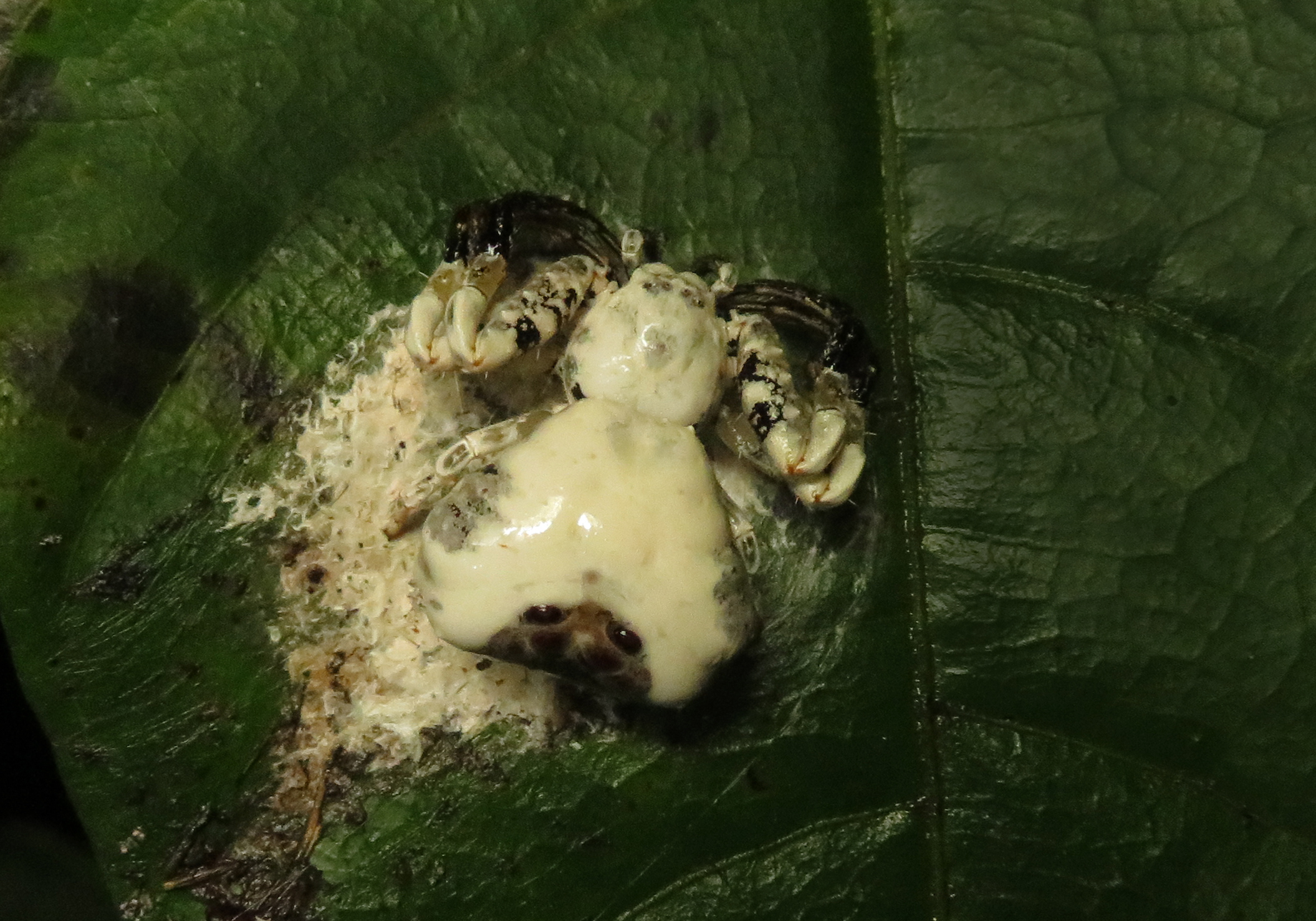
Members of Stephanopinae are characterized by a robust, often heavily sclerotized body with a rough, tuberculate, or spiny surface. This sculptured morphology, together with mottled brown, gray, or bark-like coloration, provides excellent camouflage against bark, stones, and other textured substrates. The body is usually flattened, and the first two pairs of legs are enlarged and laterigrade, though often less slender than in flower-dwelling crab spiders.
Unlike many Thomisinae, Stephanopinae are less commonly associated with flowers. Instead, they typically rest motionless on tree trunks, branches, rocks, or the ground, where they rely on cryptic coloration and body texture to remain undetected. They are ambush predators and do not construct prey-capture webs, using silk mainly for draglines, retreats, and egg sacs.
Prey consists mainly of insects and other small arthropods that move across bark or ground surfaces. Stephanopinae spiders capture prey by sudden lunges, using their strong front legs and venom. Sexual dimorphism is present but often less pronounced than in flower-dwelling crab spiders, with males generally smaller and more slender than females.
Reproduction follows the typical entelegyne pattern, with complex genital structures in both sexes. Females produce egg sacs that are usually concealed in crevices or attached to bark or other substrates. Development is direct, with spiderlings resembling small adults.
Ecologically, Stephanopinae play an important role as predators in forest and woodland ecosystems. By preying on crawling and bark-dwelling insects, they contribute to the regulation of arthropod populations and enhance the ecological complexity of arboreal and ground-level habitats.