Bali Wildlife
Every Spices Matter


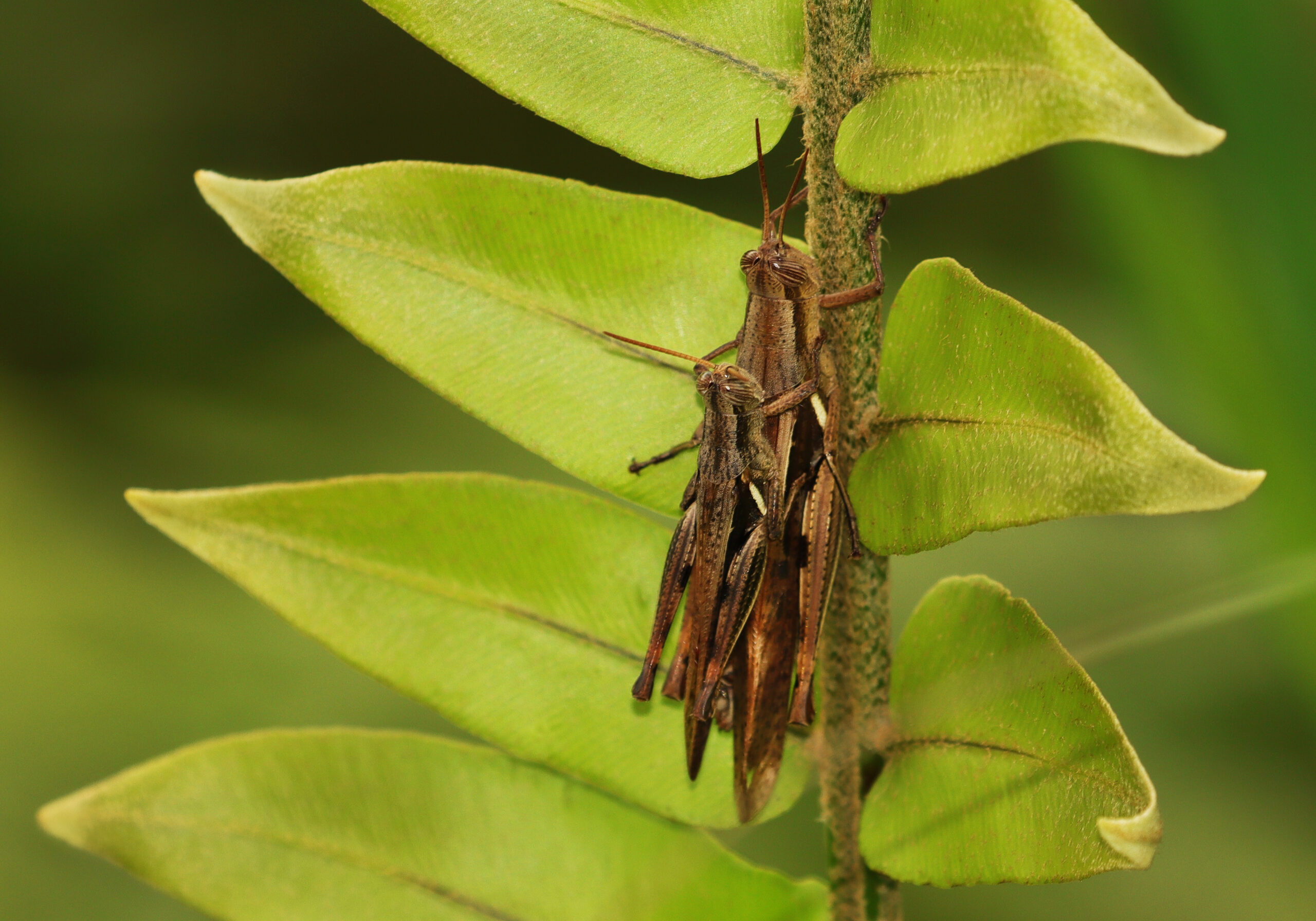
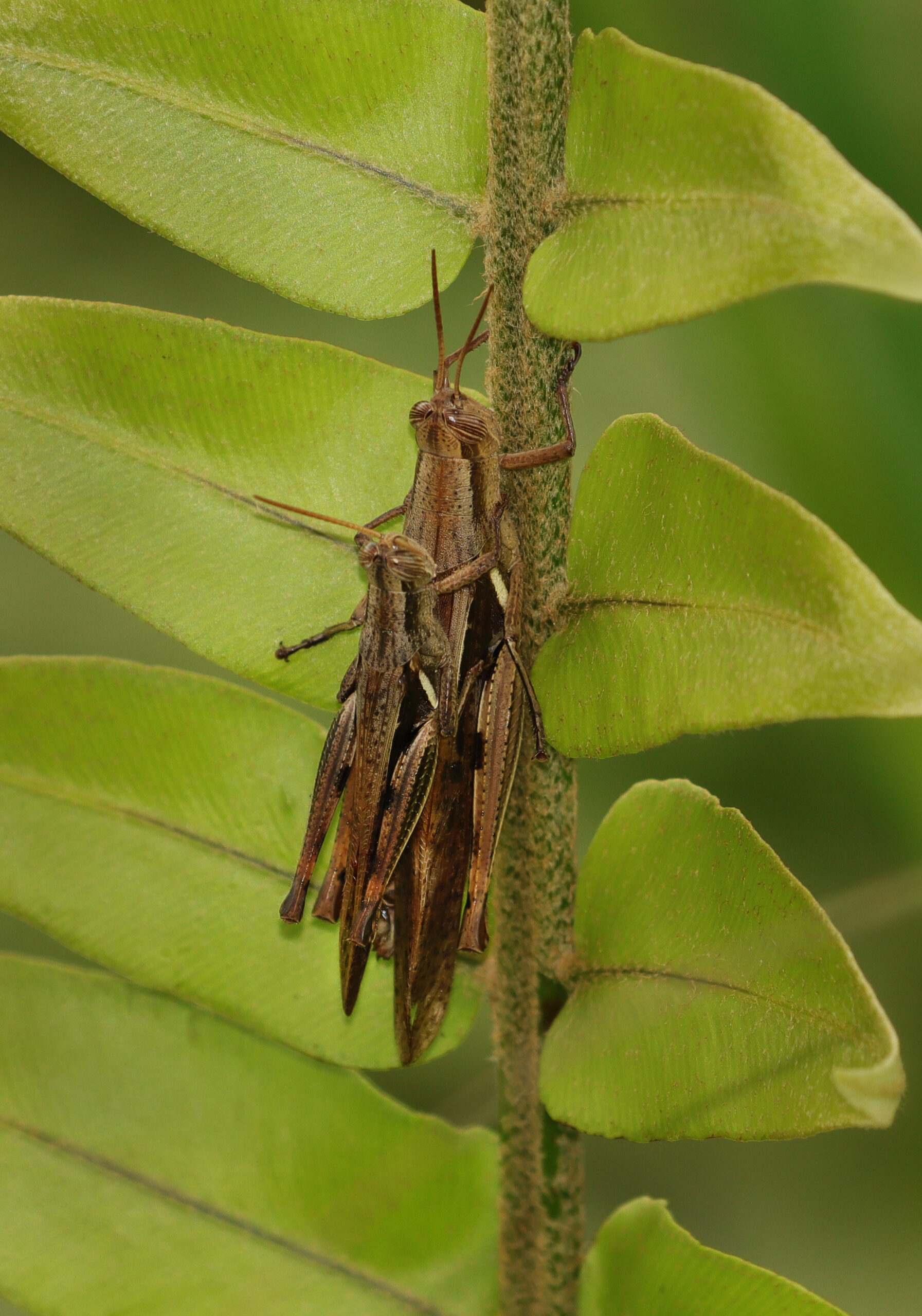
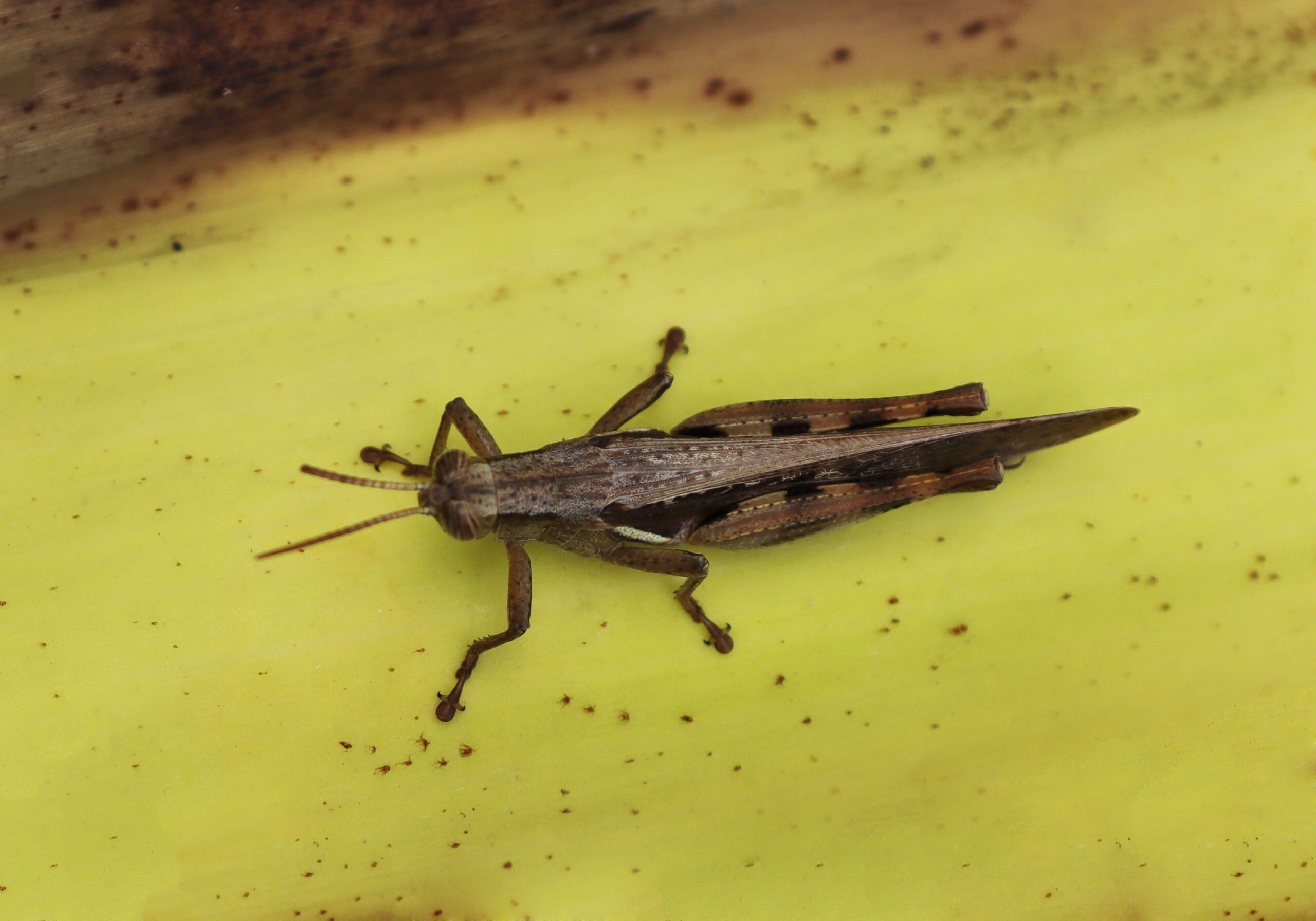
Stenocatantops is a genus of short-horned grasshoppers within the family Acrididae (Order Orthoptera). It is commonly placed in the subfamily Catantopinae and comprises species distributed throughout South Asia, Southeast Asia, southern China, and parts of the Indo-Australian region. Members inhabit tropical rainforests, secondary forests, woodland edges, grasslands, scrublands, agricultural fields, plantations, roadsides, and other open habitats with abundant herbaceous vegetation.
Grasshoppers of the genus Stenocatantops are generally small to medium-sized and possess a slender, elongated body with relatively long hind legs adapted for powerful jumping. Their coloration is typically cryptic, ranging from green and olive to brown, yellowish-brown, or gray, often with darker longitudinal stripes or mottled markings that blend with grasses, shrubs, and leaf litter. The forewings are usually well developed and extend over the abdomen, while the hindwings are transparent to slightly smoky and enable short, rapid flights.
Adults are primarily diurnal, spending much of the day basking in sunlight, feeding, and moving among low vegetation. When disturbed, they escape by making powerful jumps followed by brief flights. Males communicate during courtship using stridulation, produced by rubbing the hind legs against the forewings, and may also perform visual displays to attract females.
Members of Stenocatantops are herbivorous, feeding mainly on the leaves of grasses and a variety of herbaceous plants. Both nymphs and adults use their strong chewing mouthparts to consume foliage, and although they occasionally feed on cultivated crops, most species are natural components of grassland and forest-edge ecosystems rather than serious agricultural pests.
The life cycle involves incomplete metamorphosis, consisting of egg, nymph, and adult stages. Females deposit egg pods in the soil, where the eggs remain protected until environmental conditions become favorable. The wingless nymphs resemble miniature adults and undergo several molts before reaching maturity, occupying the same habitats and feeding on similar vegetation throughout their development.
The genus includes several species, such as Stenocatantops splendens, Stenocatantops angustifrons, and related taxa. These grasshoppers are commonly encountered in tropical Asia, particularly in areas with dense ground vegetation and seasonal rainfall.
Ecologically, Stenocatantops grasshoppers are important primary consumers that contribute to the transfer of plant biomass into terrestrial food webs. They help regulate vegetation through herbivory and serve as an important food source for birds, reptiles, amphibians, spiders, predatory insects, and small mammals. Their abundance and sensitivity to changes in vegetation structure and habitat disturbance make Stenocatantops species useful indicators of grassland and forest-edge ecosystem health and biodiversity.