Bali Wildlife
Every Spices Matter


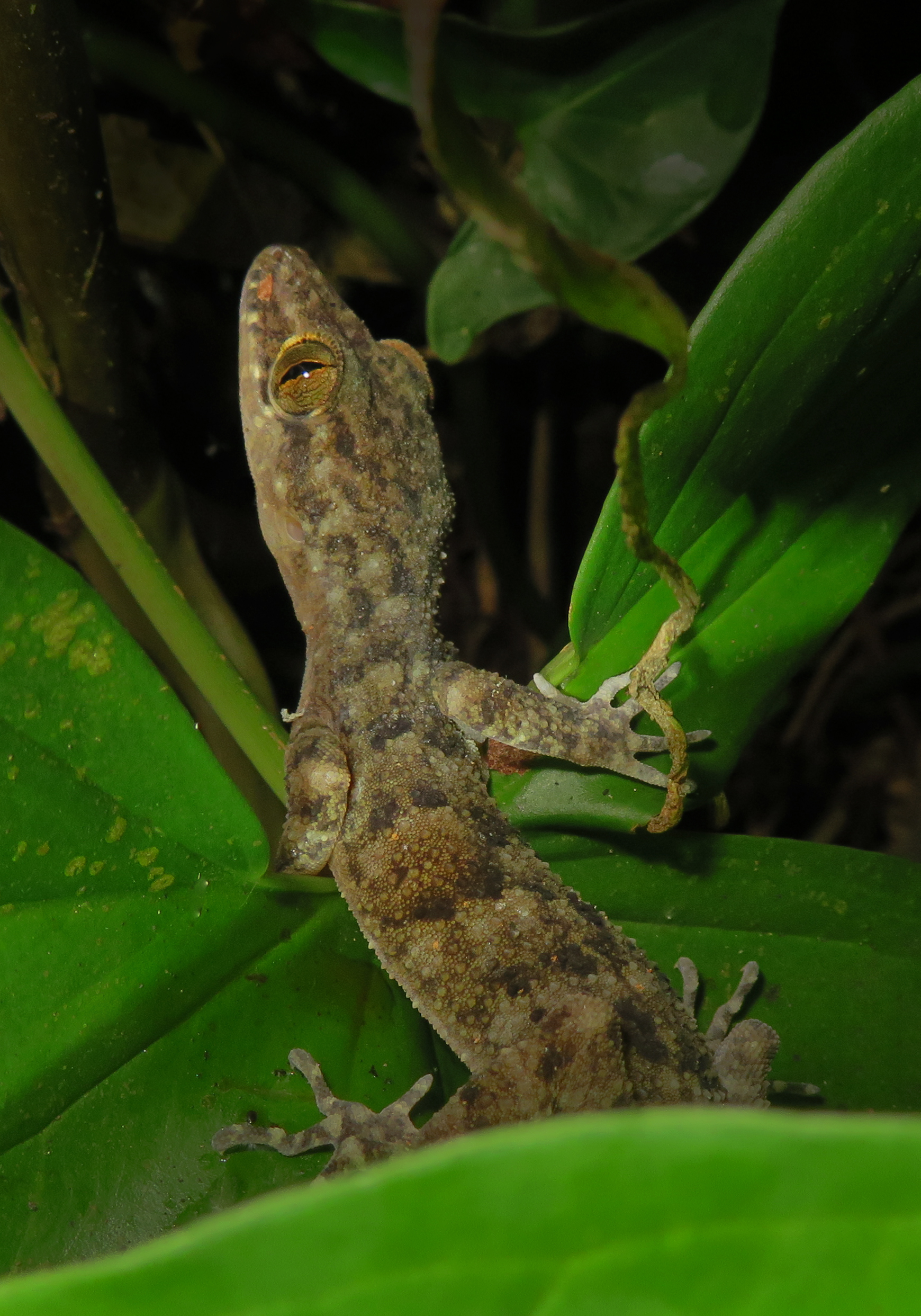
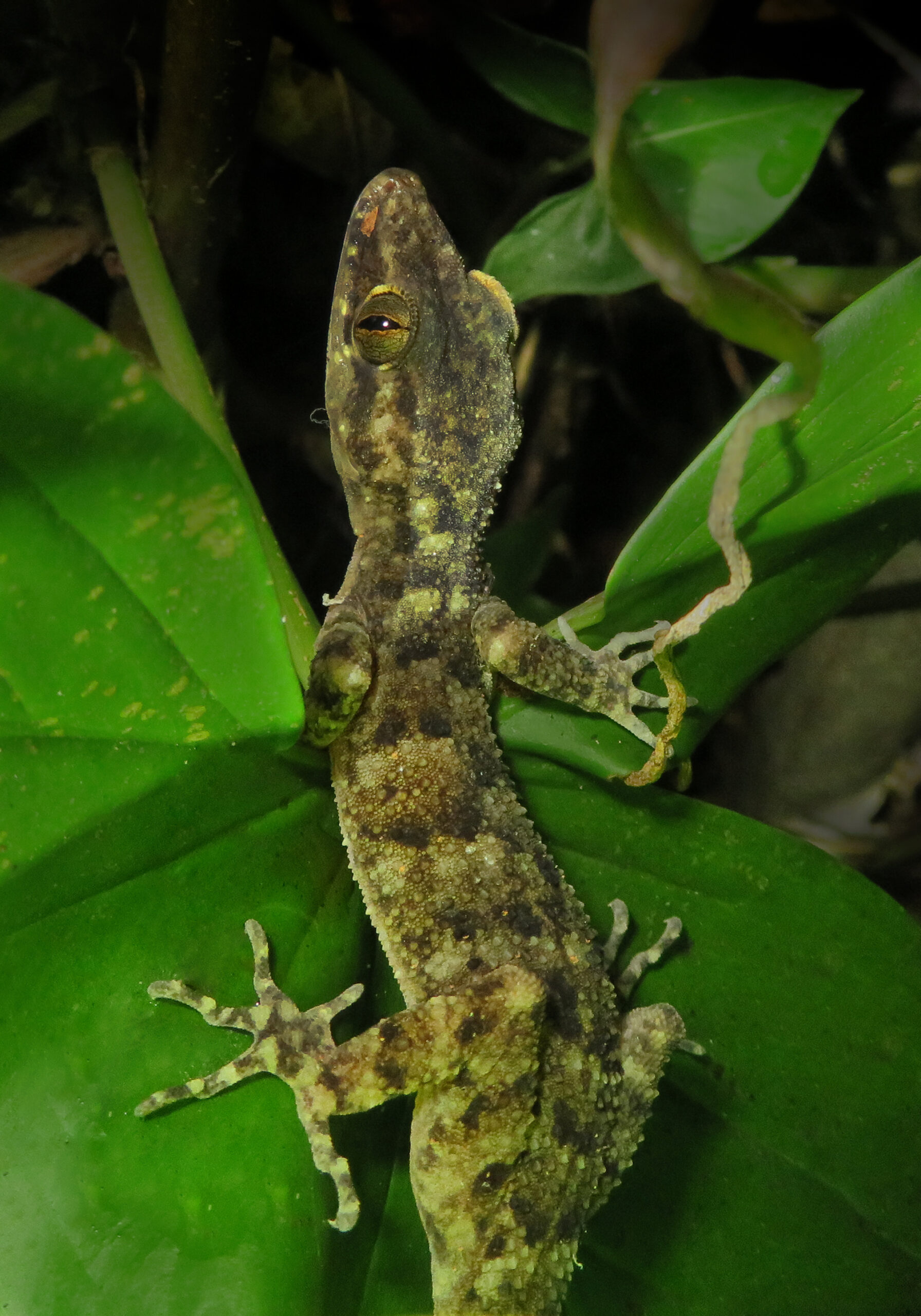
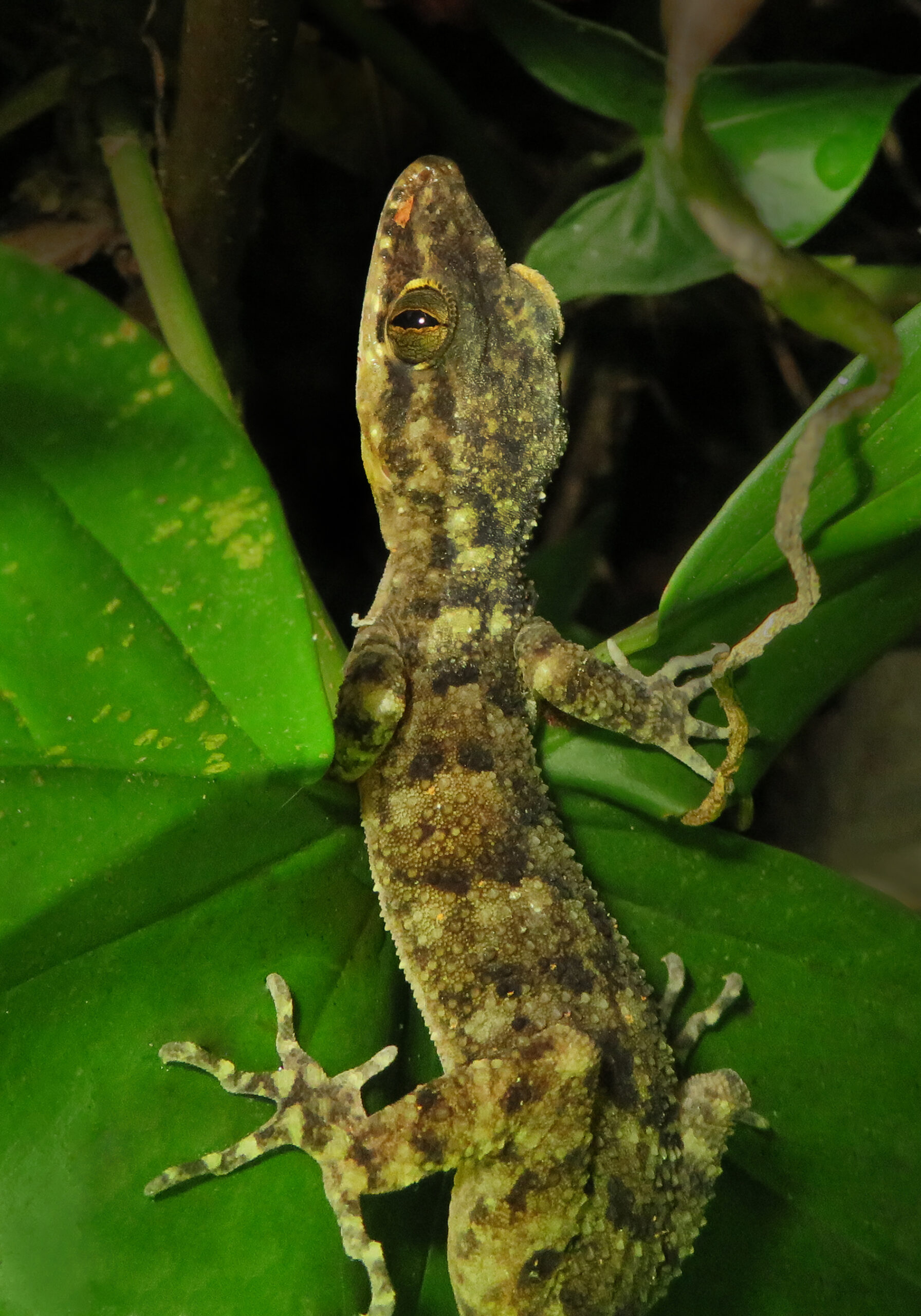
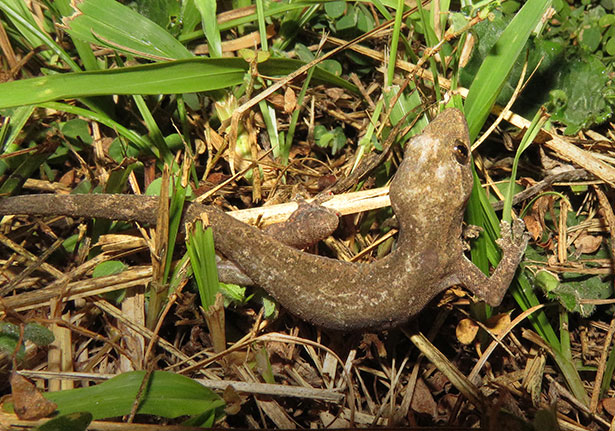
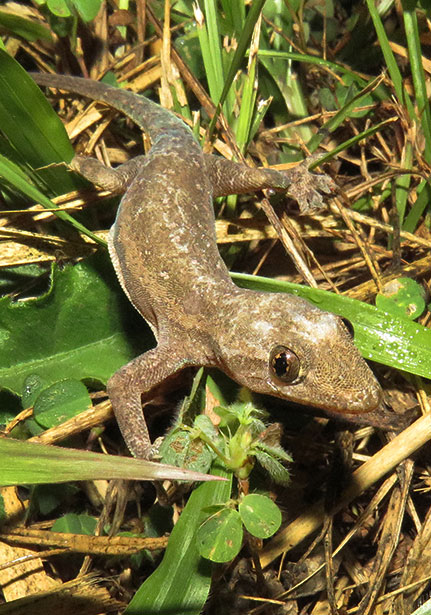
Squamata is the largest and most diverse order within the class Reptilia, comprising lizards, snakes, and amphisbaenians (worm lizards). Members of this order are distinguished by their keratinized scales, periodic shedding of the skin (ecdysis), and a highly kinetic skull that allows considerable flexibility of the jaws.
Most squamates possess a paired hemipenis as the male copulatory organ, a unique reproductive feature among reptiles. Limbs are well developed in many lizards but are reduced or completely absent in snakes and some lizard lineages. Respiration occurs through lungs, and the majority of species are oviparous, although viviparity and ovoviviparity are also common.
Squamates occupy a wide range of habitats, including deserts, forests, grasslands, wetlands, and marine environments. The order includes ecologically significant predators and prey species, playing key roles in controlling insect, rodent, and other animal populations, and contributing to overall ecosystem balance.