Bali Wildlife
Every Spices Matter


Sparassidae is a family of araneomorph spiders commonly known as huntsman spiders, belonging to the superfamily Sparassoidea (Order Araneae). The family is widespread in tropical and subtropical regions of the world, with some species extending into temperate areas. Sparassids inhabit a wide variety of environments, including forests, grasslands, deserts, caves, and human dwellings, where they are often found under bark, stones, leaf litter, or on walls and ceilings.
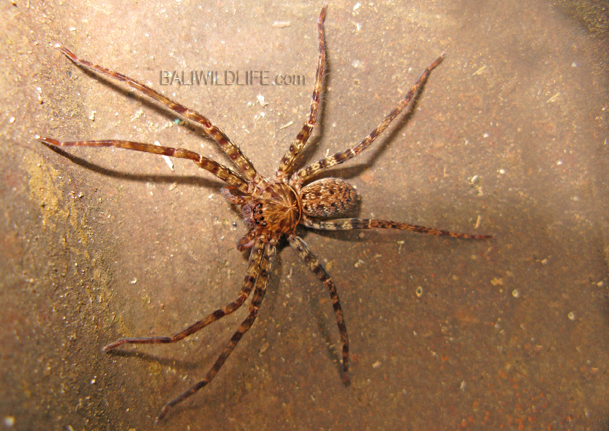
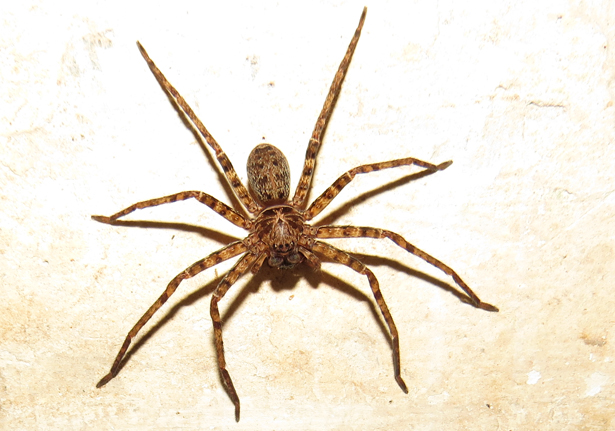
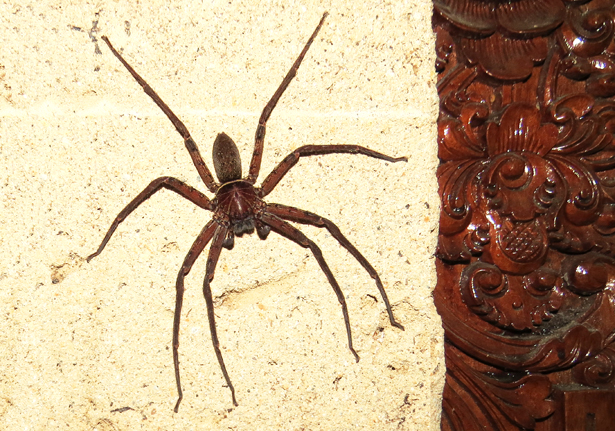
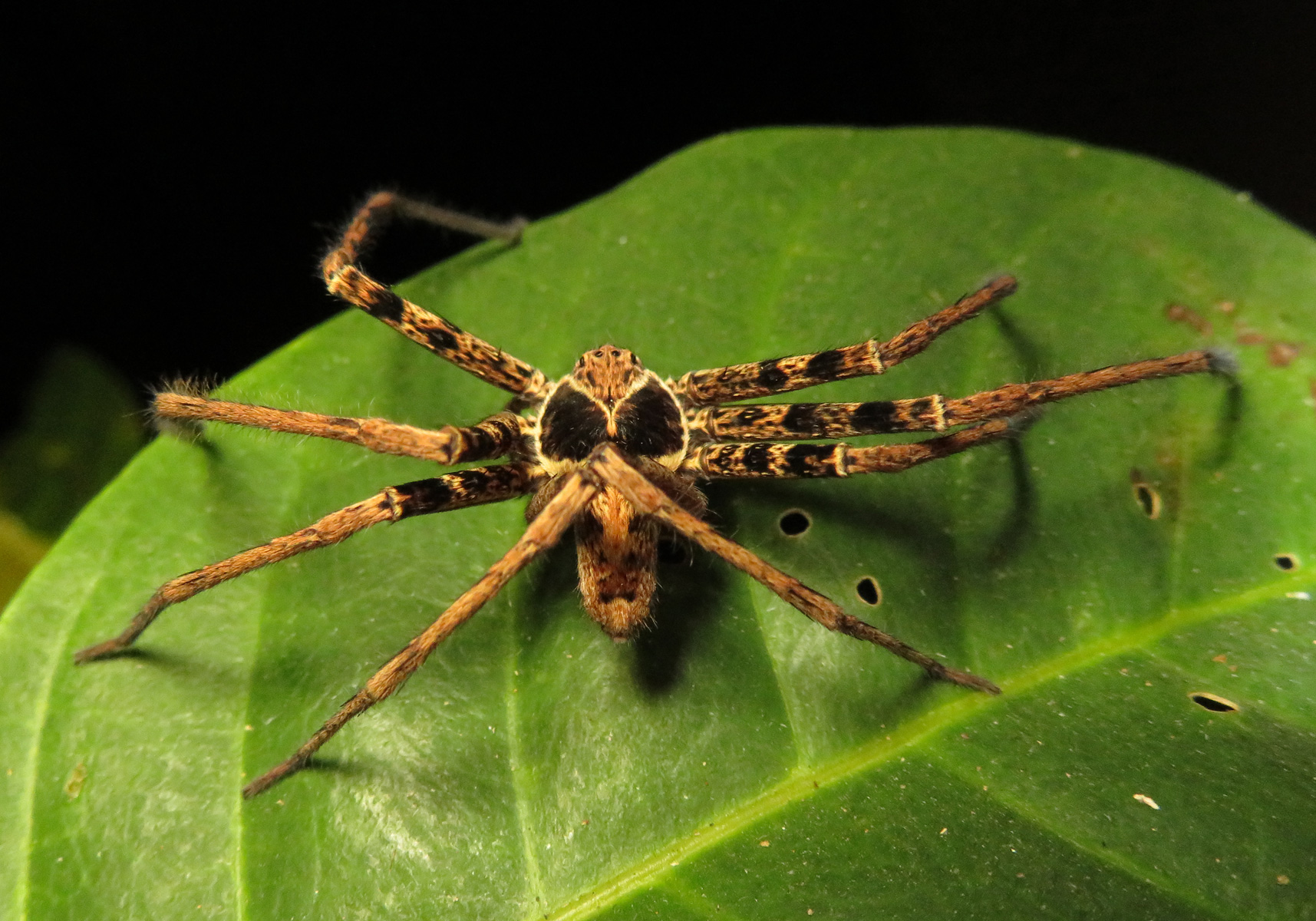
Spiders of the family Sparassidae are generally large, fast-moving, and laterigrade, with legs that extend sideways in a crab-like manner. The body is dorsoventrally flattened, allowing individuals to squeeze into narrow crevices. Coloration is usually cryptic, consisting of browns, grays, and sandy tones, though some species display striking patterns or contrasting markings.
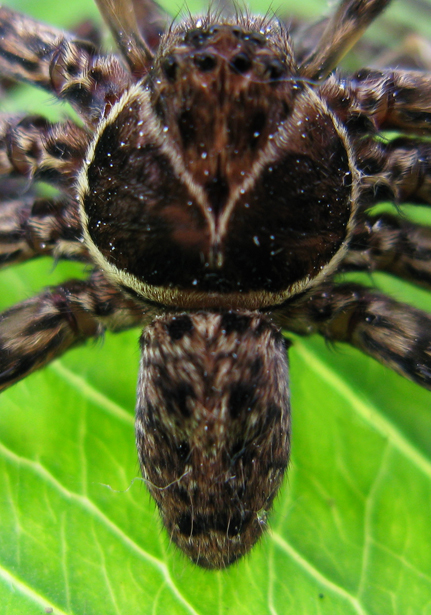
Morphologically, sparassids are characterized by long, powerful legs adapted for rapid running rather than jumping or web-building. The cephalothorax is broad and flat, and the abdomen is oval to elongated. The eye arrangement typically forms two rows, and the mouthparts are strong, suited for subduing relatively large prey. As in other spider families, diagnostic features for identification are found in the male palpal organs and the female epigyne.
Behaviorally, Sparassidae are active hunters that do not build prey-capture webs. They rely on speed, agility, and keen sensory perception to pursue and ambush insects and other arthropods, and some species are capable of capturing small vertebrates. Most huntsman spiders are nocturnal, spending the day hidden in retreats and becoming active at night.
Ecologically, sparassid spiders play an important role as predators in many ecosystems, helping regulate insect populations. Some species are common in human dwellings and are considered beneficial due to their consumption of pest insects. Their large size, rapid movements, and flattened bodies make Sparassidae one of the most recognizable and ecologically significant families of wandering spiders.