

Southeast Asian Water Monitors (Subgenus Soterosaurus)
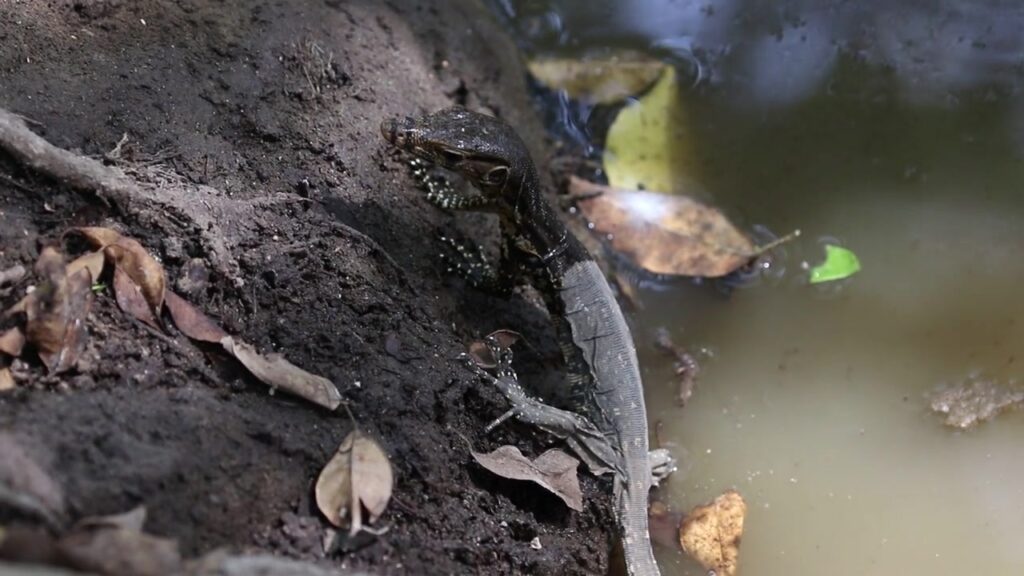
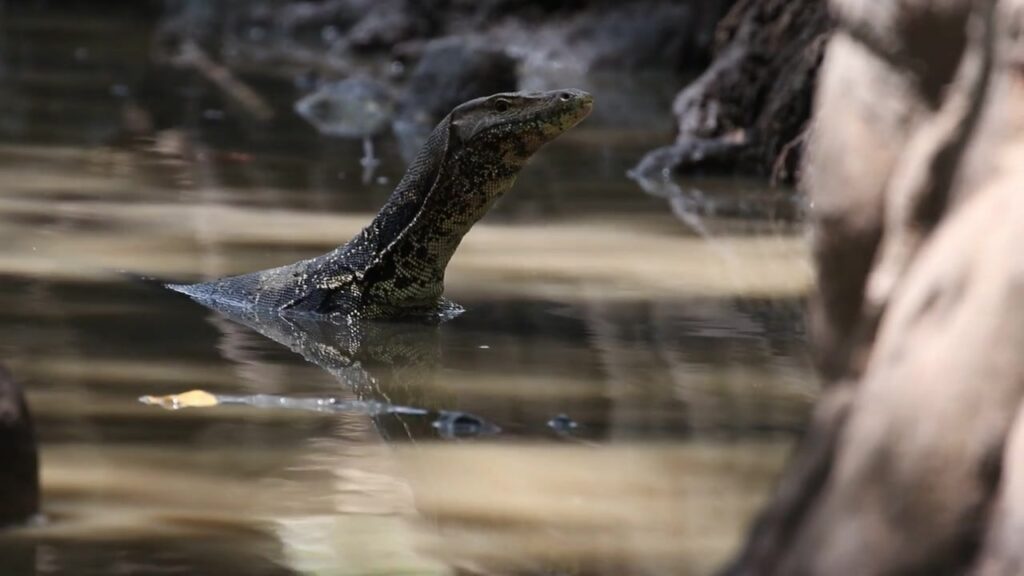
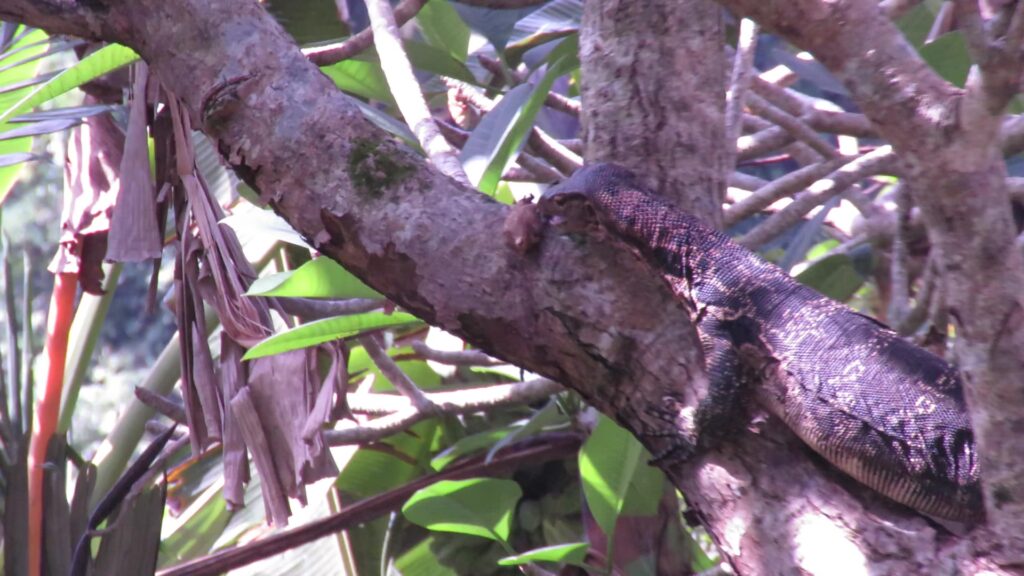
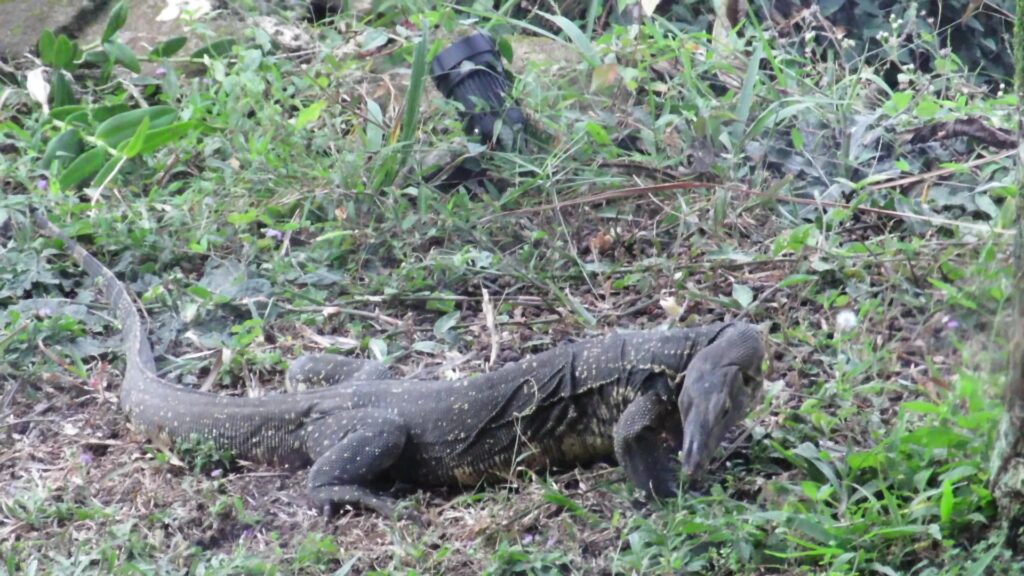
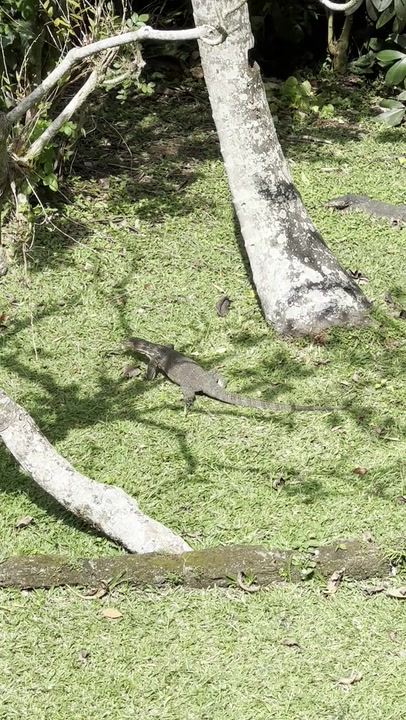
Soterosaurus is a subgenus of monitor lizards within the genus Varanus (Family Varanidae, Infraorder Anguimorpha, Order Squamata). The group is commonly associated with the Southeast Asian water monitors and includes a remarkable radiation of predominantly aquatic and semi-aquatic lizards distributed from Sri Lanka and mainland Southeast Asia through the Philippines, Greater and Lesser Sunda Islands, Sulawesi, and parts of the northern Moluccas. Modern molecular and morphological studies recognize Soterosaurus as a distinct lineage within Varanus.
Members of Soterosaurus are generally medium to very large monitors, characterized by elongated bodies, strong limbs, long laterally compressed tails, powerful claws, and elongated heads. Their tails are particularly well suited to swimming, providing strong lateral propulsion in water. Body coloration varies considerably among species and island populations, commonly incorporating dark brown, black, gray, yellow, cream, or orange markings. Many species have conspicuous banded or spotted patterns, especially when young.
The subgenus is especially notable for its association with aquatic and wetland environments. Members commonly occur around rivers, streams, lakes, ponds, swamps, mangroves, rice fields, coastal areas, and other habitats with permanent or seasonal water. The Asian water monitor (Varanus salvator) is particularly adaptable and can occur in highly modified landscapes, including urban and agricultural environments. Other species are much more geographically restricted, especially those endemic to individual Philippine or Indonesian islands.
Like other monitor lizards, Soterosaurus species possess an exceptionally well-developed chemical sensory system. Their long, forked tongues continually collect chemical particles from the environment, which are analyzed through the vomeronasal organ. This allows individuals to locate prey, recognize environmental cues, and potentially track conspecifics. Their keen vision, strong sense of smell, and powerful locomotor abilities make them effective predators in both terrestrial and aquatic habitats.
Their diet is broadly opportunistic and carnivorous. Depending on species and locality, prey can include insects, crustaceans, mollusks, fish, amphibians, reptiles, birds, eggs, small mammals, and carrion. Aquatic foraging is particularly important in many species, with monitors using their swimming ability to search shallow water, riverbanks, mudflats, and other wet habitats. Their strong jaws, recurved teeth, claws, and muscular necks enable them to seize and tear apart a wide variety of prey.
Most Soterosaurus monitors are diurnal and highly active. Individuals frequently bask on exposed banks, rocks, roots, fallen trees, or other elevated surfaces before moving out to forage. When threatened, they can flee rapidly, climb, swim, or dive into water. Their combination of terrestrial agility and swimming ability provides an effective escape strategy and allows them to exploit both aquatic and terrestrial food resources.
Reproduction is generally oviparous, with females depositing eggs in protected sites. Nesting behavior varies among species, but suitable nesting locations may include soil, vegetation, burrows, or other sheltered structures. In some monitor lizards, termite mounds and other thermally stable structures can provide favorable incubation environments. Young monitors are independent after hatching and must immediately rely on their own ability to forage and avoid predators.
A particularly important component of Soterosaurus is the ** Varanus salvator species complex**, whose taxonomy has undergone substantial revision. Several populations once treated as subspecies have been recognized as distinct species as morphological, geographic, and molecular evidence has accumulated. The current IUCN SSC Monitor Lizard Specialist Group taxonomy recognizes 10 species and four subspecies within Soterosaurus, including V. bangonorum, V. cumingi, V. dalubhasa, V. marmoratus, V. nuchalis, V. palawanensis, V. rasmusseni, V. salvator, V. samarensis, and V. togianus.
Representative species include the widespread Asian water monitor (Varanus salvator), the yellow-headed water monitor (V. cumingi), the marbled water monitor (V. marmoratus), the large-scaled water monitor (V. nuchalis), the Palawan water monitor (V. palawanensis), the Rasmussen’s water monitor (V. rasmusseni), the Samar water monitor (V. samarensis), and the Togian water monitor (V. togianus). Several of these species are restricted to Philippine or Indonesian islands, illustrating the important role of island isolation in the diversification of Southeast Asian monitor lizards.
Ecologically, Soterosaurus species are important predators and scavengers in freshwater, coastal, and terrestrial food webs. They influence populations of fish, crustaceans, amphibians, reptiles, birds, and small mammals while also contributing to nutrient cycling through scavenging. Their strong association with wetlands makes them particularly relevant to the ecological health of many tropical landscapes. At the same time, habitat conversion, hunting, persecution, road mortality, and exploitation for the wildlife trade can threaten localized populations, especially those confined to small islands. The continuing discovery and recognition of distinct species within Soterosaurus highlights the group’s considerable evolutionary and biogeographic diversity.