Bali Wildlife
Every Spices Matter


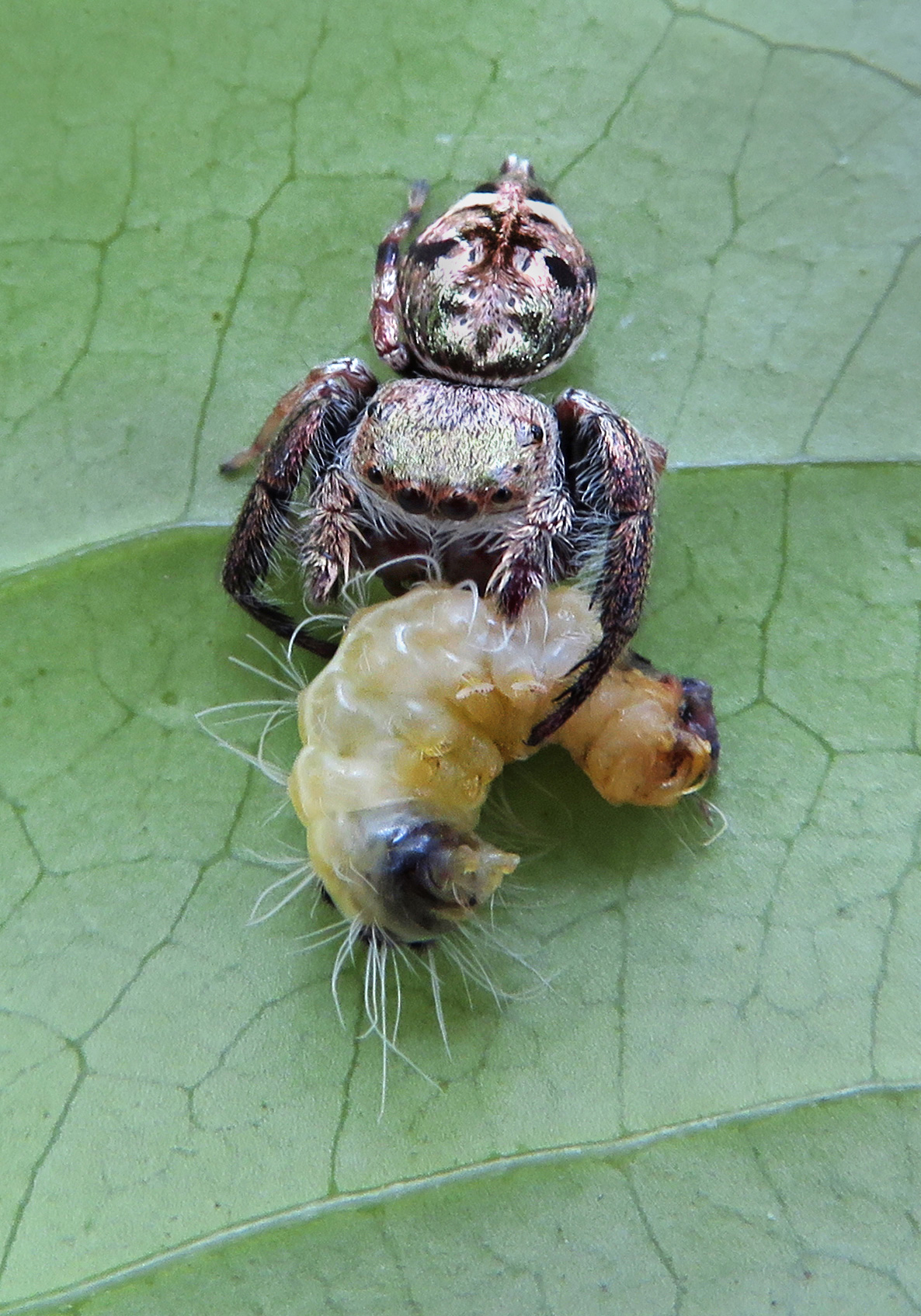
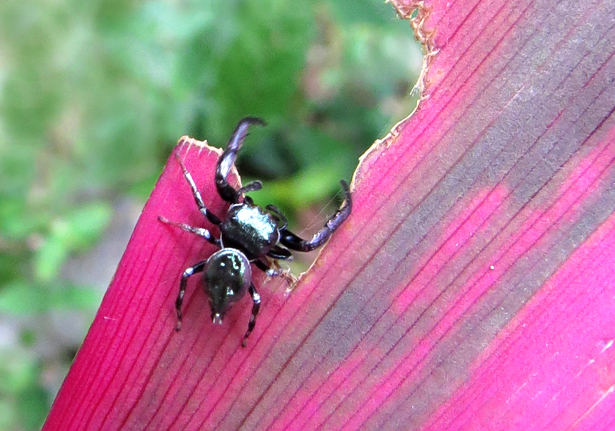
Simaethina is a subtribe of jumping spiders within the family Salticidae, subfamily Salticinae, and tribe Viciriini. The subtribe is distributed mainly across the Old World tropics and subtropics, with species occurring in South and Southeast Asia, East Asia, Africa, and Australia. Members of Simaethina are typically associated with vegetation, tree trunks, and foliage in forested, woodland, and garden habitats.
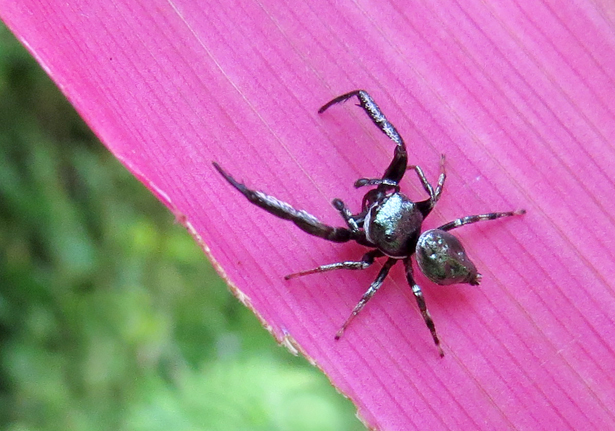
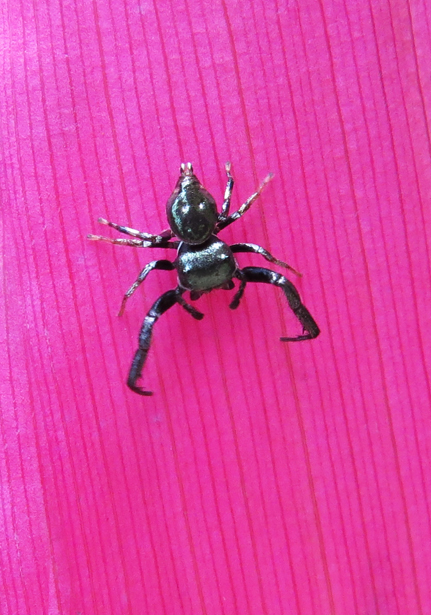
Spiders of the subtribe Simaethina are generally small to medium-sized and are often distinguished by their elongated bodies and flattened appearance, which aid in camouflage against bark and leaves. Coloration is usually cryptic, consisting of browns, grays, and mottled patterns, although some species may display subtle contrasting markings. The cephalothorax is moderately low and elongate, and the abdomen is typically narrow and extended.
Morphologically, Simaethina are characterized by distinctive configurations of the male palpal organs and the female epigyne, which are used to differentiate genera and species within the subtribe. Legs are relatively long and slender, enhancing agility and allowing precise movements on plant surfaces and bark. The first pair of legs may be used in prey capture and courtship signaling.
Behaviorally, members of Simaethina are active, diurnal hunters that rely heavily on visual cues. They do not construct capture webs but instead stalk prey slowly and capture it with a sudden leap. Many species exhibit behavior and posture that enhance their cryptic appearance, often aligning their bodies closely with the substrate to avoid detection.
Ecologically, Simaethina spiders are effective predators of small insects and other arthropods and contribute to the balance of insect populations in their habitats. The subtribe includes genera such as Simaetha and related forms and represents a specialized and well-adapted lineage within the diverse jumping spider family.