Bali Wildlife
Every Spices Matter


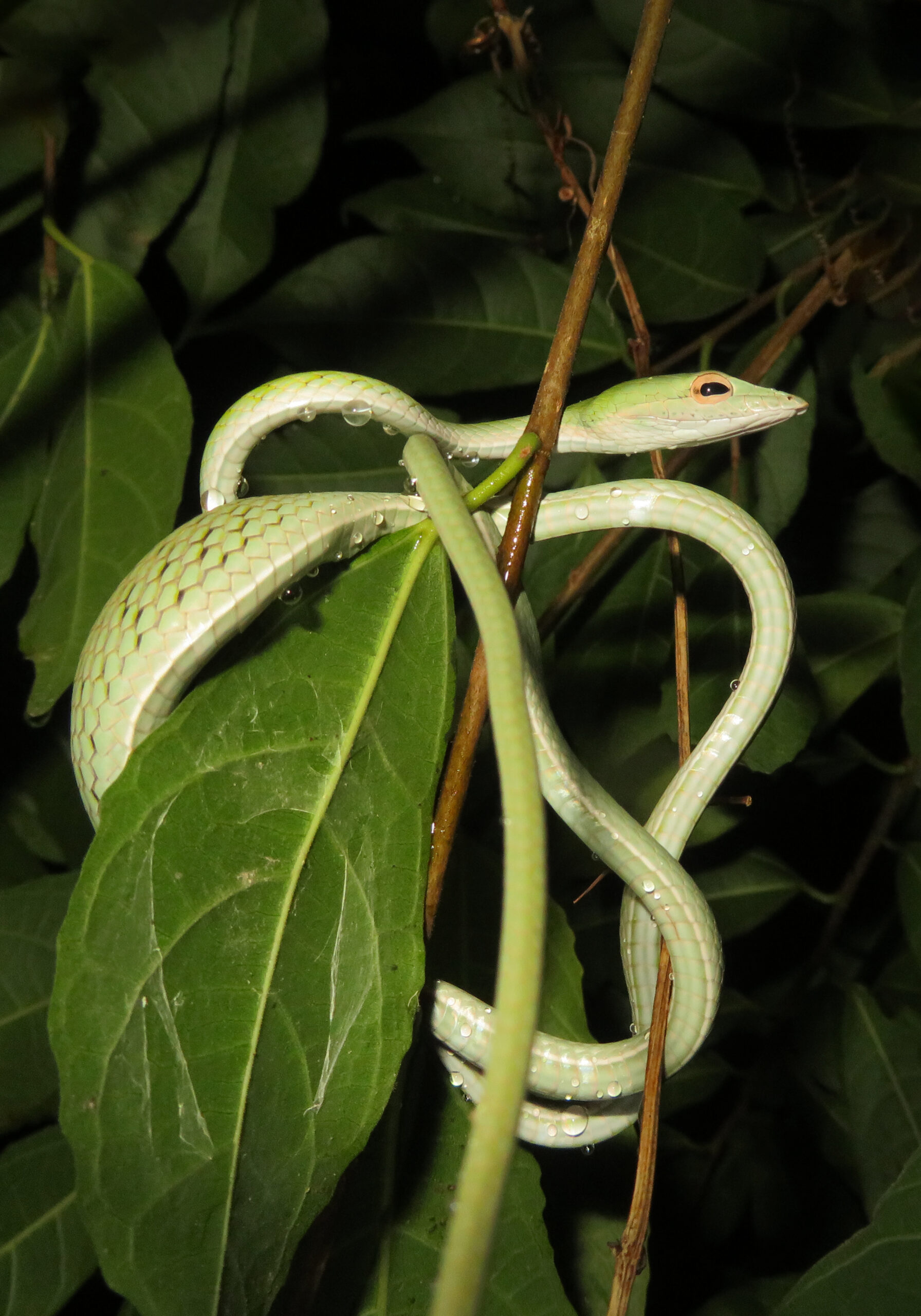
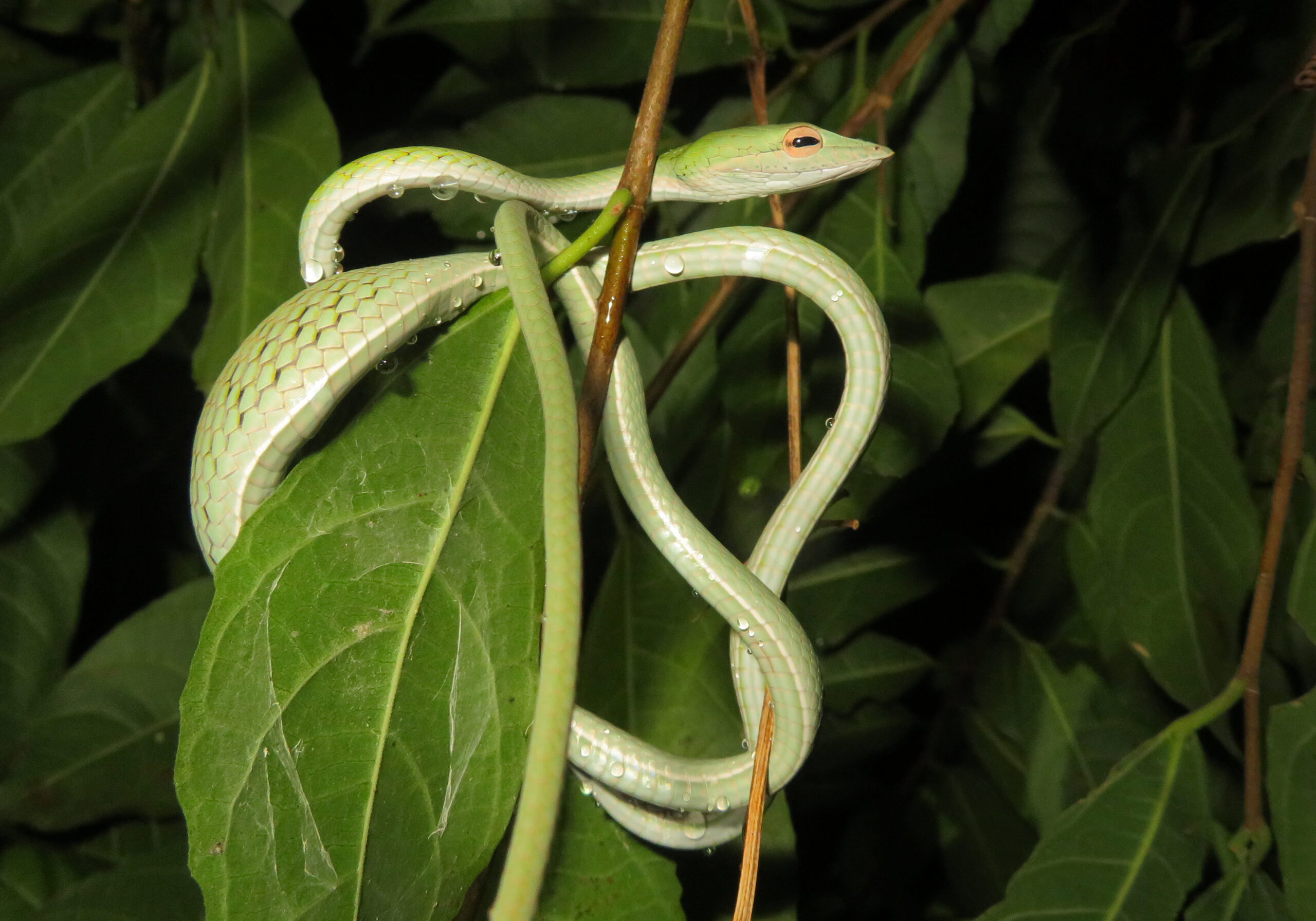
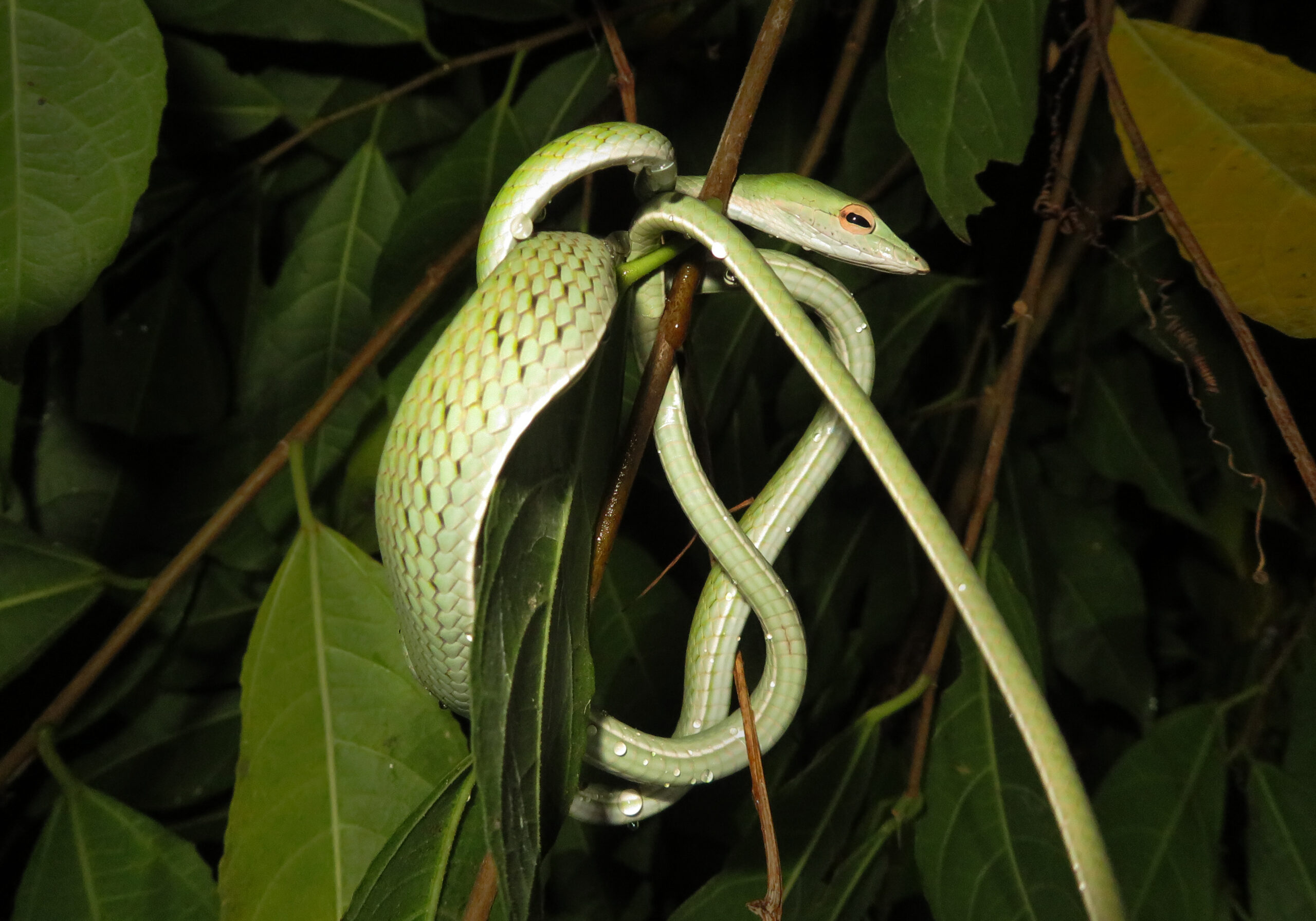
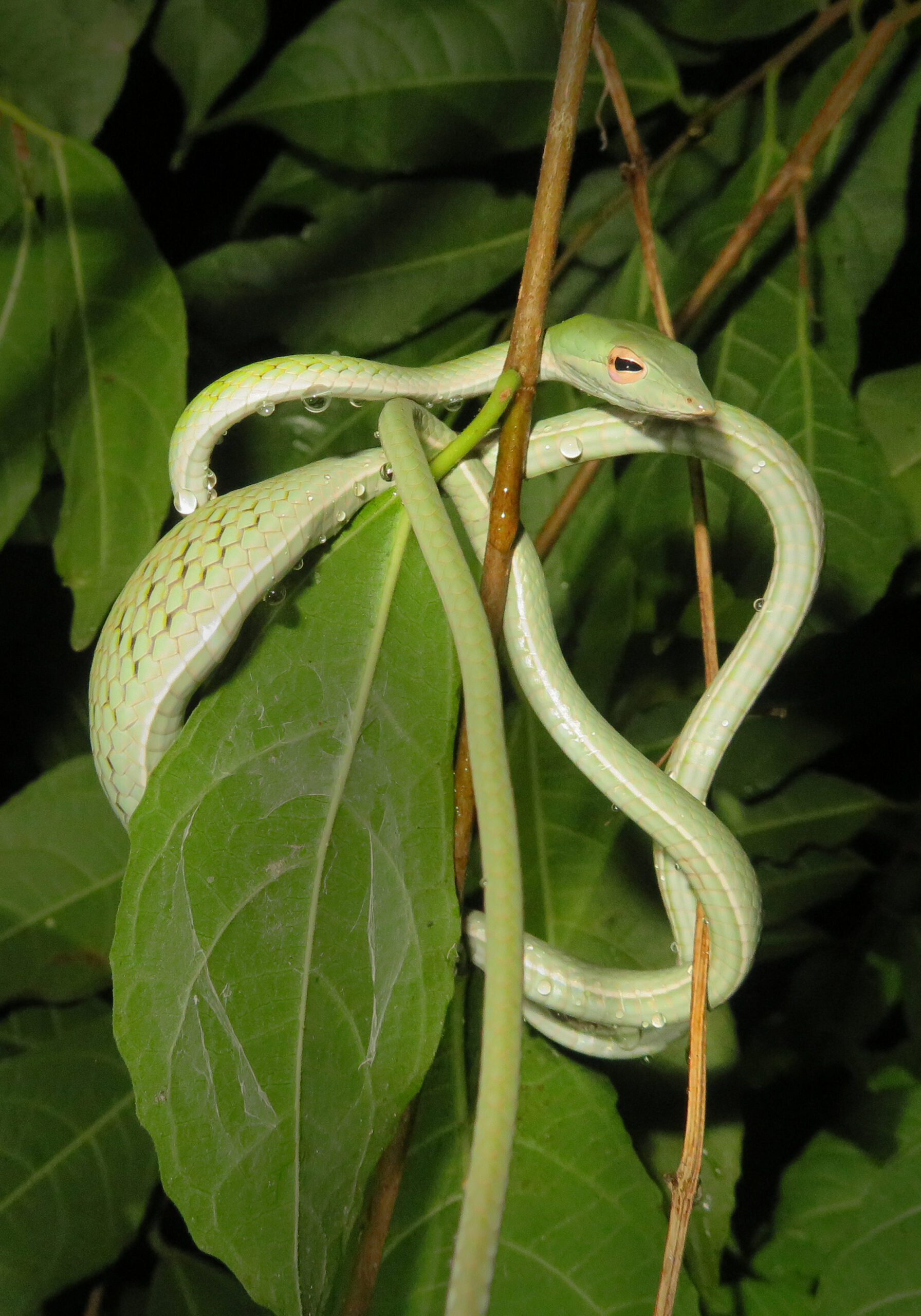
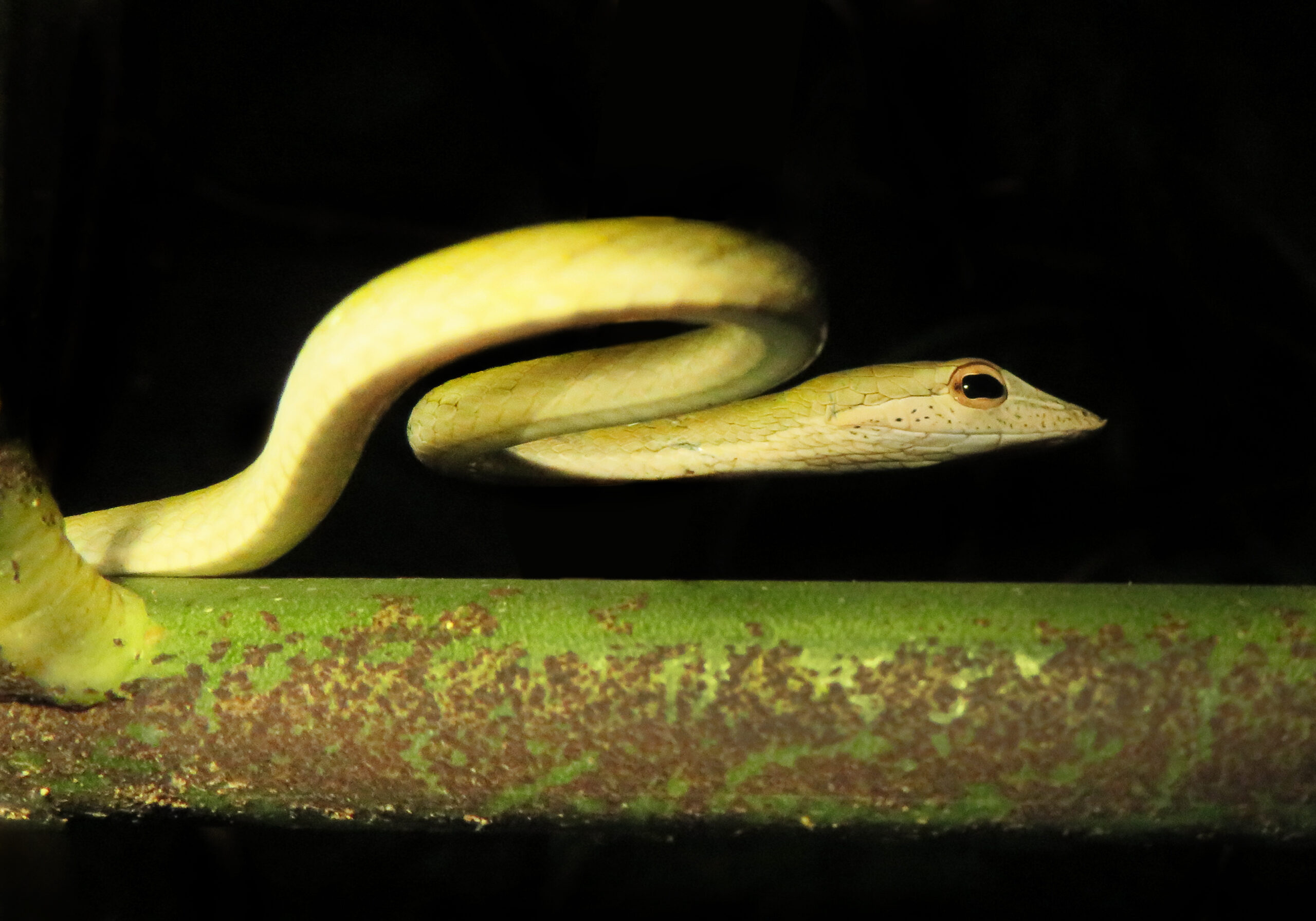
Serpentes is a suborder within the order Squamata, comprising the reptiles commonly known as snakes. Snakes are characterized by their elongated, limbless bodies, absence of external eyelids and tympanic membranes, and a highly flexible skull that allows the ingestion of prey much larger than the head.
Members of Serpentes possess a forked tongue used in conjunction with the Jacobson’s organ (vomeronasal organ) for chemoreception. Locomotion is achieved through specialized muscular movements and ventral scales adapted for traction. Respiration occurs via lungs, with most species having a reduced or absent left lung.
Snakes are entirely carnivorous, feeding on a wide variety of prey including invertebrates, fish, amphibians, reptiles, birds, and mammals. Some species are venomous, equipped with specialized fangs and venom glands used for prey immobilization and defense, while others rely on constriction or swallowing prey alive.
Snakes inhabit diverse environments ranging from forests and grasslands to deserts, freshwater, and marine habitats. Ecologically, they play critical roles as both predators and prey, helping regulate animal populations and maintain ecosystem balance.