Bali Wildlife
Every Spices Matter


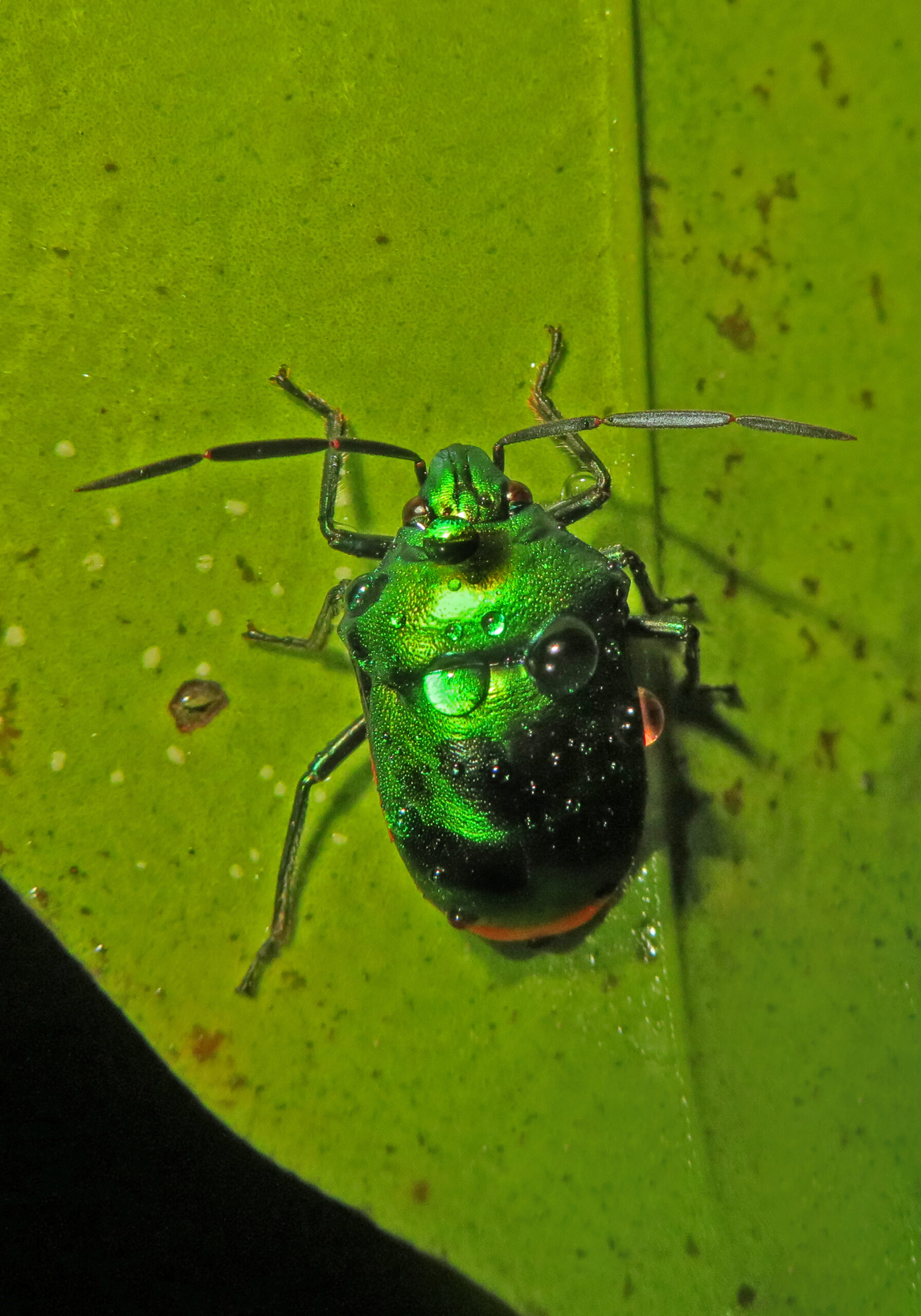
Scutellerini is a tribe of jewel bugs within the subfamily Scutellerinae (Family Scutelleridae, Order Hemiptera). Members of this tribe are widely distributed throughout Africa, Europe, Asia, and Australia, with the greatest diversity occurring in tropical and subtropical regions. They inhabit forests, grasslands, agricultural fields, shrublands, and gardens, where they live on a wide variety of flowering plants.
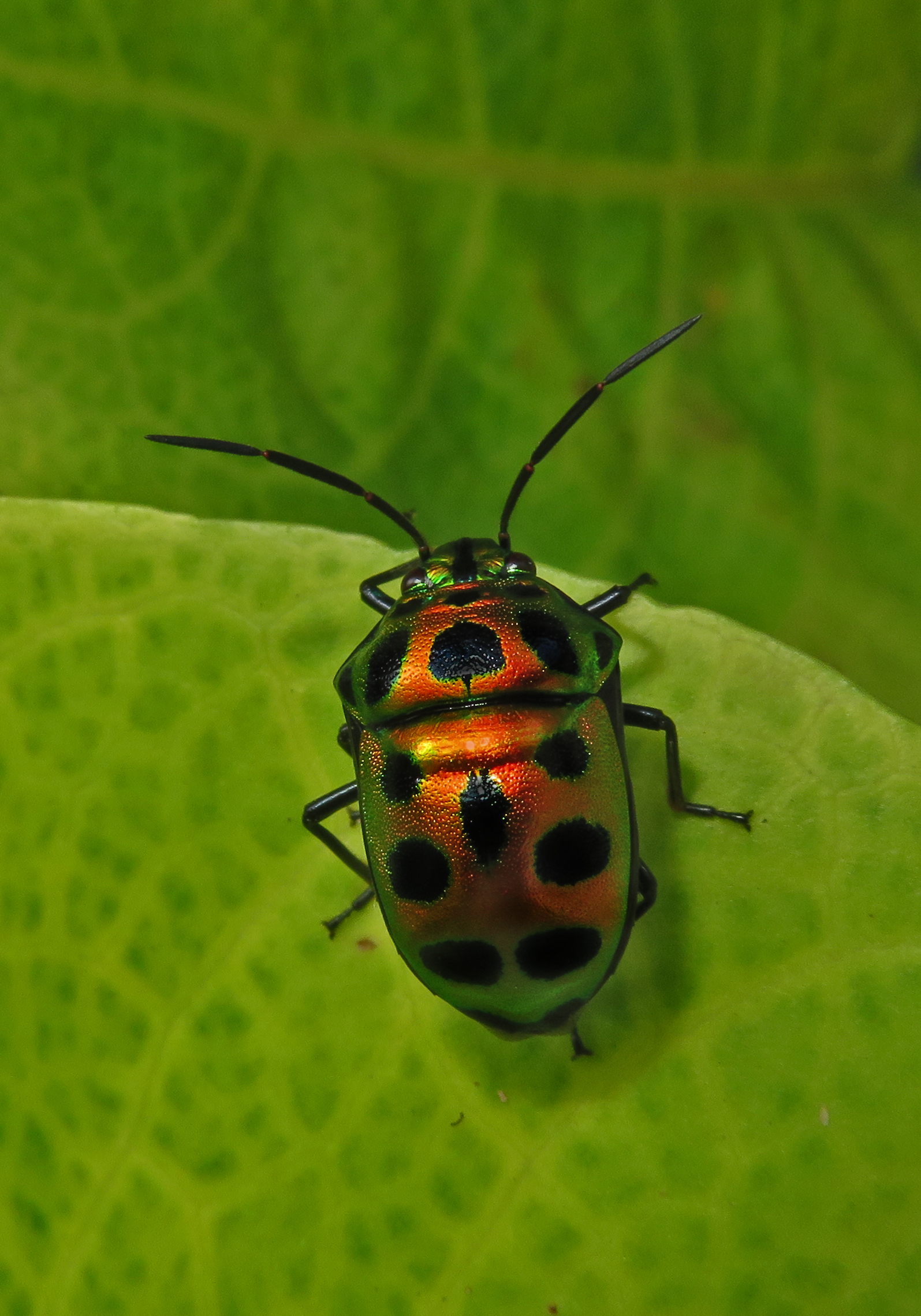
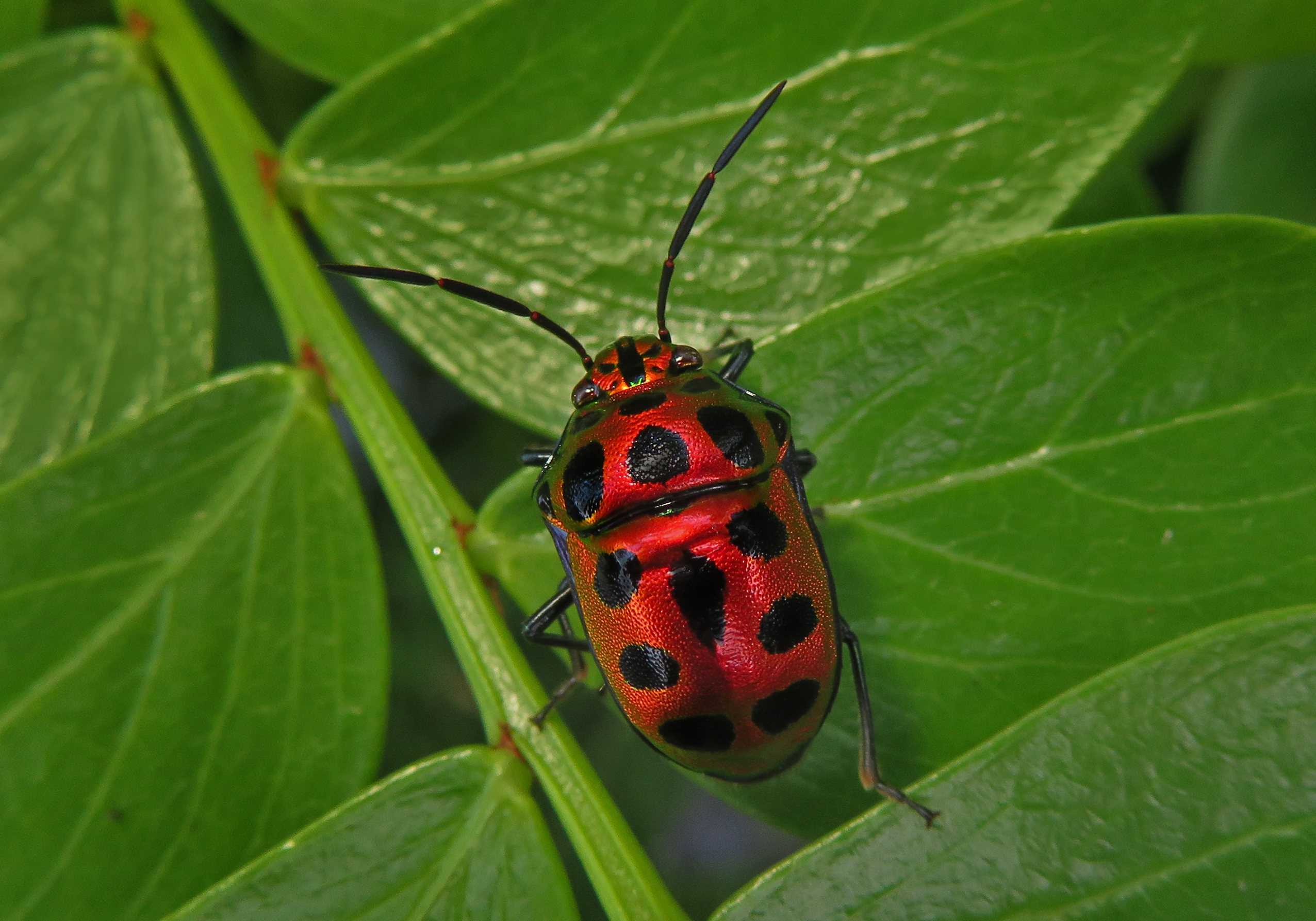
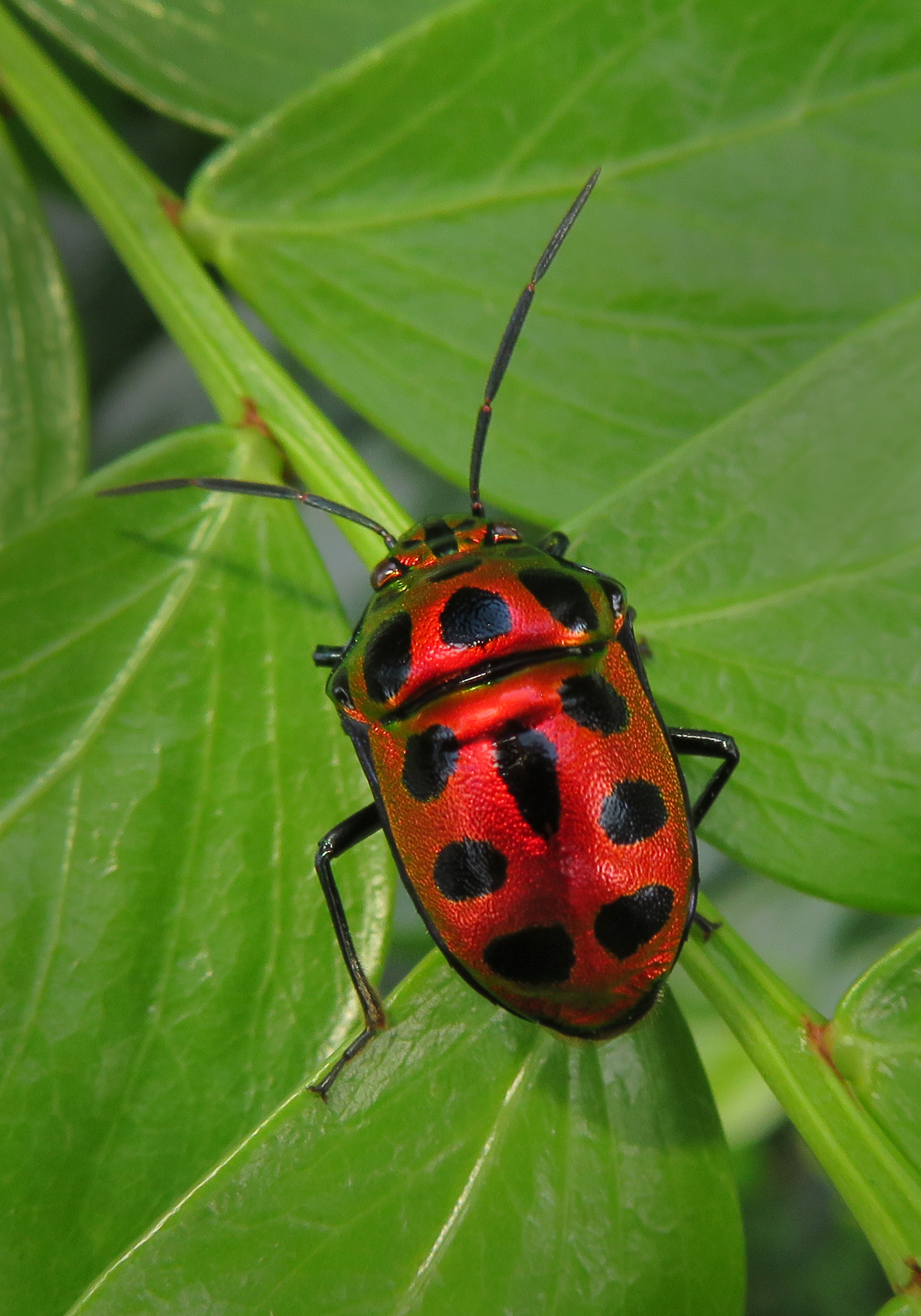
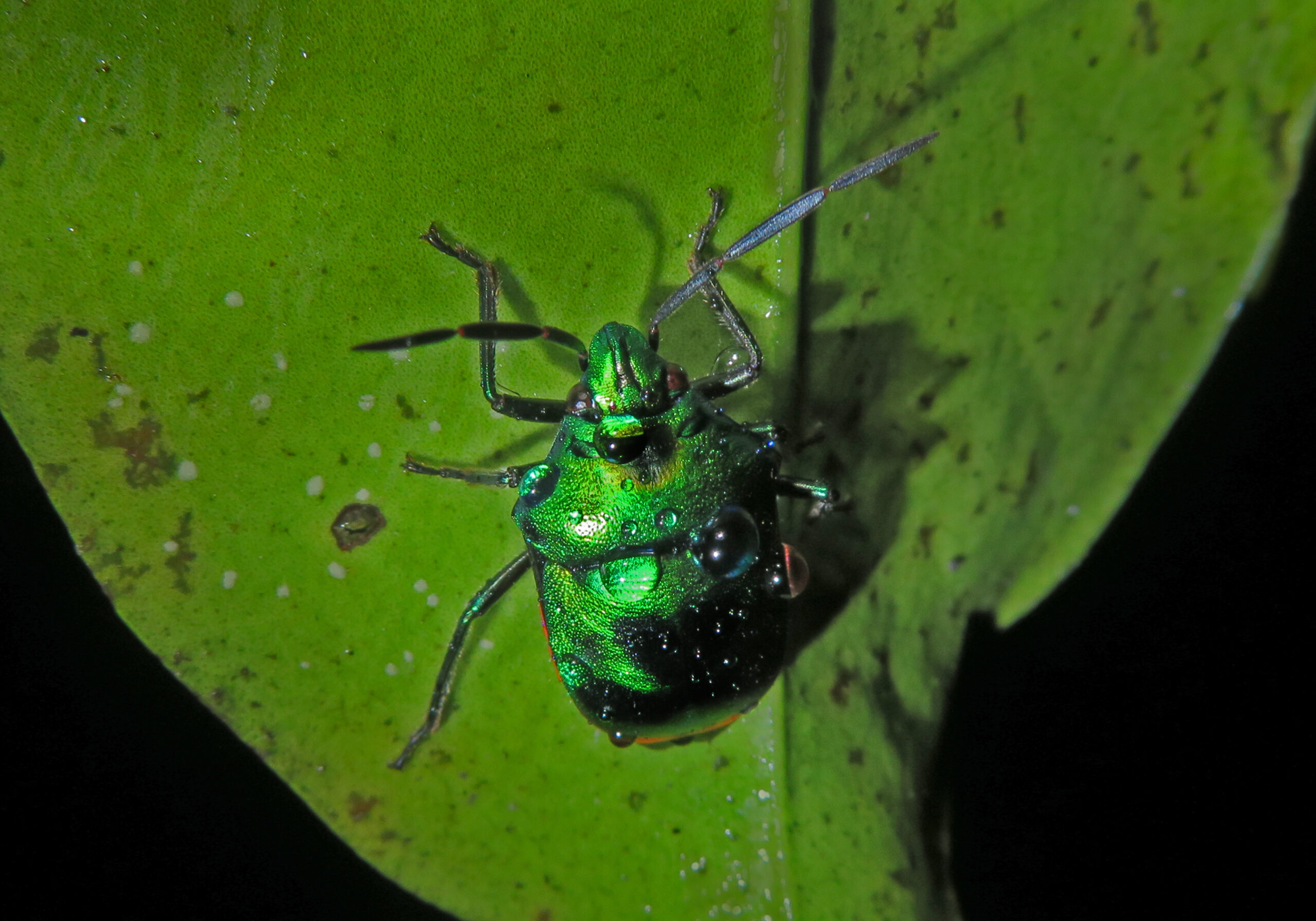
Bugs of the tribe Scutellerini are generally small to medium-sized and are distinguished by their greatly enlarged scutellum, which extends over almost the entire abdomen and wings. This expanded shield gives them a smooth, rounded, beetle-like appearance and is one of the defining characteristics of jewel bugs.
Many species exhibit brilliant metallic or iridescent coloration, including shades of green, blue, bronze, gold, purple, and red. Others display combinations of contrasting spots, stripes, or geometric patterns that may function in camouflage, warning, or species recognition. The body is broadly oval and strongly convex, with relatively short legs and well-developed piercing-sucking mouthparts.
Both adults and nymphs are herbivorous, feeding by inserting their stylets into leaves, stems, fruits, seeds, or developing plant tissues to extract sap and nutrients. Host plant preferences vary among species, and while most have little economic significance, some may occasionally feed on cultivated crops.
The life cycle involves incomplete metamorphosis, consisting of egg, nymph, and adult stages. Females lay clusters of eggs on host plants, and the wingless nymphs undergo several molts before becoming fully winged adults. Nymphs are often brightly colored and may differ considerably in appearance from adults.
The tribe includes well-known genera such as Scutellera, Chrysocoris, Calliphara, and several related genera, many of which are admired for their striking coloration and intricate dorsal patterns.
Ecologically, Scutellerini species function as herbivores that influence plant communities and contribute to ecosystem dynamics. They also serve as prey for birds, reptiles, spiders, predatory insects, and parasitoids. Their vivid metallic coloration, distinctive shield-like form, and ecological roles make them among the most recognizable and visually attractive true bugs in terrestrial ecosystems.