Bali Wildlife
Every Spices Matter


Scolioidea is a superfamily within the order Hymenoptera, comprising a group of robust, often large-bodied wasps that are primarily parasitoids of soil-dwelling insects. Members of this superfamily are distributed worldwide and are especially diverse in tropical and subtropical regions. They are commonly found in grasslands, forests, gardens, and sandy or loose soils where their hosts occur.
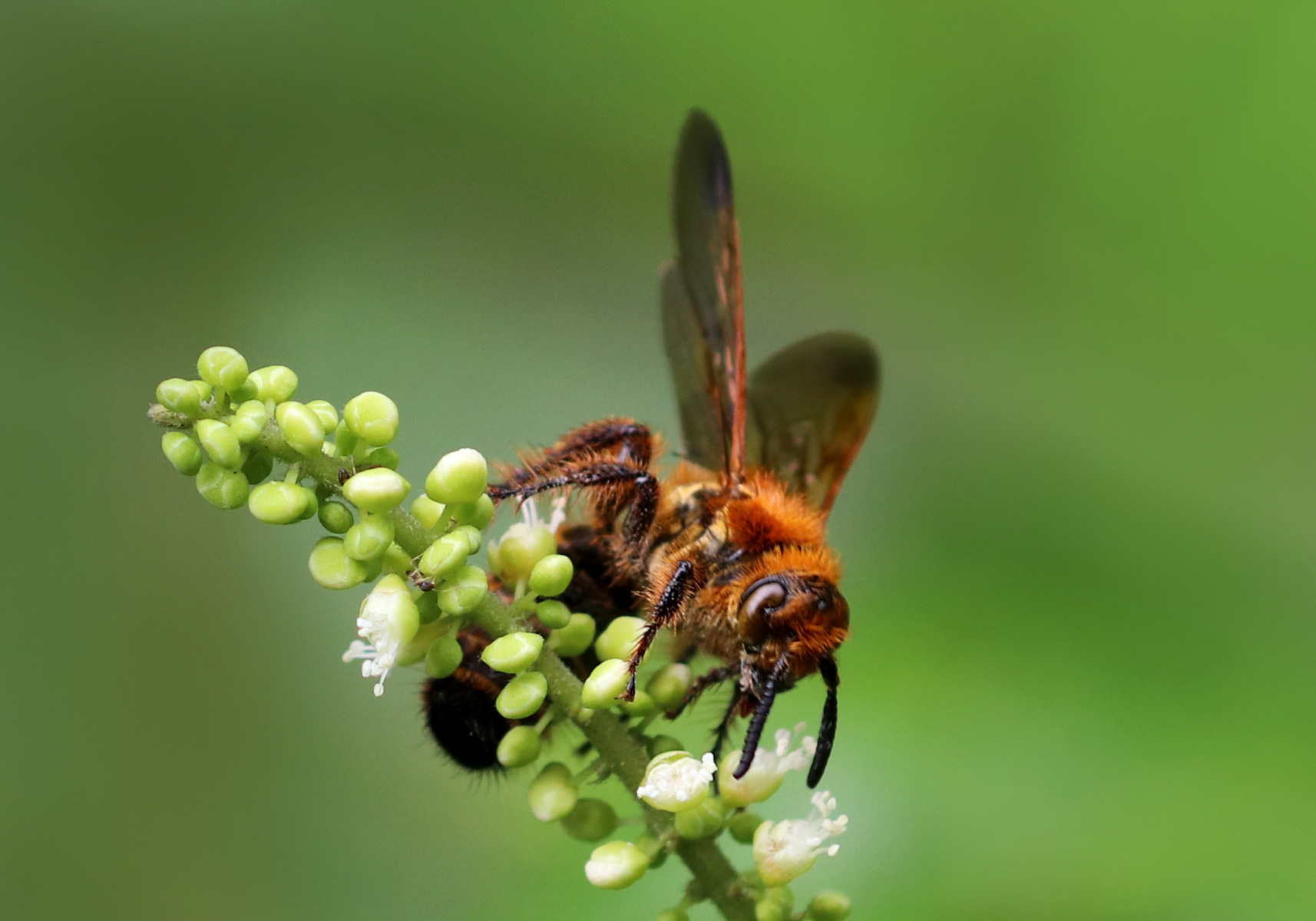
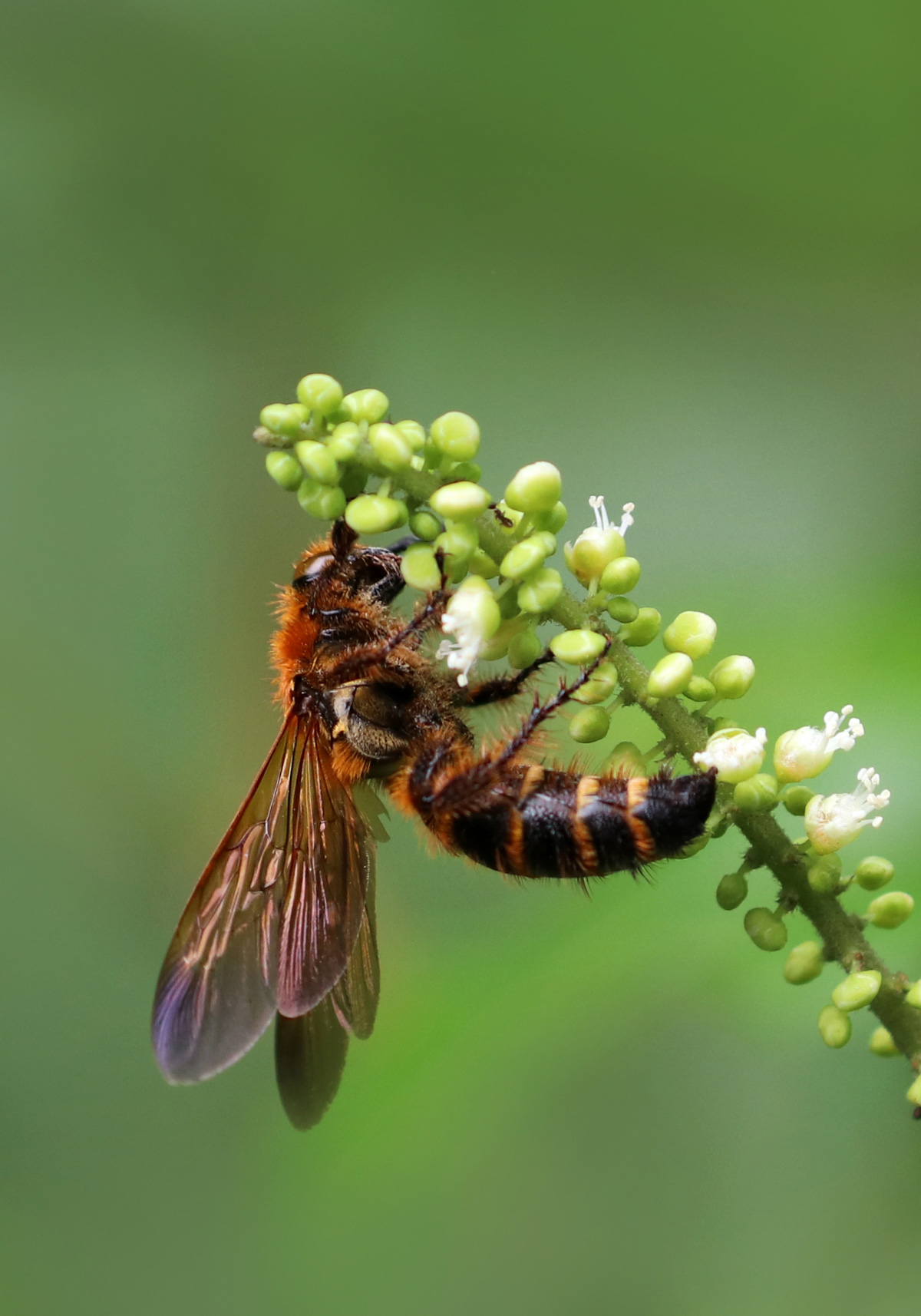
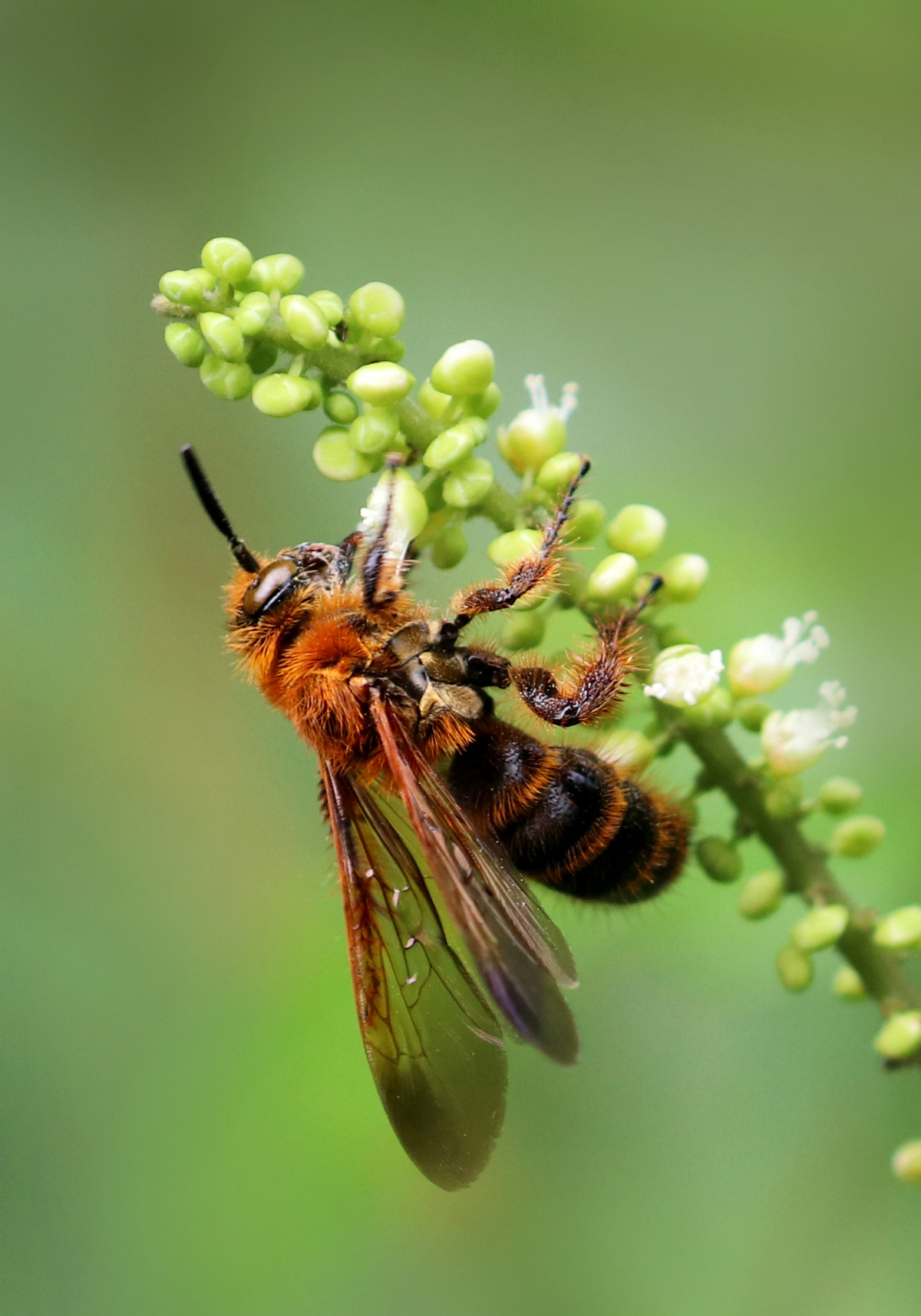
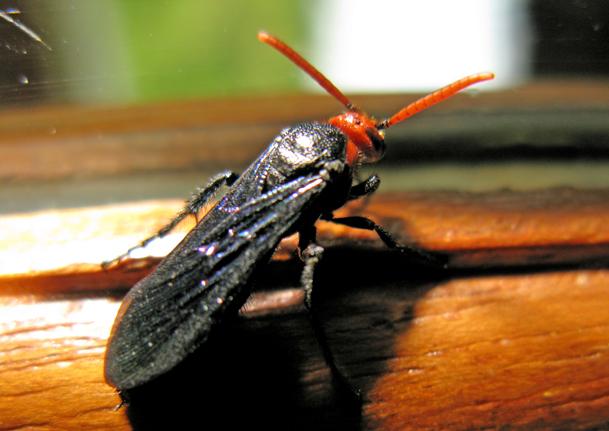
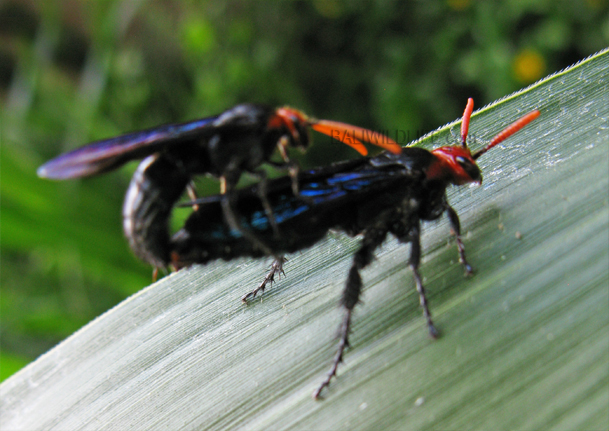
Wasps in Scolioidea are typically medium to large in size and have a robust, often hairy body. Many species display striking coloration, such as black combined with yellow, orange, or red markings. The wings are usually dark or iridescent, and the body is adapted for digging, with strong legs and spines used for burrowing into soil.
The head is well developed with strong mandibles and large compound eyes. Females possess a functional stinger, which is used not for defense but primarily to paralyze their hosts.
The life cycle involves complete metamorphosis. Female scoliid wasps search for larvae of beetles, particularly scarab beetles, in the soil. Once a suitable host is located, the female stings and paralyzes it, then lays an egg on or near the host. The developing larva feeds externally on the immobilized host, eventually consuming it before pupating in the soil.
Adults typically feed on nectar and are often observed visiting flowers, making them occasional pollinators. They are generally not aggressive and rarely sting unless handled.
The superfamily Scolioidea includes families such as Scoliidae (scoliid wasps), Tiphiidae, and related groups, which vary in morphology and behavior but share a parasitoid lifestyle.
Ecologically, Scolioidea plays an important role in regulating populations of soil-dwelling insects, particularly beetle larvae that may be agricultural pests. Their activity helps maintain ecological balance, and their adult feeding behavior contributes to pollination. Despite their formidable appearance, they are beneficial insects and an important component of terrestrial ecosystems.