Bali Wildlife
Every Spices Matter


Scholastinae is a subfamily within the family Platystomatidae (Superfamily Tephritoidea, Order Diptera), comprising a group of signal flies that are primarily distributed in tropical and subtropical regions. Members of this subfamily are especially diverse in Southeast Asia, Australasia, and parts of the Afrotropical region, where they inhabit forests, forest edges, and areas rich in decaying organic matter.
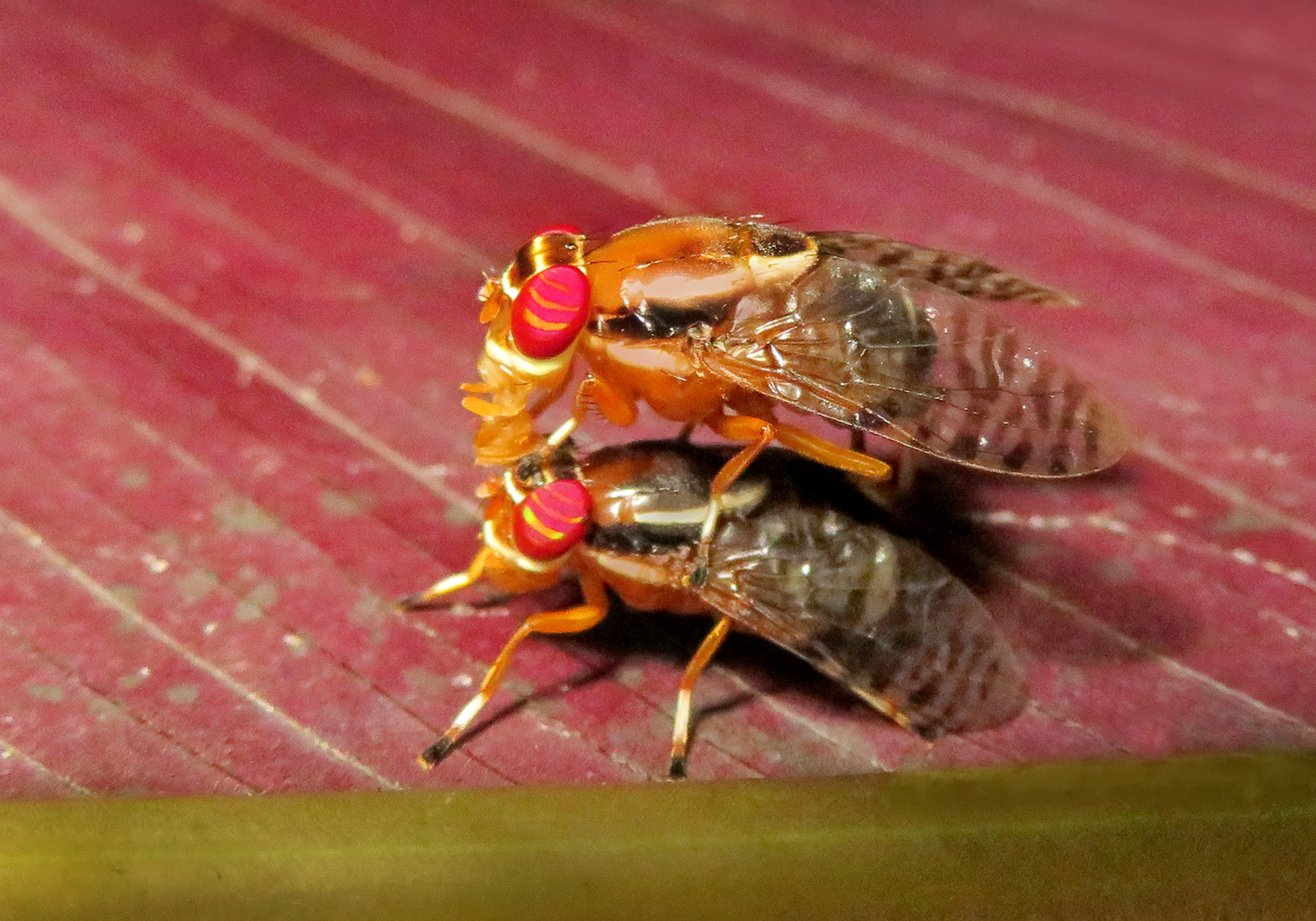
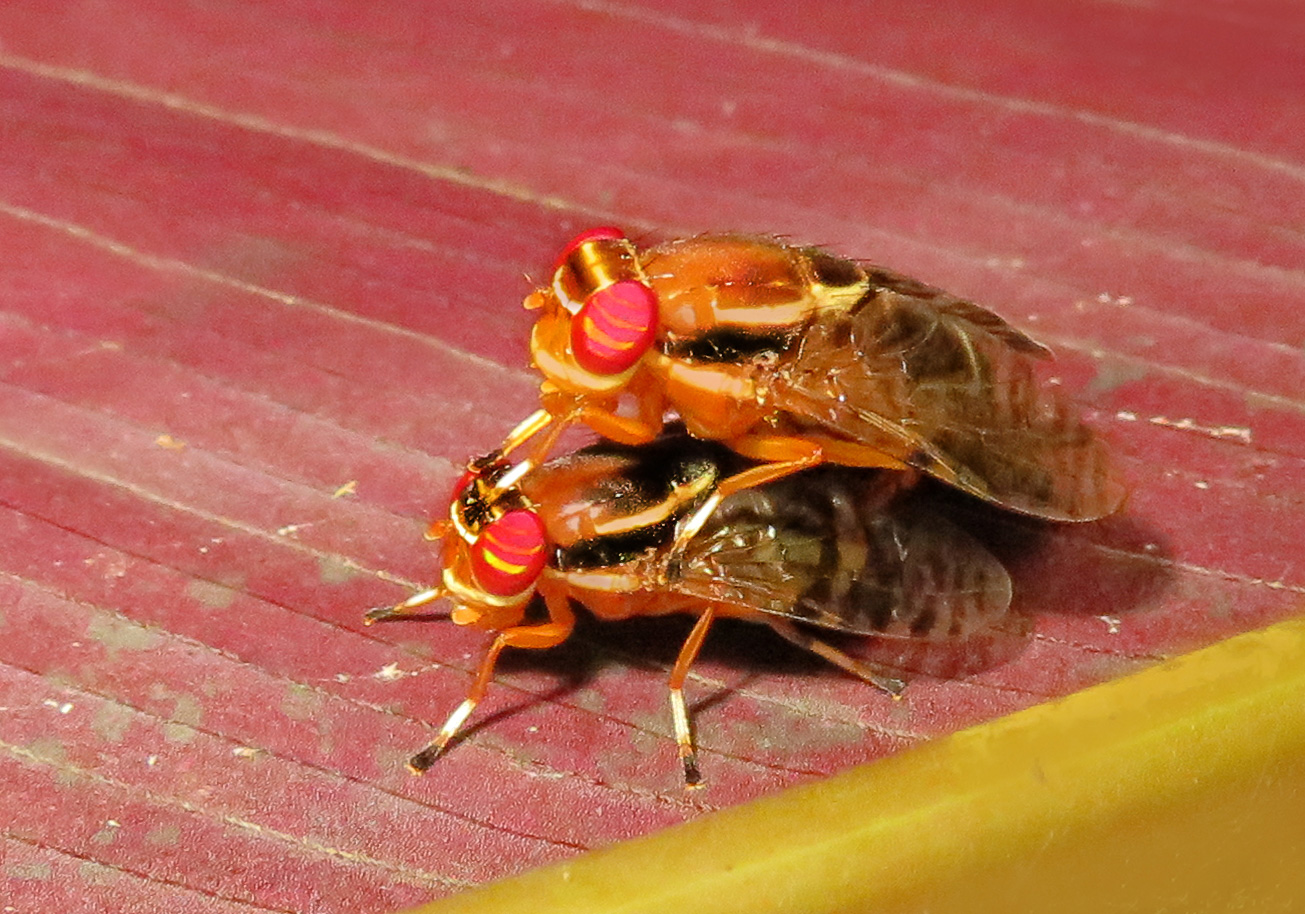
Flies of the subfamily Scholastinae are generally small to medium-sized and exhibit the typical features of platystomatids, including broad wings often marked with distinct patterns such as bands, spots, or patches. These wing markings are frequently used in visual signaling, particularly during courtship and territorial interactions. Adults may display characteristic wing movements, such as flicking or waving, to communicate with conspecifics.
The body is usually robust, with a relatively large head, well-developed compound eyes, and short antennae bearing an arista. Coloration varies among species but is often subdued, with shades of brown, black, or yellow, sometimes complemented by patterned wings that enhance their visual appearance.
The life cycle involves complete metamorphosis. Larvae are typically associated with decaying organic material, including rotting plant matter, fallen fruits, and other decomposing substrates. They function mainly as detritivores, contributing to the breakdown of organic material. Pupation usually occurs in the soil or within the larval habitat.
Adults are commonly found on vegetation, near decaying matter, or in shaded forest environments. They may feed on nectar, honeydew, or liquids derived from decomposing material. Behavioral displays involving wing movements are important for communication and reproduction.
Ecologically, Scholastinae plays a role in decomposition and nutrient cycling, particularly in tropical ecosystems. Although generally not of major economic importance, they contribute to biodiversity and ecological processes, especially in forest habitats where organic matter decomposition is a key function.