Bali Wildlife
Every Spices Matter


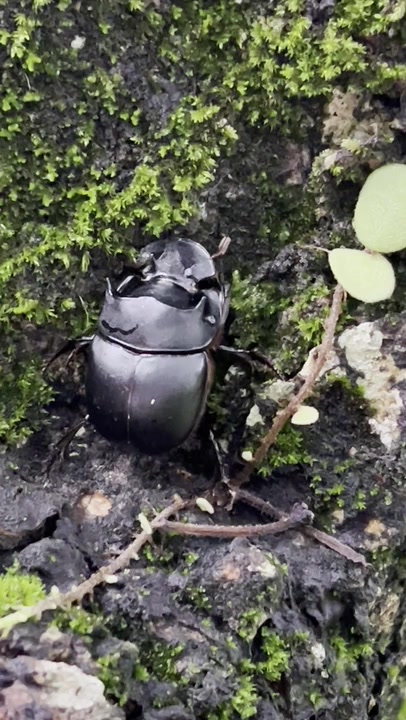
Scarabaeinae is a subfamily of scarab beetles within the family Scarabaeidae (Order Coleoptera), commonly known as true dung beetles. Comprising more than 6,000 described species, members of this subfamily are distributed on every continent except Antarctica, with the greatest diversity occurring in tropical and subtropical regions. They inhabit forests, grasslands, savannas, deserts, agricultural lands, and mountainous areas, wherever vertebrate dung and other organic matter are available.
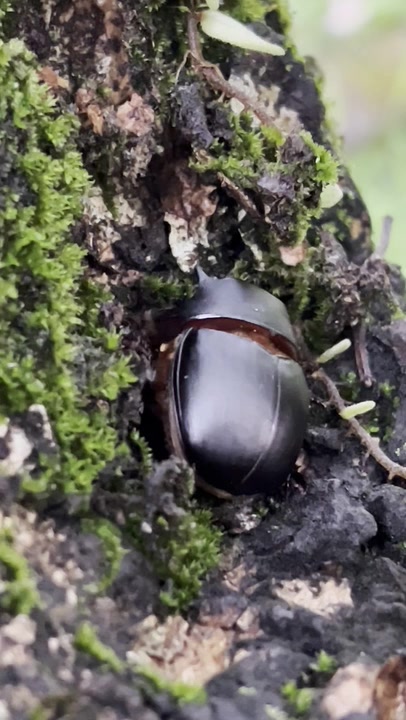
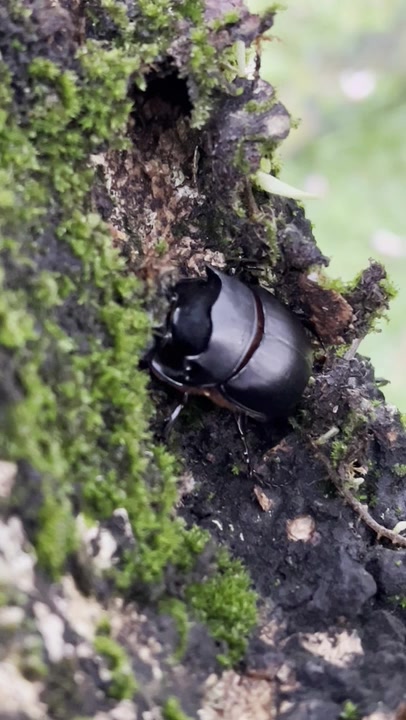
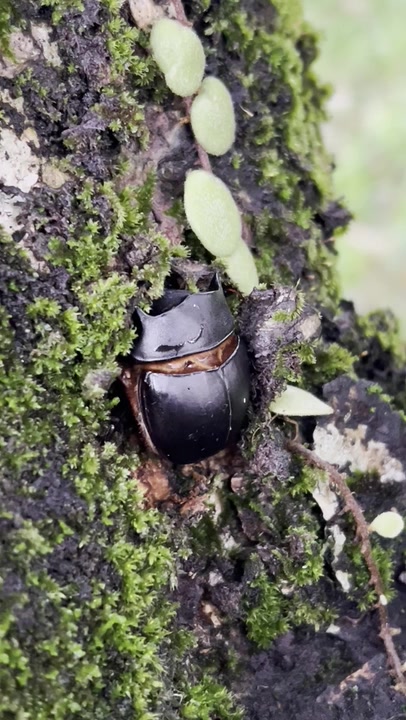
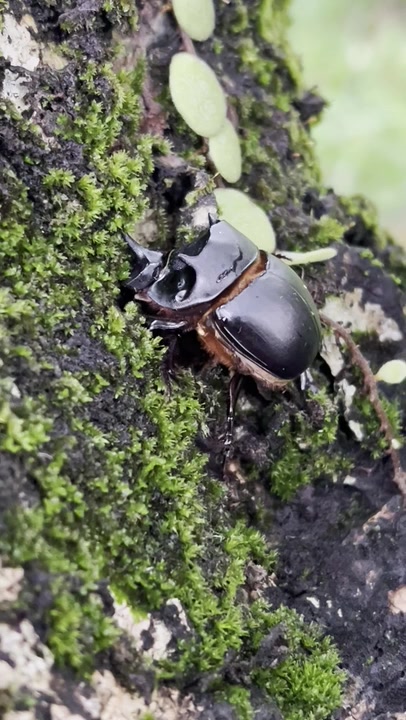
Beetles of the subfamily Scarabaeinae are generally medium-sized to large and possess a robust, oval body with a strongly sclerotized exoskeleton. Coloration varies widely among species and includes black, brown, metallic green, blue, bronze, purple, and copper. Some species bear horns or other elaborate projections on the head or pronotum, particularly in males, which are used in combat over food resources and breeding sites.
Most Scarabaeinae are specialized feeders on the dung of mammals, although some species also utilize carrion, decaying fruit, fungi, or decomposing plant material. Based on their nesting behavior, dung beetles are commonly classified into three ecological groups: rollers (telecoprids), which roll dung into balls and transport it away from the source; tunnelers (paracoprids), which bury dung directly beneath or beside the dung pile; and dwellers (endocoprids), which develop within the dung itself.
The life cycle involves complete metamorphosis, consisting of egg, larva, pupa, and adult stages. Females prepare brood chambers containing dung, which serves as food for the developing larvae. The larvae are characteristic C-shaped white grubs that feed on the stored organic material before pupating within the soil.
The subfamily includes numerous well-known genera such as Scarabaeus, Onthophagus, Copris, Gymnopleurus, Heliocopris, and Catharsius, representing a remarkable diversity of body forms, behaviors, and ecological specializations.
Ecologically, Scarabaeinae beetles are among the most important recyclers in terrestrial ecosystems. By removing and burying dung, they accelerate nutrient cycling, improve soil aeration and fertility, enhance water infiltration, reduce populations of dung-breeding flies and parasites, and promote seed dispersal. They also serve as prey for birds, mammals, reptiles, amphibians, and predatory insects. Owing to their vital ecological functions and sensitivity to habitat disturbance, dung beetles are widely recognized as valuable indicators of ecosystem health and biodiversity.