Bali Wildlife
Every Spices Matter


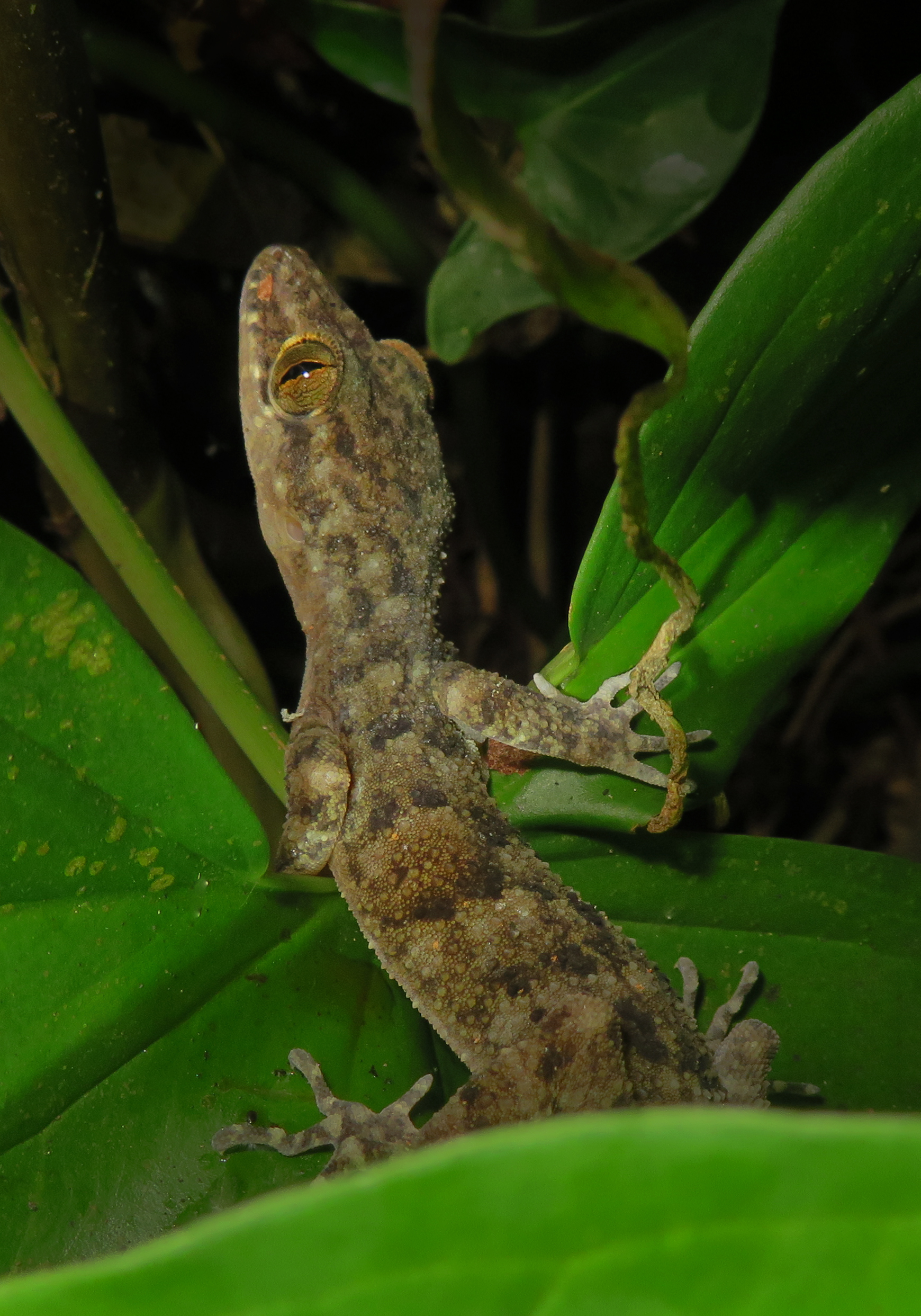
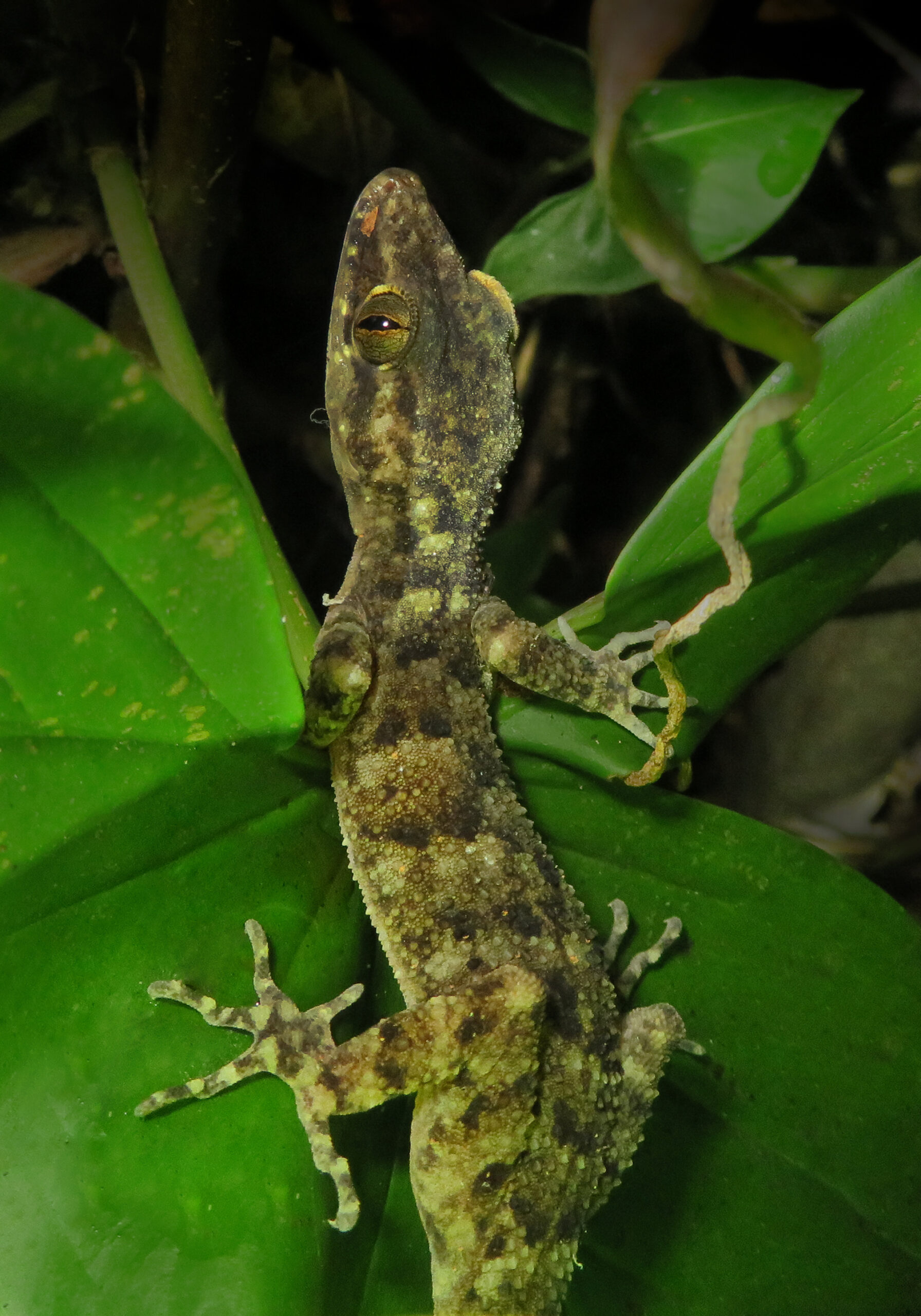
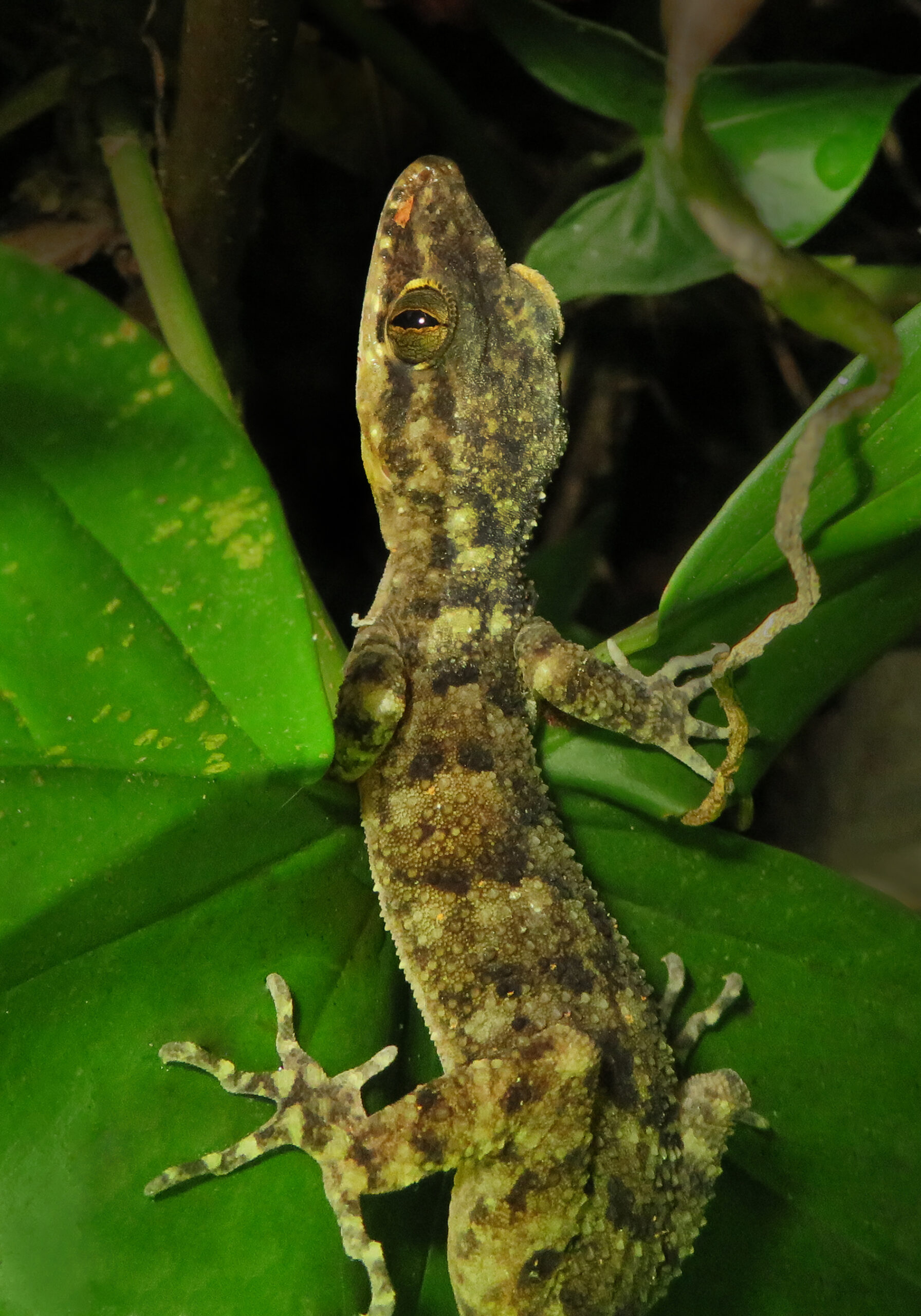
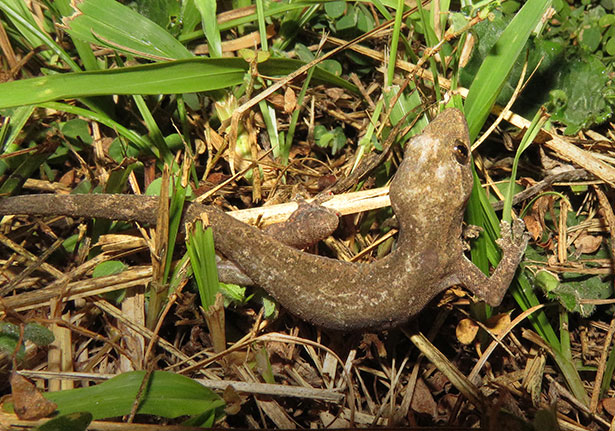
Sauria is a traditional suborder of reptiles within the order Squamata, commonly used to refer to lizards in a broad sense. In modern taxonomy, the term is often treated as an informal grouping rather than a strictly defined clade, but it generally encompasses the diverse assemblage of squamate reptiles that are not snakes.
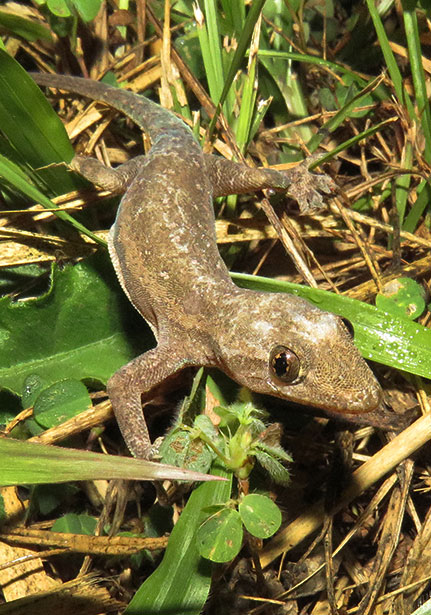
Members traditionally placed in Sauria include geckos, skinks, agamids, iguanas, monitors, chameleons, and many other lizard groups. They are distributed worldwide, occurring on every continent except Antarctica, and inhabit a wide range of environments including forests, deserts, grasslands, wetlands, and urban areas.
Morphologically, lizards typically possess external ear openings, movable eyelids (in most groups), and well-developed limbs with digits, although limb reduction or loss has evolved in some lineages. Body size varies greatly, from tiny geckos only a few centimeters long to large monitor lizards exceeding several meters in length.
Ecologically, members of Sauria occupy diverse niches. They may be terrestrial, arboreal, fossorial, saxicolous (rock-dwelling), or even semi-aquatic. Diets range from insectivory and carnivory to herbivory and omnivory, depending on species. Reproductive strategies include oviparity and viviparity, with considerable variation among groups.
Overall, Sauria represents one of the most evolutionarily successful and ecologically diverse reptile lineages within Squamata.