Bali Wildlife
Every Spices Matter


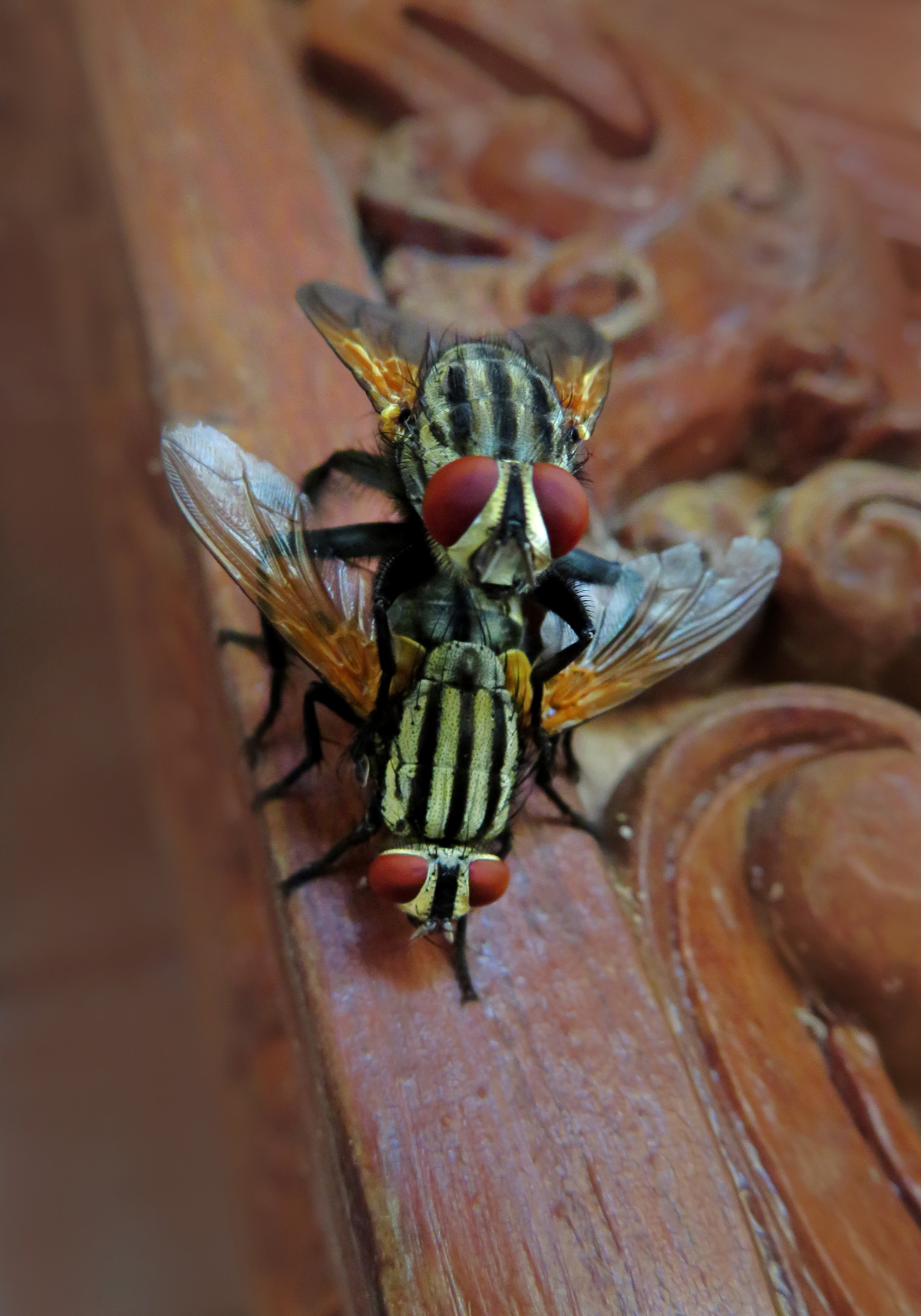
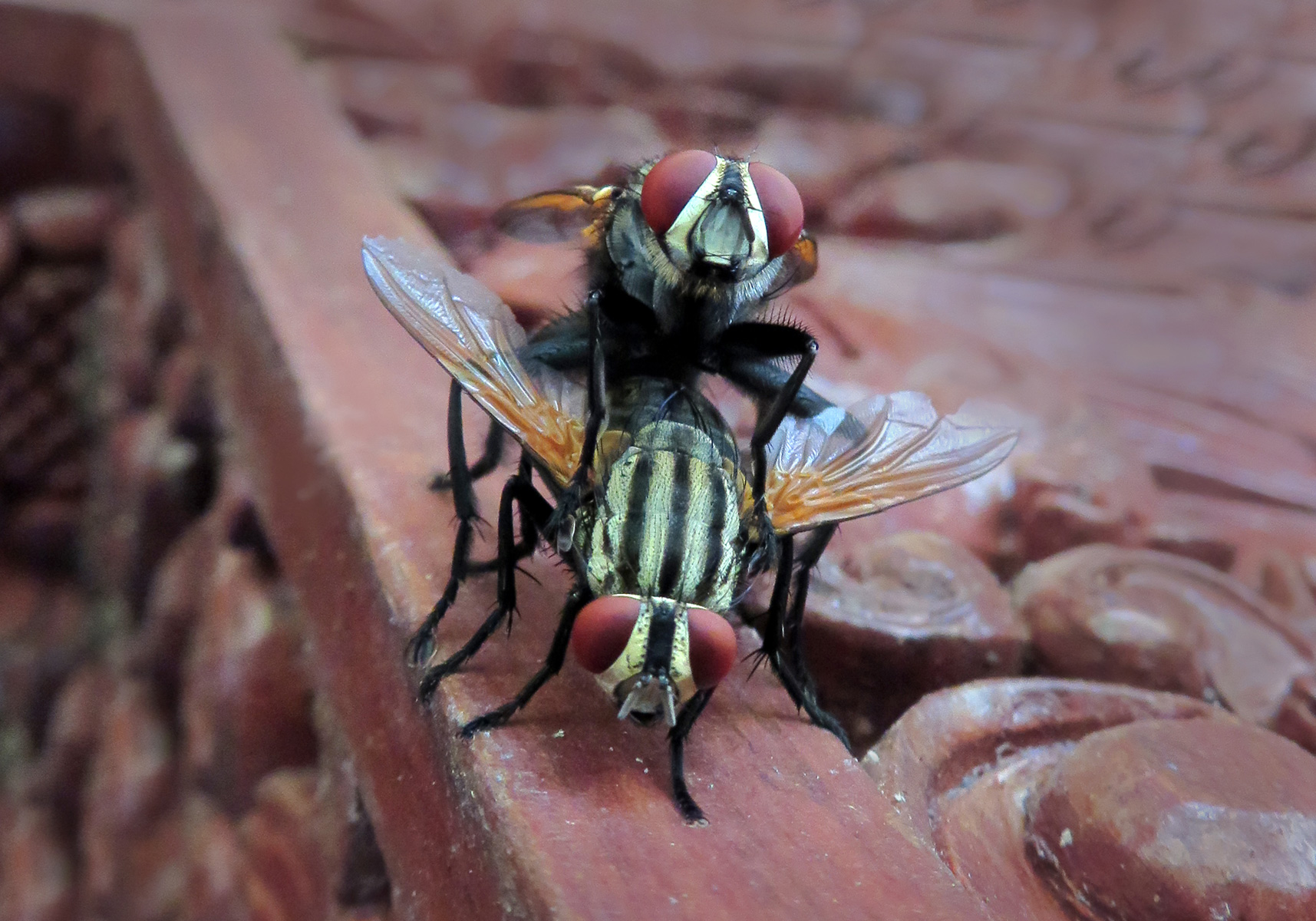
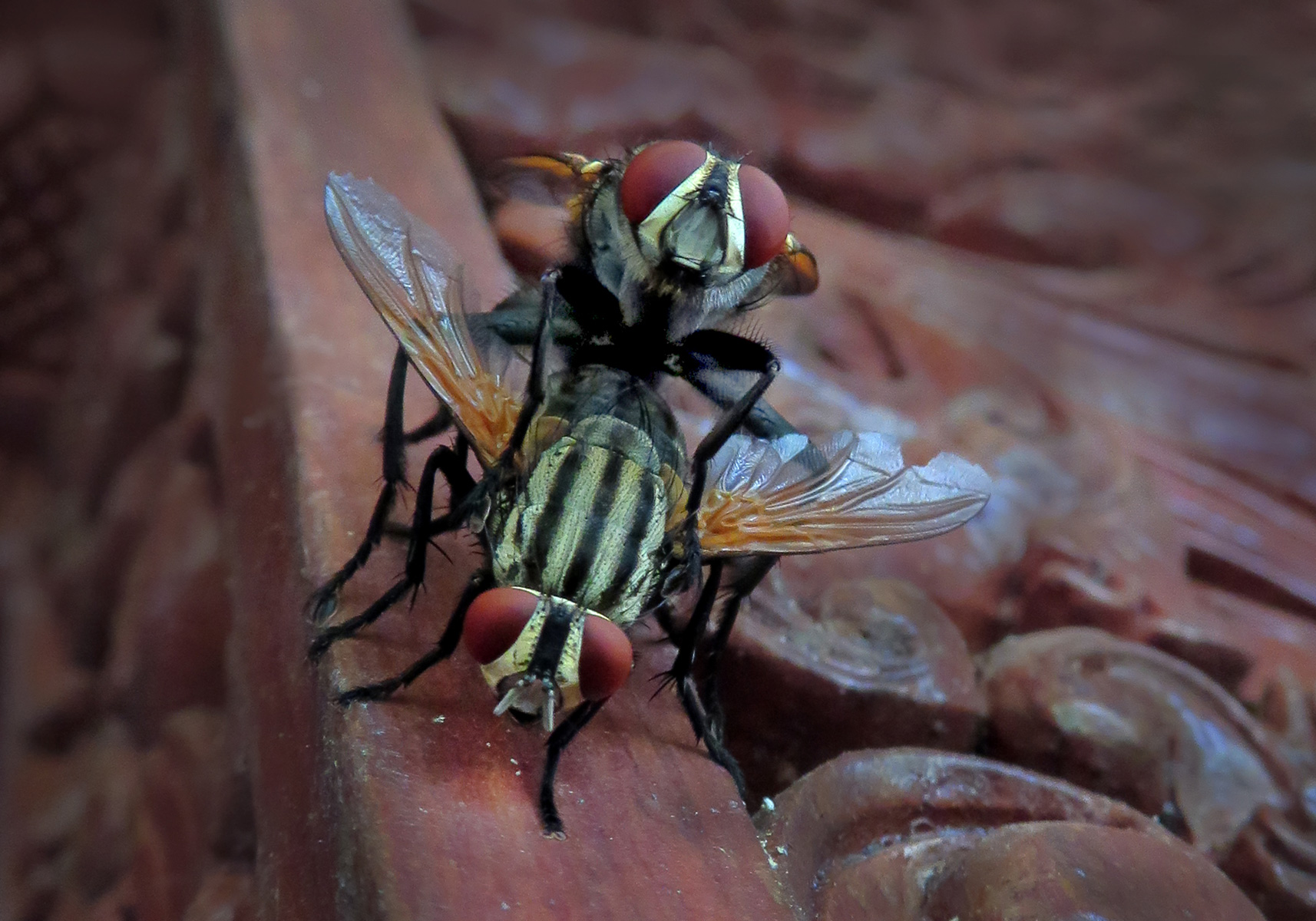
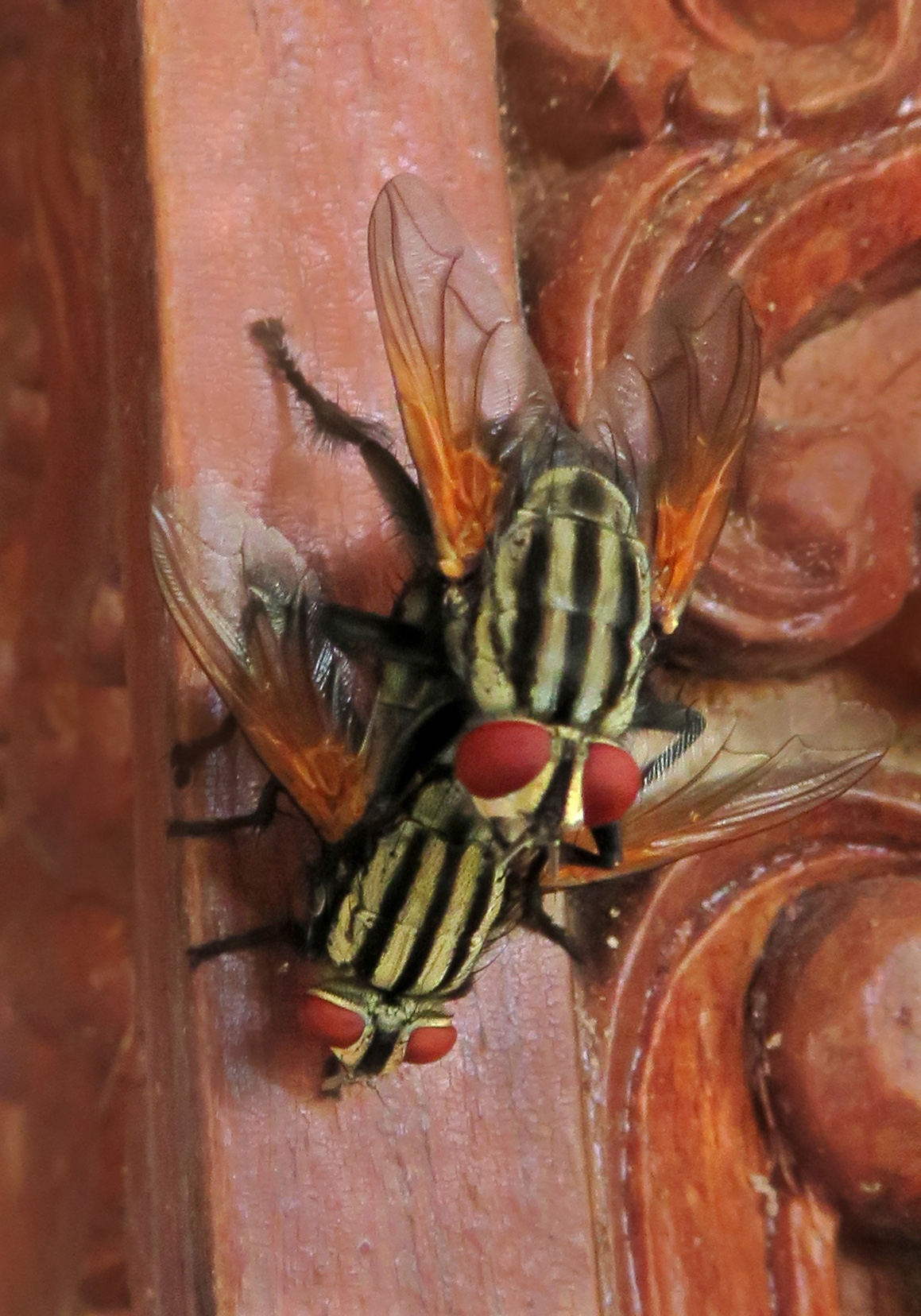
Sarcophagidae, commonly known as flesh flies, is a family within the superfamily Oestroidea (Order Diptera). Members of this family are distributed worldwide and are especially common in warm regions. They are typically associated with decaying organic matter, carrion, dung, and sometimes living tissues, and are frequently found in both natural and human-modified environments.
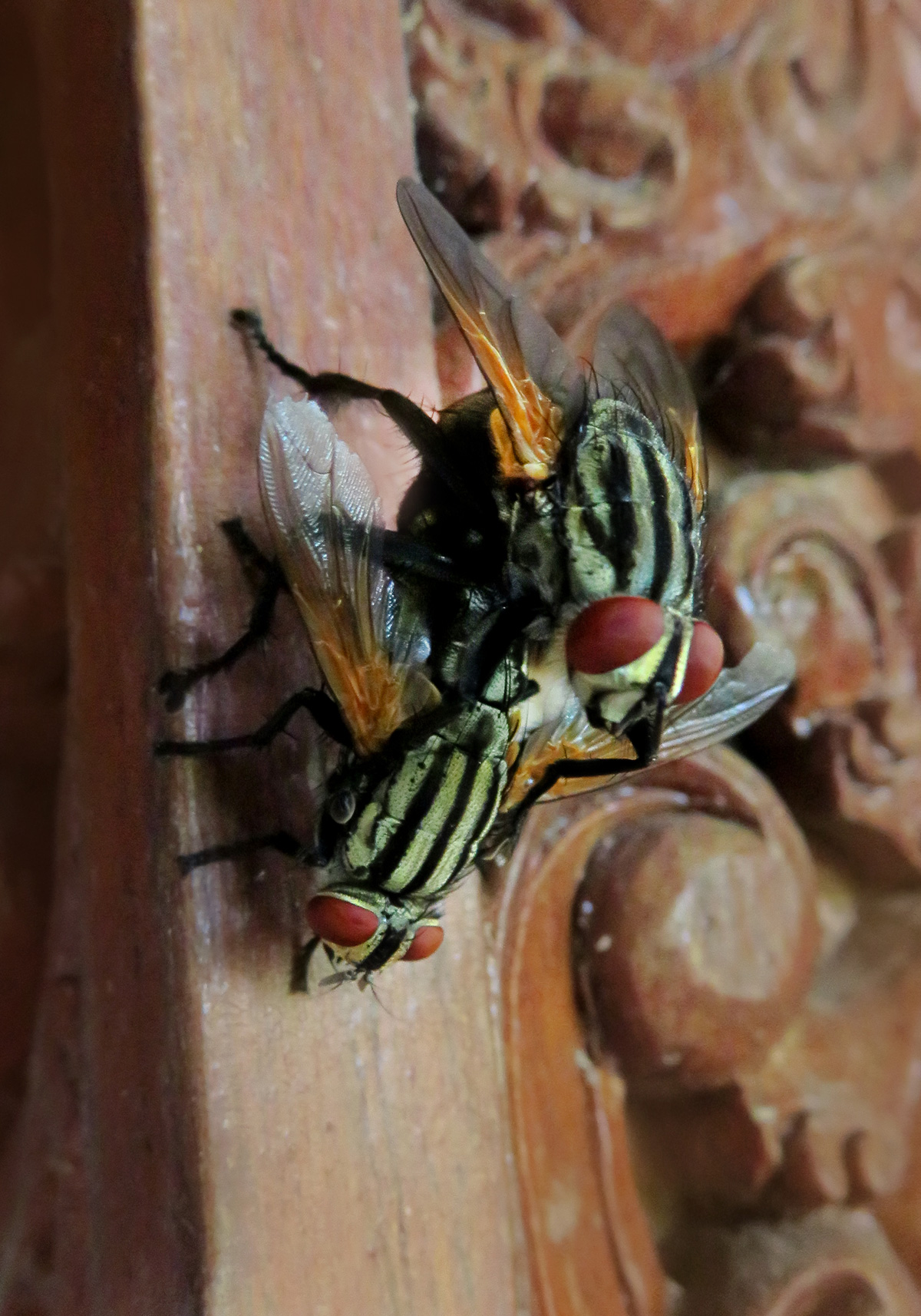
Flesh flies are generally medium to large in size and are characterized by a robust, grayish body with distinctive longitudinal black stripes on the thorax and a checkered pattern on the abdomen. The head is large with prominent red compound eyes and short antennae bearing an arista. As calyptrate flies, they possess well-developed calypters at the base of the wings.
A notable feature of many Sarcophagidae is their reproductive strategy. Instead of laying eggs, many species are larviparous, meaning females deposit live larvae directly onto suitable substrates such as carrion, dung, or wounds. This allows rapid colonization of resources and gives their offspring a developmental advantage.
The life cycle involves complete metamorphosis. Larvae (maggots) are typically saprophagous, feeding on decaying organic material, but some species are parasitic or can cause myiasis in animals and humans. Pupation occurs within a puparium formed from the hardened larval skin.
Adults usually feed on liquid substances such as nectar, plant exudates, or fluids from decaying matter. They are often observed on flowers, carcasses, or waste materials.
The family includes well-known genera such as Sarcophaga, Wohlfahrtia, and Blaesoxipha. These genera exhibit a range of ecological strategies, from decomposers to parasites.
Ecologically, Sarcophagidae play an important role in decomposition and nutrient recycling, particularly through their larval activity on carrion and waste. They are also significant in forensic entomology, as their developmental stages can help estimate time of death. However, some species are of medical and veterinary importance due to their potential to cause myiasis or transmit pathogens.