Bali Wildlife
Every Spices Matter


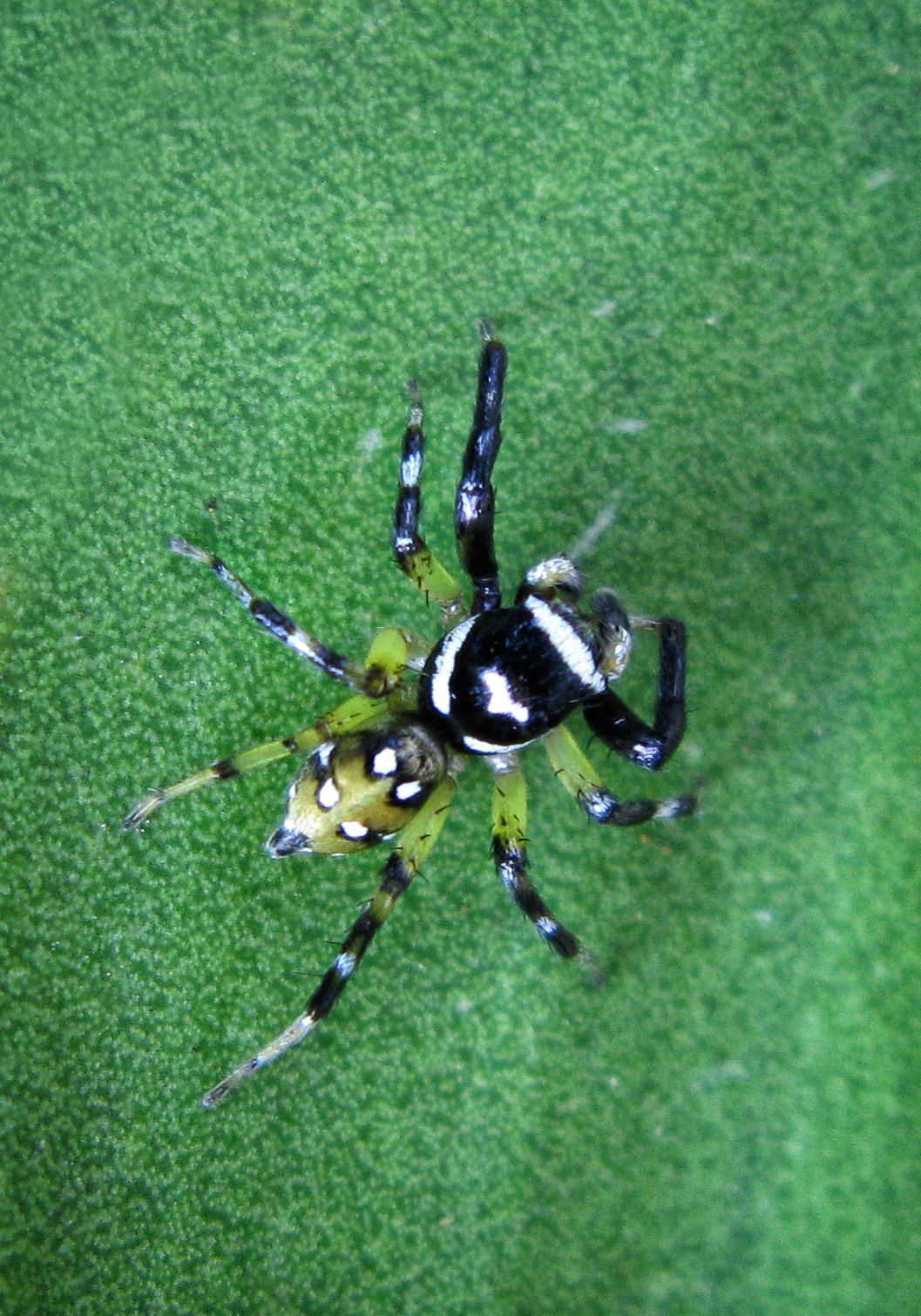
Salticidae, commonly known as jumping spiders, is the largest and most diverse family within the superfamily Salticoidea (Order Araneae, Class Arachnida). The family has a cosmopolitan distribution, occurring on all continents except Antarctica, and is especially species-rich in tropical and subtropical regions. Jumping spiders inhabit an extraordinary range of environments, including forests, grasslands, deserts, agricultural areas, and urban settings.
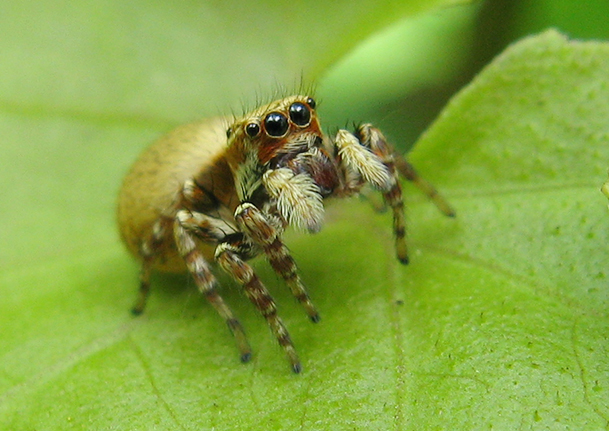
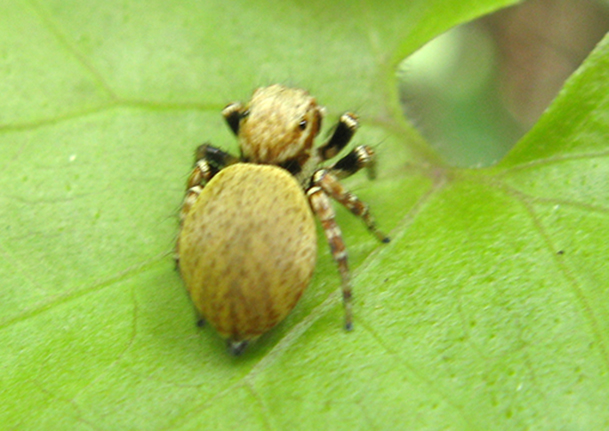
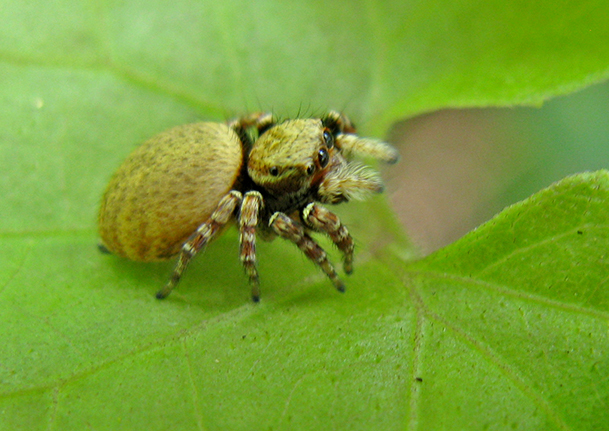
Members of Salticidae are typically small to medium-sized spiders with a compact, robust body and relatively short legs, although the hind legs are often enlarged and muscular for jumping. A defining feature of the family is their exceptional vision: the anterior median eyes are very large and forward-facing, providing acute visual acuity and depth perception unmatched by most other spiders. The remaining eyes provide a wide field of view, allowing effective detection of movement.
Unlike many spiders, salticids do not rely on capture webs to hunt prey. Instead, they are active, diurnal predators that stalk and leap onto their prey with precision. Silk is mainly used to produce safety draglines during jumps, as well as for constructing retreats, molting shelters, and egg sacs.
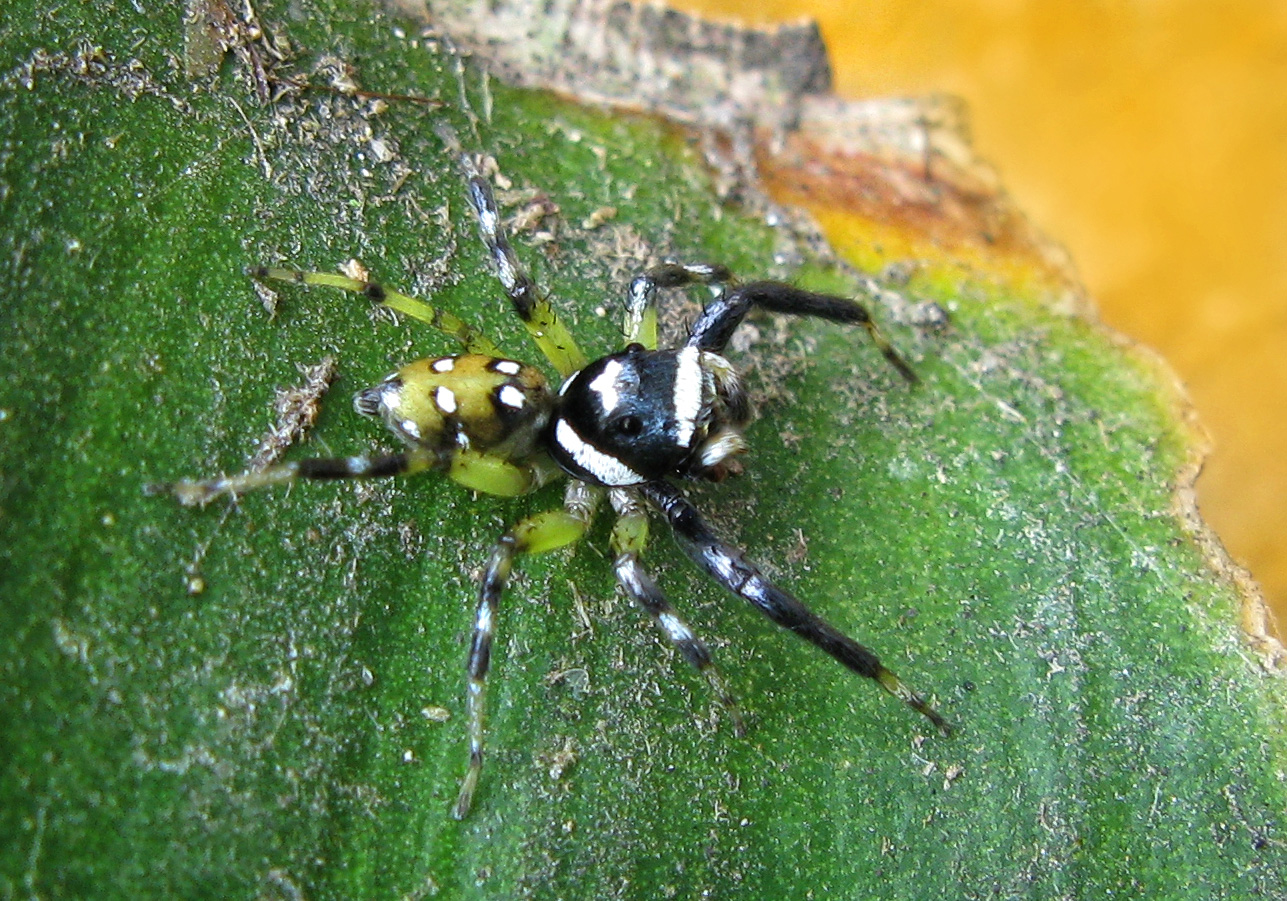
Coloration and body ornamentation in Salticidae are highly variable. Many species exhibit vivid colors, iridescent scales, or contrasting patterns, especially in males. Sexual dimorphism is common, and males often possess specialized structures and perform elaborate courtship displays involving visual signals, leg movements, and vibrations to attract females and avoid predation.
Salticidae exhibit direct development. Eggs are laid in silk sacs, usually hidden in protected locations, and spiderlings emerge as miniature adults. Some species show parental care, such as guarding egg sacs or young spiderlings.
Ecologically, jumping spiders are important predators of insects and other small arthropods, contributing to the regulation of prey populations in both natural and human-altered ecosystems. With thousands of described species and many more yet to be discovered, Salticidae represents one of the most evolutionarily successful and behaviorally sophisticated families of spiders.