Bali Wildlife
Every Spices Matter


The RTA clade (Retrolateral Tibial Apophysis clade) is a major zoosection within the infraorder Entelegynae of the order Araneae. It represents one of the most diverse and evolutionarily important lineages of entelegyne spiders, occurring across all continents except Antarctica and occupying a wide variety of terrestrial habitats.
Spiders of the RTA clade are united by a key morphological synapomorphy in males: the presence of a retrolateral tibial apophysis (RTA) on the pedipalp. This hardened projection on the tibia of the male palp plays a crucial role during copulation and is a defining diagnostic feature of the clade. Females exhibit the typical entelegyne condition, possessing well-developed epigynes with separate copulatory openings and fertilization ducts.
Morphologically, RTA clade spiders are highly variable in size, shape, and coloration, reflecting their broad ecological radiation. Despite this diversity, most share the entelegyne reproductive system and generalized hunting or web-building adaptations. Locomotion and predatory strategies vary widely, ranging from active cursorial hunters (such as jumping spiders) to ambush predators and web builders.
Behaviorally and ecologically, the RTA clade includes spiders adapted to forests, grasslands, deserts, wetlands, and urban environments. Members may be diurnal or nocturnal and exploit a wide range of prey types. Courtship behaviors are often complex and species-specific, particularly in visually oriented families.
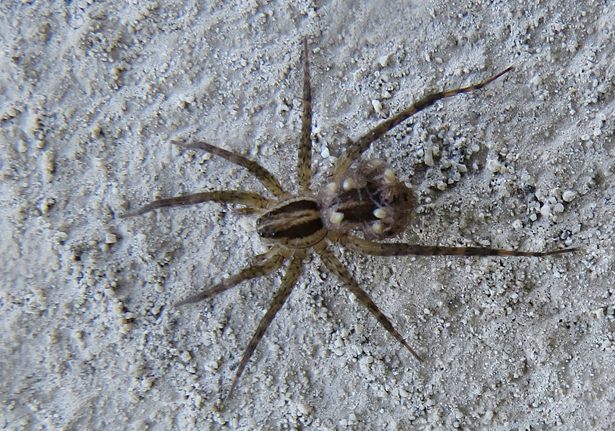
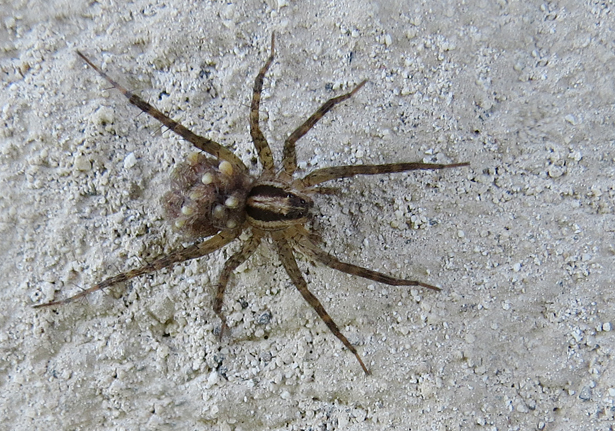
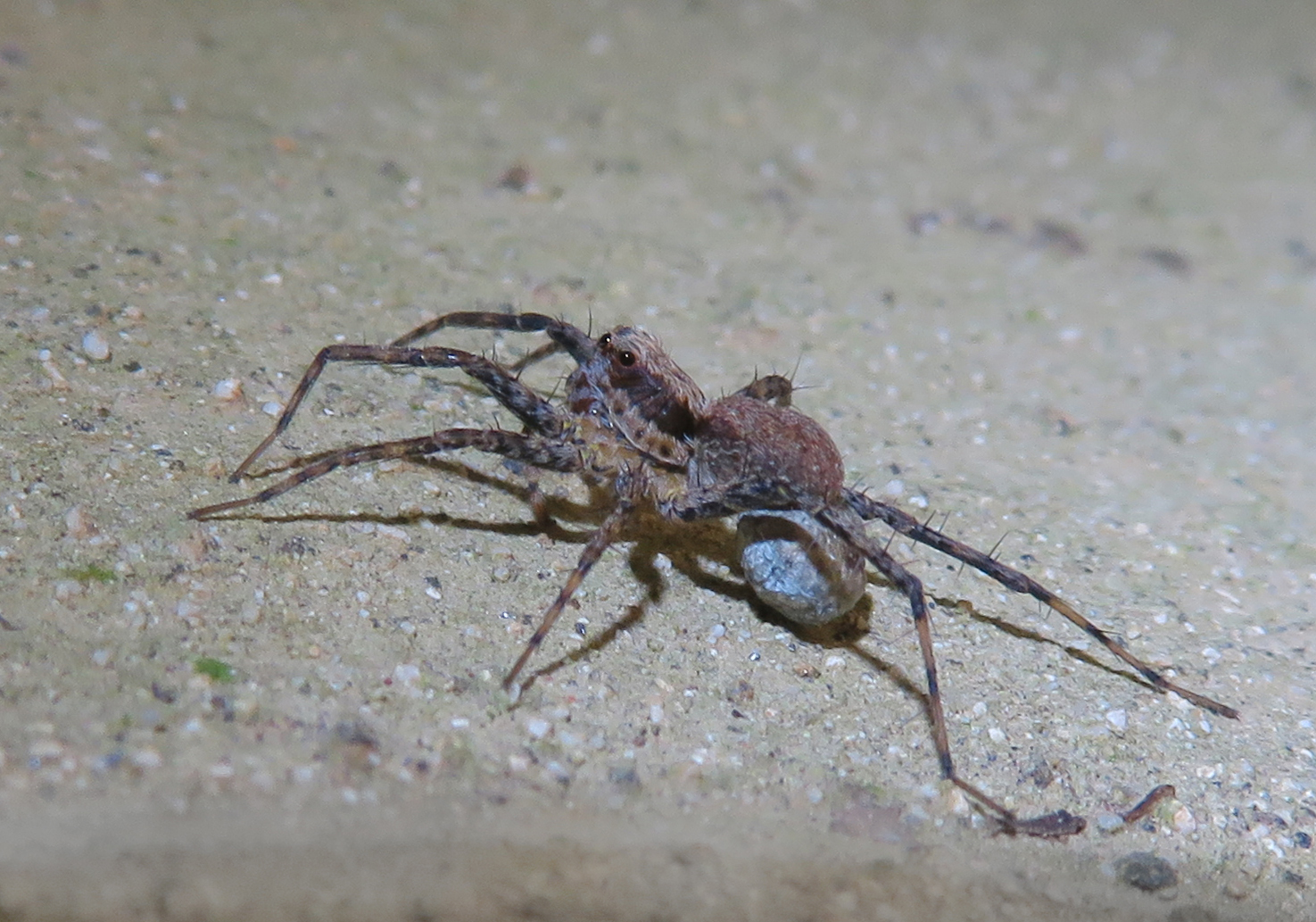
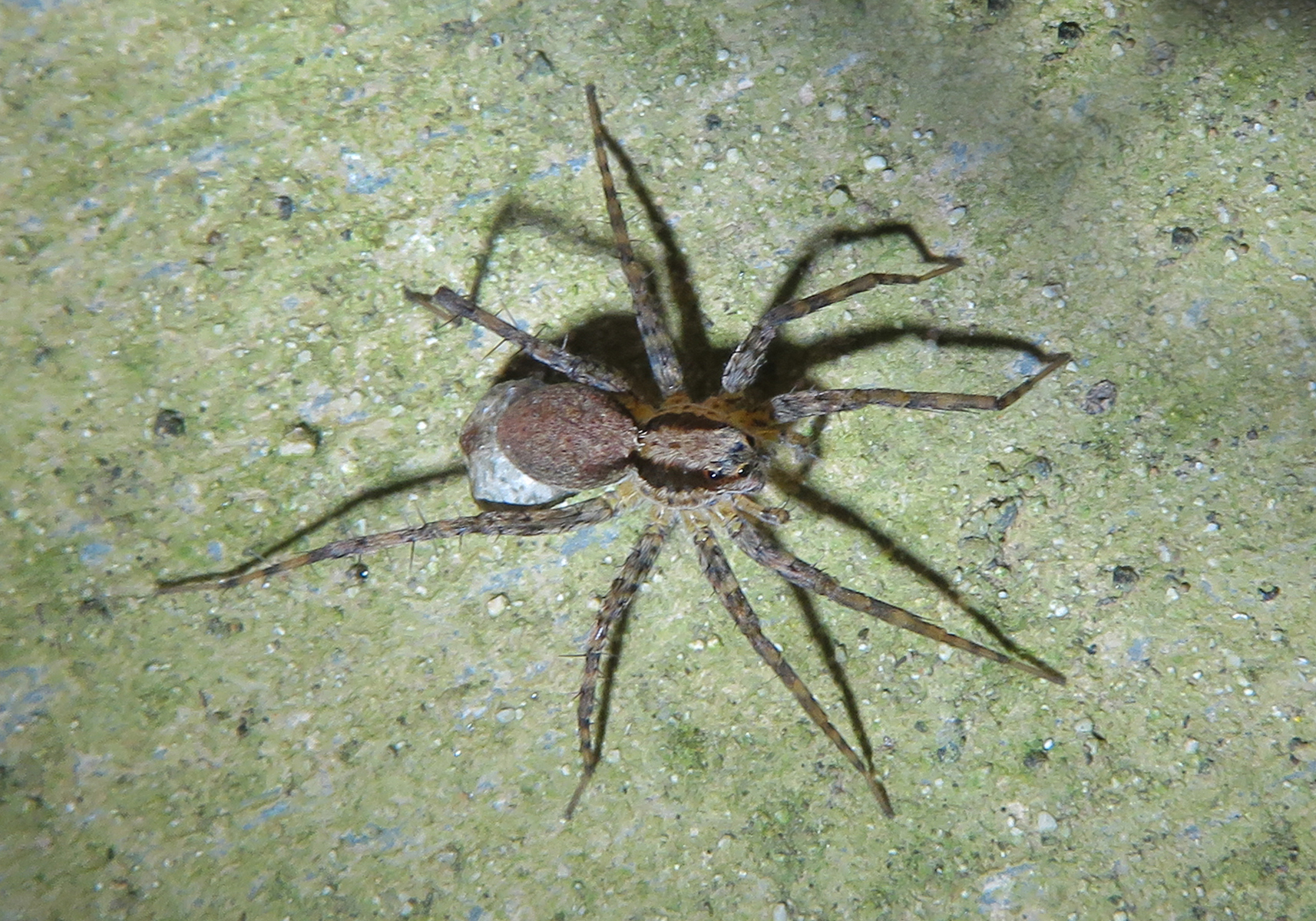
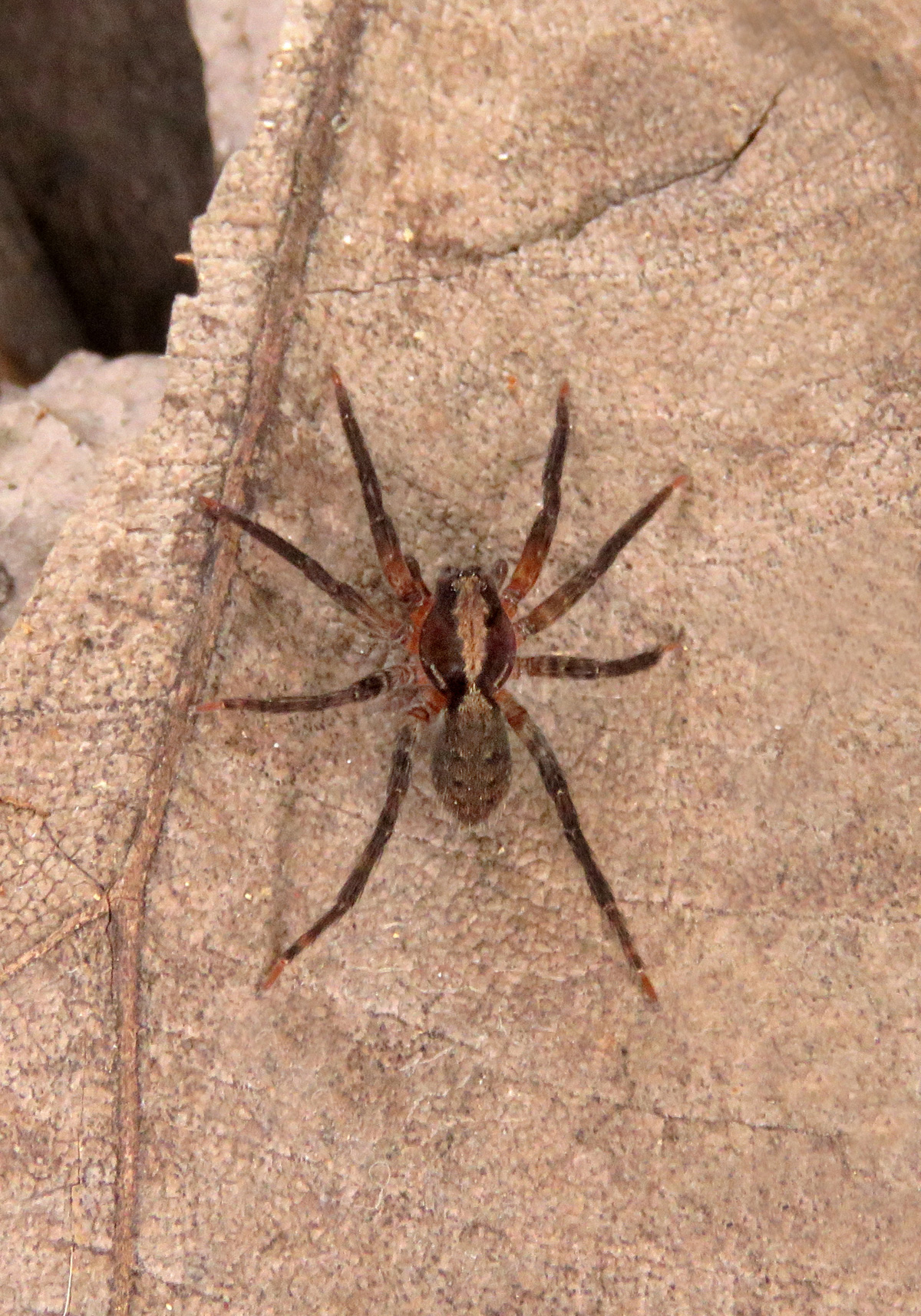
The RTA clade encompasses several major spider families and lineages, including Salticidae (jumping spiders), Lycosidae (wolf spiders), Thomisidae (crab spiders), Oxyopidae (lynx spiders), and related groups. As such, it represents a central evolutionary radiation within Entelegynae, accounting for a substantial portion of modern spider diversity and ecological dominance.