Bali Wildlife
Every Spices Matter


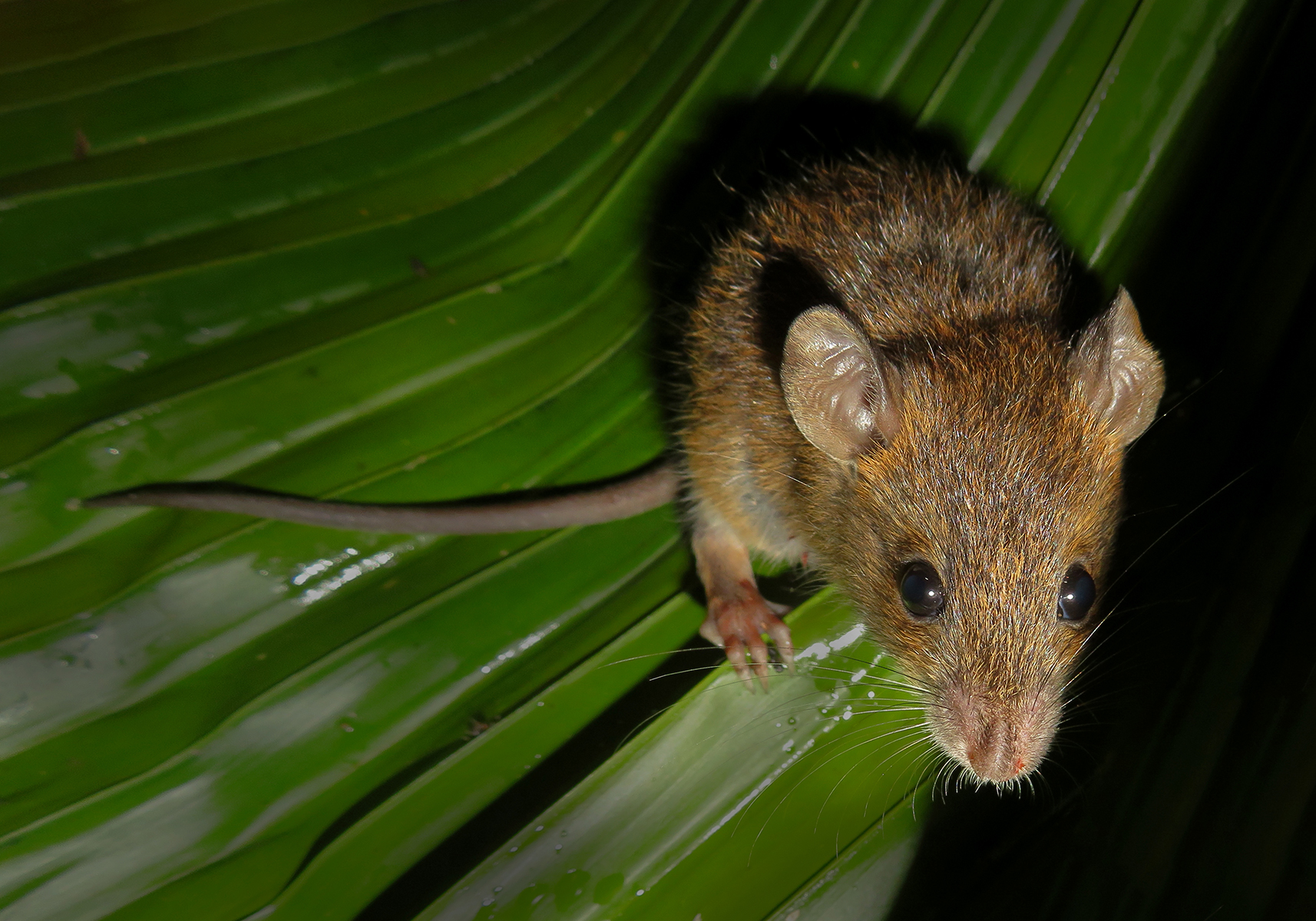
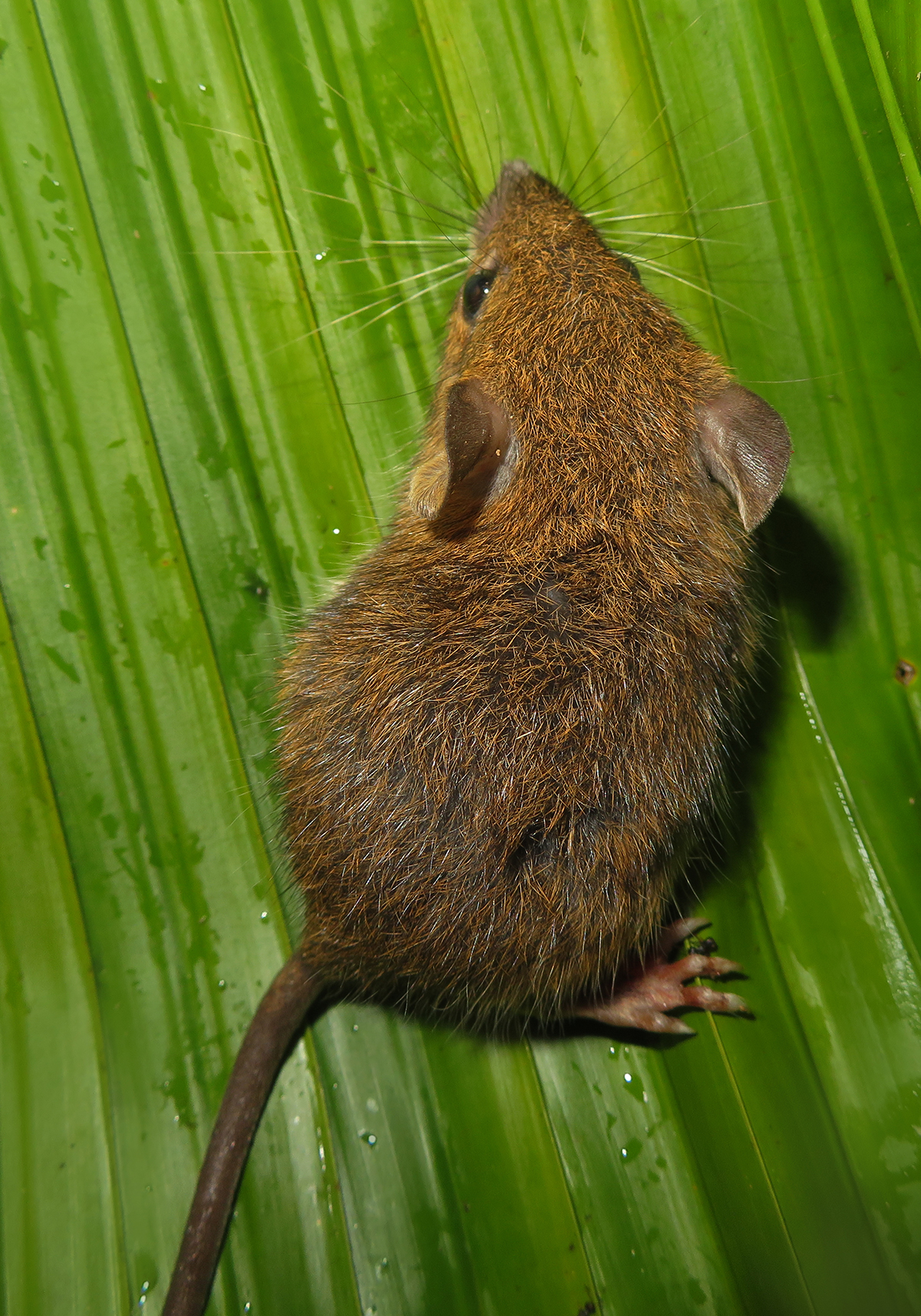
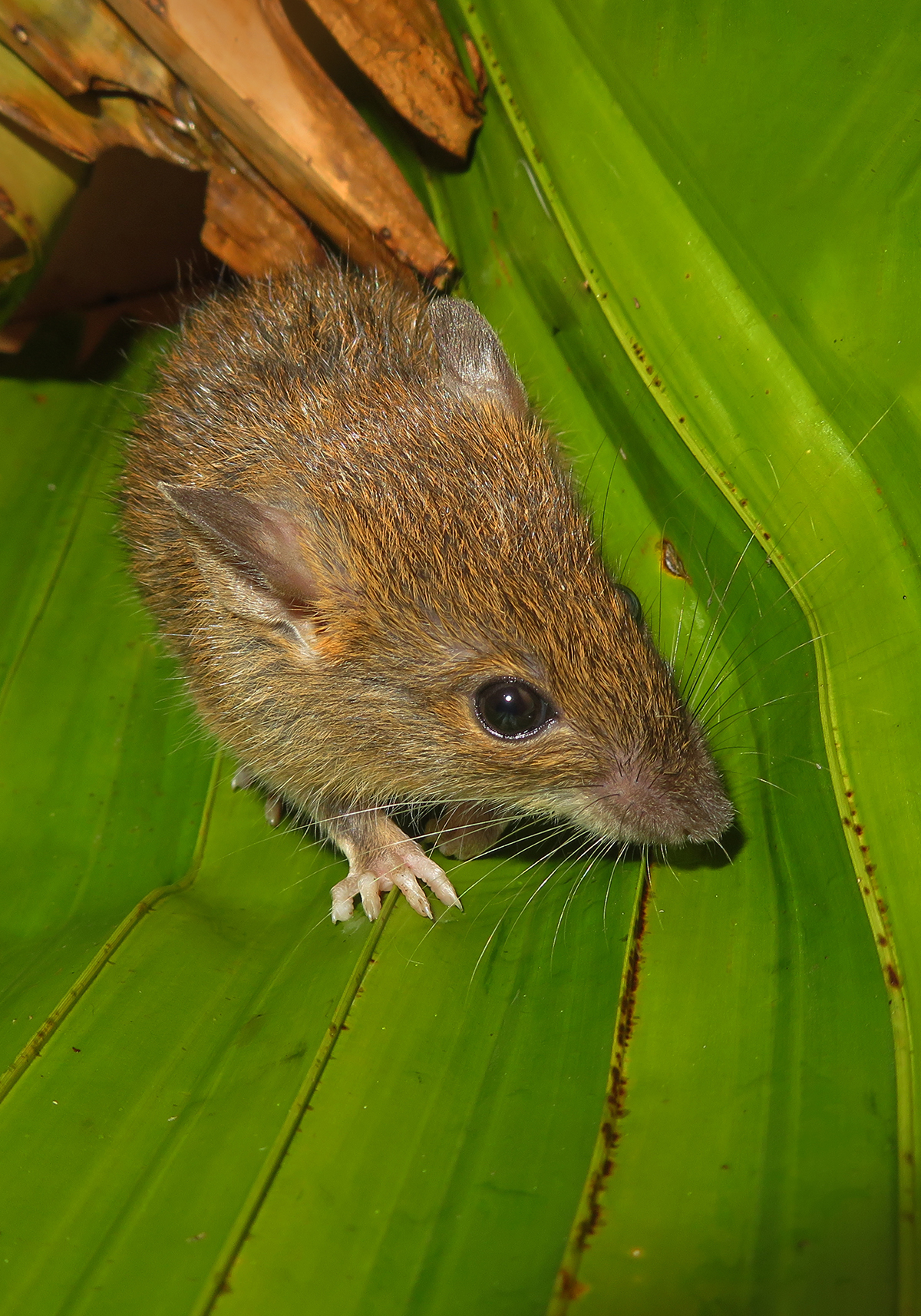
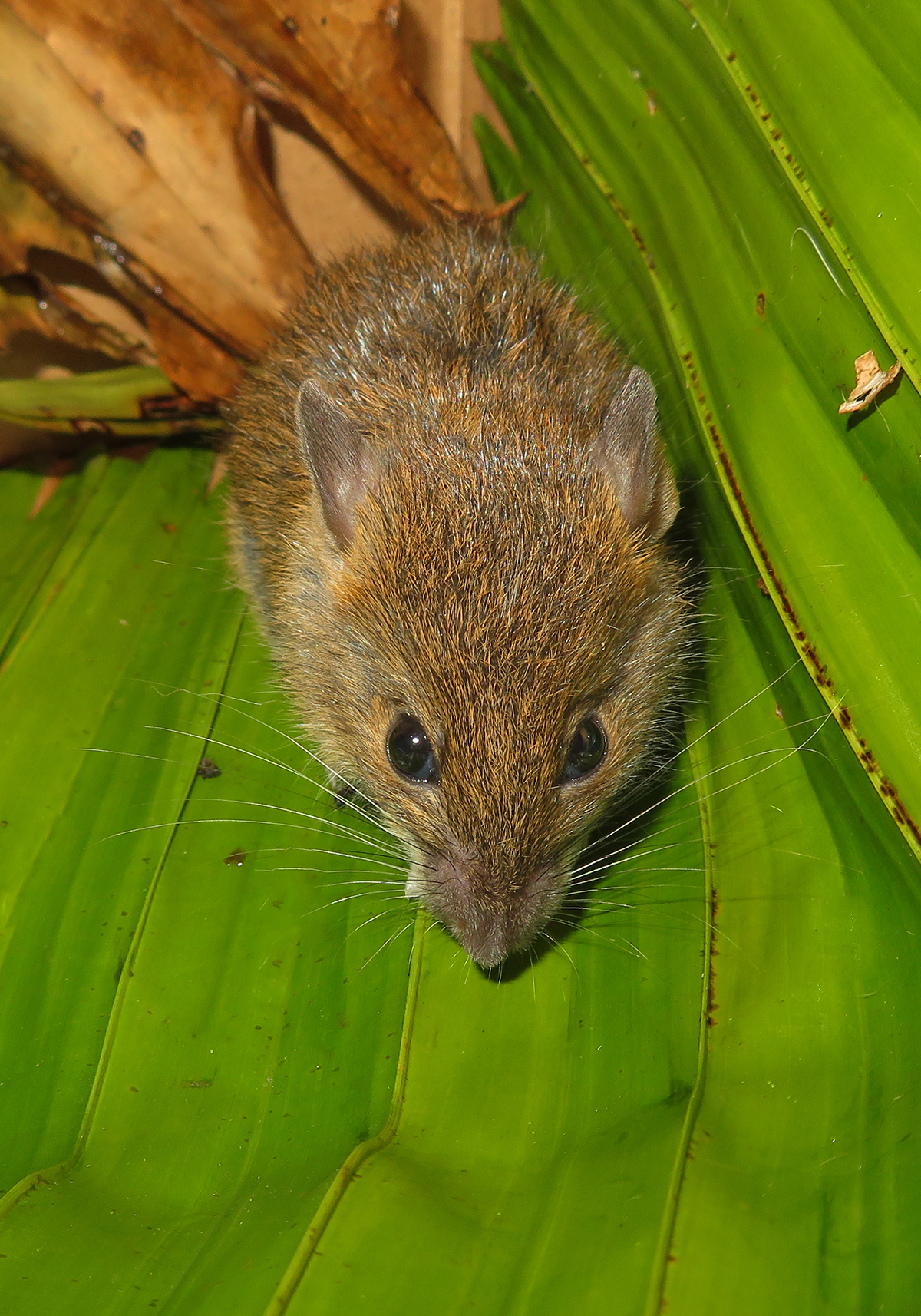
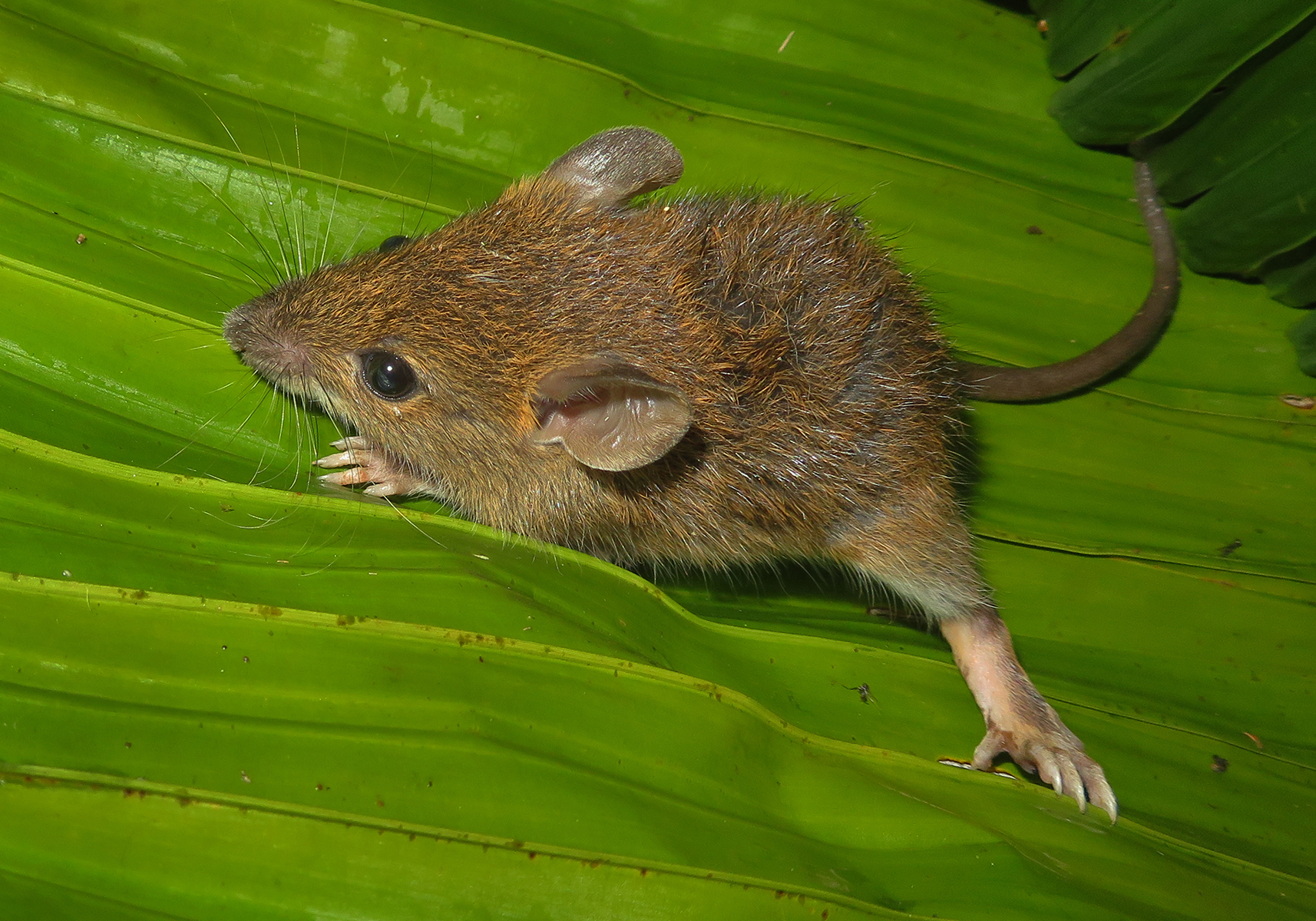
Rodentia is the largest order of mammals within the superorder Euarchontoglires and the clade Eutheria. This order includes rodents such as mice, rats, squirrels, beavers, porcupines, hamsters, and many other species. With more than two thousand described species, rodents represent over 40 percent of all living mammal species.
Rodents are distributed across nearly every continent except Antarctica and inhabit an extremely wide range of environments, including forests, grasslands, deserts, wetlands, mountains, and urban areas. Their remarkable adaptability has allowed them to occupy diverse ecological niches across the globe.
A defining characteristic of rodents is their specialized dentition. All species possess a single pair of continuously growing incisors in both the upper and lower jaws. These incisors are sharp and chisel-shaped, adapted for gnawing on a variety of materials such as seeds, wood, bark, and other plant matter. The teeth are maintained at a functional length through constant wear.
Rodents exhibit great diversity in body size and lifestyle. They range from very small species weighing only a few grams to large forms such as capybaras that can weigh over 50 kilograms. Ecologically, rodents may be terrestrial, arboreal, fossorial, or semi-aquatic. Their diets vary widely and include herbivory, granivory, omnivory, and occasionally insectivory.
Reproduction in rodents is typically rapid, with many species having short gestation periods and producing multiple offspring per litter. This high reproductive capacity contributes to their ecological success and ability to colonize new environments.
Rodents play vital roles in ecosystems as seed dispersers, herbivores, prey for many predators, and ecosystem engineers in some habitats. They also have significant interactions with humans, both beneficial and problematic, as some species are important in scientific research and agriculture, while others may become pests.