Bali Wildlife
Every Spices Matter


Ricaniinae is a subfamily within the family Ricaniidae, comprising a group of planthoppers that are primarily distributed in tropical and subtropical regions, with particularly high diversity in Southeast Asia. Members of this subfamily are typically associated with woody plants, shrubs, and herbaceous vegetation, where they feed on plant sap.
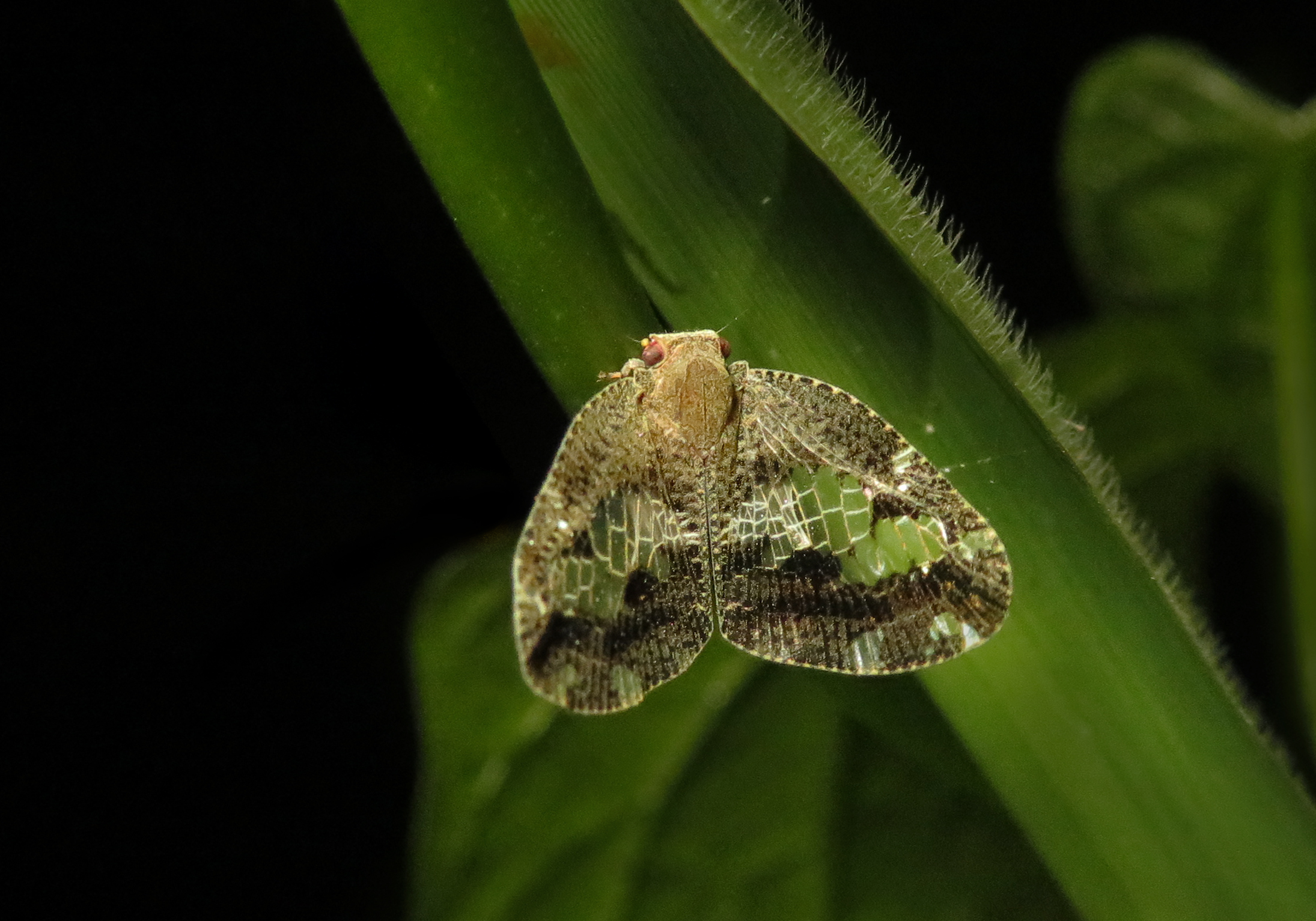
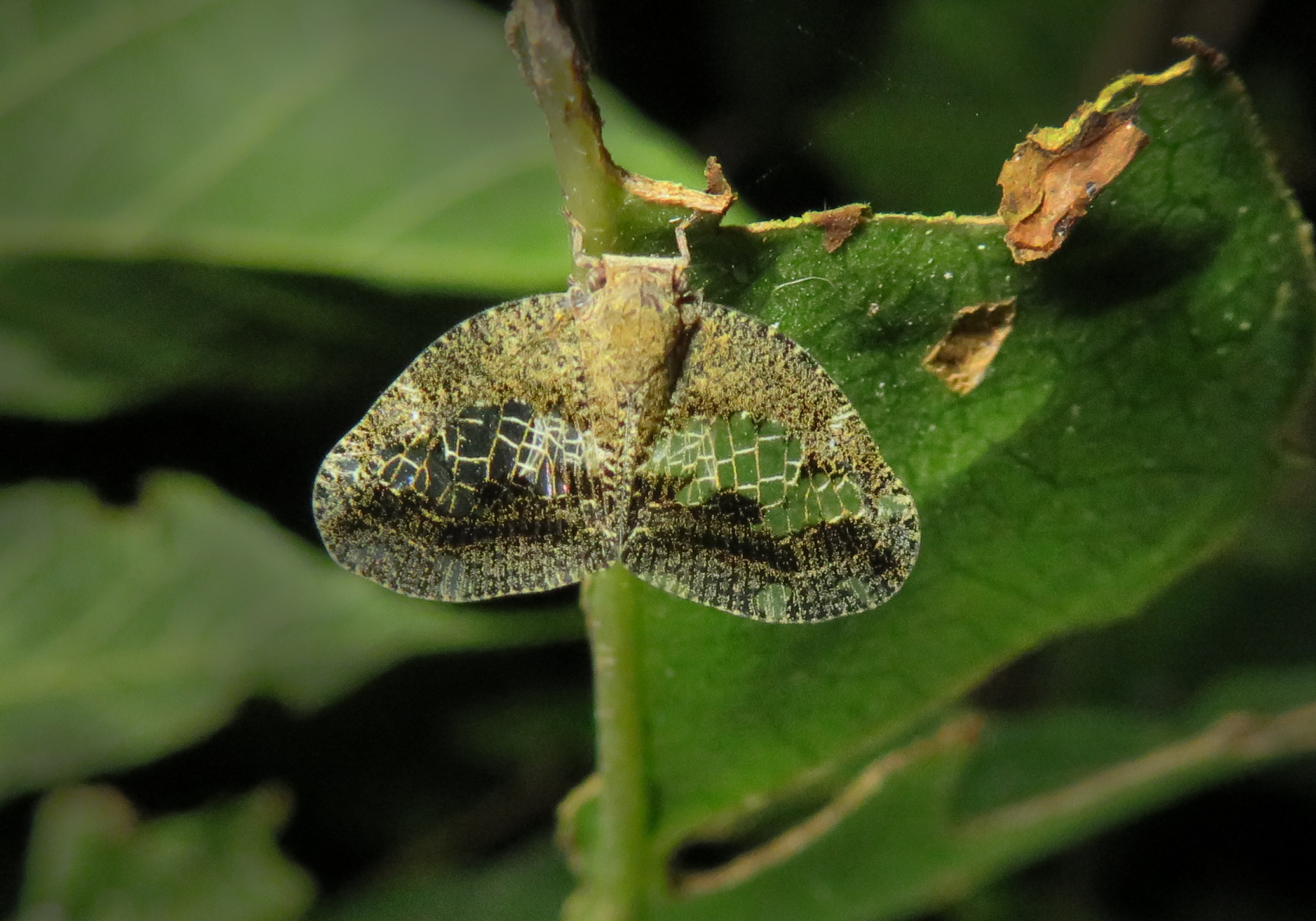
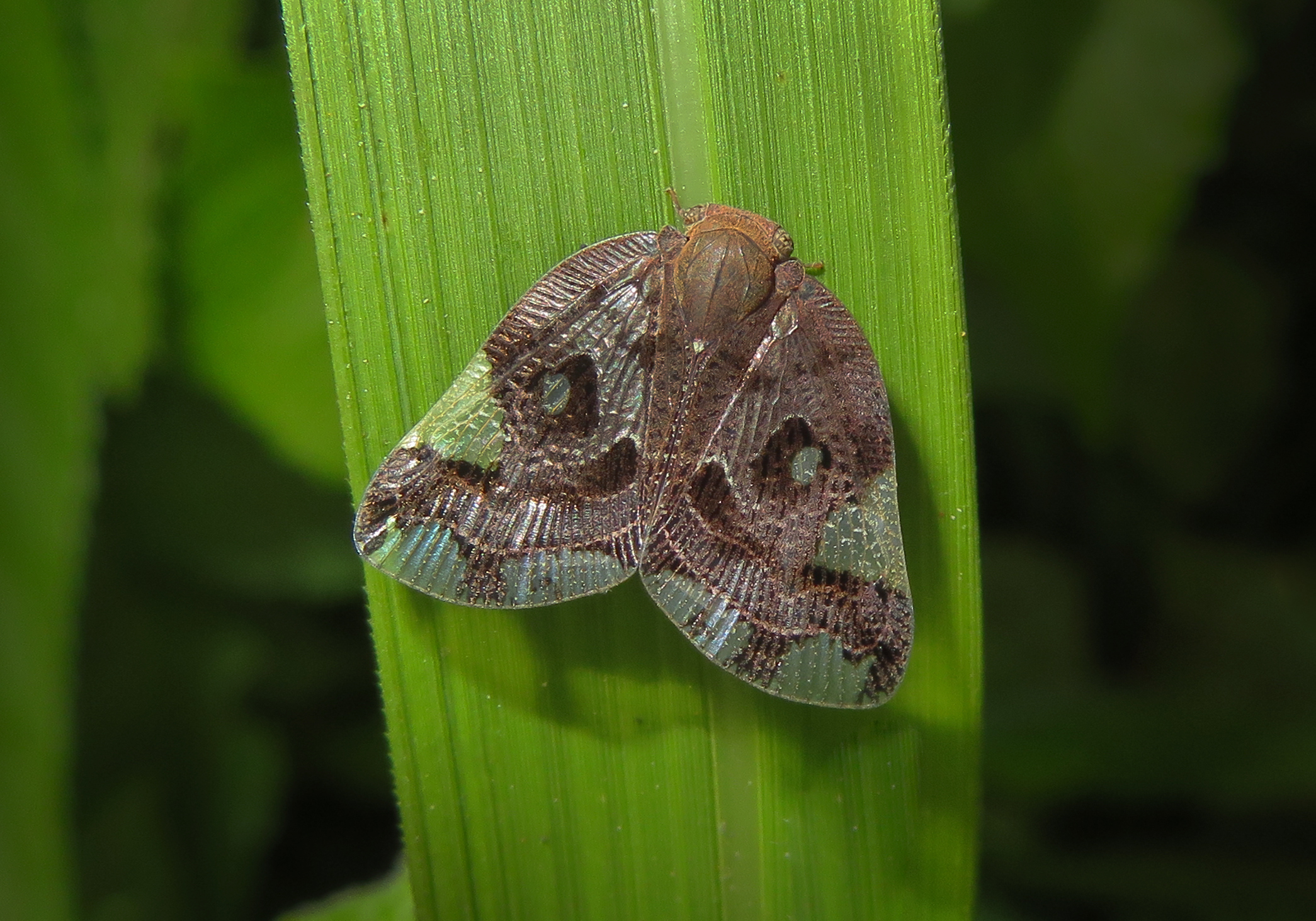
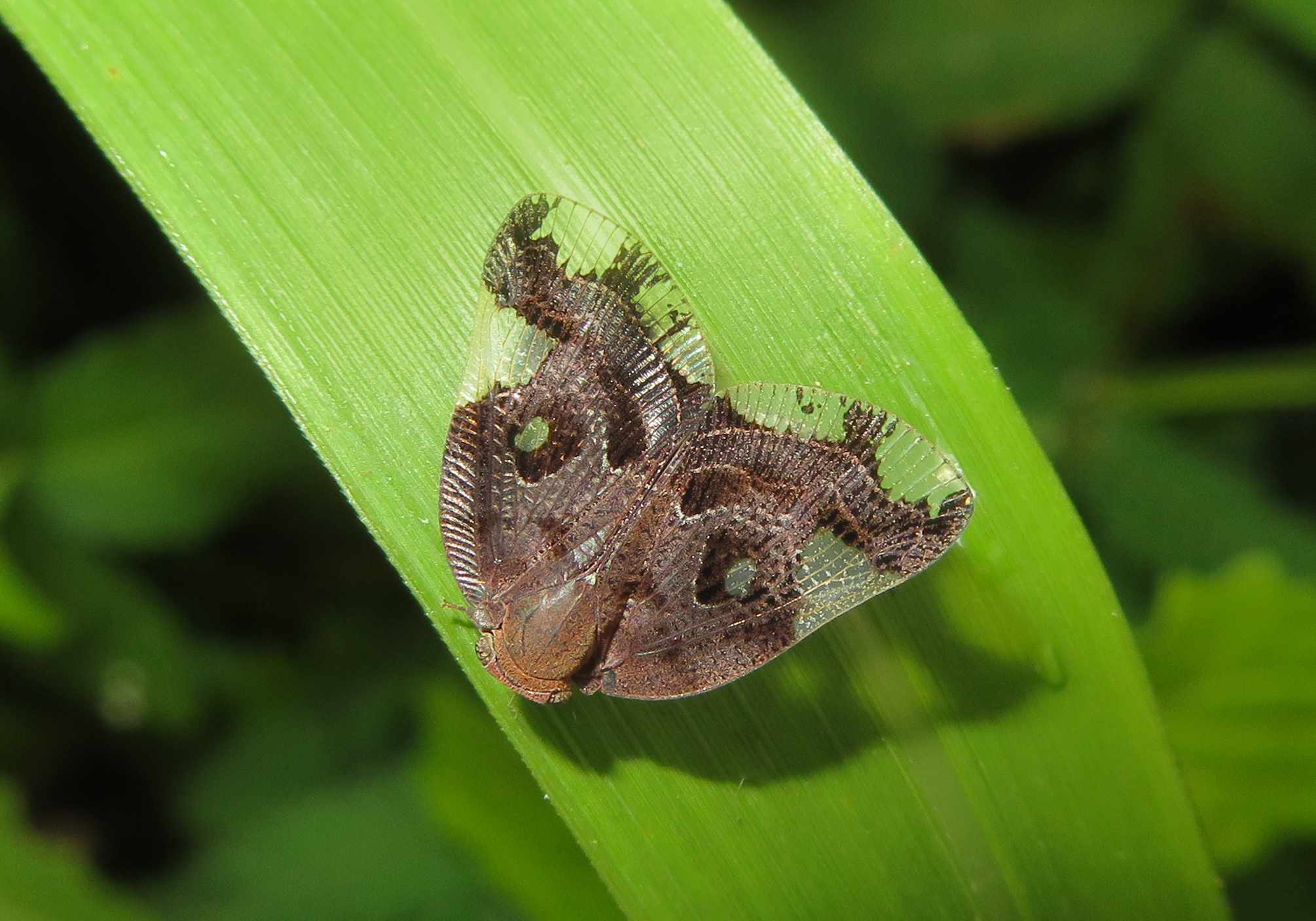
Ricaniinae are characterized by their relatively broad and often triangular forewings, which are held roof-like over the body when at rest. The wings frequently display distinctive color patterns, including spots, bands, or reticulate markings, providing effective camouflage among leaves and bark. The body is usually compact, with a short head, well-developed compound eyes, and short, bristle-like antennae inserted below the eyes. Like other fulgoroids, they possess piercing–sucking mouthparts adapted for phloem feeding.
Development is hemimetabolous, with egg, nymph, and adult stages. Nymphs commonly produce waxy secretions from abdominal glands, forming filamentous coverings that offer protection from predators, parasites, and desiccation. Both nymphs and adults typically occur on the same host plants, reflecting strong host associations.
Ecologically, members of Ricaniinae function as herbivores within plant communities and serve as prey for a variety of predators. Some species can become locally abundant and may cause damage to cultivated or ornamental plants through intensive sap feeding, and a few are suspected or known vectors of plant pathogens. The subfamily Ricaniinae contributes significantly to the diversity and ecological importance of the family Ricaniidae within the superfamily Fulgoroidea.